2026 Top Lithium Battery Types for Global Buyers

Time:2026-09-15 Author:Aria
0%

Lithium Batteries are moving from a specialist component to a strategic purchasing decision. Global buyers now compare chemistry, safety, cycle life, charging speed, and total ownership cost. The cheapest cell is not always the best value.

The International Energy Agency’s Global EV Outlook 2024 reported that electric car sales exceeded 14 million units in 2023. It also estimated that automotive battery demand rose by more than 40%, reaching over 750 GWh. BloombergNEF’s 2024 Battery Price Survey recorded average lithium-ion pack prices of approximately $115 per kWh. These figures explain the pressure on manufacturers, distributors, and fleet operators. Every chemistry choice affects factory output, transport weight, maintenance, and warranty exposure.

This guide examines the leading Lithium Batteries expected to shape global buying decisions in 2026. It compares lithium iron phosphate, nickel manganese cobalt, nickel cobalt aluminum, lithium titanate, and emerging high-manganese designs. Each option has a different “best use” case. LFP suits many cost-sensitive storage and urban vehicle applications. NMC still offers strong energy density for weight-limited platforms. LTO delivers exceptional cycle performance, but its price remains difficult for many buyers. Nobel laureate M. Stanley Whittingham once observed, “The lithium-ion battery is a very old technology.” His point still matters. Mature technology can improve, but it also carries established limits.

No ranking is perfect. Real performance depends on cell quality, thermal control, operating temperature, and supplier discipline. Buyers should request test data, traceability records, and independent safety evidence. A polished datasheet is not enough. One overlooked detail can become a costly battery failure.
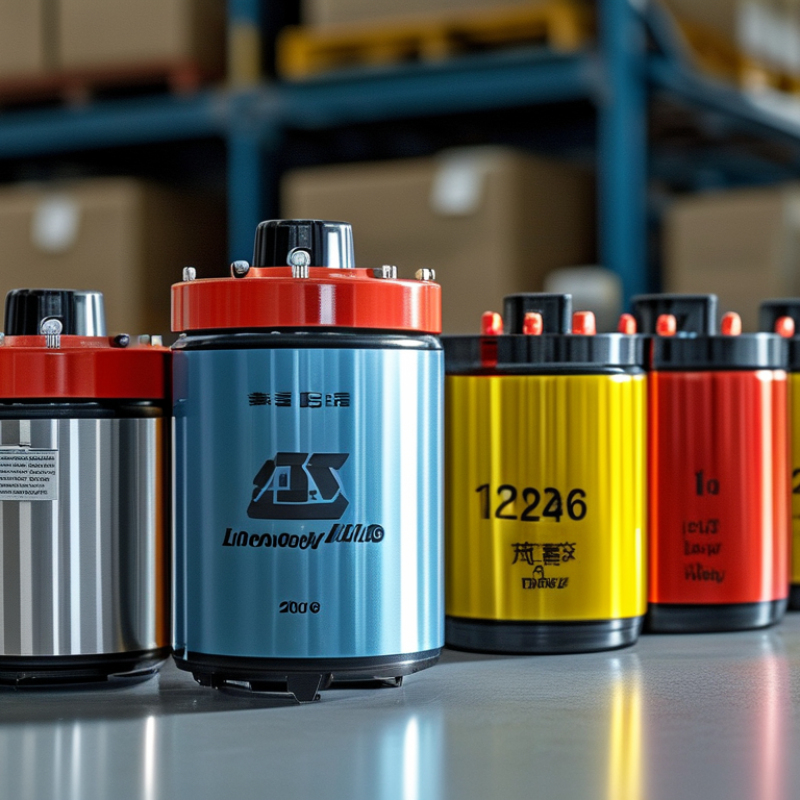
2026 Top Lithium Battery Types for Global Buyers

Lithium Battery Basics and Key Terms for Global Buyers

2026 Top Lithium Battery Types for Global Buyers

Lithium Battery Basics and Key Terms for Global Buyers

Lithium batteries are not one uniform product. Their chemistry changes performance, safety needs, weight, and service life. Lithium iron phosphate, often called LFP, offers strong cycle life and stable thermal behavior. Nickel-based chemistries can provide higher energy density, but they require careful temperature control. Lithium titanate charges quickly and performs well in cold conditions, though it usually costs more and stores less energy.

A cell is the smallest working unit. Several cells form a module, and modules create a battery pack. Capacity is measured in ampere-hours, or Ah. Energy is measured in watt-hours, or Wh. A simple estimate is voltage multiplied by capacity. The C-rate describes how quickly a battery charges or discharges. A 1C discharge uses the rated capacity in about one hour. That sounds simple, but real results depend on temperature, age, and the load.

The battery management system, or BMS, monitors voltage, current, and temperature. It can balance cells and limit unsafe operation. State of charge, or SOC, shows available energy. State of health, or SOH, estimates aging. Buyers should examine cycle-life test conditions, not just headline numbers. I once compared two similar datasheets and missed their different temperature ranges. That mistake changed the practical value. Ask for cell-level data, protection settings, inspection records, and transport documentation. A low price may hide weaker consistency.

2026 Top Lithium Battery Types for Global Buyers

Lithium Battery Basics and Key Terms: typical gravimetric energy density and cycle-life ranges for major lithium battery chemistries.

Energy density is shown in watt-hours per kilogram (Wh/kg), indicating how much energy a battery stores relative to its mass. Cycle life represents the typical number of complete charge and discharge cycles before capacity falls to approximately 80% of its original level. Actual performance varies by cell design, operating temperature, charging rate, and battery management system.

Major Lithium Battery Chemistries and Their Core Differences

2026 Top Lithium Battery Types for Global Buyers
Major Lithium Battery Chemistries and Their Core Differences

Lithium iron phosphate, or LFP, emphasizes safety, long cycle life, and stable performance. It suits energy storage, commercial vehicles, and frequent daily cycling. Its lower voltage means larger packs may be needed for the same energy. That trade-off is easy to underestimate.

Nickel manganese cobalt, known as NMC, offers a balanced mix of energy density, power, and size. It works well where limited space matters, such as mobility equipment and compact electric vehicles. Nickel-rich versions can store more energy, but they demand stronger thermal monitoring. Lithium nickel cobalt aluminum oxide provides similar high energy density, yet careful cooling remains essential.

Lithium cobalt oxide delivers high energy in small consumer devices. However, its cycle life and thermal margin are less attractive for demanding applications. Lithium manganese oxide can provide strong power output, but its capacity may fade faster. Lithium titanate charges quickly and survives many cycles, although its low energy density increases pack size and cost.

A practical buyer should compare usable energy, not only nominal capacity. Check operating temperature, charging limits, warranty conditions, and battery management quality. Real results depend on cell design, current load, storage conditions, and software settings. A neat chemistry chart can mislead. Even experienced buyers sometimes choose higher energy density when longer service life would matter more. Sample testing under local conditions is still worth the time.

Performance, Safety, Cost, and Lifespan Comparison

2026 Top Lithium Battery Types for Global Buyers

For global buyers in 2026, chemistry affects performance, safety, cost, and lifespan. Lithium iron phosphate, or LFP, offers strong thermal stability and predictable cycle life. The International Energy Agency’s Global EV Outlook 2024 reported that LFP reached nearly half of the global electric vehicle battery market in 2023. It also noted that LFP cells cost about 30% less than nickel-manganese-cobalt cells. That advantage matters in buses, storage systems, and commercial vehicles. Nickel-rich NMC and NCA chemistries provide higher energy density. They can reduce battery weight, but require stricter thermal management.

LFP is not perfect. Its lower energy density can increase pack size. NMC and NCA usually deliver longer driving range within the same space. Lithium titanate, or LTO, supports rapid charging, cold-weather operation, and very long cycle life. However, its lower energy density and higher cost limit wider adoption. BloombergNEF reported an average lithium-ion pack price of 115 US dollars per kilowatt-hour in 2024. Actual prices vary with format, volume, minerals, and testing requirements.

Lifespan depends heavily on temperature, charging speed, depth of discharge, and system design. Many LFP systems exceed 3,000 cycles under controlled conditions. LTO can surpass 10,000 cycles in suitable applications. These figures are not guarantees. Real installations are less tidy. A poorly cooled LFP pack may age faster than a well-managed NMC pack. Buyers should request cycle-test conditions, safety records, warranty assumptions, and independent laboratory results before comparing quotations.

Battery Types by Application, Region, and Operating Conditions

2026 Top Lithium Battery Types for Global Buyers

Battery Types by Application, Region, and Operating Conditions

Choosing a lithium battery in 2026 requires more than comparing capacity and price. Application, climate, charging access, and service skills can change the best option.

Lithium iron phosphate batteries suit buses, backup systems, forklifts, and solar storage. They offer strong thermal stability and long cycle life. Their heavier structure can reduce vehicle range. Nickel-rich lithium batteries provide higher energy density for electric cars, drones, and compact equipment. They need careful thermal control and certified battery management systems. Lithium titanate batteries support rapid charging and frequent cycling. They perform well in transit fleets and industrial sites, but their higher cost limits wider use. Sodium-ion systems are also gaining attention for cold regions and cost-sensitive storage, although their market maturity varies.

Regional conditions matter. Hot climates demand cooling, dust protection, and conservative charging limits. Cold climates may require battery heating before fast charging. High-altitude sites can expose weak cooling designs. Coastal facilities need corrosion-resistant enclosures and disciplined inspection. I have seen buyers focus on cell chemistry while overlooking cable losses and ventilation. That choice often creates avoidable downtime.

For daily deep cycling, match the battery to realistic depth of discharge, not marketing claims. For emergency backup, standby behavior matters more than peak power. A qualified technician should verify voltage, protection settings, and local transport requirements. Performance data can look impressive on paper. Field conditions remain less predictable.

How to Select the Right Lithium Battery for Global Procurement

Global buyers should start with duty, temperature, space, and service conditions—not chemistry alone. Lithium iron phosphate (LFP) suits frequent cycling, stable temperatures, and cost-sensitive storage projects. Nickel-rich lithium batteries offer higher energy density when cargo space and vehicle weight matter. The International Energy Agency reported that LFP reached nearly 40% of the global electric-car battery market in 2023. That shift deserves attention. It is not automatically the best answer.

Procurement teams should compare usable energy, cycle-life testing, warranty terms, and thermal-management requirements. BloombergNEF reported an average lithium-ion pack price of $115 per kWh in 2024, after a 20% annual decline. Lower prices can hide weaker documentation or inconsistent cell matching. Ask for independent test results, production-batch traceability, safety data, and UN 38.3 transport evidence. Check performance at the actual operating temperature, not only at 25°C. A battery that performs well in a laboratory may disappoint inside a hot container. Some buyers also overlook charging speed and replacement logistics. That mistake becomes expensive.####

FAQS

Which lithium battery chemistry suits frequent cycling and stationary storage?

Lithium iron phosphate suits frequent cycling, stable temperatures, and cost-sensitive storage projects. It offers strong thermal stability and predictable cycle life. Its lower energy density may require a larger battery pack. Space matters.

When should buyers choose nickel-rich lithium batteries?

Choose nickel-rich cells when vehicle weight and cargo space matter. They usually provide higher energy density and longer range within the same space. However, they require stricter thermal management. More range, more control.

What are the main advantages of lithium titanate batteries?

Lithium titanate supports rapid charging, cold-weather operation, and very long cycle life. Suitable systems may exceed 10,000 cycles. Its lower energy density increases size. Its higher cost also limits adoption.

How long can these batteries last?

Many lithium iron phosphate systems exceed 3,000 cycles under controlled conditions. Lithium titanate can surpass 10,000 cycles in suitable applications. These numbers are not guarantees. Real installations are messier.

Which conditions reduce battery lifespan?

High temperatures, rapid charging, deep discharges, and poor system design can accelerate aging. A poorly cooled pack may degrade quickly inside a hot container. Laboratory results may look better than field performance.

How should global buyers compare battery prices?

Compare usable energy, testing conditions, warranty terms, and replacement logistics. An average lithium-ion pack price reached about 115 dollars per kilowatt-hour in 2024. Actual prices vary with volume, materials, format, and testing requirements. Cheap is not always cheap.

What documents should buyers request before purchasing?

Request cycle-test conditions, safety records, production-batch traceability, and independent laboratory results. Ask for transport testing evidence, including UN 38.3 documentation. Missing paperwork deserves attention. Do not assume.

Should buyers test batteries at 25°C only?

No. Test performance at the actual operating temperature. A battery performing well at 25°C may disappoint in a hot container or cold vehicle. Include charging speed and replacement planning. These details are easy to overlook.

Conclusion

This guide explains the essential concepts and terminology that global buyers need to understand before sourcing Lithium Batteries. It compares major lithium battery chemistries, highlighting their differences in energy density, power output, thermal stability, charging behavior, service life, and overall cost. By reviewing these factors together, buyers can better evaluate performance, safety, maintenance needs, and long-term value rather than choosing based on capacity alone.

The article also examines how battery types suit different applications, regions, climates, and operating conditions. It offers a practical procurement framework covering required voltage, capacity, cycle life, charging systems, transportation considerations, environmental conditions, quality expectations, and supplier communication. With this structured approach, international purchasers can select battery solutions that match their equipment, usage patterns, budget, and reliability requirements while supporting safe and efficient project planning.

Aria

Aria

Aria is a dedicated marketing professional with a deep passion for innovative strategies and a keen understanding of our company's product offerings. With a wealth of experience in the industry, Aria excels at crafting engaging content that highlights the unique features and benefits of our......