When considering the import of Deep Cycle Lithium Batteries, it's essential to understand your options. The market is evolving rapidly. Importers face numerous challenges today. Selecting the right battery can be daunting. Prices, quality, and capacity vary widely. This complexity demands a knowledgeable approach.
Deep Cycle Lithium Batteries stand out for their longevity and efficiency. They are ideal for energy storage systems and electric vehicles. As the demand for renewable energy solutions increases, these batteries are gaining prominence. However, not all suppliers are equal. It's crucial to assess their reputation and reliability. Check past customer reviews and certifications.
Navigating the import process may be challenging. Documents and regulations can be complex. It's helpful to work with experienced logistics partners. Understand the potential risks. Some products may not meet your needs. Reflect on your specific requirements before making a purchase. Adequate research will keep you informed and prepared.
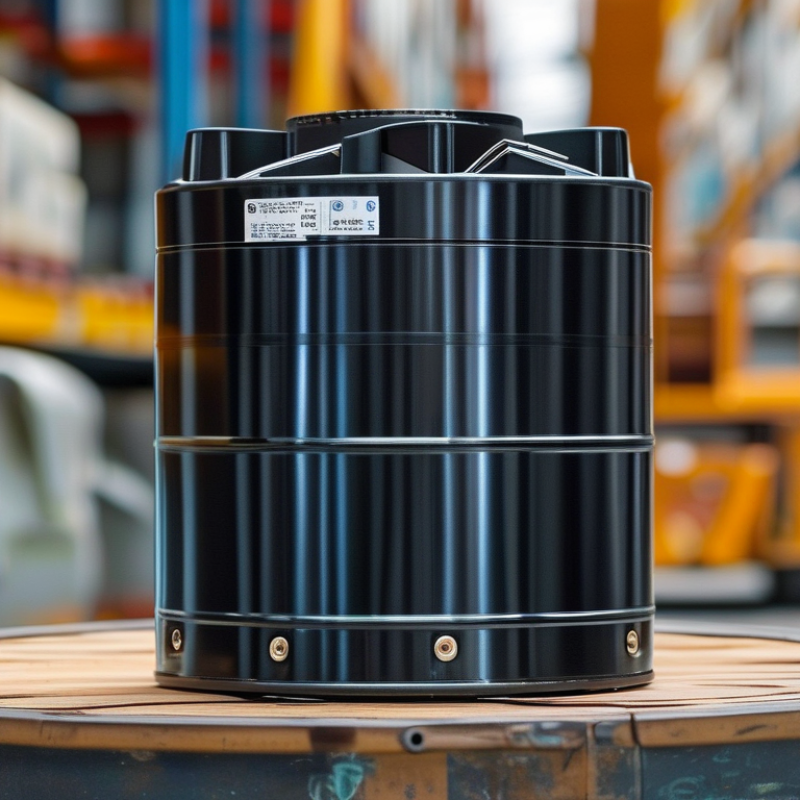
Deep cycle lithium batteries are crucial for various applications. They provide reliable power for renewable energy systems, electric vehicles, and mobile power devices. Unlike standard batteries, deep cycle batteries can discharge to a significant extent without damage. This feature makes them ideal for applications requiring sustained energy output.
When considering a deep cycle lithium battery, it is essential to evaluate your specific needs. Look at capacity, voltage, and cycle life. Capacities range from small units for portable devices to large systems for homes. Understanding these factors ensures you choose the right battery for your application.
**Tips:**
Before making a purchase, research battery specifications thoroughly. A well-informed choice can save money and improve performance. Pay attention to warranty and expected lifespan; both are indicators of reliability. Ensure proper charging equipment is available; it can extend battery life significantly.
This chart compares the capacities of various types of deep cycle lithium batteries suitable for different applications. The data showcases how the battery capacity varies in ampere-hours (Ah) across different categories commonly used in renewable energy systems, electric vehicles, and marine applications.
When purchasing lithium batteries in China, understanding key factors is essential. Battery quality varies significantly, so thorough research is vital. Look for suppliers with a solid reputation and verified certifications. Experienced importers suggest checking product reviews and past buyer feedback. This will help you avoid potential pitfalls.
Additionally, consider the technical specifications of the batteries. Key details include battery cycle life, discharge rates, and temperature tolerances. Each specification impacts performance in specific applications. If you overlook these, you may face reliability issues later.
Moreover, think about logistics and after-sales support. Communication with your supplier matters greatly. Queries should receive prompt responses to ensure that you feel supported throughout the purchasing process. Some importers report challenges with long shipping times. Anticipating these can help you manage expectations effectively.
| Factor | Description | Importance Level |
|---|---|---|
| Battery Capacity | The amount of energy a battery can store, measured in amp-hours (Ah). | High |
| Cycle Life | The number of charge and discharge cycles a battery can undergo before it degrades. | High |
| Safety Features | Protection against overcharge, short circuits, and thermal runaway. | Critical |
| Weight | The weight of the battery affects the overall application and portability. | Medium |
| Temperature Range | The temperature range within which the battery can operate effectively. | High |
| Warranty | The guarantee provided by manufacturers regarding battery performance and lifespan. | High |
| Certification | Certifications such as CE, UL, or RoHS that indicate safety and compliance. | Critical |
| Price | The cost of the batteries, which can vary significantly across manufacturers. | Medium |
When exploring deep cycle lithium batteries, identifying reliable manufacturers in China is crucial. The Chinese market has seen significant growth, driven by increased demand in renewable energy storage. According to a report by Grand View Research, the global lithium-ion battery market is projected to reach $129.3 billion by 2027, with a substantial share attributed to deep cycle batteries.
Several top manufacturers have emerged in this competitive landscape. They offer a range of products suitable for various applications, including solar energy storage and electric vehicles. Notably, the production process involves extensive quality control measures to ensure reliability and efficiency. Many companies are investing in advanced technologies, aiming for longer life cycles and improved energy density.
Tip: When selecting a supplier, assess their compliance with international quality standards. Check for certifications that reassure you of their product specifications and performance metrics.
Moreover, the evolving landscape poses challenges. As technology advances, manufacturers must adapt to changing customer needs. Failure to innovate can result in a loss of market share. Thus, continuous evaluation of industry trends is vital for importers.
Tip: Look for manufacturers who provide transparent information about their production methods and sustainability practices. This indicates a commitment to quality and responsibility.
When sourcing deep cycle lithium batteries from China, understanding quality standards and certifications is crucial. Batteries must comply with regional safety and performance regulations. For instance, UL certification is vital in North America. This stamp of approval ensures that the battery meets rigorous safety standards. In Europe, CE marking is essential for compliance with EU directives.
Industry reports indicate that up to 30% of batteries fail quality tests due to lack of proper certifications. This can lead to severe safety risks, affecting not just product reliability but also brand reputation. Proper documentation, such as ISO 9001, should also be verified. It signifies a commitment to quality management.
Misunderstandings in certification could lead to costly import issues. Many importers overlook local regulations, assuming compliance is universal. Different markets have specific requirements, and failing to meet these can invite penalties. Research shows that nearly 50% of returns stem from non-compliance. Thus, importers must prioritize thorough due diligence.
When importing lithium batteries into China, adhering to import regulations is crucial. The Global Battery Alliance reports that the lithium-ion battery market is expected to reach $90 billion by 2025. This explosive growth means regulations can change quickly. It's essential to stay updated on the latest import policies to avoid penalties or shipment delays.
Importers should know that lithium batteries are classified as dangerous goods. They must meet stringent safety standards. For instance, batteries should comply with UN 38.3 testing, which verifies their safety during transport. Failure to present these certifications can lead to confiscation at customs.
Documentation is key. Importers need to prepare a detailed declaration form, including the battery's composition and specifications. Inadequate paperwork will delay the process. Moreover, understanding tariff codes and potential import duties can impact the overall cost. For a smoother process, hiring a local customs broker familiar with current regulations is advisable. This step can save time and prevent unexpected challenges during the importation process.
: Research battery quality, supplier reputation, and technical specifications. Look for verified certifications and past buyer feedback.
Specifications like cycle life and discharge rates affect performance. Overlooking these can lead to reliability issues in applications.
Choose suppliers who respond promptly to queries. This support throughout the process enhances confidence in the purchase.
Some importers report long shipping times. Anticipating these delays helps manage your expectations effectively.
Lithium batteries are dangerous goods. They require compliance with safety standards like UN 38.3 testing during transport.
Proper documentation, including detailed declarations, is vital. Inadequate paperwork can cause delays and complications.
Yes, a local customs broker familiar with current regulations can save time and prevent unexpected challenges during importation.
Look for manufacturers with proven quality control and certifications. Transparency in production methods shows commitment to quality.
They must continually evaluate technology and customer needs. Failure to innovate may risk losing market share.
Consider how well they communicate and adapt to your needs. Assess their commitment to sustainability and quality practices.
When considering the purchase of Deep Cycle Lithium Batteries from China, it is essential to understand their unique applications and advantages. These batteries are designed for deep discharging and recharging, making them ideal for renewable energy systems, electric vehicles, and backup power solutions. Importers should evaluate key factors such as battery capacity, lifespan, and performance specifications to ensure they meet specific needs.
Moreover, it is crucial to be aware of the quality standards and certifications applicable to lithium batteries, as this ensures safety and reliability. Understanding import regulations and best practices will further facilitate a smooth procurement process. By considering these elements, importers can make informed decisions that enhance their operations and meet market demands effectively.
Grenergy