Choosing the right Lithium Iron Phosphate Battery can be challenging. It is essential to understand the specifications and applications. Lithium Iron Phosphate Batteries stand out due to their safety, longevity, and stability. They are increasingly popular in various industries, including renewable energy and electric vehicles. Selecting the wrong battery can lead to performance issues and safety concerns.
Different models and brands provide unique features. Knowing their discharge rates and capacity is crucial. Users often overlook these details, leading to mismatches in power needs. Think about your specific requirements. Will you use it for a home energy system or for an electronic device?
Researching trusted manufacturers enhances reliability. Not all Lithium Iron Phosphate Batteries are created equal. Some may have inconsistent performance. Seeking expert guidance can prevent costly mistakes and equip you with vital knowledge. It's a complex decision, but making an informed choice is invaluable. Battery technology evolves, and awareness ensures you select the best option for your needs.
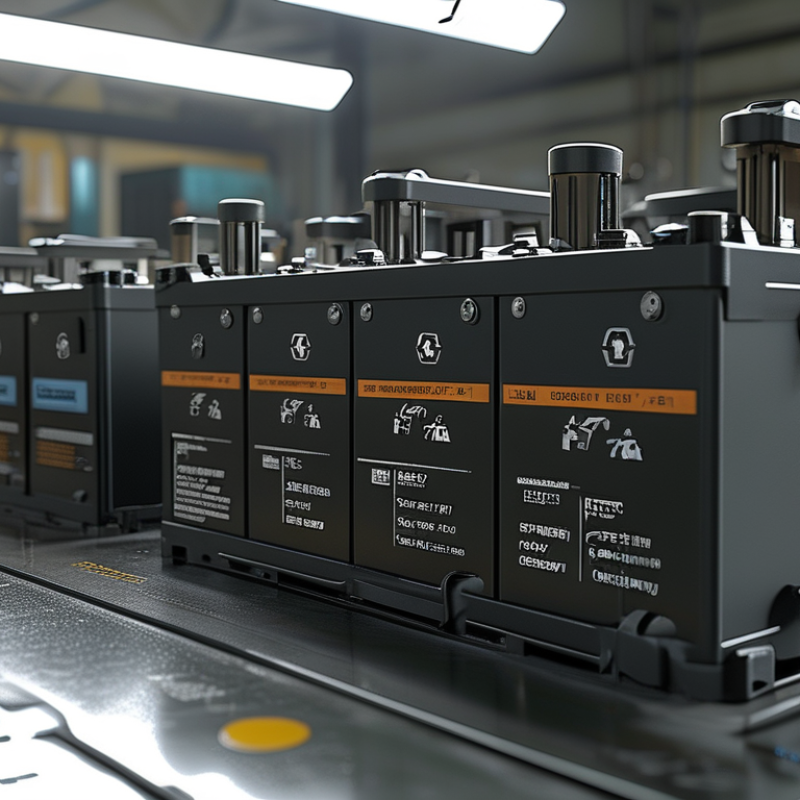
Understanding Lithium Iron Phosphate Battery Basics and Benefits
Lithium Iron Phosphate (LiFePO4) batteries are becoming increasingly popular due to their safety and longevity. They typically have a lifespan of 2,000 to 5,000 cycles, making them a cost-effective choice in the long run. In terms of performance, they operate efficiently in a wide temperature range, from -20 to 60 degrees Celsius. This versatility is particularly valuable in various applications, such as electric vehicles and renewable energy systems.
When choosing the right LiFePO4 battery, consider capacity and discharge rate. A higher capacity means longer usage time before recharging. The discharge rate impacts the battery's ability to deliver power quickly. According to industry reports, batteries meeting a discharge rate of 1C or higher are optimal for high-demand applications.
Tips: Ensure that the battery's voltage matches your device requirements. Additionally, consider the weight, especially for applications where portability is key. Always review safety ratings and certifications to ensure reliability. Remember, not all LiFePO4 batteries are created equal; variations in quality can influence performance. Thorough research can prevent costly mistakes.
Key Factors to Consider When Selecting a Lithium Iron Phosphate Battery
When selecting a lithium iron phosphate (LiFePO4) battery, several critical factors come into play. Consider the battery’s energy density and cycle life. Studies show that LiFePO4 batteries typically offer a lower energy density compared to other lithium chemistries but excel in cycle life. For instance, many LiFePO4 batteries deliver over 2,000 cycles compared to only 500-1,000 for lithium polymer options.
Another important aspect is the discharge rate. This indicates how quickly the battery can release energy. A battery suited for high-drain applications should have a higher C-rate. For example, batteries with a C-rate of 1C can discharge completely in one hour. It’s essential to match the battery's specifications to your application’s needs. This helps in maintaining efficiency and longevity.
Tips: Check for certifications. Reliable batteries often come with safety certifications from recognized bodies. Also, assess the weight and size of the battery. These factors affect portability and installation.
Compatibility with the charging system is another consideration. Using a mismatched charger can reduce battery life. In this rapidly evolving field, staying informed is vital. The latest advancements can significantly influence performance and safety.
Evaluating Cost-Effectiveness of Lithium Iron Phosphate Batteries
When assessing the cost-effectiveness of lithium iron phosphate (LiFePO4) batteries, several factors emerge. Data indicates these batteries often cost between $300 and $700 per kilowatt-hour. This upfront cost may deter some buyers. However, their lifespan typically exceeds 2,000 charge cycles. In contrast, traditional lead-acid batteries might only last about 500 cycles. This longevity can lead to significant long-term savings.
Maintenance is another element to consider. LiFePO4 batteries require less maintenance compared to other battery types. This can reduce ongoing expenses associated with upkeep. A report from the International Energy Agency (IEA) highlights that the total cost of ownership can sometimes justify the initial investment. Users might recoup costs within 5 years, especially in applications like solar energy storage.
It's also important to examine performance metrics. The energy density of LiFePO4 batteries is around 120-160 Wh/kg. While this is less than lithium-ion batteries, it offers stable discharge and charging rates. These characteristics enhance reliability and safety. Nevertheless, some users may find the initial investment challenging. Cost-effectiveness must be carefully analyzed on a case-by-case basis, balancing upfront costs and potential savings.
Comparing Lifespan and Cycle Life in Lithium Iron Phosphate Batteries
When selecting a lithium iron phosphate (LiFePO4) battery, it’s crucial to understand lifespan and cycle life. Lifespan refers to how long the battery can function effectively, while cycle life involves the number of complete charge and discharge cycles it can undergo before significant capacity loss occurs.
Typically, LiFePO4 batteries can last between 2,000 to 7,000 cycles, significantly outpacing other lithium battery types. However, not all batteries are created equal. Variations in manufacturing quality can impact their actual performance. Some cheaper models may promise high cycle life but fail to deliver in real-world use.
Heat management and discharge rates impact battery longevity. Operating a battery at extreme temperatures or at excessive discharge rates can shorten its lifespan. Observing these factors is essential for maximizing performance. It’s important to balance cost and quality when selecting batteries. After all, investing in a well-constructed product often pays off in the long run. Making decisions based on thorough research will yield better outcomes in battery selection.
Comparing Lifespan and Cycle Life in Lithium Iron Phosphate Batteries
Safety Standards and Certifications for Lithium Iron Phosphate Batteries
When selecting a lithium iron phosphate (LiFePO4) battery, understanding safety standards is crucial. According to the Battery Safety Standard Committee, adherence to specific safety certifications decreases the risk of battery failures. These certifications, such as UL 2054 and IEC 62133, ensure batteries withstand extreme conditions. Recent reports show that compliant batteries have a 30% lower failure rate than those without certifications.
Evaluating safety standards involves checking for thermal runaway tests. These tests determine how batteries react under overheating situations. Data from the International Electrotechnical Commission indicates that certified LiFePO4 batteries endure higher thermal thresholds. In real-world applications, such certifications can result in lower insurance premiums for installers and users.
While standard-compliant batteries are more reliable, they often come at a higher price. Some users may prioritize cost over certification. However, incidents of battery failures often stem from skipping these essential safety checks. For instance, a 2022 study outlined that 15% of incidents occurred with non-certified models. Buyers must weigh the importance of safety against budget constraints for optimal choices.
FAQS
: LiFePO4 batteries generally have lower energy density compared to other lithium types.
Most LiFePO4 batteries offer between 2,000 to 7,000 cycles.
The discharge rate shows how quickly a battery can release energy.
A C-rate of 1C can discharge a battery completely in one hour.
These factors affect portability and the ease of installation.
A mismatched charger can significantly reduce the battery's lifespan.
Heat management and discharge rates have a major impact on longevity.
Safety certifications ensure reliability and adherence to safety standards.
Yes, but they may not deliver expected performance in real-world conditions.
It's essential to balance cost and quality for better long-term outcomes.
Conclusion
Choosing the right Lithium Iron Phosphate Battery involves understanding its basic features and benefits, such as enhanced safety, longer lifespan, and environmental advantages. When selecting a battery, it’s crucial to consider key factors, including capacity, discharge rates, and operational environment.
Evaluating the cost-effectiveness of Lithium Iron Phosphate Batteries can reveal their value over time, especially when assessing factors like lifespan and cycle life. Additionally, ensuring that the batteries meet safety standards and certifications is essential to guarantee reliability and performance. By weighing these aspects, users can make informed decisions when selecting Lithium Iron Phosphate Batteries for their specific needs.

 Grenergy