Choosing the best Off Grid Solar Battery begins with a practical question: what must your system power after sunset?
A remote cabin may need energy for LED lights, refrigeration, water pumps, and communications. A family home may also require heating, cooking, and backup power. These loads create very different battery requirements. Size matters. A battery that works well for weekend use may fail during several cloudy days.
The International Energy Agency reported in Batteries and Secure Energy Transitions (2024) that global battery storage capacity must expand sixfold by 2030 to support clean-energy targets. This growth reflects rising demand for reliable storage, not merely falling equipment prices. BloombergNEF reported average lithium-ion battery pack prices of $115 per kilowatt-hour in 2024, although residential system costs remain higher after inverters, installation, controls, and safety equipment.
Technical details deserve careful attention. Compare usable capacity, not only the advertised battery size. Check the recommended depth of discharge, round-trip efficiency, cycle warranty, continuous power rating, and surge capacity. Lithium iron phosphate chemistry, or LFP, often offers strong cycle life and thermal stability for home storage. However, cold temperatures can reduce charging performance. Temperature matters.
The best Off Grid Solar Battery must match your solar array, inverter, daily consumption, and backup goals. Oversizing wastes money. Undersizing creates frequent shutdowns and faster degradation. A reliable choice should include clear warranty terms, certified protection systems, remote monitoring, and accessible service support.
There is no perfect choice. Even a careful calculation can miss future loads, unusual weather, or battery aging. Review real consumption data, allow a modest reserve, and verify every specification before purchase.
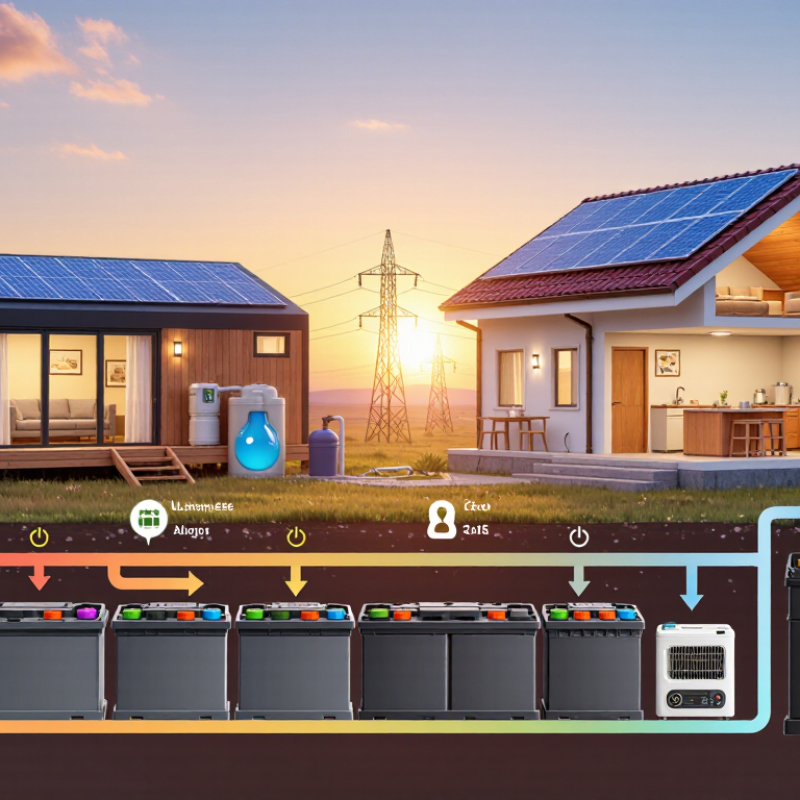
Choosing an off-grid solar battery starts with your daily energy story, not a catalogue. Write down every appliance you use, including lights, refrigeration, pumps, tools, and communication devices. Record each appliance’s wattage and operating time for several days. Actual use often differs from the label.
I once underestimated a small water pump because I counted its running power but ignored its starting surge. The inverter struggled, and the battery drained faster than expected. Small errors matter. Note both continuous and surge demand. Then calculate daily watt-hours and identify essential loads during cloudy weather. A medical device, refrigerator, or well pump usually deserves priority over entertainment equipment.
Your usage pattern also changes with seasons. Winter may bring shorter sunlight hours, colder temperatures, and more lighting. Track energy use during the hardest month, not only on a bright weekend. Decide how many backup days you need without meaningful solar input. Two or three days may suit a cautious household, while a workshop may require more storage or a backup generator.
When comparing batteries, estimate usable capacity rather than relying on the nominal figure. Multiply rated capacity by the permitted depth of discharge and system efficiency. Leave room for aging, temperature effects, and imperfect weather forecasts. Keep a simple energy log after installation. It may expose habits you never noticed, such as a heater running overnight.
Lead-acid batteries cost less but are heavy and usually provide about 50% usable capacity. They also need ventilation. Charging may release gas. Lithium iron phosphate batteries commonly offer 3,000 to 6,000 cycles and 80–90% usable capacity. They are lighter and handle frequent cycling better. Nickel manganese cobalt batteries save space but need closer thermal management.
Look for overcharge, short-circuit, over-temperature, and over-discharge protection. A correctly sized fuse should sit close to the battery. Keep cables short, secure, and dry. Small details matter. The battery management system should monitor voltage, temperature, and current.
Start with measured energy use, not the advertised battery size. A 60-watt refrigerator running eight hours uses about 480 watt-hours. Add lights, pumps, communication devices, and standby equipment. Then include inverter losses and the battery’s usable discharge limit. My estimates have missed evening loads before.
Decide how many sunless days the system must handle. For 4,000 watt-hours daily and two reserve days, begin with 8,000 watt-hours. Adjust for temperature, inverter losses, and discharge limits. Keep essential circuits separate from optional loads. Cloudy weeks are unforgiving.
Yes, reserve energy for medical equipment, water pressure, and communication. A 20–30% reserve is common, but local weather and repair access matter more. Move laundry or water heating into sunny hours when possible. Check actual consumption for several weeks. One calculation is rarely perfect.
Confirm matching voltage ranges before connecting the equipment. Check continuous current, surge capacity, cable size, and protection requirements. A refrigerator can briefly demand several times its running power. Voltage alone is not enough. Connector types and current limits can still cause problems.
The charge controller must accept the panels’ maximum voltage and current. Check performance during cold, bright mornings. A small battery may fill quickly but fail overnight. A large battery may remain undercharged during cloudy periods. Panel size does not determine battery size by itself.
Some lithium batteries must stop charging below freezing. Confirm the battery’s temperature limits and charging controls. Place sensors where they can detect actual battery temperature. Do not assume an insulated enclosure solves everything. Cold nights can reduce performance unexpectedly.
The battery management system should communicate with the inverter or charge controller. This connection can control charging, shutdown limits, and low-temperature protection. Without it, manual settings may be rough. The system might work initially. That does not prove reliability.
Choosing the best Off Grid Solar Battery starts with understanding your household’s energy needs, daily usage patterns, and backup expectations. Estimate how much electricity you use, when demand is highest, and how many days of reserve power you require during cloudy weather. Then compare battery chemistries based on lifespan, usable capacity, charging efficiency, safety features, and performance in your local environment.
The battery should be properly sized to work with your solar panels, inverter, charge controller, and monitoring system. Consider both the initial installation cost and long-term expenses, including maintenance, replacement intervals, and efficiency losses. A reliable choice should provide enough stored energy without unnecessary oversizing, while offering stable performance and safe operation. By balancing capacity, compatibility, durability, safety, and total ownership value, you can select an energy storage solution that supports dependable off-grid living for many years.

 Grenergy