Choosing the China best Off Grid Battery Bank requires more than comparing prices or advertised capacity. A dependable system must match your daily energy use, climate, charging sources, and installation conditions. A cabin in northern China may need stronger cold-weather performance, while a coastal home may demand better corrosion protection. The right battery is not always the largest one.
Start with an honest energy audit. Record the wattage and running hours of refrigerators, pumps, lights, communication devices, and other essential loads. Add a practical reserve for cloudy days, but avoid excessive oversizing. It increases cost and may leave the batteries underused. That mistake is easy to make.
Battery chemistry also matters. Lithium iron phosphate batteries often offer long cycle life, stable operation, and useful depth of discharge. Lead-acid batteries can cost less initially, but they usually require more maintenance and careful ventilation. Confirm the battery’s usable capacity, cycle testing method, operating temperature range, and warranty conditions. Ask whether replacement parts and technical support are realistically available.
A reliable supplier should provide clear datasheets, traceable certifications, safety protections, and installation guidance. Check communication compatibility with your inverter and charge controller. A beautiful specification sheet is not enough. Field experience matters more.
This guide examines how to compare Chinese manufacturers, evaluate safety, estimate real-world performance, and identify hidden ownership costs. Some recommendations may need adjustment after site testing. That is normal. An Off Grid Battery Bank should be selected through measured demand, verified evidence, and careful planning—not excitement over the lowest quotation.
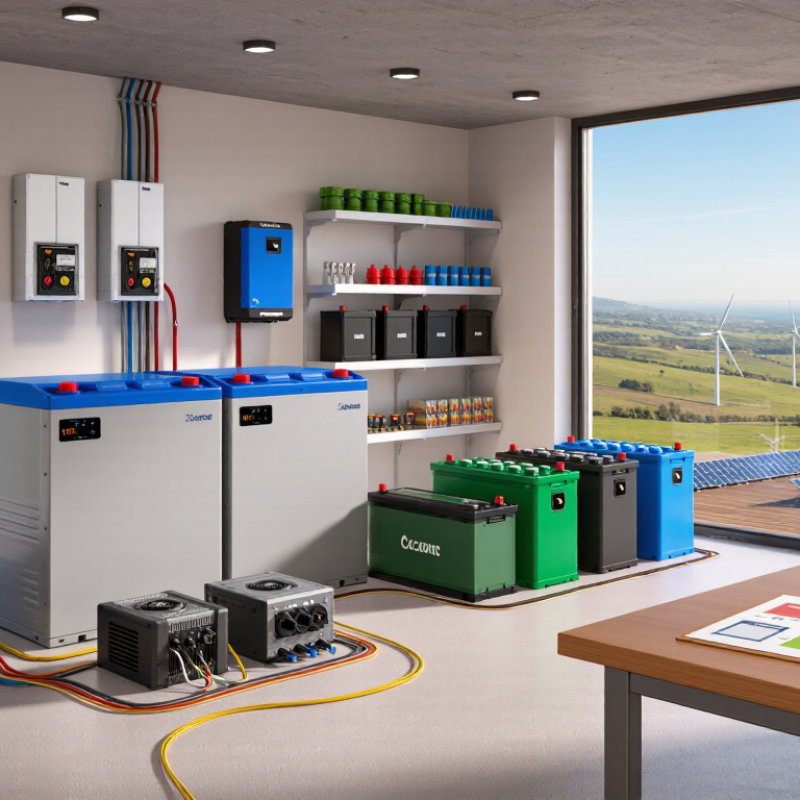
How to Choose the China Best Off Grid Battery Bank?
Define your off-grid energy requirements before comparing battery banks. Record every appliance, its wattage, operating hours, and daily frequency. Include refrigerators, water pumps, lights, communication equipment, and tools. Separate essential loads from occasional comforts. A refrigerator may use less energy than its label suggests, but startup power can be much higher. Measure real consumption with a plug-in meter when possible. Then calculate daily watt-hours and add a 20–30% reserve for losses, cold weather, and unexpected use. Do not rely on one sunny week. Seasonal demand matters.
Battery capacity should match your energy use, autonomy target, usable depth of discharge, and system efficiency. For example, a home using 3 kWh daily for two days needs more than 6 kWh of rated storage. With 80% usable capacity and 90% system efficiency, the requirement becomes about 8.3 kWh. Check continuous output and surge power separately. A battery bank may store enough energy but still fail when a pump starts. Installation temperature, ventilation, maintenance access, and future expansion also deserve attention. A tidy spreadsheet can still contain poor assumptions.
Tips: Keep a seven-day usage log. Note cloudy days, evening cooking, and pump cycles. Recheck your estimates after one month. Real behavior often changes the design.
| Load Category | Typical Quantity | Rated Power per Unit | Estimated Daily Operating Time | Daily Energy Use | Planning Notes |
|---|---|---|---|---|---|
| Step 1: Build a Realistic Daily Energy Profile | |||||
| LED lighting | 8 | 9 W | 5 hours/day | 360 Wh/day | Low-power lighting should be listed by room and actual evening use. |
| Refrigerator | 1 | 70 W average running equivalent | 10 hours/day equivalent | 700 Wh/day | Actual consumption varies with size, ambient temperature, thermostat setting, and door-opening frequency. |
| Internet router and network equipment | 1 | 12 W | 24 hours/day | 288 Wh/day | Continuous loads can materially affect battery sizing even when their wattage is small. |
| Laptop computer | 1 | 60 W | 4 hours/day | 240 Wh/day | Use the computer’s measured input power when available. |
| Mobile-phone charging | 3 | 10 W | 2 hours/day | 60 Wh/day | Charging losses are included later through the inverter-efficiency allowance. |
| Television | 1 | 100 W | 3 hours/day | 300 Wh/day | Actual power depends on screen size, brightness, and operating mode. |
| Water pump | 1 | 250 W | 0.5 hour/day | 125 Wh/day | Motor-driven loads require additional inverter surge capacity during startup. |
| Electric fans | 2 | 45 W | 6 hours/day | 540 Wh/day | Seasonal cooling loads should be calculated separately for summer conditions. |
| Small kitchen appliance | 1 | 1,000 W | 0.25 hour/day | 250 Wh/day | High-power appliances may dominate inverter selection despite short operating periods. |
| Standby and control equipment | 1 | 20 W | 24 hours/day | 480 Wh/day | Include monitoring devices, control systems, chargers, and other always-on equipment. |
| Estimated daily load before planning reserve | 3,343 Wh/day | Approximately 3.34 kWh/day | |||
| Daily design energy with 15% usage uncertainty and future-load reserve | 3,844 Wh/day | 3,343 Wh × 1.15 | |||
| Step 2: Convert Energy Requirements into Battery-Bank Capacity | |||||
| Sizing Parameter | Example Value | Reason for Including It | |||
| Required autonomy | 2 days | Provides energy during periods of limited solar or other renewable generation. | |||
| Maximum recommended battery depth of discharge | 80% | Leaves approximately 20% state of charge as a reserve and helps reduce excessive cycling stress. The allowable value depends on battery chemistry and manufacturer specifications. | |||
| Inverter and conversion efficiency allowance | 90% | Accounts for inverter, wiring, charging, and conversion losses. Actual system efficiency should be verified through testing or equipment specifications. | |||
| Required nominal battery energy | 10,679 Wh | 3,844 Wh/day × 2 days ÷ 0.80 ÷ 0.90 | |||
| Step 3: Compare Practical Battery-Bank Configurations | |||||
| System Voltage | Calculated Capacity | Practical Selection | Design Implication | ||
| 12 V | Approximately 890 Ah | 12 V, 900 Ah nominal bank | Suitable mainly for smaller systems; very high current is required for larger loads. | ||
| 24 V | Approximately 445 Ah | 24 V, 450 Ah nominal bank | Reduces current compared with a 12 V system and may suit medium-sized installations. | ||
| 48 V | Approximately 223 Ah | 48 V, 230 Ah nominal bank | A practical configuration for this example because higher voltage reduces DC current and cable size requirements. | ||
| Step 4: Check Power and Surge Requirements Separately from Energy Capacity | |||||
| Estimated simultaneous continuous demand | Approximately 1.5–2.0 kW | Battery kWh determines runtime; inverter kW determines whether loads can operate at the same time. | |||
| Estimated motor and appliance startup demand | Approximately 2.5–3.0 kW potential surge | Refrigerators and pumps can draw several times their running power briefly during startup. Confirm actual starting current before final inverter selection. | |||
| Recommended planning approach | Use measured data where possible | Replace estimates with readings from a plug-in power meter, smart meter, inverter monitor, or appliance specifications. | |||
| Key Selection Checks Before Ordering an Off-Grid Battery Bank | |||||
| Energy capacity | Select enough nominal kWh for the daily load, required autonomy, permitted depth of discharge, system losses, and a reasonable future-load reserve. | ||||
| Power capability | Verify continuous and peak discharge ratings against the inverter, pumps, refrigerators, power tools, and other high-starting-current loads. | ||||
| Operating temperature | Confirm the battery’s charging and discharging temperature limits and provide suitable ventilation, insulation, or thermal management where required. | ||||
| Cycle-life basis | Compare cycle-life figures at the same depth of discharge, temperature, charge rate, and end-of-life capacity threshold. | ||||
| System compatibility | Check voltage range, charge current, battery-management-system communication, protection devices, cable sizing, and inverter compatibility. | ||||
Lithium iron phosphate offers strong thermal stability and deep usable capacity. It still needs protection. Its management system should monitor voltage, temperature, and cell balance. Safety is never automatic.
No. Nickel-manganese-cobalt batteries store more energy in smaller spaces. However, they require stricter thermal management. A remote cabin may value predictable safety more than compact size.
They may perform well in cold weather. However, capacity, supplier testing, and long-term field data can vary. Check independent test information before choosing one.
They can be practical when the purchase budget is tight. Flooded types need ventilation, water checks, and careful charging. Sealed types need less maintenance but dislike deep discharge. Their usable capacity may be much lower than the label suggests.
Measure daily watt-hours, peak loads, cloudy-day autonomy, and winter temperatures. Compare usable kilowatt-hours, not advertised capacity alone. A 10-kilowatt-hour battery may deliver less after discharge limits and inverter losses.
Match the battery voltage with the inverter and charge controller. Confirm continuous current, peak current, usable capacity, and communication requirements. Check cable size, terminal design, polarity, and enclosure space. A small mismatch can create heat or shutdowns.
Place the battery on a dry, stable surface. Keep it away from flooding and direct sunlight. Leave room for airflow and future service. Label every cable. Inspect terminals for looseness or corrosion. A monitoring screen cannot replace physical inspection.
Include freight, import fees, installation, cables, protection equipment, and monitoring hardware. Also consider maintenance visits, software fees, losses, replacement, and recycling. Calculate cost per usable kilowatt-hour over the expected service life. I may underestimate seasonal costs, especially winter heating demand.
Check covered years, cycle limits, retained capacity, and operating temperature ranges. Confirm whether labor, shipping, diagnosis, and installation are included. Ask whether regular reports or approved installation records are required. Get written answers. Vague promises can become expensive later.
Choosing the right Off Grid Battery Bank starts with a clear understanding of your energy needs, daily consumption, peak loads, and expected backup duration. Assess how much power your appliances require and whether your system must support seasonal changes or future expansion. Next, compare battery chemistries by considering safety, usable capacity, charging efficiency, cycle life, operating temperature, and maintenance requirements. These factors will help you select a reliable storage solution that matches your living or working environment.
When evaluating Chinese battery manufacturers, examine product specifications, quality-control procedures, testing documentation, certifications, and customer support capabilities. Confirm that the battery is compatible with your inverter, solar charge controller, communication system, and installation conditions. Also review ventilation, monitoring, maintenance, and replacement requirements before purchase. Finally, calculate the complete cost, including shipping, installation, accessories, maintenance, and possible replacements. A clear warranty, responsive technical support, and strong long-term performance are essential for determining the true value of your Off Grid Battery Bank.

 Grenergy