Top 10 Solar Battery Banks for Home Backup?

Time:2026-10-20 Author:Liam
0%

Reliable home backup power is no longer reserved for remote cabins or large properties. A Solar Battery Bank can keep essential devices running when storms, wildfires, or grid failures interrupt electricity. It may power a refrigerator, medical equipment, internet router, lights, or a small heating system. However, capacity ratings can look impressive while practical runtime remains limited.

This guide examines ten leading solar battery banks for home backup. Each option is considered through usable capacity, continuous output, surge performance, charging speed, battery chemistry, portability, noise, and warranty support. Installation requirements also matter. A powerful unit may still disappoint if its solar input is slow or its inverter cannot handle starting a refrigerator compressor. Safety certifications and clear manufacturer documentation deserve equal attention.

Real households rarely use power in perfect conditions. Cloud cover reduces solar charging. Cold temperatures can affect battery performance. Some models advertise expandable storage, but added modules increase cost and installation complexity. That detail is easy to overlook. The selections below balance everyday usability with emergency resilience, while recognizing that no battery suits every home. Readers should check local electrical requirements, compare appliance wattages, and confirm professional installation needs before purchasing. Prices and specifications can change, so current manufacturer information should guide the final decision. Even careful comparisons have limits. Your climate, roof exposure, outage pattern, and essential loads may produce a different winner.
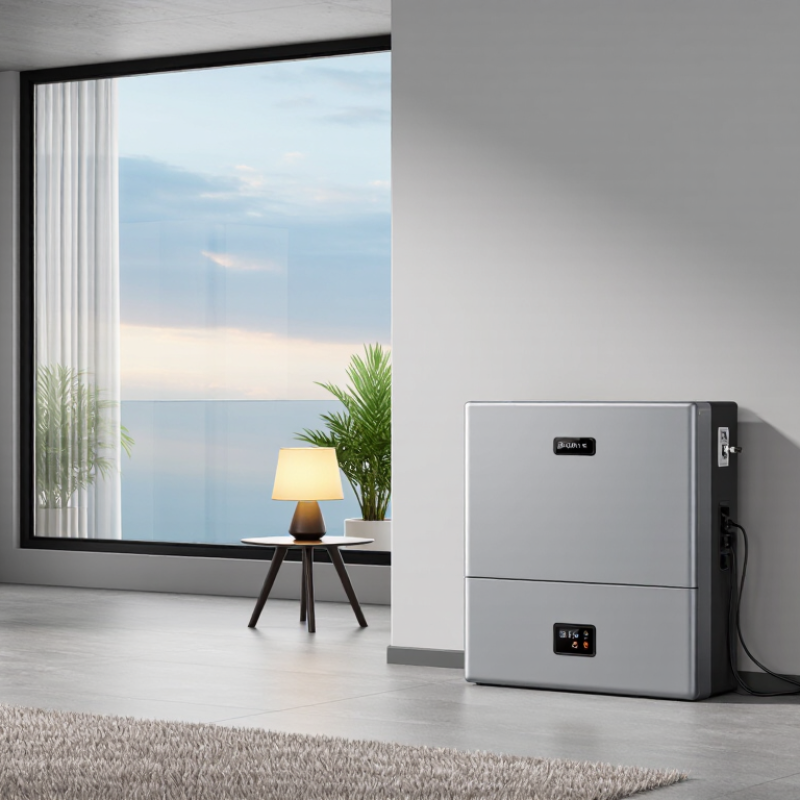
Top 10 Solar Battery Banks for Home Backup?

Understanding Solar Battery Banks for Home Backup

Understanding Solar Battery Banks for Home Backup

A solar battery bank stores electricity from rooftop panels for later household use. During daylight, panels may power appliances while charging the battery. At night, stored energy can run selected circuits or the whole home. Capacity is measured in kilowatt-hours, while output is measured in kilowatts. That difference matters. A battery may store plenty of energy but struggle to start a well pump or air conditioner.

Choosing a suitable system requires more than comparing storage numbers. List essential loads, such as a refrigerator, internet equipment, medical devices, lights, and a small heating unit. Estimate their running watts and starting surges. In practical home assessments, this step often reveals unrealistic expectations. A modest battery can support essentials for several hours, but extended cloudy weather changes the calculation. Battery chemistry, temperature limits, cycle life, safety controls, and warranty terms also deserve careful review.

Installation details affect reliability. The battery should stand in a dry, protected area with suitable ventilation and clear access. An approved transfer system can separate backup circuits from the utility supply. During an outage, a quiet refrigerator may consume less power than expected, while a water heater can drain a battery quickly. Monitoring software helps track charging and daily consumption. It is easy to oversize a system after one stressful outage, yet undersizing can be equally frustrating. A careful plan still includes uncertainty.

Top 10 Solar Battery Banks for Home Backup

This comparison uses common residential battery storage configurations from 5 to 30 kWh. Usable energy is estimated at 90% of nominal capacity, reflecting a typical depth-of-discharge assumption. Backup hours are calculated for a continuous household load of 1.5 kW; actual runtime varies with appliances, inverter efficiency, temperature, and battery settings.

Key Criteria for Comparing Capacity, Output, and Lifespan

Choosing among the top solar battery banks for home backup requires more than reading the largest capacity number. Compare usable capacity, not only the advertised total. A 10 kWh battery may provide less after reserve limits and conversion losses. For a practical test, list essential loads, such as a refrigerator, router, lights, and medical equipment. Estimate their watt-hours over twelve hours. Keep extra capacity for cloudy weather.

Output ratings need equal attention. Continuous output shows what the battery can run steadily. Surge output handles short starting demands from compressors or pumps. A refrigerator may use modest power while operating, then draw much more briefly. Check both ratings against your appliances. A battery that stores enough energy may still shut down when several devices start together. That difference is easy to miss.

Lifespan depends on more than cycle count. Depth of discharge, heat, charging speed, and storage conditions all matter. A system rated for 4,000 cycles may last longer when used gently. Look for clear testing methods, temperature ranges, and warranty limits. Place the unit in a dry, ventilated area, not beside a heater. During a home assessment, I would also measure real nighttime consumption rather than trust estimates. My own calculations can be imperfect, especially when standby loads remain hidden. A simple plug meter often reveals surprising waste.

Top 10 Solar Battery Banks by Features and Backup Performance

The top 10 solar battery banks should be judged by backup performance, not impressive capacity alone. A practical ranking considers usable energy, continuous output, surge handling, recharge speed, and safety controls. A 1,000-watt-hour unit may run a router, lights, and a small refrigerator for several hours. Actual results depend on startup demand and battery age.

The strongest ten options generally include compact lithium iron phosphate systems, modular home batteries, high-output emergency units, and solar generators with expandable storage. The best performers offer clean sine-wave power, multiple charging inputs, and app-free controls. Fast solar charging matters during cloudy weather. A clear display also helps track remaining energy without guessing. Quiet operation is valuable at night. It should not sound like a workshop.

For reliability, examine cycle-life testing, warranty terms, thermal protection, and independently verified capacity. A battery claiming 2,000 watt-hours may deliver less after conversion losses. That detail is easy to miss. I would also check transfer time before connecting sensitive equipment. Some systems switch quickly, while others briefly interrupt power. No ranking is perfect. Household loads change, and published performance rarely matches every home. My preferred choice would balance safe chemistry, useful output, repair support, and honest specifications rather than the largest number on the box.

Safety, Installation, Maintenance, and Emergency Readiness

Choosing among the top ten solar battery banks requires more than comparing capacity. Safety should guide every decision. Check for certified protection against overcharging, overheating, short circuits, and deep discharge. Keep the unit away from curtains, fuel, standing water, and children. A cool, dry utility area is safer than a crowded garage corner.

Installation needs careful planning. An electrician should confirm inverter compatibility, cable sizing, grounding, and the home’s maximum load. Leave clear access around the battery for inspection and airflow. Never connect unfamiliar equipment by guesswork. One small wiring mistake can damage expensive components or create a fire risk. I would also label the shutoff switch clearly, because emergencies are poor times for detective work.

Maintenance is usually simple, but it is not optional. Inspect cables for cracks, check terminals for corrosion, and review warning lights monthly. Keep firmware current when the manufacturer permits it. Test essential circuits during a planned outage, including lights, refrigeration, medical equipment, and internet devices. Do not assume a full display means dependable backup. Capacity can decline quietly. Store emergency contact details nearby, and keep a suitable fire extinguisher accessible. I once underestimated how quickly a refrigerator and pump could drain a modest battery. That mistake changed my load priorities.

How to Choose the Right Solar Battery Bank for Your Home

Choosing among the top 10 solar battery banks requires more than comparing storage capacity. Start with your actual evening load. A refrigerator, router, lights, and medical equipment may need 5–10 kWh overnight. The International Energy Agency reports that global battery storage capacity must expand from about 85 GW in 2023 to 1,200 GW by 2030. That growth highlights battery storage’s importance, but it does not guarantee every system suits your home.

Check usable capacity, continuous output, surge power, and round-trip efficiency. A battery rated at 10 kWh may deliver less after reserve settings and conversion losses. NREL’s residential storage cost benchmarks also show that installation, electrical upgrades, and labor can significantly affect total cost. Ask for a complete, itemized quote. Do not compare hardware prices alone. A practical system should match your solar array, inverter, local outage patterns, and daily consumption. The U.S. Energy Information Administration tracks growing battery deployment, yet household performance still depends heavily on temperature, maintenance, and installation quality. Cold garages can reduce available energy. I have seen buyers overestimate backup time by ignoring starting surges from pumps or compressors. That mistake is easy to repeat. Review warranty terms, fire-safety certifications, monitoring access, and end-of-life support before choosing. The cheapest option may become expensive when capacity fades faster than expected.

FAQS

What is a solar battery bank used for?

It stores daytime solar electricity for later household use. At night, it can power selected circuits or the whole home. Power needs vary.

How much battery capacity might a home need overnight?

A refrigerator, router, lights, and medical equipment may use 5–10 kilowatt-hours overnight. Actual use depends on weather, habits, and equipment efficiency.

What is the difference between capacity and output?

Capacity measures stored energy in kilowatt-hours. Output measures delivered power in kilowatts. A battery can store enough energy but still struggle with a pump.

Which household appliances should be included in planning?

List essential loads, including refrigeration, internet equipment, medical devices, lights, and heating. Record running watts and starting surges. Do not guess casually.

Can a solar battery run the entire home during an outage?

It might, but large appliances can drain energy quickly. Water heaters, air conditioners, and pumps often require substantial power. Essential circuits are usually more realistic.

How does cloudy weather affect backup time?

Several cloudy days reduce solar charging. A modest battery may support essentials for several hours, not several days. That limitation matters.

Where should a home battery be installed?

Choose a dry, protected area with suitable ventilation and clear access. Temperature matters. A cold garage can reduce available energy.

What costs should be included in a battery quote?

Request an itemized quote covering hardware, installation, labor, electrical upgrades, and controls. Hardware price alone can mislead. I would question vague estimates.

Which technical details deserve careful review?

Check usable capacity, continuous output, surge power, efficiency, temperature limits, cycle life, and safety certifications. Review warranty and end-of-life support, too.

How can homeowners avoid overestimating backup performance?

Monitor daily consumption and test important circuits before an outage. Include compressor and pump surges. My earlier assumption might fail without measured data.

Conclusion

Choosing the right Solar Battery Bank can make home backup power more reliable, efficient, and easier to manage during outages. This guide explains how solar battery banks store and deliver energy, then compares the key factors that affect performance, including usable capacity, continuous and surge output, charging efficiency, expected lifespan, and compatibility with a home solar system. It also presents ten leading options by practical features and backup capability without focusing on brand names.

The guide further covers safe installation, ventilation, monitoring, routine maintenance, and emergency preparedness to help homeowners use stored energy responsibly. Finally, it offers a practical framework for selecting a suitable system based on household electricity needs, critical appliances, available solar generation, installation space, budget, and desired backup duration. By understanding these considerations, readers can choose a dependable energy storage solution that supports everyday efficiency and greater resilience during power interruptions.


Liam

Liam

Liam is a dedicated marketing professional with a profound expertise in the industry, where he excels at highlighting the unique advantages of our core products. With a keen understanding of market trends and consumer needs, Liam frequently updates our company’s professional blog, providing......