Solar Battery Storage is moving from a specialist purchase to a central energy decision. China has become a major manufacturing hub for cells, battery packs, inverters, and integrated storage systems. This position gives buyers broad choice, but it also creates difficult comparisons.
The International Energy Agency reported that battery storage additions nearly quadrupled worldwide in 2023. Its Electricity 2024 analysis also identified batteries as essential for integrating more solar and wind power. BloombergNEF’s 2024 Global Energy Storage Outlook expects strong growth through 2030, although prices, supply chains, and project economics may change quickly. Figures matter. They never tell the whole story.
Jason Burwen, a former chief executive of the U.S. Energy Storage Association, described energy storage as “the Swiss Army knife of the clean energy transition.” That practical image fits today’s market. A reliable system must respond during evening peaks, protect usable capacity, and operate safely inside a hot equipment room.
This guide examines China’s best Solar Battery Storage manufacturers through measurable criteria. These include cell chemistry, cycle life, round-trip efficiency, warranty terms, certification, software quality, and after-sales support. Factory scale matters. Field experience matters more.
Manufacturers may publish impressive laboratory results. Real projects can perform differently. Buyers should request verified test reports, degradation assumptions, and references from comparable installations. Independent certification and transparent warranty conditions deserve careful attention.
No supplier is perfect. Some companies offer stronger pricing, while others provide better controls or global service. The best choice depends on climate, grid conditions, application, and maintenance capability. That is where careful evaluation begins.
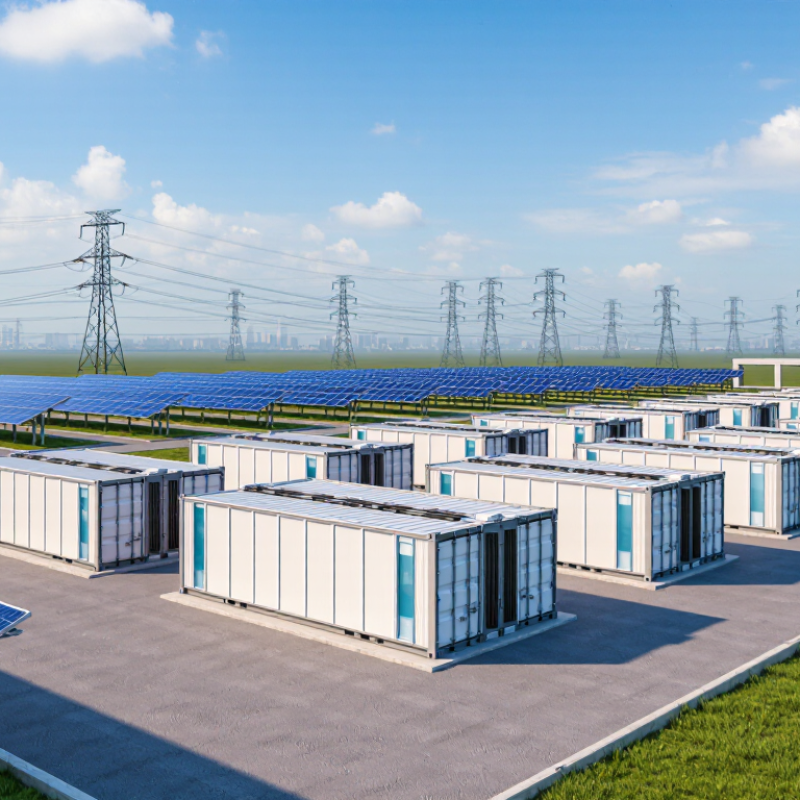
China’s best solar battery storage manufacturers are defined by more than production scale or attractive prices. They combine engineering experience, stable supply chains, and transparent quality control. A reliable manufacturer should explain cell selection, battery chemistry, thermal management, and protection systems in clear language. Factory audits should review incoming materials, assembly records, and end-of-line testing.
Performance claims need evidence. Look for cycle-life reports, safety test results, capacity tolerances, and documented operating temperatures. Strong manufacturers provide traceable serial numbers and consistent test data. They also understand local grid conditions, installation practices, and maintenance requirements. After-sales support matters too. Clear warranties, spare-parts planning, remote diagnostics, and trained technical teams can prevent small faults from becoming expensive failures. No factory gets everything right. Honest suppliers disclose limitations instead of promising perfect output.
Tips: Ask for a sample unit and inspect its labels, terminals, enclosure, and monitoring software. Request test records from the same production batch. Check whether the warranty defines usable capacity, response time, and installation responsibilities. Compare actual field references, not only brochures. A lower quotation may hide weaker protection devices, limited support, or shorter component life. It is also wise to confirm communication compatibility with the intended inverter and energy management system. Independent inspection can reveal issues that polished presentations miss. Reliability is built through repeatable processes, not impressive claims alone.
Reliable manufacturers combine engineering experience, stable supply chains, and transparent quality controls. They explain cell chemistry, thermal management, and protection systems clearly. No supplier gets everything right.
Review incoming-material records, assembly logs, serial numbers, and end-of-line test results. Request records from the same production batch as your sample unit. Small gaps matter.
Ask for cycle-life reports, capacity tolerances, efficiency data, and operating-temperature limits. Test conditions should accompany every headline figure. Numbers without conditions mislead.
Compare usable capacity, warranty limits, protection devices, service coverage, and replacement procedures. An unusually low quotation may hide shorter component life. Cheap is not always efficient.
Home systems support evening loads and backup power. Commercial systems can reduce demand charges in factories or warehouses. Utility systems support solar shifting, frequency regulation, and grid balancing.
Inspect material storage, assembly areas, testing equipment, safety controls, and quality documentation. Independent inspectors may notice weak terminals, poor labels, or incomplete records. Polished presentations are not proof.
Very important. Hot, dusty, or humid sites can reduce efficiency and increase maintenance needs. Request field data from projects with similar temperatures, dust levels, and grid conditions.
It should define usable capacity, degradation limits, response times, exclusions, and installation responsibilities. Confirm who handles claims and whether spare parts are locally available. The wording matters.
Check communication compatibility with the intended inverter and energy management system. Confirm response times, software update procedures, remote diagnostics, and cybersecurity practices. Compatibility is sometimes assumed, incorrectly.
China’s best Solar Battery Storage manufacturers are defined by their ability to combine dependable engineering, efficient production, strong quality control, and responsive technical support. Their systems commonly use lithium-based battery chemistry, battery management systems, energy management software, thermal control, and safety protection technologies to improve efficiency, reliability, cycle life, and user safety. Leading manufacturers may serve residential, commercial, industrial, and utility-scale applications, offering solutions such as modular home storage units, integrated commercial systems, and large-scale grid support equipment.
When evaluating a Chinese battery storage supplier, buyers should consider manufacturing capacity, product certifications, testing procedures, warranty terms, customization capabilities, delivery performance, and after-sales service. A reliable supplier should provide transparent technical specifications, clear installation guidance, stable communication, and practical solutions suited to the project’s energy needs. Comparing product performance, total ownership costs, safety features, system compatibility, and long-term service capabilities can help customers select a trustworthy partner for dependable Solar Battery Storage deployment.

 Grenergy