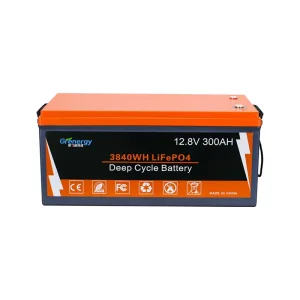
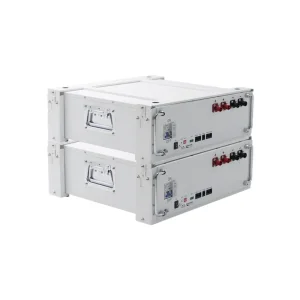
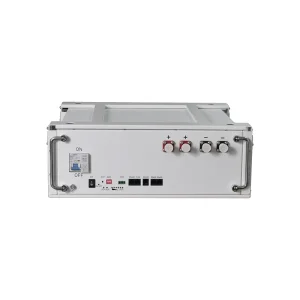
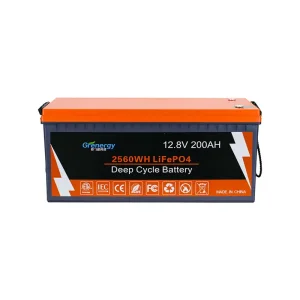
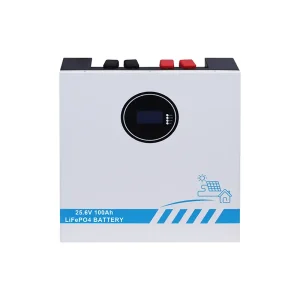
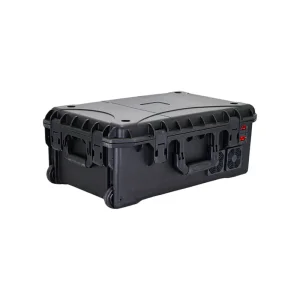
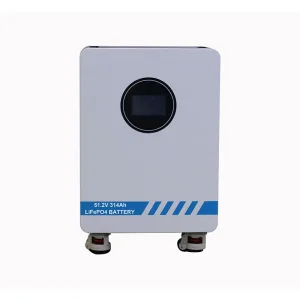
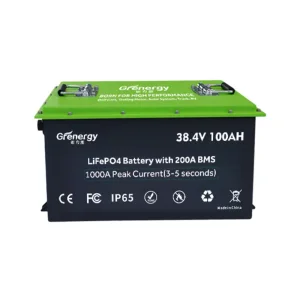
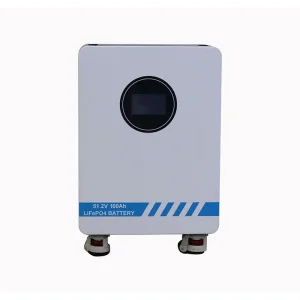
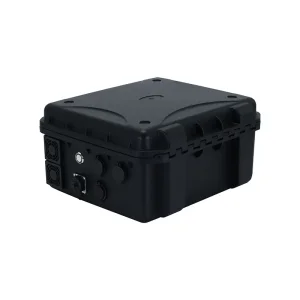
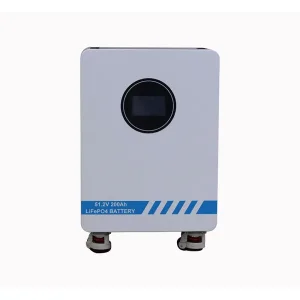
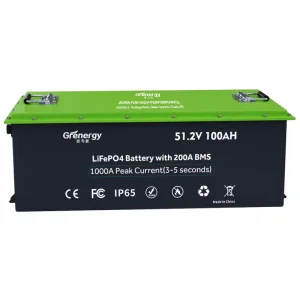
Explore our flagship catalog of high-capacity LiFePO₄ batteries engineered for heavy-duty RV configurations, rack-mounted system integration, and utility applications.
Understanding why nominal 3.2V cells represent the benchmark for thermal safety, lifecycle performance, and efficiency in large-scale energy deployments.
Unlike standard ternary lithium-ion cells which breakdown after 1,000 cycles, industrial 3.2V Lithium Iron Phosphate cells achieve between 4,000 to 8,000 cycles at 80% Depth of Discharge (DoD). This makes them incredibly cost-effective over their operational lifespan.
With an onset thermal runaway temperature exceeding 270°C (compared to 150°C for NCM chemistries), 3.2V LFP cells offer absolute reliability in high-ambient operations. Ideal for off-grid sites and critical commercial UPS infrastructures.
3.2V LFP cells deliver a constant voltage discharge curve between 3.3V and 3.0V. This stable output allows power electronics to operate at peak efficiency and simplifies the layout of high-voltage battery management systems (BMS).
How China's fully integrated industrial cluster drives quality optimization, tech leadership, and unparalleled supply chain control.
China is home to the world's most robust lithium supply chain, controling over 70% of lithium refining and cathode precursor production. By centering manufacturing in high-tech hubs like Shenzhen, domestic factories eliminate global logistics bottlenecks for raw materials. This proximity guarantees constant access to premium lithium carbonate, synthetic graphite, and advanced battery separator film technologies, leading to significant cost-efficiencies and reliable lead times for B2B buyers.
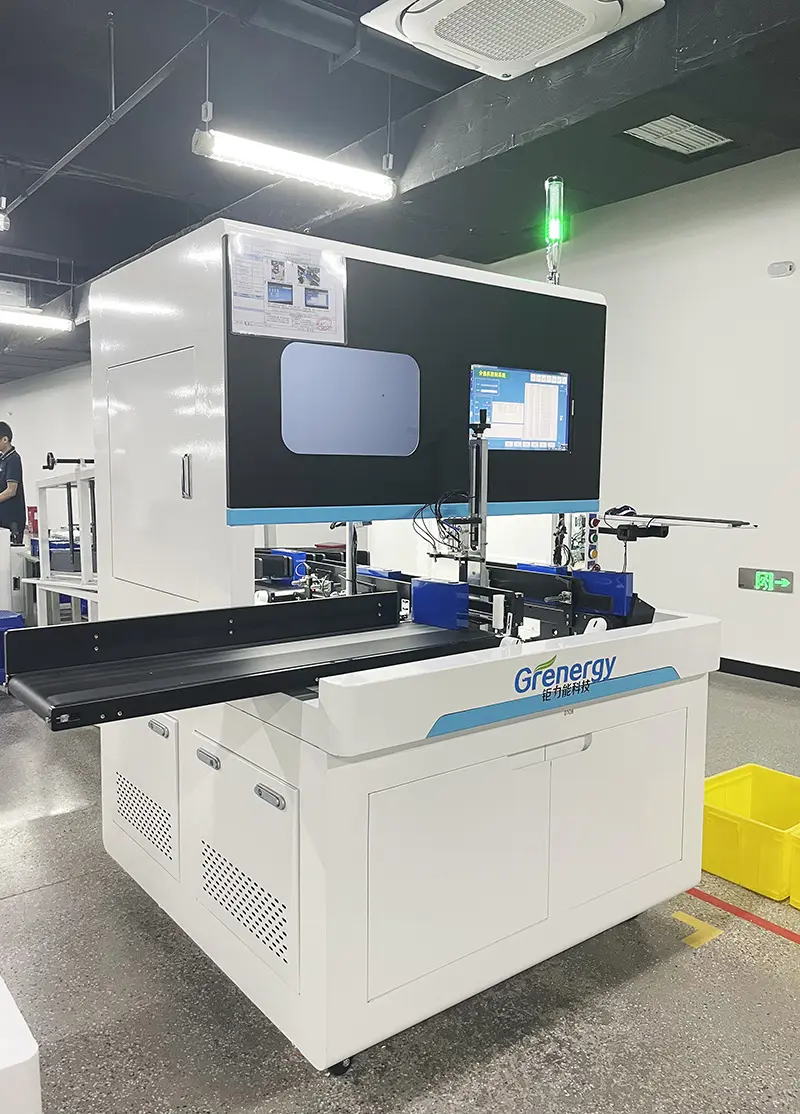
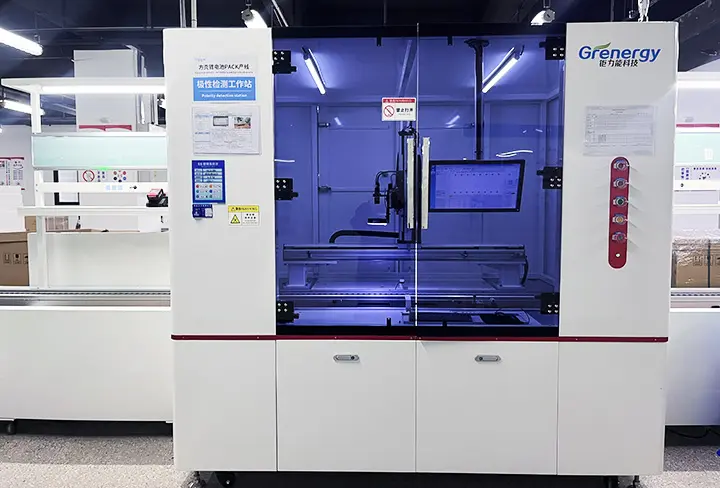
Moreover, the maturity of China's automated manufacturing lines translates directly to micro-level quality control. Laser welding, automated sorting by internal resistance (IR), and strict cell capacity matching protocols ensure that multi-cell configurations maintain extreme voltage uniformity—the core factor preventing early pack failure.

The energy transition is moving rapidly toward high-density LFP cells. Current industry research targets enhancing 3.2V prismatic cells with silicon-carbon anodes and lithium manganese iron phosphate (LMFP) mixes to push the energy density past 210 Wh/kg without compromising safety. Simultaneously, smart cloud-based Battery Management Systems (BMS) are becoming industry standard, providing predictive health diagnostics and real-time monitoring of cell voltages.
Furthermore, ESG (Environmental, Social, and Governance) compliance is reshaping manufacturing standards. Global enterprise buyers are increasingly demanding carbon footprint transparency. Leading Chinese manufacturers are investing in zero-carbon factories, utilizing clean hydropower and solar arrays to power their electrode-coating and cell formation equipment, matching international ESG requirements.
From multi-megawatt solar grids to specialized off-grid recreational vehicles, 3.2V systems deliver tailored energy management.
Utility-scale battery storage installations leverage arrays of 3.2V prismatic cells in series-parallel structures (often 15S or 16S modules linked in high-voltage strings) to provide peak shaving, frequency regulation, and reserve power. This ensures seamless integration with fluctuating solar and wind resources, protecting regional grids from blackout events.
Telecommunications infrastructure requires high operational resilience in extreme environments. Standard lead-acid units fail quickly in tropical or remote regions without climate control. 3.2V LFP arrays, usually packed in 48V (15S) configurations, handle high temperatures effortlessly, reducing maintenance site visits and lowering operational costs.
Motive power applications require batteries with high C-rates and vibration resistance. 3.2V cells constructed with solid aluminum casings offer superior structural integrity. They handle high peak currents during vehicle acceleration, delivering steady torque without significant voltage drops.
A B2B buyer's roadmap to validating battery quality, certifications, and compliance frameworks.
Purchasing large-format battery systems internationally demands an acute understanding of technical compliance and shipping logistics. Buyers must look beyond price-per-kilowatt-hour and assess the vendor’s testing procedures and manufacturing certifications. A reputable exporter should supply complete verification documents including UN38.3 test summaries, UL1973 certifications (for stationary applications), IEC62619, and CE/FCC compliance records.
Furthermore, logistics play a critical role. Lithium batteries are classified as Class 9 Dangerous Goods. Reliable exporters must offer certified dangerous goods packaging, maritime shipping documentation (MSDS), and secure container arrangements to prevent thermal events during transport. Proper cell matching is another vital aspect: cells integrated within a single module must be sorted from the same batch to guarantee matching internal resistance, capacity, and voltage parameters.
Shenzhen Grenergy Technology Co., Ltd.
Shenzhen Grenergy Technology Co., Ltd., established in 2010, is a high-tech enterprise specializing in R&D and manufacturing lithium batteries, energy storage systems, power batteries, battery management systems, and all-in-one solutions. With a strong commitment to technological innovation, Grenergy has become a leading provider of energy solutions for various applications worldwide.
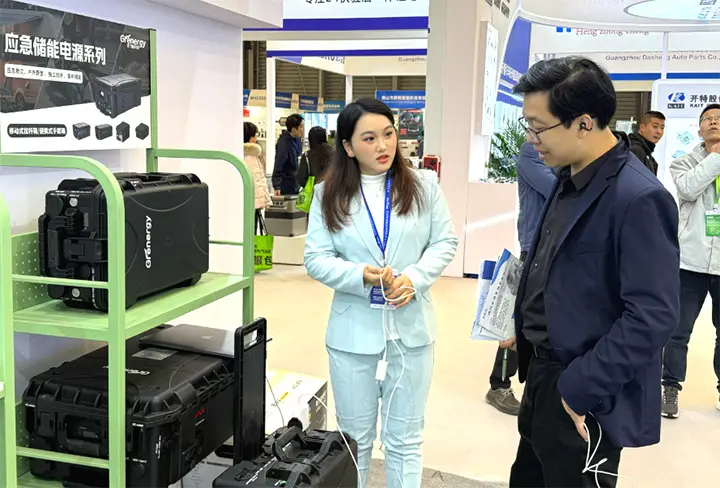
Since its establishment, Grenergy has focused on the development of sustainable energy solutions to meet the growing demand for efficient, reliable, and eco-friendly power systems. With over 10 years of expertise, Grenergy has developed a diverse product portfolio, including Lead-acid replacement lithium batteries, Wall-mounted power walls, Portable power stations, Mobile home energy storage systems, Trolley box portable power stations, and much more. We are committed to enhancing energy efficiency while reducing environmental impact.
Our core values include integrity, innovation, and customer satisfaction, which have been the foundation of our growth. Grenergy’s history is one of continuous improvement and dedication to providing advanced energy storage solutions to businesses and individuals globally.
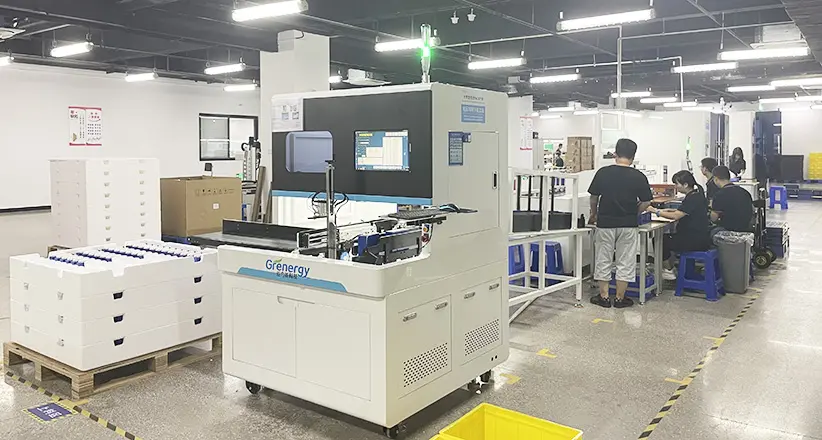
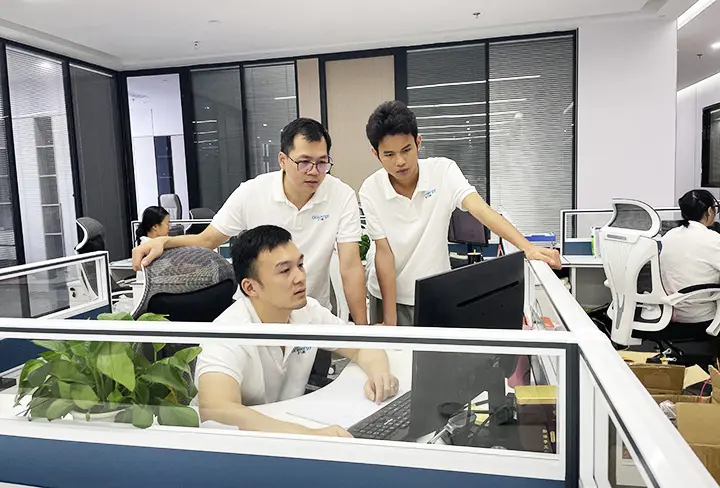
Grenergy’s products support various OEM and ODM customized services, allowing us to tailor solutions that meet specific client needs. With nearly 10,000 square meters of production space and a team of 200 highly skilled professionals, we are equipped to deliver high-quality products at scale. Over the years, we have consistently met international industry standards, earning certifications such as ISO9001, ISO14001, ISO45001, UL, CE, FCC, PSE, and UN38.3.
We also provide third-party product liability insurance worth $3 million USD for all products, ensuring our global clients can trust our reliability and commitment to service excellence. Our advanced quality assurance testing tracks each cell from formation through pack assembly to final shipment, ensuring maximum performance consistency.
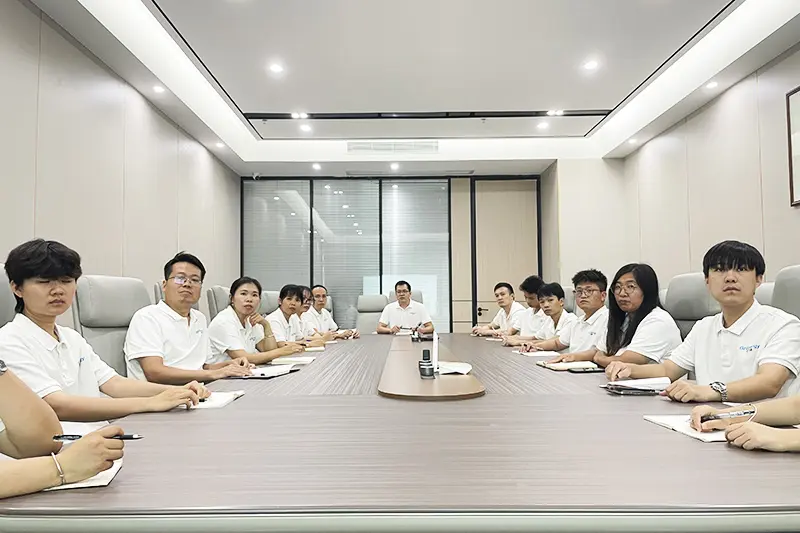
From the beginning, Grenergy’s mission has been to empower the world with cutting-edge energy storage solutions. We believe in a future where renewable energy is the primary power source, and our products are designed to make this future a reality. Through decades of research and development, we’ve become a trusted name in the energy storage sector, helping companies transition to more efficient, sustainable energy practices.
We are proud to have partnered with some of the world’s leading organizations and technology providers. These collaborations help us bring the latest advancements in energy storage and management systems to market, providing our clients with the most efficient and innovative solutions available.
Don’t just take our word for it—our clients trust us to provide safe, high-performance energy storage systems that meet their needs. With global customers from various industries, including renewable energy, manufacturing, and transportation, we have built a reputation for delivering reliable, top-quality products.
Frequently asked technical questions by utility managers, OEM designers, and international battery procurement teams.
Explore wall-mounted residential units, high-capacity floor-mounted cabinets, golf cart power packs, and compact backup stations.
 Grenergy