In the rapidly changing landscape of global energy transition, the 8S 24V 100A Battery Management System (BMS) stands as a crucial cornerstone. Designed for lithium iron phosphate (LiFePO4) chemistries, an 8S configuration represents eight cells connected in series, generating a nominal voltage of 25.6V. When coupled with a continuous current capability of 100A, this specific class of BMS provides a sustained power output of up to 2,560 Watts. This capacity profile serves as the structural link between lower-voltage consumer systems (12V) and highly demanding high-voltage industrial grids (48V to 400V+).
Implementing a high-performance BMS 8S 24V 100A ensures total protection against common electrochemical threats such as over-charging, over-discharging, thermal runaway, and short circuits. Through active and passive cell balancing mechanisms, it extends battery life cycle expectancy—often pushing past 4,000 to 6,000 deep discharge cycles in premium LiFePO4 cells. Understanding the architecture of these systems is vital for utility engineers, system integrators, and product managers sourcing robust OEM battery services.
The global demand for 24V LiFePO4 systems has seen exponential growth over the past five years. Markets across North America, Europe, and the Asia-Pacific region are standardizing 24V systems for material handling, off-grid telecommunications, marine propulsion, and residential solar storage. This standardization minimizes transmission current compared to 12V configurations, reducing copper cabling thickness and thermal energy loss by nearly 75%.
From an industrial perspective, the 8S 24V 100A configuration has become the default architecture for small-to-medium clean energy operations. System integrators favor it because of its high safety profile and structural compatibility. Industrial grade BMS units now regularly include communication protocols like CANbus, RS485, and Modbus, transforming simple battery packs into intelligent nodes inside larger industrial automation systems.

Traditional passive balancers dissipate excess energy as heat. The next-generation 8S BMS utilizes dynamic inductive and capacitive active balancing, transferring charge from high-voltage cells to low-voltage cells with efficiencies exceeding 92%, resulting in shorter charging windows and increased usable capacity.
By combining onboard microcontrollers with Bluetooth, Wi-Fi, and Narrowband IoT (NB-IoT) modems, current smart BMS units stream real-time cell parameters to the cloud. Predictive maintenance algorithms then compute structural State of Charge (SOC) and State of Health (SOH) using advanced Kalman filtering.
Transitioning to Gallium Nitride (GaN) and Silicon Carbide (SiC) MOSFETs drastically lowers internal resistance (RDS-ON). The result is a BMS that generates almost no thermal signature even while handling continuous currents up to 100A, eliminating the need for bulky passive heatsinks.
Modern RV electrical networks rely on 24V architectures to run air conditioning units and high-output induction cooktops. The 8S 24V 100A BMS acts as the safety core, regulating fluctuating solar charging profiles and protecting cells against sub-zero charging conditions via integrated heating pads.
Automated Guided Vehicles (AGVs) in logistics warehouses and high-speed utility golf carts require reliable power under high mechanical strain. A 24V system matches the standard drive motors, and a 100A continuous BMS manages transient acceleration spikes while ensuring safe regenerative braking feeds.
Telecommunications infrastructure requires uninterrupted backup power. Replacing old lead-acid cells with 24V LiFePO4 packs managed by 100A smart BMS units significantly increases operational lifespan in harsh outdoor enclosures, lowering overall servicing overheads.
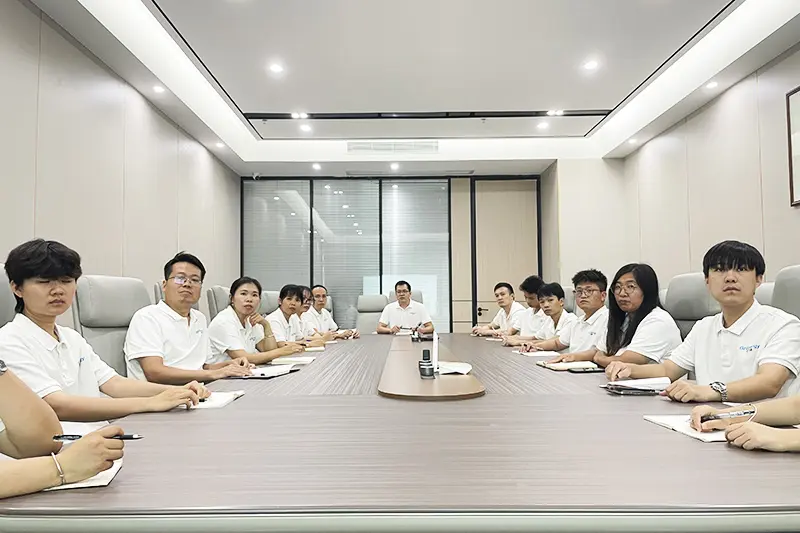
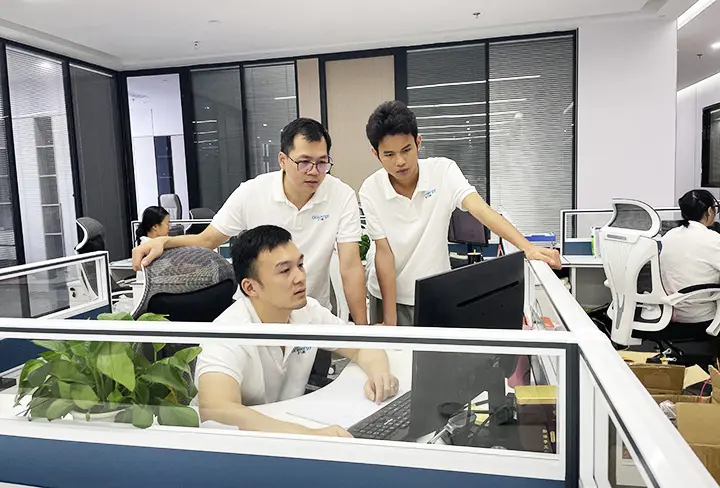
Established in 2010, Shenzhen Grenergy Technology Co., Ltd. is a high-tech enterprise specializing in the research, development, and manufacturing of premium lithium batteries, energy storage systems, power batteries, and custom battery management systems. With over a decade of technical innovation, Grenergy has grown to become a trusted, global supplier of reliable green energy solutions.
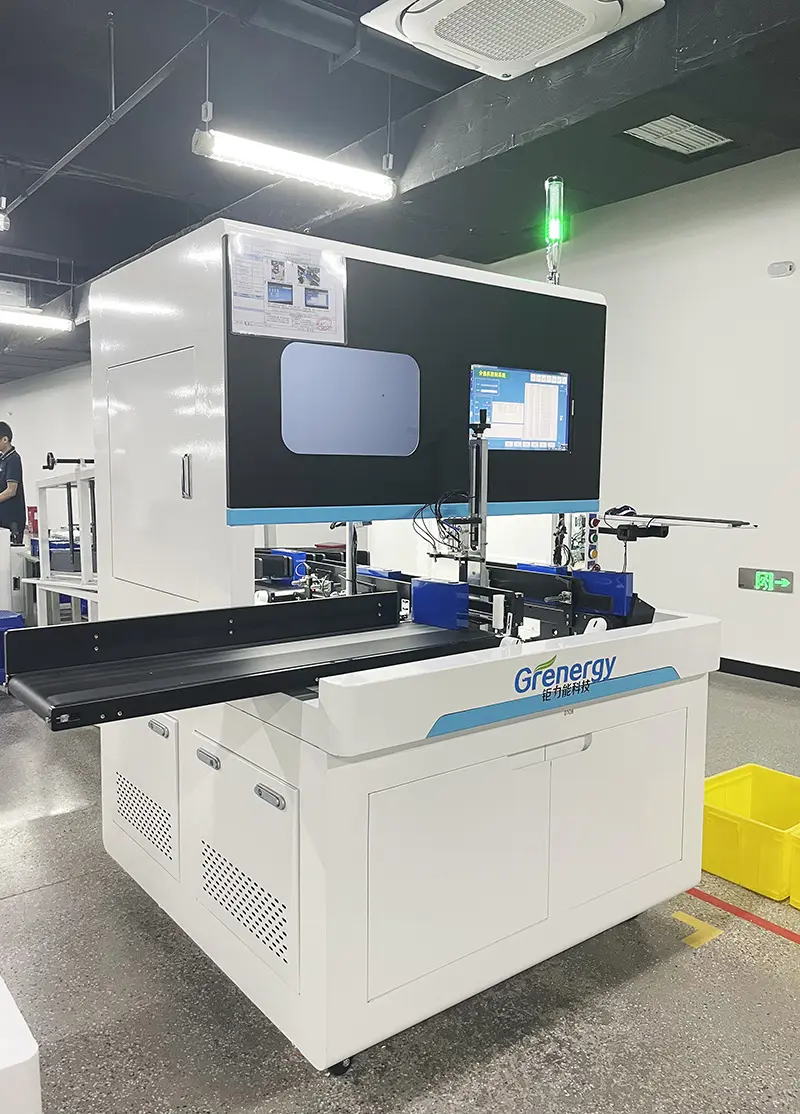
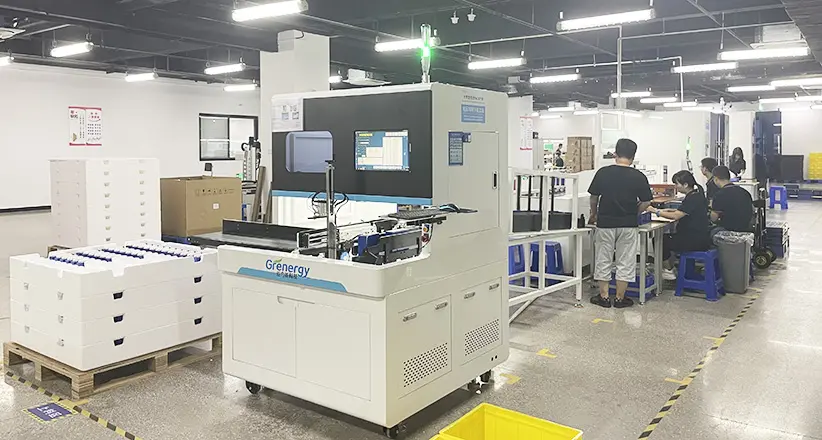
Our state-of-the-art production facility spans nearly 10,000 square meters and is staffed by 200 skilled professionals, including a dedicated electrochemical engineering team. By utilizing strict quality control standards, our manufacturing workflows are fully certified under ISO9001, ISO14001, and ISO45001. Grenergy products carry international certifications including UL, CE, FCC, PSE, and UN38.3.
To provide extra peace of mind to our global business partners, Grenergy carries a $3 million USD third-party product liability insurance policy, cementing our position as a low-risk, highly reliable OEM/ODM manufacturer for critical industrial energy storage applications.
Compare electrical configurations for different energy storage integration scenarios.
| System Architecture | Configuration | Continuous Current | Max Load Power | Primary Industrial Use Case |
|---|---|---|---|---|
| 12V RV/Marine System | 4S LiFePO4 | 100A / 200A | 1,280W - 2,560W | Small caravans, cabin lighting, auxiliary trolling motors |
| 24V Industrial/Utility System | 8S LiFePO4 | 100A | 2,560W | AGV systems, electric golf carts, telecom backhaul towers |
| 48V Micro-Grid/ESS | 16S LiFePO4 | 100A / 150A | 5,120W - 7,680W | Residential solar systems, commercial backup, base stations |
| 72V-96V High-Voltage Ev | 24S - 32S LiFePO4 | 150A / 200A | 10.8kW - 19.2kW | Heavy-duty electric utility vehicles, logistics loaders |
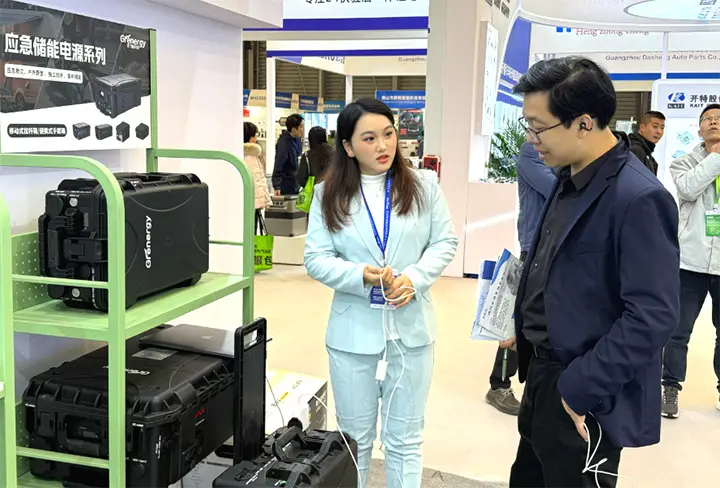
From the beginning, Grenergy’s core mission has been to develop clean energy storage solutions that power the future. We believe that integrating renewable energy into our power grids is the most effective path toward global sustainability. Through decades of continuous research and development, we have built a reputation for helping businesses adopt efficient energy storage technology.
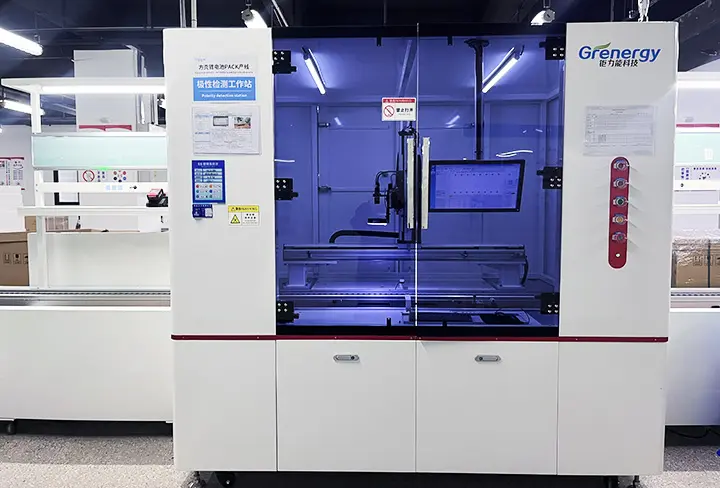
We are proud to collaborate with top-tier battery suppliers and engineering firms worldwide. These strategic partnerships help us bring modern advancements in energy storage and battery management directly to our customers, ensuring our power units meet demanding application needs.
 Grenergy