Deploying cutting-edge 8S architectures and customized high-capacity designs for global applications.
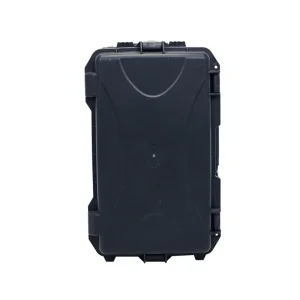
The global shift toward sustainable energy has accelerated the adoption of lithium iron phosphate (LiFePO4) chemistry, and the 8S Battery Management System (BMS) sits at the heart of this transition. Operating at a nominal voltage of 24V or 25.6V, an 8S configuration represents the optimal balance of efficiency, safety, and power density for moderate-load applications.
By connecting 8 cells in series, an 8S system effectively replaces traditional lead-acid battery banks while providing superior lifecycle performance. However, lithium chemistries require micro-level supervision. Without a highly accurate BMS, voltage drift among cells leads to premature aging, localized thermal stress, and reduced capacity utilization. As a trusted BMS 8S manufacturer, Grenergy addresses these industrial challenges through high-precision telemetry, robust protection matrices, and active balancing technology.

Established in 2010, Grenergy is a high-tech enterprise specializing in R&D and manufacturing lithium batteries, energy storage systems, power batteries, and comprehensive battery management systems.
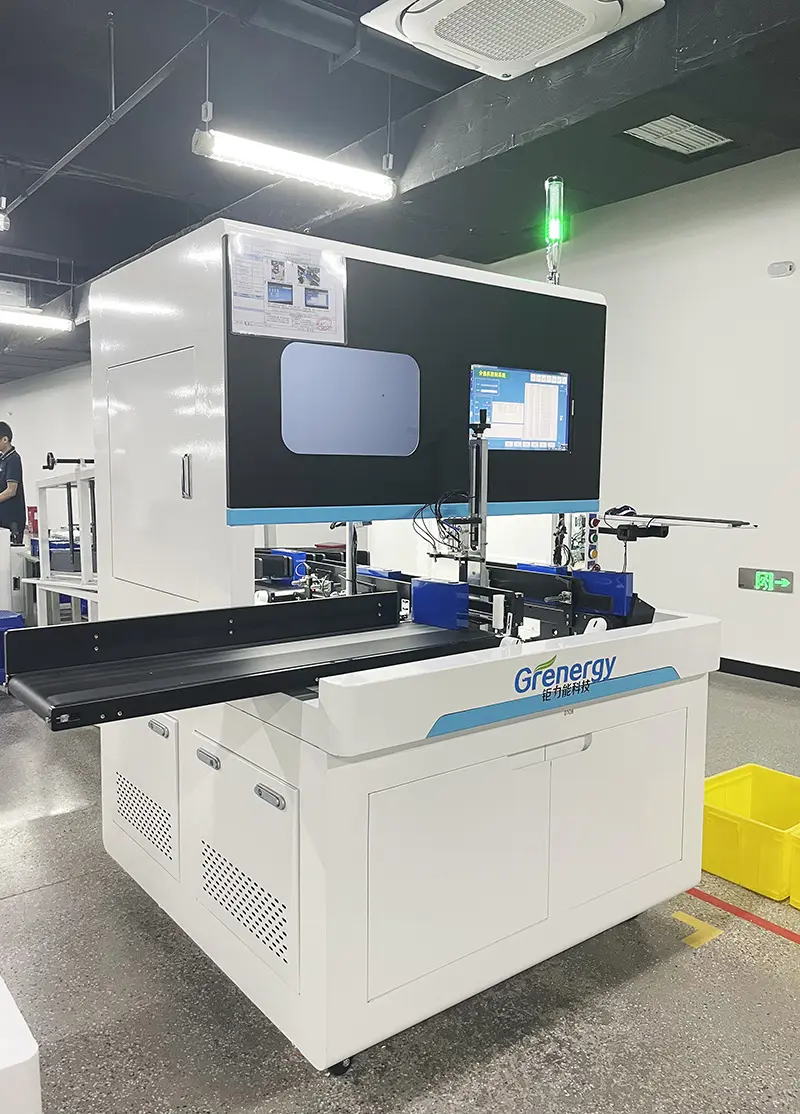
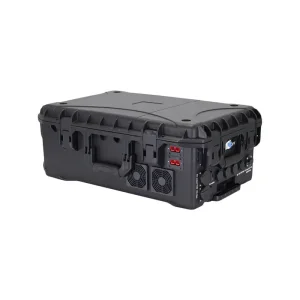
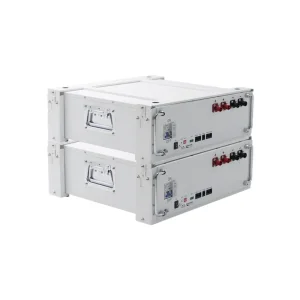
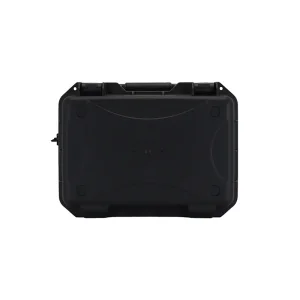
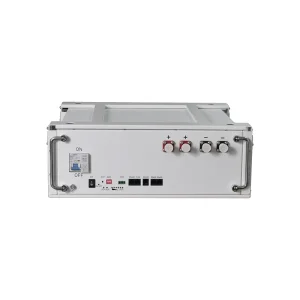
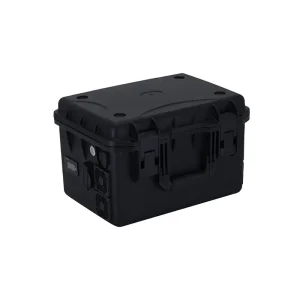
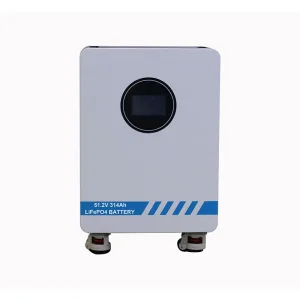
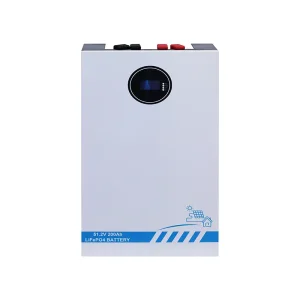
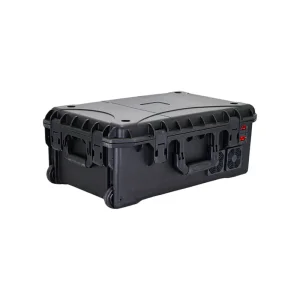
For more than a decade, Grenergy has focused on sustainable energy solutions to meet the growing demand for efficient, reliable, and eco-friendly power systems. Our product portfolio spans Lead-acid replacement lithium batteries, Wall-mounted power walls, Portable power stations, Mobile home energy storage systems, and Trolley box power solutions.
From the beginning, Grenergy's mission has been to empower the world with cutting-edge energy storage solutions. We believe in a future where renewable energy is the primary power source, and our products are designed to make this future a reality. Through decades of research and development, we've become a trusted name in the energy storage sector, helping companies transition to more efficient, sustainable energy practices.
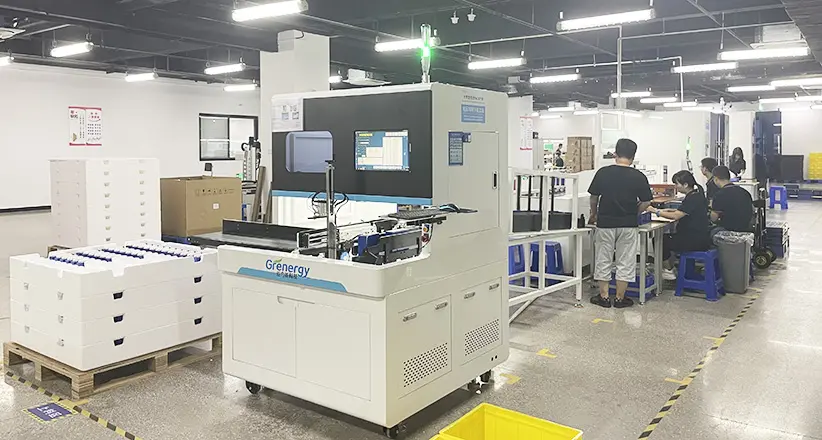
Our infrastructure supports comprehensive OEM and ODM customized services, enabling tailored solutions that match specific client demands. With nearly 10,000 square meters of production space, we execute rigorous quality control protocols across all manufacturing stages. This scientific approach has earned us international industry standard certifications, including ISO9001, ISO14001, ISO45001, UL, CE, FCC, PSE, and UN38.3.
In addition, to protect our clients' investments, we provide a third-party product liability insurance policy valued at $3 million USD, safeguarding our global partners against unforeseen operation hazards.
How enterprise-level buyers evaluate BMS suppliers for 24V energy storage and e-mobility systems.
Procurement teams require components sourced from verified suppliers. Grenergy uses high-grade automotive chips, MOS switches, and isolated CAN/RS485 transceiver components to prevent catastrophic board failure.
State of Charge (SOC) and State of Health (SOH) algorithms are critical. Our BMS 8S products utilize Kalman filtering and coulomb counting to keep SOC estimation errors below 2%, optimizing runtime.
Under varying operating temperatures, voltage drift can cause premature cutoff or cell overcharge. Grenergy's thermal management monitors up to 4 NTC probes to trigger protections before runaway occurs.
An engineering-focused breakdown of Grenergy's standard features, balancing methods, and communication topologies.
Cell imbalance is an inevitable issue arising during cell production and cycling. The two main solutions are:
1. Passive Balancing: Dissipates excess energy from higher-voltage cells as heat via shunt resistors (typically 30mA to 100mA). It is cost-effective, compact, and ideal for systems with well-matched cells operating in steady environments.
2. Active Balancing: Transports energy from high-voltage cells to low-voltage cells using capacitive or inductive transfer circuits (balancing current up to 1.5A to 2.0A). This approach minimizes energy waste and extends the system's runtime under heavy cycle loads.
Grenergy's BMS 8S incorporates a multi-tier safety architecture that continuously monitors:
As the battery industry evolves, the role of the BMS is expanding from basic safety monitoring to cloud-integrated system management. Grenergy's technical roadmap focuses on three main developments:
Integrating Wi-Fi, 4G, and Bluetooth modules to stream telemetry directly to cloud databases, enabling remote SOH analysis, OTA firmware updates, and preventive maintenance alerts.
Replacing traditional look-up tables with neural network models that adapt to aging cells, maintaining SOC accuracy below 1% over the entire battery lifespan.
Refining hardware designs to achieve higher functional safety standards, ensuring critical operation in heavy commercial machinery and marine environments.
Providing reliable performance across multiple industries with our versatile 24V BMS 8S energy solutions.
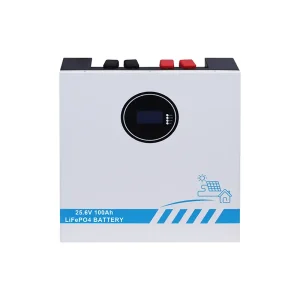
For off-grid solar cabins and 24V home backups, the BMS 8S manages LFP chemistry safely. It integrates with hybrid solar inverters, ensuring efficient daily charge-discharge cycles.
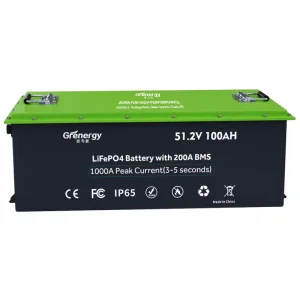
Our BMS features high vibration resistance and high-current protection (up to 200A peak) to handle start-stop current spikes in light electric vehicles and RV auxiliary power networks.
In AGVs, materials handling, and outdoor emergency power configurations, our BMS 8S works alongside telemetry systems to monitor batteries in real time via Modbus, CAN, or RS485 protocols.
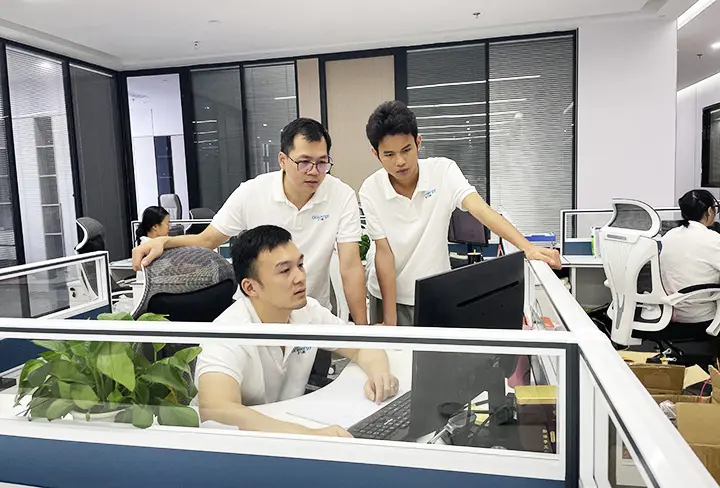
Ensuring that our battery management systems meet the strictest safety standards for international markets.
Exporting energy systems globally requires compliance with safety and environmental directives. Shenzhen Grenergy Technology Co., Ltd. builds and tests all systems to meet these requirements. Our production facility is certified under ISO 9001:2015 (Quality Management), ISO 14001:2015 (Environmental Management), and ISO 45001:2018 (Occupational Health & Safety).
At the product level, our systems carry certifications recognized worldwide:
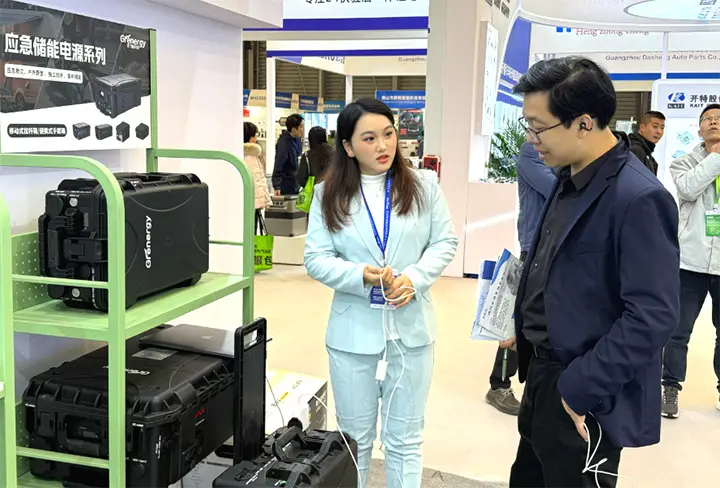
We work with top tier-1 cell manufacturers and semiconductor suppliers. These partnerships allow us to offer modern BMS platforms that optimize safety and performance for our clients.
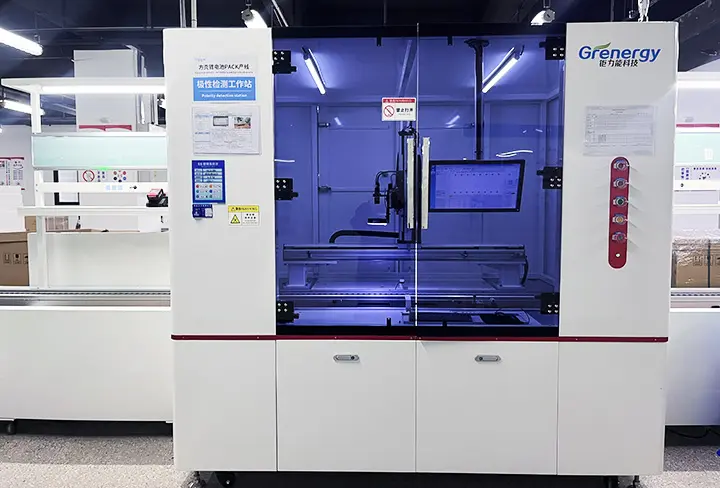
Key technical answers to assist developers and procurement teams with their integration needs.
Find the right high-capacity battery solutions for your projects and installations.
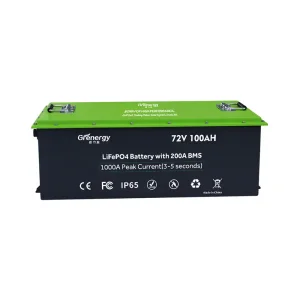
 Grenergy