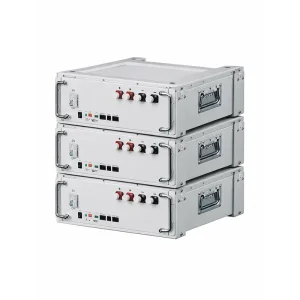
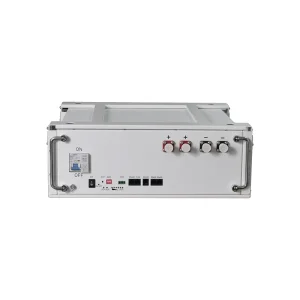
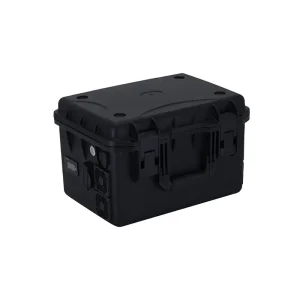
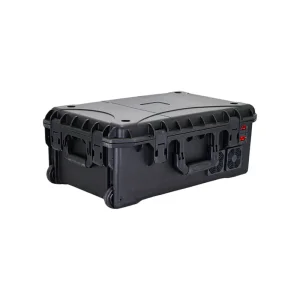
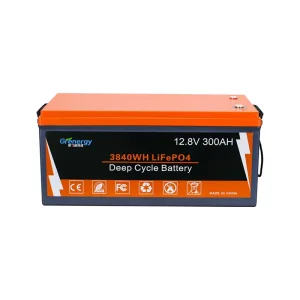
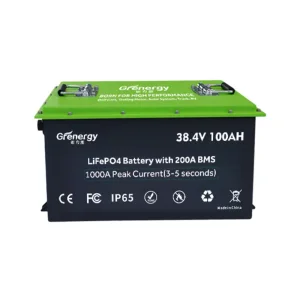
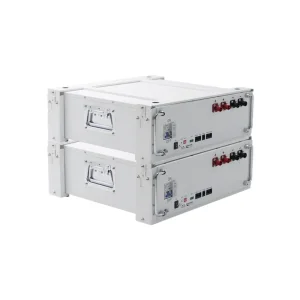
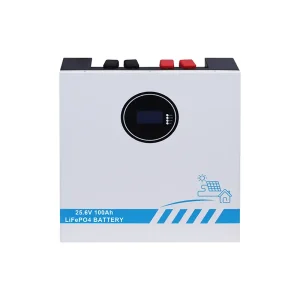
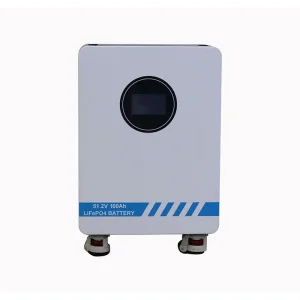
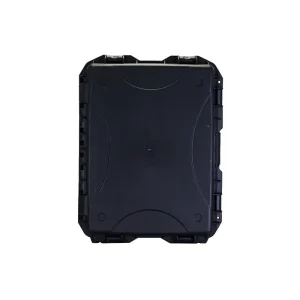
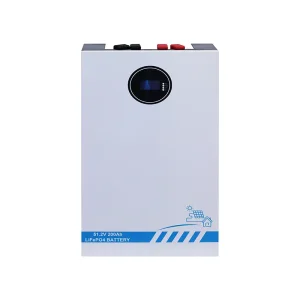
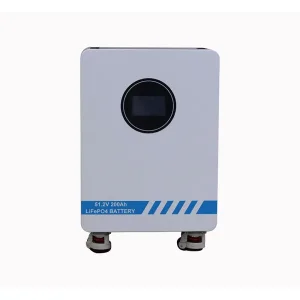
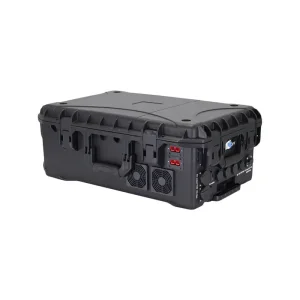
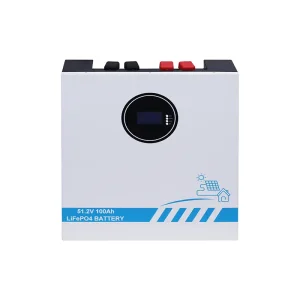
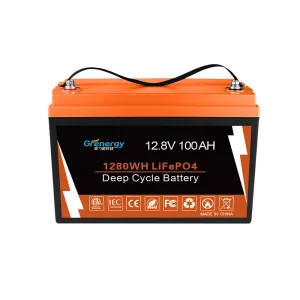
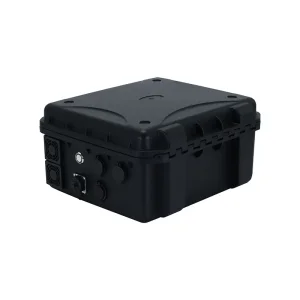
Direct from Grenergy’s smart manufacturing line. High-capacity rack mounts, wall batteries, and custom emergency backup stations designed for heavy-duty commercial deployment.
A rigorous, evidence-based evaluation of deep-cycle battery chemistry mechanics, lifespans, and operational physics under challenging environmental conditions.
For decades, deep cycle gel batteries represented the gold standard for maintenance-free, sealed lead-acid storage. Utilizing a thixotropic silica gel electrolyte, these batteries trap sulfuric acid to prevent leakage and mitigate plate shedding. This design gives them decent thermal tolerance and excellent resistance to structural vibrations. However, they are fundamentally limited by lead-acid chemistry, which suffers from low volumetric density and efficiency loss due to internal resistance.
In contrast, Lithium Iron Phosphate (LiFePO₄) batteries have revolutionized global energy storage. By leveraging lithium-ion intercalation chemistry within an olivine structure, LiFePO₄ offers superior thermal stability and structural durability. LiFePO₄ eliminates the risk of active plate sulfation, allows for a 100% Depth of Discharge (DoD) without sacrificing longevity, and provides a continuous flat voltage curve during discharge.
"From a Levelized Cost of Storage (LCOS) perspective, Lithium Iron Phosphate cells achieve up to a 70% reduction in lifetime cost-per-kilowatt-hour compared to traditional lead-acid gel equivalents."

| Performance Metric | Deep Cycle Gel Battery | LiFePO₄ Lithium Battery | Operational Advantage |
|---|---|---|---|
| Cycle Life (80% DoD) | 500 - 1,200 Cycles | 4,000 - 6,000 Cycles | Lithium: 5x Longevity |
| Energy Density | 30 - 45 Wh/kg | 120 - 160 Wh/kg | Lithium: 3x Lighter |
| Round-Trip Efficiency | 75% - 82% | 95% - 98% | Lithium: Lower energy loss |
| Charge Time (0 to 100%) | 8 - 10 Hours (Requires Absorption) | 1 - 2 Hours (Rapid C-Rate Charge) | Lithium: Rapid recovery |
| Thermal Runaway Limit | Not applicable (Emits gas if overcharged) | Extreme stability up to 270°C | High safety margin |
| Smart System Control | None (Passive system monitoring) | Integrated active microchip BMS | Real-time IoT diagnostics |
How the evolution of energy storage chemistry and next-generation smart control systems are reshaping the B2B energy supply landscape.
Transitioning from standard cylindrical and small prismatic cells to high-density 314Ah LFP chemistry. This reduces system complexity and optimizes volumetric efficiency for utility-scale cabinets.
Integrating machine-learning diagnostic models into battery management units to accurately predict State-of-Health (SoH) degradation and balance individual cell impedance in real time.
Developing semi-solid and solid-state LFP alternatives to eliminate liquid electrolytes, significantly increasing energy density while improving safety in high-temperature environments.
Implementing eco-designed pack structures that facilitate easier sorting and mineral recycling at the end of their operational lifecycle, aligning with new global ESG regulations.
Modern commercial energy storage has evolved beyond simple power delivery. Today’s industrial projects require seamless integration with variable renewable energy (VRE) generation, virtual power plant (VPP) networks, and dynamic microgrids.
Gel batteries struggle in modern setups due to slow charge acceptance and a lack of integrated digital monitoring. In contrast, Grenergy’s smart lithium solutions are built with advanced communication layers (RS485, CAN, Modbus). This allows them to interface directly with major hybrid inverters and automated energy management systems (EMS). This connectivity enables facilities to implement active peak shaving, load shifting, and automatic backup power, transforming energy systems from cost centers into grid assets.
Customized power distribution architectures engineered to meet the operational demands of global industries.
Modular floor-mounted cabinet architectures designed to reduce high-demand utility tariffs through peak shaving, load balancing, and emergency power backup for data centers and healthcare complexes.
High-reliability energy storage engineered for remote telecommunication sites and island microgrids. These systems operate reliably under high ambient temperatures and deliver consistent cyclic performance.
High-discharge LFP packs optimized for golf carts, electric utility vehicles, and marine systems. They provide vibration protection, rapid charging, and lightweight designs to extend vehicle range.
How Grenergy applies advanced manufacturing standards to optimize production efficiency, reduce waste, and deliver certified product reliability.
Established in 2010, Grenergy has grown into a leading high-tech enterprise specializing in the research, development, and manufacturing of lithium batteries, energy storage systems, battery management systems (BMS), and all-in-one solutions.
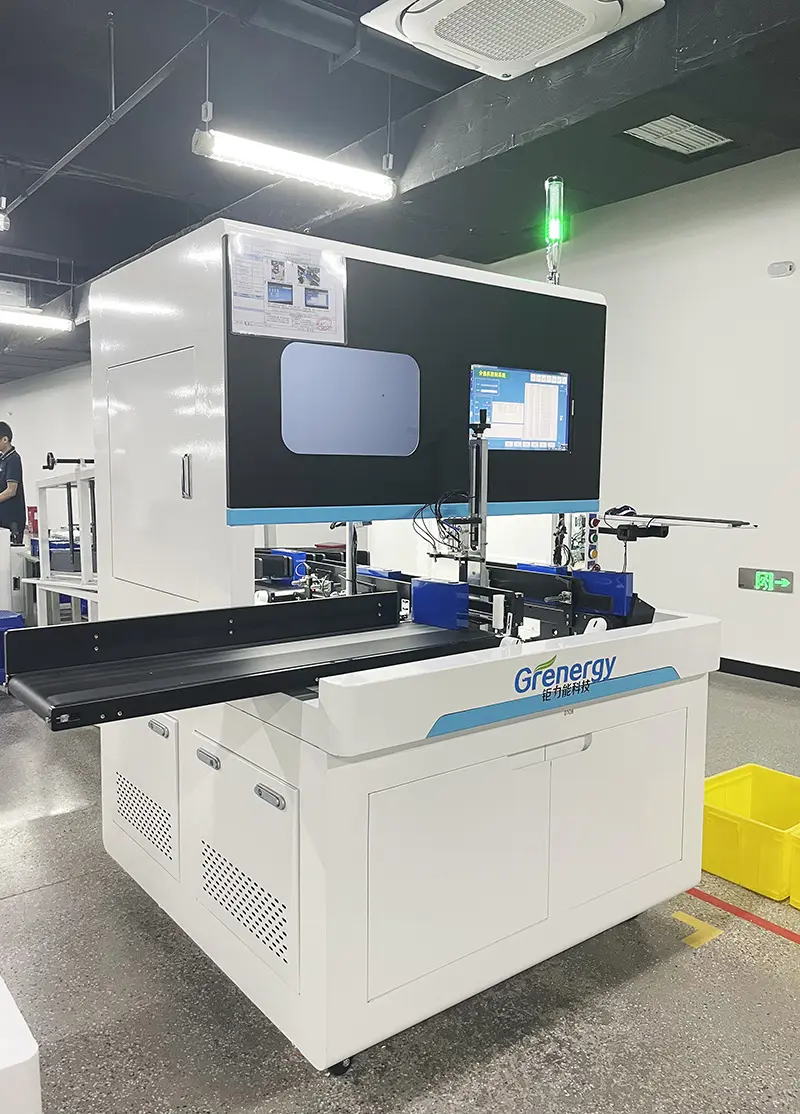
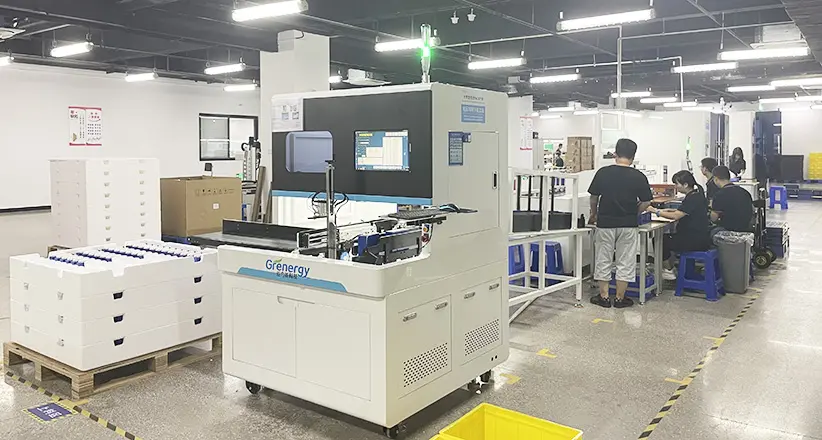
Operating a modern 10,000 square meter production facility in Shenzhen, we utilize automated cell sorting, high-precision laser welding, and advanced multi-stage testing bays. Our vertical supply chain integration ensures access to premium raw materials and electronic components, shielding our global clients from market volatility and cost fluctuations.
Our commitment to quality is backed by international certifications, including ISO9001, ISO14001, ISO45001, UL, CE, FCC, PSE, and UN38.3. This comprehensive compliance guarantees that every system we ship meets safety and quality standards for importing and installation worldwide.
Ensuring compliance, risk mitigation, and reliable engineering support for global commercial and industrial energy deployments.
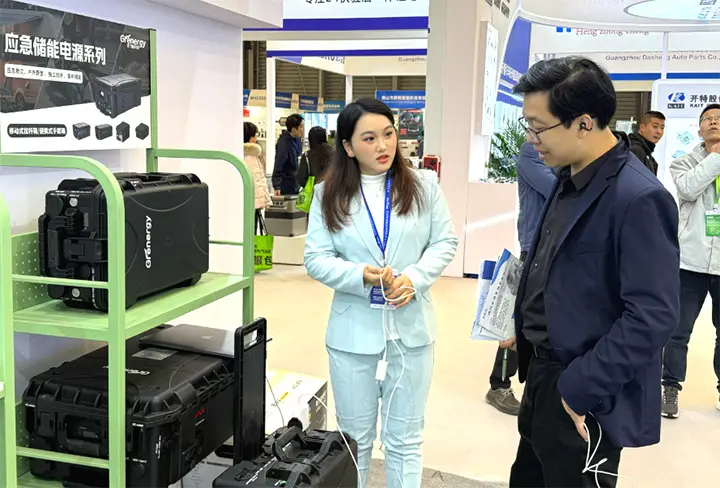
Large-scale energy projects demand long-term liability security and reliable warranty coverage. Grenergy supports its global clients with a $3 Million USD product liability insurance policy. This provides EPC contractors, project managers, and utility integrators with financial protection against rare cell faults or installation issues.
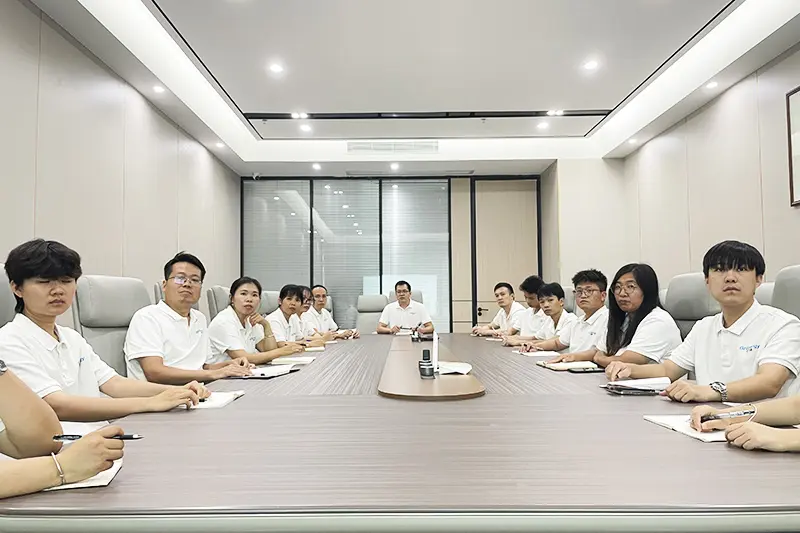
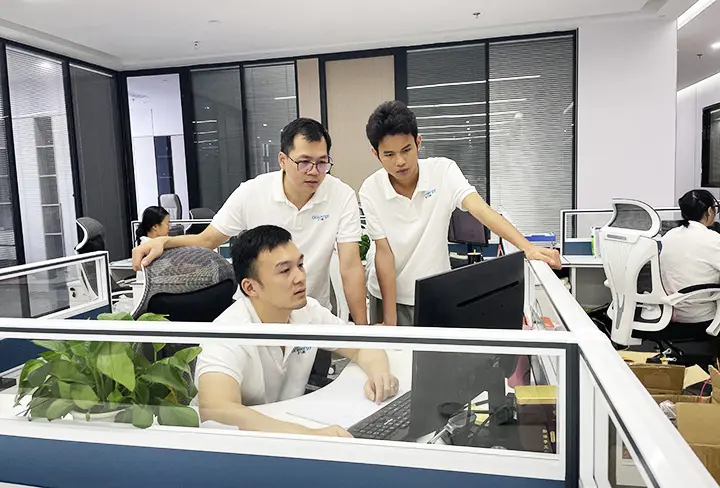
Beyond insurance, we provide detailed technical documentation, hardware certification sheets, and dedicated engineering support. This localization assistance simplifies the import process, grid connection approvals, and local safety inspections. This streamlines project timelines, helping developers avoid costly regulatory delays.
Learn more about Grenergy's decade-long commitment to driving the global transition toward cleaner, more resilient power networks.
From the beginning, Grenergy’s mission has been to empower the world with cutting-edge energy storage solutions. We believe in a future where renewable energy is the primary power source, and our products are designed to make this future a reality. Through decades of research and development, we’ve become a trusted name in the energy storage sector, helping companies transition to more efficient, sustainable energy practices.
We are proud to have partnered with some of the world’s leading organizations and technology providers. These collaborations help us bring the latest advancements in energy storage and management systems to market, providing our clients with the most efficient and innovative solutions available.
Customer Testimonials: Don’t just take our word for it—our clients trust us to provide safe, high-performance energy storage systems that meet their needs. With global customers from various industries, including renewable energy, manufacturing, and transportation, we have built a reputation for delivering reliable, top-quality products.
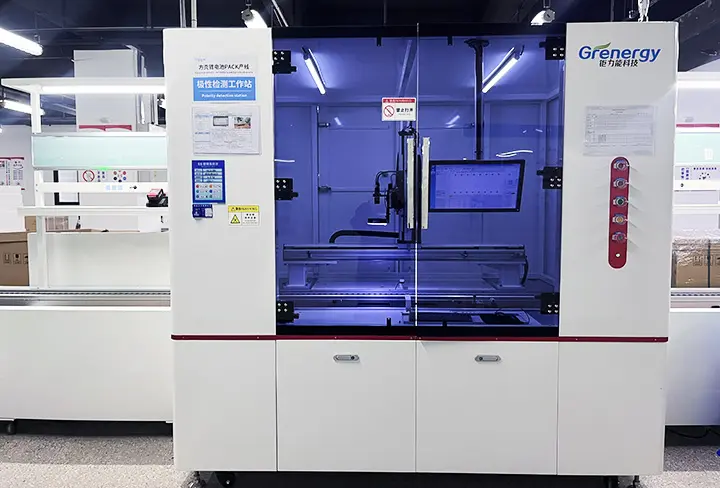
Clear, direct answers to common questions about cell chemistry, system migration, certifications, and logistics.
Explore our high-performance energy products, including compact wall units, high-voltage battery cabinets, and mobile utility power systems.
 Grenergy