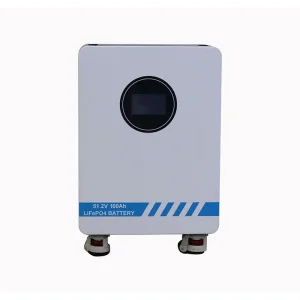
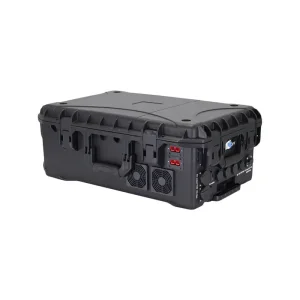
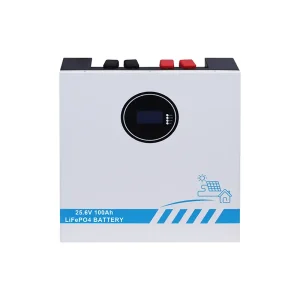
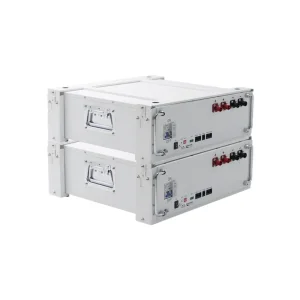
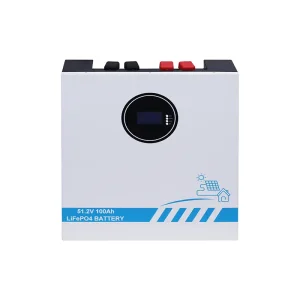
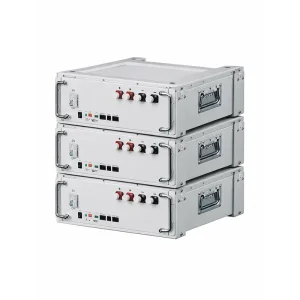
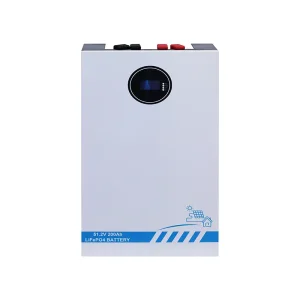
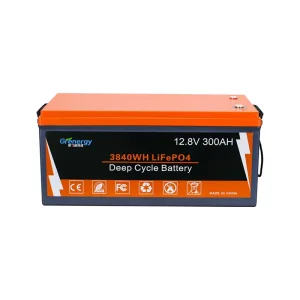
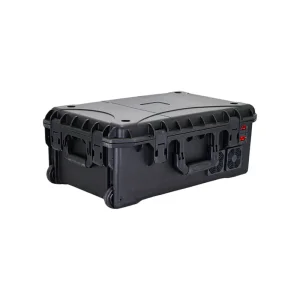
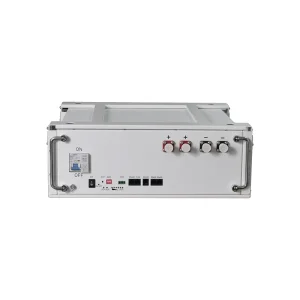
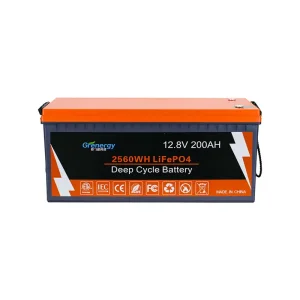
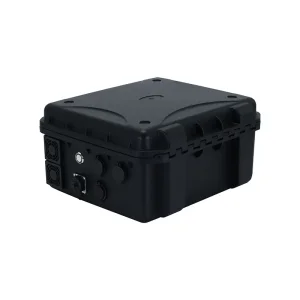
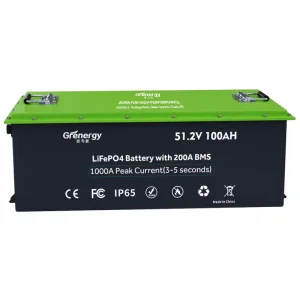
Pioneering modular LiFePO4 cells, rack-mounted system integration, and grid-adaptive battery topologies for commercial, utility, and heavy-duty residential setups.
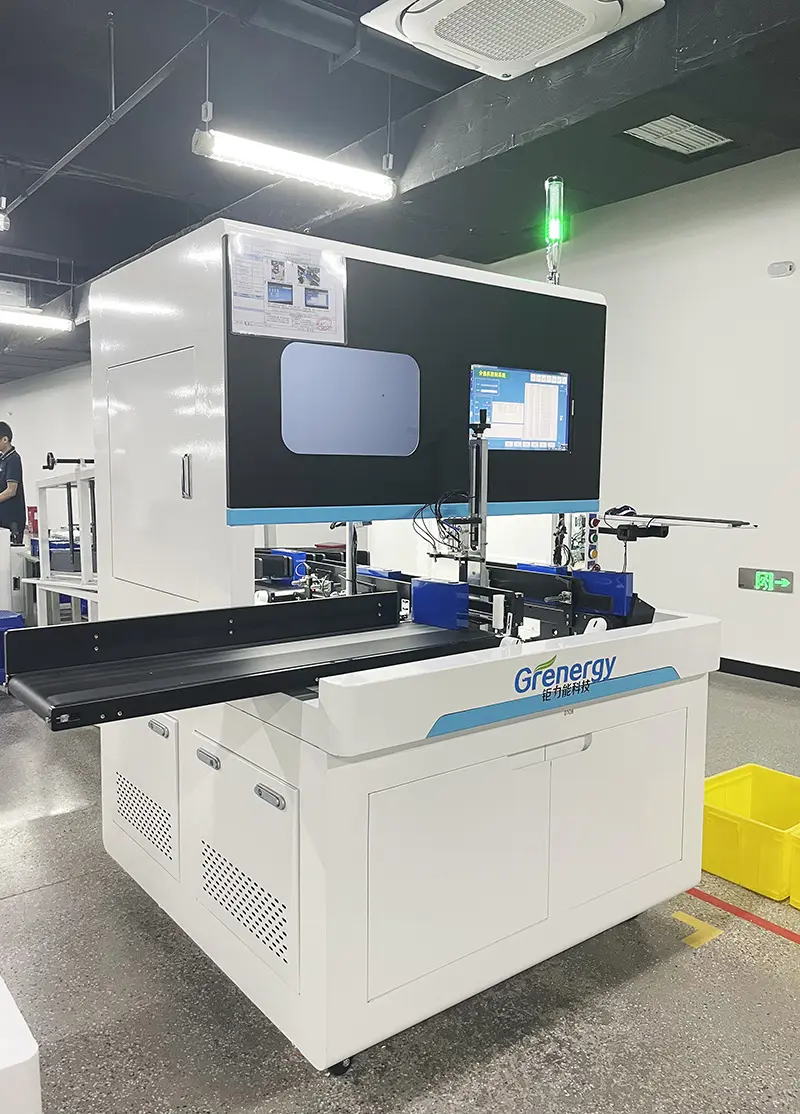
Established in 2010, Shenzhen Grenergy Technology Co., Ltd. is a premier, high-tech enterprise dedicated to the research, development, engineering, and global manufacture of lithium-ion batteries, Battery Management Systems (BMS), and all-in-one commercial and residential hybrid energy storage systems.
By blending technological innovation with deep mechanical and electrical safety standards, Grenergy delivers smart, adaptable clean energy systems that seamlessly integrate with both localized microgrids and utility-scale grids. Our industrial solutions are tailored to optimize the levelized cost of storage (LCOS), enhance system safety, and provide continuous power globally.

A decade of engineering safety, performance, and international grid compliance.
Founded at the beginning of the solar storage boom in 2010, Grenergy's core mission has been to accelerate global decarbonization through stable, high-safety energy storage systems. Our history is characterized by continuous iterative improvement in battery chemistry, transition from early lead-acid equivalent designs to smart, high-density Lithium Iron Phosphate (LiFePO4) frameworks, and active participation in utility microgrid integrations.
By prioritizing long-term cyclic performance, Grenergy has successfully served partners in over 60 countries, delivering residential backup batteries, commercial energy containers, and highly customized OEM/ODM industrial power solutions.
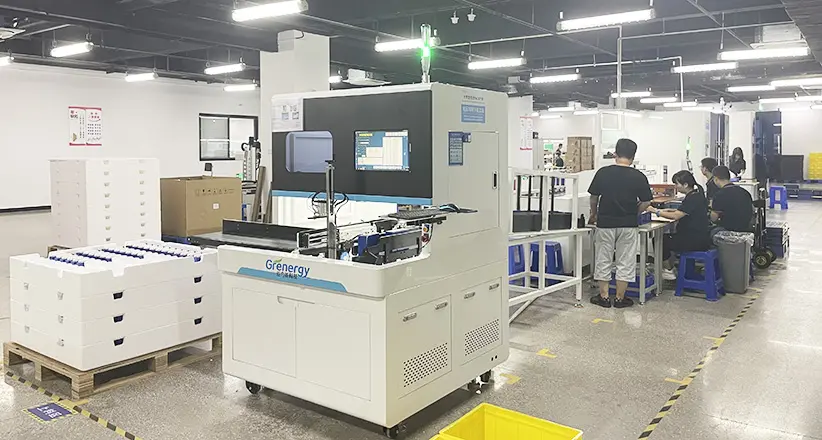
At the center of Grenergy's growth is a rigorous adherence to quality and verification. We don't just build batteries; we design complex energy management ecosystems that bridge the gap between volatile solar generation and continuous municipal grid requirements. Our brand is defined by three pillars: mechanical robustness, smart electrical controls, and compliance with the most stringent global standards, including UL, CE, FCC, PSE, and UN38.3.
Evaluating the convergence of grid parity, bi-directional inverter topologies, and dynamic energy arbitrage.
Traditional solar systems are divided into two distinct configurations: grid-tied systems that lack storage and shut down during utility outages, and off-grid systems that require large, isolated battery banks and lack grid interaction. The modern energy grid requires a hybrid approach. The hybrid on-grid solar system serves as an intelligent bridge, allowing commercial and residential users to enjoy the dynamic flexibility of grid connection while maintaining local security through high-performance battery banks.
This integration relies heavily on bi-directional hybrid inverters and Battery Energy Storage Systems (BESS). When solar generation exceeds local load requirements, the system prioritizes charging the battery bank. Once fully charged, surplus energy is exported back to the municipal grid, generating feed-in-tariffs or net-metering credits. Conversely, during peak rate hours, the system draws stored energy from the batteries, insulating users from high peak tariffs.
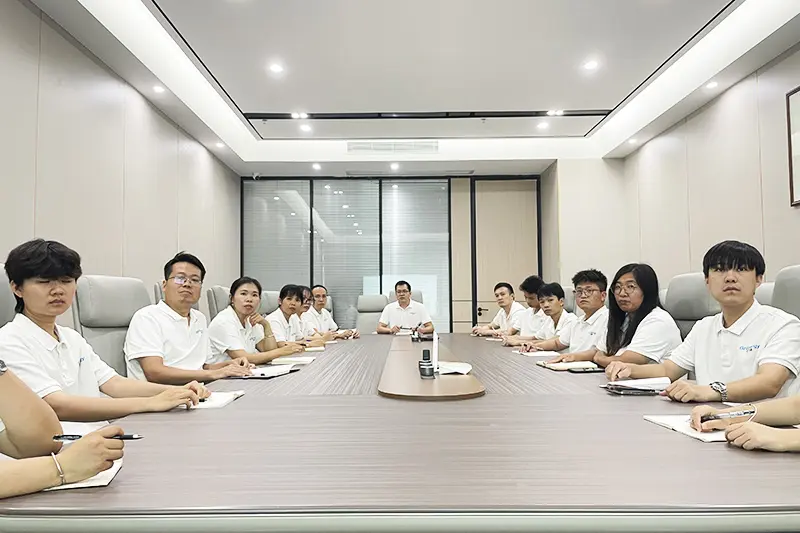
In high-capacity hybrid solar systems, moving from low-voltage (e.g., 48V/51.2V) configurations to high-voltage (e.g., 256V to 512V) configurations significantly reduces systemic I²R thermal losses. A higher voltage reduces the required operating current for the same power output, permitting thinner cabling, decreasing thermal stress on cell contacts, and increasing overall round-trip system efficiency from 88% to over 95%. When selecting your Hybrid On Grid Solar System Suppliers & Company, evaluating their high-voltage BMS and cell balancing technology is critical to long-term site viability.
Worldwide energy markets are experiencing structural changes. Regulatory adjustments like Net Energy Metering 3.0 (NEM 3.0) in the United States and the EU’s Renewable Energy Directive (RED III) have reduced the compensation rates for simple solar export. This makes battery storage essential for achieving ROI. Hybrid storage converts volatile solar power into a dispatchable, reliable resource.
For Commercial and Industrial (C&I) enterprises, peak demand charges—levied on the single highest point of consumption in a billing period—can constitute up to 50% of an electricity bill. By employing smart peak-shaving algorithms, a hybrid storage system injects battery power when local demand rises, flattening the consumption profile and lowering operational expenses. Additionally, hybrid microgrids provide high-speed backup power, protecting automated factory lines, data centers, and cold-chain facilities from voltage sags and blackouts.
Store low-cost grid energy during off-peak hours or direct solar generation during midday. Discharge it during peak periods to avoid high demand tariffs, reducing overall utility bills.
Equipped with ultra-fast transfer times (<10ms), hybrid inverters disconnect from the grid during outages, establishing an isolated local microgrid to keep critical systems online.
Participate in demand-response initiatives and virtual power plants (VPPs) by injecting stored clean power into the municipal grid to help stabilize frequency and voltage.
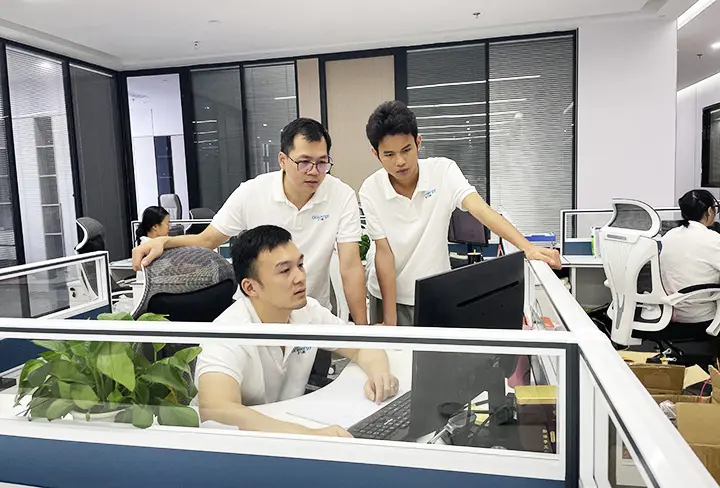
Grenergy incorporates high quality standards into every step of development and manufacturing. Our battery cells use premium grade Lithium Iron Phosphate (LiFePO4) chemistry. LFP is selected for its thermal runaway limit of 270°C, which is significantly safer than NMC (150°C-180°C), and its long service life of over 6,000 charge cycles at 80% Depth of Discharge (DoD).
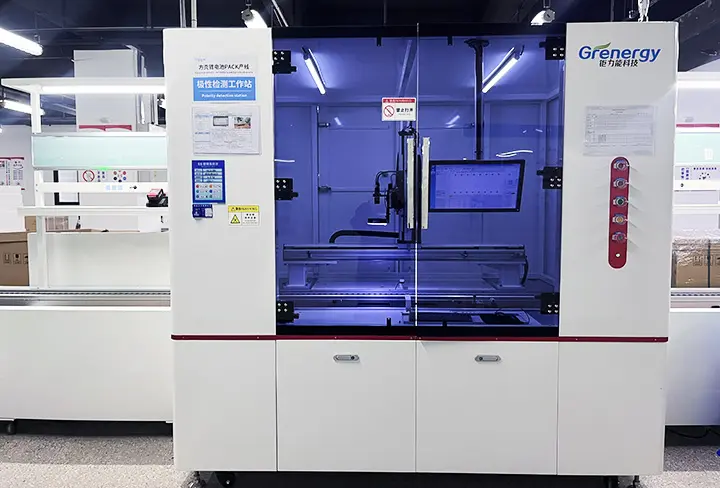
Every hybrid energy module undergoes strict testing, including vacuum sealing checks, automated cell impedance matching, and high-current burn-in testing. This focus on reliability is backed by ISO certifications (9001, 14001, 45001) and a $3 million USD product liability insurance policy, providing long-term security for commercial projects.
Deploying hybrid solar storage systems requires strict adherence to regional grid interconnection codes and safety rules. A high-quality hybrid installation must comply with key safety standards to ensure legal operation and physical safety:
Compliance with IEEE 1547, UL 1741 SA/SB, and European EN 50549 is required to control dynamic voltage/frequency ride-through, prevent active islanding, and protect utility field technicians during maintenance.
Compliance with UL 1973 (for stationary battery packs) and UL 9540 (for the combined inverter-battery energy storage system) ensures protection against mechanical, electrical, and thermal hazards.
Rigorous thermal runaway evaluation under UL 9540A testing is essential. This data helps local inspectors (AHJs) design safe separation and installation layouts for indoor and outdoor commercial sites.
Grenergy offers localized technical engineering support to help system integrators and installers navigate local codes and permitting. By designing systems that meet these standards from the start, we help minimize installation delays, lower soft costs, and ensure long-term, trouble-free operation.
The energy storage industry is rapidly evolving. Grenergy is developing advanced solid-state and high-density sodium-ion alternatives to LFP for specific extreme cold-weather applications. Additionally, our R&D is focused on next-generation cloud-managed Battery Management Systems (BMS) with built-in AI diagnostics. These systems analyze cell health, predict potential failure points, and adjust charging and discharging strategies in real time based on weather forecasts and dynamic utility rates.
From a small R&D team in 2010 to a globally recognized supplier, Grenergy has focused on making clean energy reliable and accessible. We believe that renewable energy must be supported by dependable energy storage. Our products are designed to make clean energy a stable, primary power source for businesses and families alike.
Through decades of R&D, we have earned a reputation as a trusted partner in the energy storage industry, helping companies smoothly transition to efficient, sustainable energy setups.
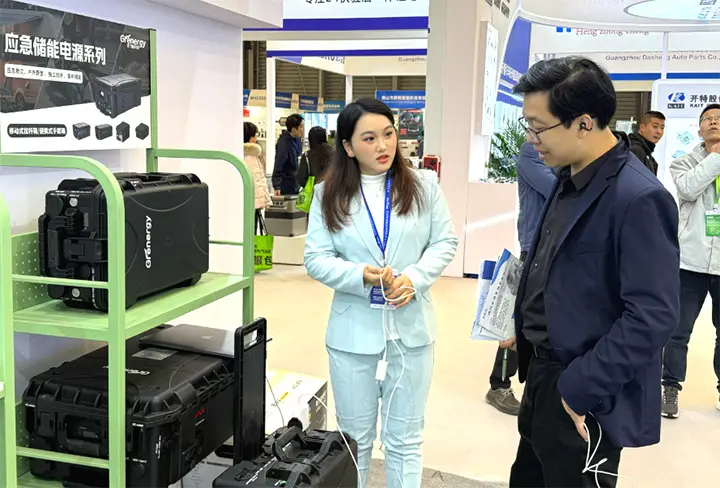
We work closely with global solar system integrators, inverter manufacturers, and microgrid developers to deliver high-quality energy storage solutions. These partnerships allow us to incorporate the latest advancements in energy management and power electronics into our systems, ensuring high efficiency and performance for our clients.
"Grenergy's high-voltage rack systems transformed our C&I factory microgrid. Their tech support team helped us navigate our local utility's interconnection requirements, and the system has operated reliably for over three years."
— Devendra P., Lead Microgrid Engineer (India)"The wall-mounted LiFePO4 batteries are very installer-friendly. Our residential solar clients appreciate the clean design, and the long cycle life has significantly reduced our warranty service calls."
— Marcus G., Operations Director (Germany)"Grenergy's portable power stations and trolley batteries have been highly reliable for our remote telecom backup sites, offering excellent vibration resistance and stable performance in harsh conditions."
— Sarah K., Procurement Manager (Australia)Technical answers to key engineering and purchasing questions about hybrid energy storage systems.
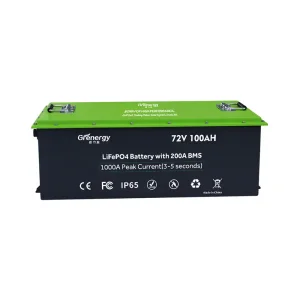
Engineered for extreme duty cycles, mobile homes, material handling fleets, and high-voltage commercial applications.
 Grenergy