Premium-grade lithium battery packs featuring advanced battery integration, intelligent management, and extreme thermal resilience.
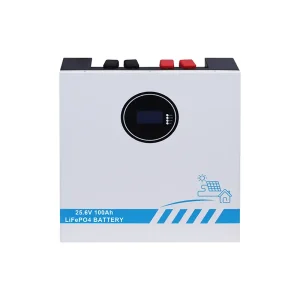
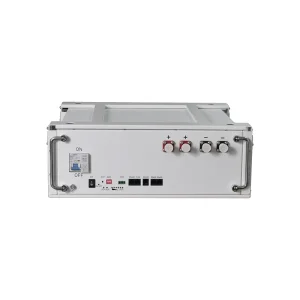
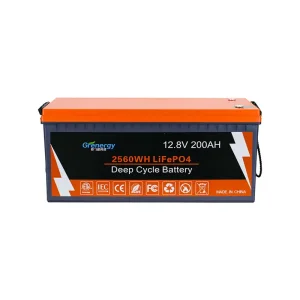
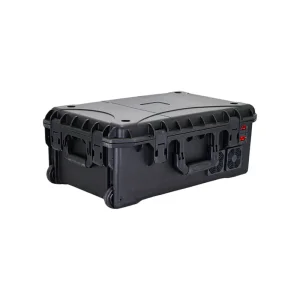
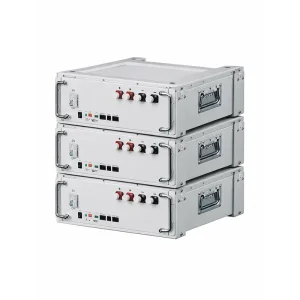
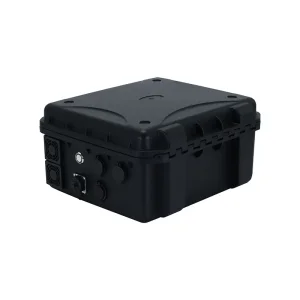
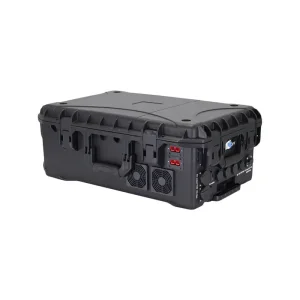
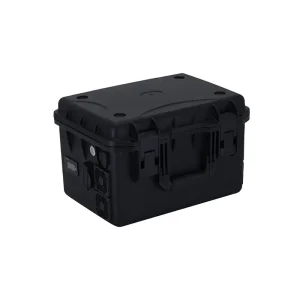
Established in 2010, Shenzhen Grenergy Technology Co., Ltd. is a premier high-tech enterprise specializing in the research, development, and advanced manufacturing of lithium batteries, comprehensive energy storage systems (ESS), motive power batteries, state-of-the-art battery management systems (BMS), and all-in-one integrated intelligent clean energy solutions. Grounded on an unwavering commitment to cutting-edge technological innovation, Grenergy serves as a trusted globally recognized supplier delivering high-efficiency and safety-engineered energy solutions to worldwide industrial, commercial, and utility markets.
"By integrating cell metallurgy, thermal design, software engineering, and intelligent grids, Grenergy develops systems that protect lives, lower operating costs, and pave the way for true decarbonization."
Our focus transcends the simple assembly of battery packs. We design our solutions from the electrochemical core level upward, tailoring cell chemistry combinations to optimize thermal performance, structural rigidity, cycling lifespan, and volumetric energy density. Through advanced power electronics integration and active balance algorithms, Grenergy ensures peak operating efficiency and unmatched system longevity across diverse application scenarios.

Analyzing the global paradigm shift towards highly flexible, safe, and long-cycle decentralized energy storage assets.
The global shift toward decentralized grids requires grid-edge energy systems with high cycle life, robust safety profiles, and smart communications. As intermittent renewable sources dominate, utility networks rely on energy storage systems to solve frequency regulation and peak demand challenges. At the industrial level, energy storage reduces peak demand charges, increases self-consumption rates, and offers secure backup power, preventing costly operational disruptions during grid outages.
LiFePO4 (Lithium Iron Phosphate) has emerged as the premier chemistry for stationary and commercial applications. Unlike cobalt-based options, LiFePO4 provides superior thermal runaway thresholds, eliminates toxic heavy metals, and yields lower Levelized Cost of Storage (LCOS). This chemistry easily achieves 6,000+ deep cycles at 80% Depth of Discharge (DoD), ensuring industrial facilities can rely on their assets for over 15 years.
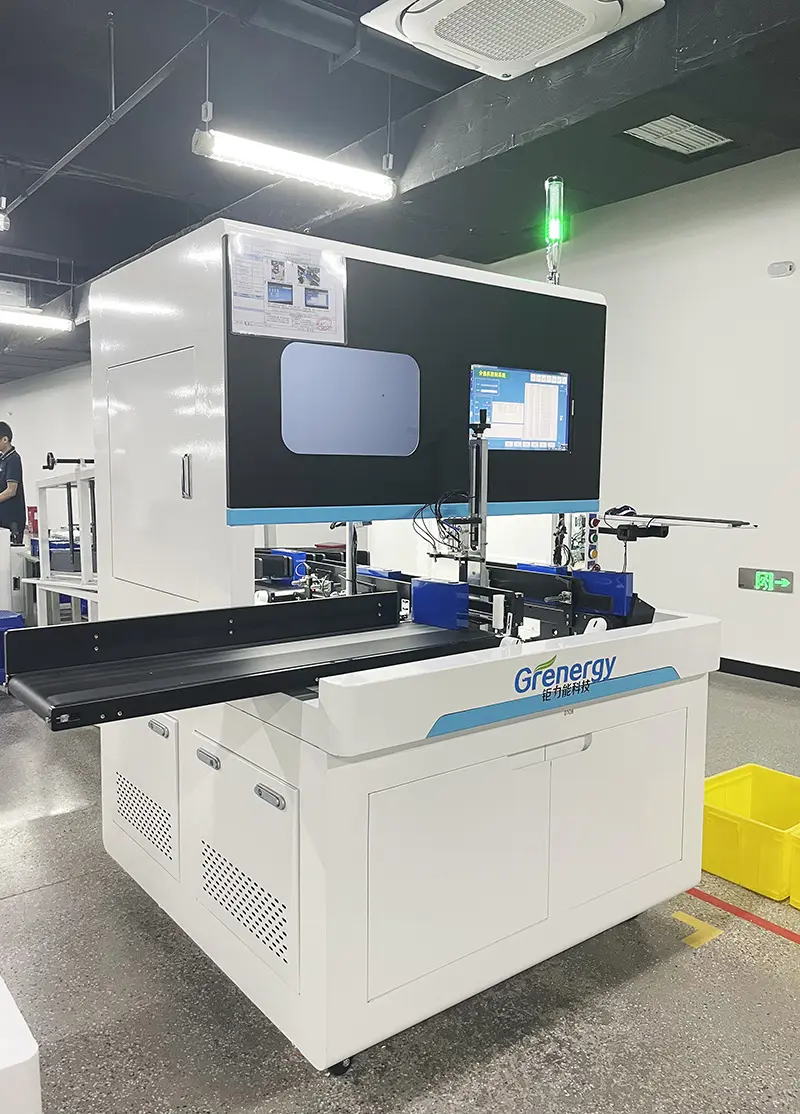
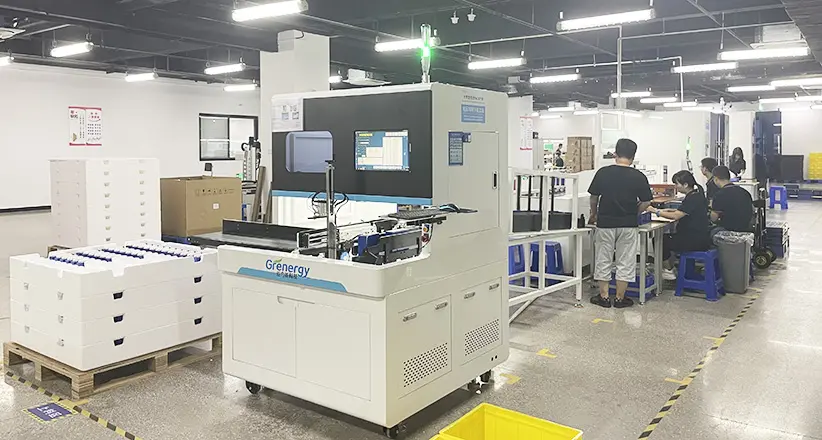
In modern C&I spaces, energy storage solutions do not simply act as clean standby generators. Instead, they function as dynamic financial assets. Through intelligent dispatch programs controlled by software integration, these systems charge during off-peak times (when electricity tariffs are low) and discharge during peak periods. This practice, known as peak shaving, reduces demand charges on commercial energy bills. Multi-megawatt projects can achieve return-on-investment (ROI) within 5 to 7 years depending on local utility structures.
Furthermore, as microgrids expand globally, Grenergy’s energy storage architectures act as the primary voltage source in isolated systems. Integrated with solar arrays and local generators, these advanced battery enclosures offer high short-circuit tolerance, enabling smooth start-up currents for heavy machinery and inductive loads without damaging sensitive electronic equipment.
An engineering breakdown of thermal, structural, and control parameters defining Grenergy's battery modules.
Our LiFePO4 cells are rated to preserve >80% capacity even after 6,000 charge/discharge cycles. The strong covalent bonding of phosphate ions prevents structure collapse during high-depth cycling.
Features real-time cell monitoring, over-charge, over-discharge, over-current, short-circuit, and thermal runaways protections. Relocates energy dynamically from high to low cells.
Maintains structural stability up to 600°C without oxygen release. Features built-in flame arrestors and mechanical pressure valves to handle cell anomalies safely.
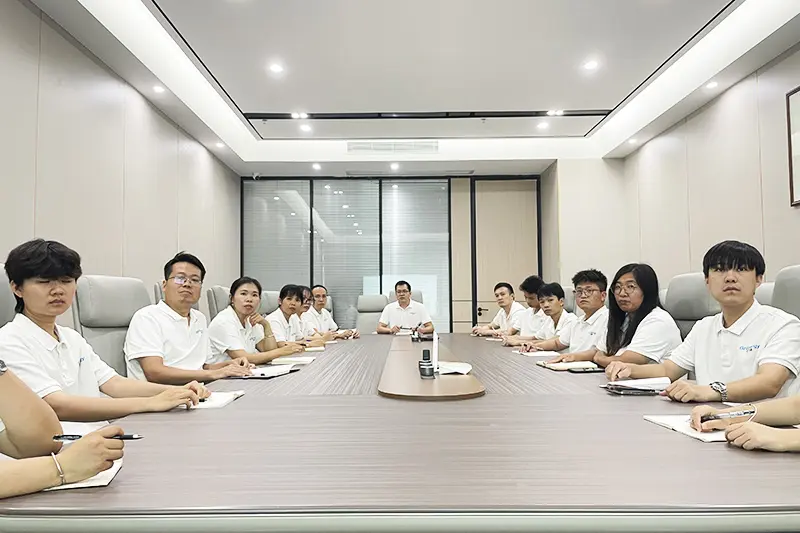
In addition to cell quality, a battery pack's safety relies on its Battery Management System (BMS). Grenergy's proprietary BMS platform uses high-precision analog-to-digital converters to track voltage fluctuations down to the millivolt level. By integrating active balancing, energy shifts dynamically between cells during the charge cycle, maximizing usable capacity and preventing early cell degradation. The system includes dual-channel temperature sensors inside every module, enabling automatic shutdown before high thermal limits are reached.
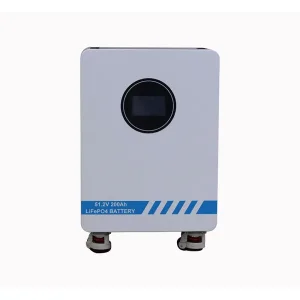
Since our founding, Grenergy has focused on developing sustainable energy systems to meet the rising demand for efficient, reliable, and eco-friendly power. Over a decade of engineering research has resulted in a broad, high-performance product portfolio. This range includes lead-acid replacement lithium batteries, wall-mounted power walls, portable power stations, mobile home energy storage, and trolley box power stations. We are dedicated to increasing energy efficiency while minimizing environmental impact.
Integrity, innovation, and client satisfaction form the core foundation of our growth. Grenergy’s history is defined by continuous improvement, expanding production capabilities, and delivering advanced energy storage systems to individuals and businesses globally.
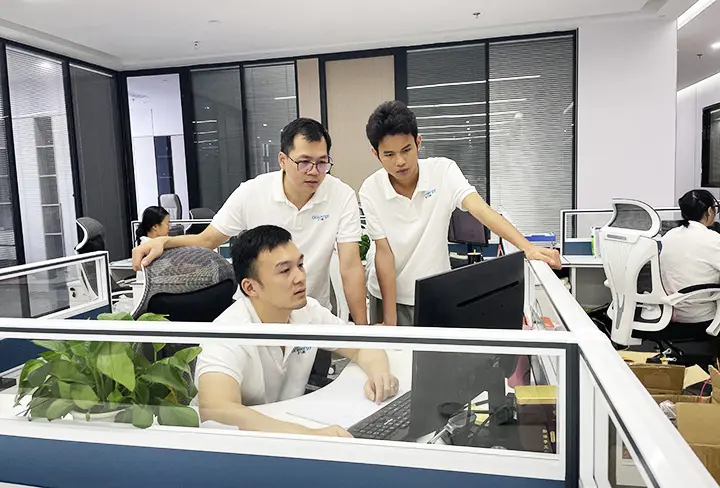
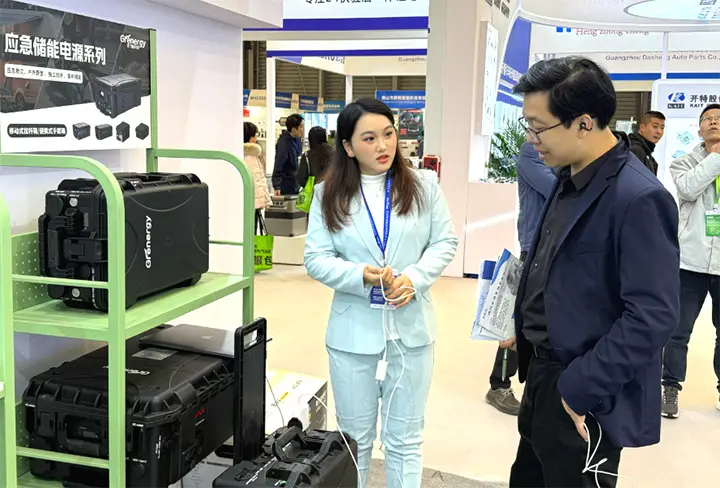
We partner with leading global organizations and technology providers to integrate the latest advancements in energy storage and management. These collaborations enable us to deliver highly efficient, innovative solutions to our clients.
Our engineering teams work closely with global inverter brands to ensure plug-and-play compatibility, simplifying system integration. This network helps clients deploy robust, low-maintenance power solutions worldwide.
Ensuring safety and regulatory compliance across diverse environmental and legal jurisdictions.
Deploying energy storage systems globally requires compliance with regional safety, environmental, and network integration codes. A system designed for residential use in Germany must meet different grid-feed-in regulations and safety standards than an industrial container system in the United States or a telecom backup module in Japan.
Grenergy designs systems to meet and exceed global certification requirements. Our products are tested to international standards, including: ISO9001 for quality management, ISO14001 for environmental protection, ISO45001 for occupational health and safety, along with UL, CE, FCC, PSE, and UN38.3 certifications. To protect client operations, all products are backed by a third-party product liability insurance policy worth $3,000,000 USD.
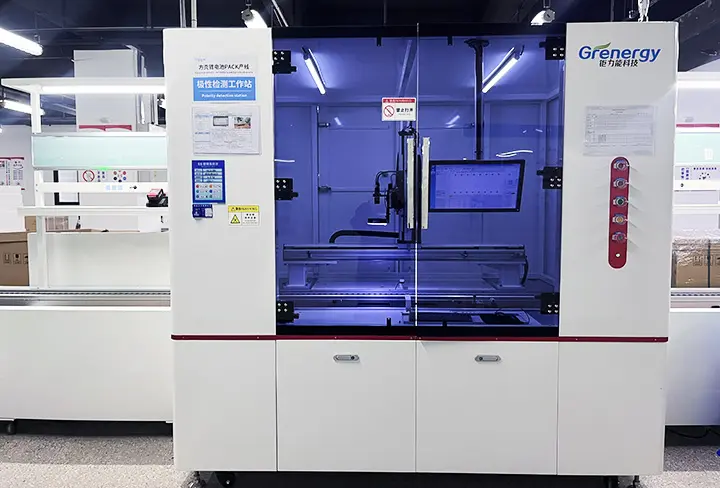
Our solutions adapt to various localized environmental challenges:
Evaluating upcoming innovations in solid-state cells, alternative chemistries, and AI-driven grid optimization.
The energy storage industry continues to evolve, and Grenergy is committed to leading future innovations. Our research and development teams focus on key areas to advance the capabilities of energy systems:
While LiFePO4 remains the standard for energy density and life cycle, sodium-ion technology provides an alternative with excellent low-temperature performance and abundant raw materials. We are developing sodium-ion power walls designed for cold climates where extreme discharge rates are prioritized over high volumetric density.
Solid-state batteries replace volatile liquid organic solvents with solid ceramic or polymer barriers, improving safety. Our long-term roadmap includes solid-state cells to eliminate thermal runaway risks in residential and marine applications.
Future energy systems will be highly interconnected. Grenergy is developing BMS platforms with integrated IoT edge software. These systems communicate with local utility operators to form Virtual Power Plants, allowing grouped batteries to respond to grid demands and generate revenue for owners.
Providing transparent, technically accurate answers to common questions about battery systems.
LiFePO4 (Lithium Iron Phosphate) offers superior safety compared to NCM (Nickel Cobalt Manganese) due to its stable olivine crystalline structure. The covalent P-O bond is stronger than the metal-oxygen bonds in NCM, remaining stable at high temperatures and resisting oxygen release during electrical or mechanical abuse. This higher thermal runaway threshold (approx. 270°C vs NCM's 200°C) prevents self-sustaining fires.
Extreme temperatures can impact battery performance. Low temperatures increase internal resistance and risk lithium plating during charging, while high temperatures accelerate cell degradation. Grenergy systems use active thermal management, integrating heated blankets for cold conditions and balanced heatsinks or air cooling for hot climates. This maintains internal temperatures within an optimal 15°C to 35°C range.
Passive balancing dissipates excess energy from high-voltage cells as heat through resistors, wasting energy. Grenergy's active balancing system transfers energy dynamically from higher-charged cells to lower-charged cells. This reduces heat generation, increases system efficiency, and extends the overall life of the battery pack.
Grid-connected batteries must meet national and international standards. Key certifications include UL 1973 (for stationary battery packs) and UL 9540 (for complete energy storage systems, incorporating thermal runaway tests under UL 9540A). In Europe, CE compliance and IEC 62619 standards are required, while Japan relies on PSE certification. Safe international transport requires UN 38.3 testing.
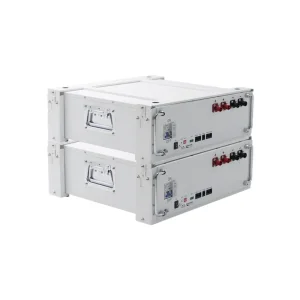
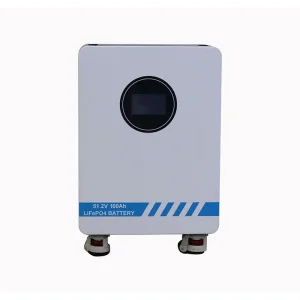
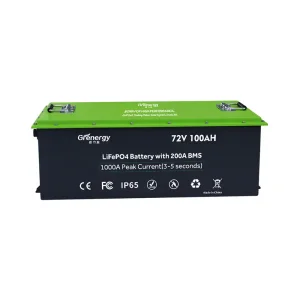
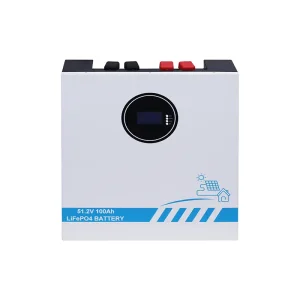
From robust utility vehicle battery modules to high-capacity cabinet systems, discover our specialized portfolio.
 Grenergy