Explore our high-performance lithium and custom solid battery storage solutions engineered for global commercial, industrial, and recreational projects.
The global transition towards zero-emission energy grids has placed unprecedented demand on electrochemical storage systems. As traditional liquid electrolyte lithium-ion batteries approach their theoretical boundaries of energy density and thermal resilience, the energy sector is undergoing a profound paradigm shift. This evolution is driven by the deployment of advanced solid-state and semi-solid-state architectures, alongside refined Lithium Iron Phosphate (LiFePO₄) chemistry.
By replacing traditional organic liquid electrolytes with inorganic solid-state alternatives or gel/polymer layers, manufacturers have mitigated the most pressing challenge of large-scale storage: thermal runaway. This revolution delivers an unprecedented level of safety, preventing catastrophic failure from internal dendritic cell growth while substantially elevating cycling longevity, operating temperature thresholds, and chemical stability.

How global infrastructure, regulatory policies, and industrial ESG targets drive the integration of high-density battery storage arrays.
Utility companies are actively migrating from gas-peaker plants to centralized battery storage modules. Solid battery systems offer high continuous current capabilities, stabilizing microgrids against clean energy intermittency from wind and solar.
Facilities handling sensitive operations—such as data centers, chemical plants, and heavy fabrication centers—mandate advanced solid and LFP chemistries. High resistance to thermal runaway minimizes structural insurance premiums and ensures fire-safe deployments.
Commercial enterprises leverage high-voltage floor-mounted and rack-mounted battery systems to store inexpensive off-peak energy, deploying it during peak-tariff windows to significantly lower the levelized cost of energy (LCOE).
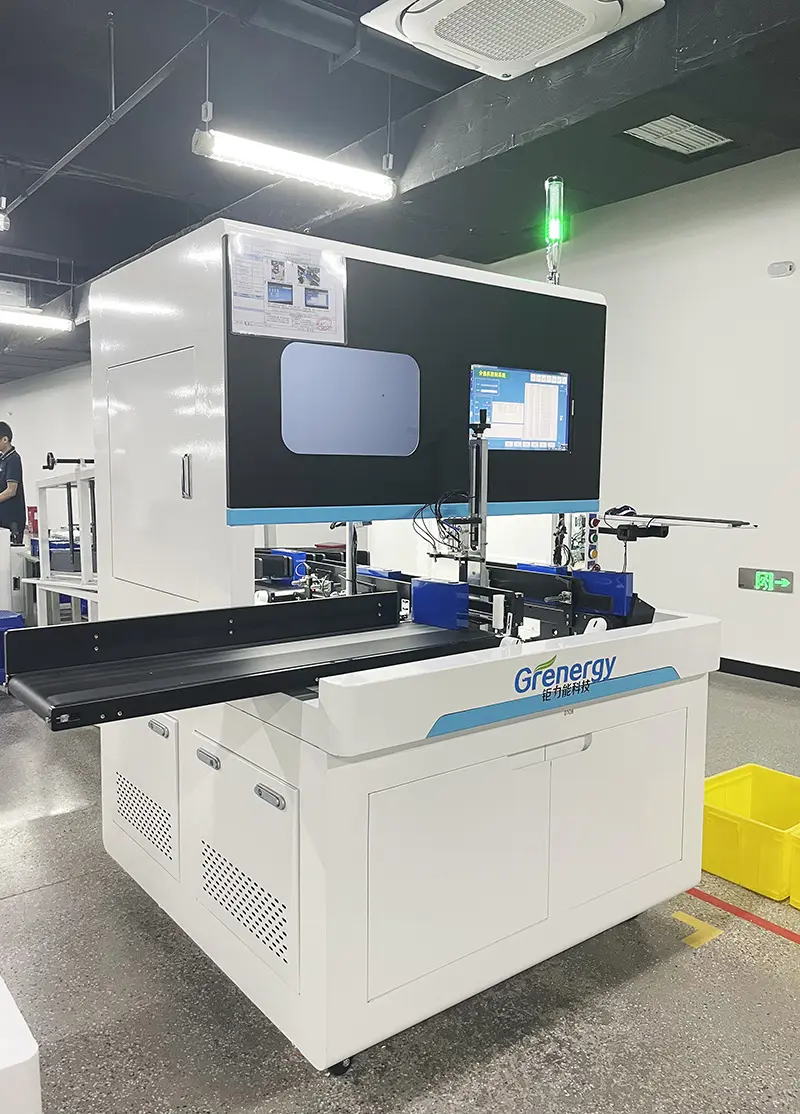
China's global dominance in lithium energy storage manufacturing lies in its vertically integrated supply chain ecosystem. Unlike fragmented production processes worldwide, Chinese manufacturing clusters, particularly in innovation hubs like Shenzhen, combine raw mineral refining, component synthesis, precision BMS development, and assembly within minimal geographical margins.
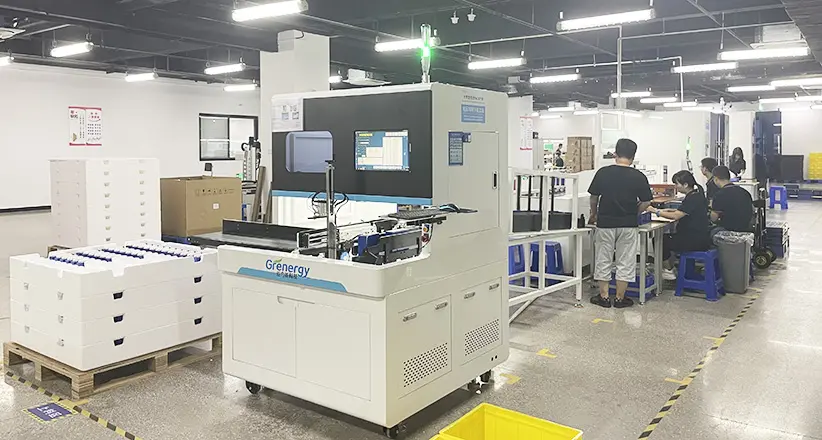
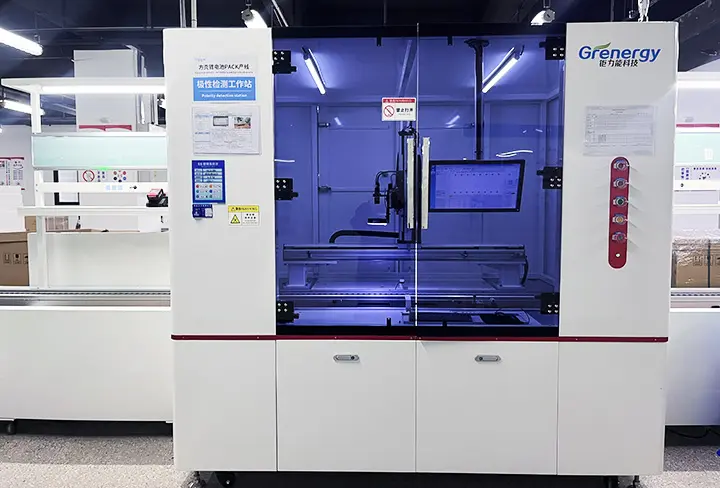
This structural synergy allows high-precision companies like Shenzhen Grenergy Technology Co., Ltd. to optimize manufacturing costs and quality control systematically. Over 10,000 square meters of production space, automated laser-welding setups, cell-matching technologies, and high-temperature aging chambers ensure that every battery module achieves extreme consistency, reducing internal resistance deviations and extending standard operational lifecycles.
Understanding how different high-performance lithium systems are configured to meet specific engineering challenges on the ground.
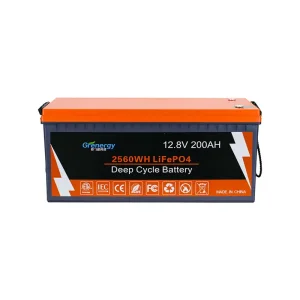
Off-grid mobility requires batteries that withstand continuous mechanical vibration, moisture, and extreme temperatures. The 12.8V 200Ah deep-cycle LiFePO₄ battery delivers robust, lightweight, and long-lasting house power without maintenance hazards.
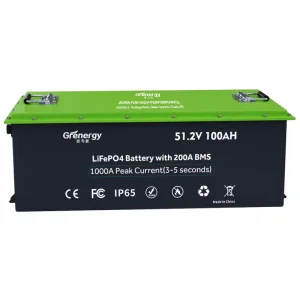
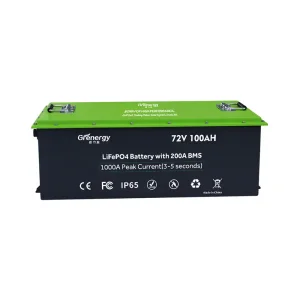
Light electric vehicles rely on instant torque and steady voltage discharge. High-voltage 51.2V and 76.8V custom configurations replace sluggish lead-acid packs, reducing vehicle weight by 70% while supporting rapid opportunity charging.
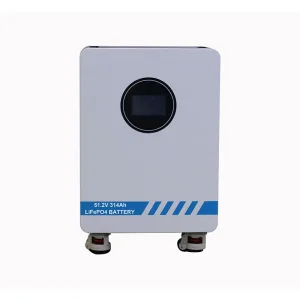
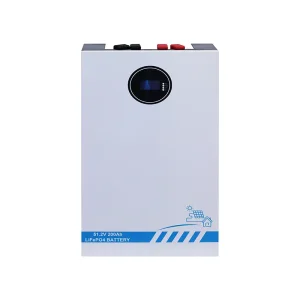
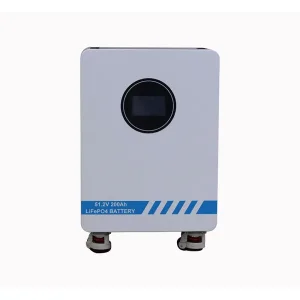
Home storage requires space efficiency and sleek designs. Wall-mounted and floor-mounted backup batteries (such as 51.2V 314Ah models) offer high-capacity footprint solutions that blend with modern home design while delivering critical black-start safety.
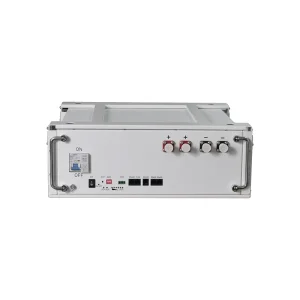
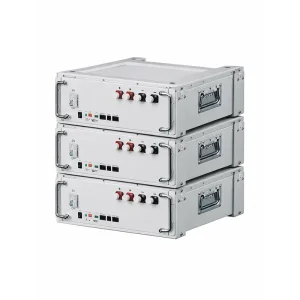
Data center networks and server infrastructure operate under tight spaces. Modular rack-mounted ESS cabinets allow seamless scalability, allowing network engineers to daisy-chain storage banks to match fluctuating workload power demands.
Procuring battery energy storage systems (BESS) at scale requires strict adherence to international safety, regulatory, and engineering baselines. Experienced global procurement officers evaluate potential battery manufacturers through a comprehensive risk-management framework that goes beyond simple cost per kilowatt-hour ($/kWh).
Established
Production Space
Skilled Professionals
Liability Insurance
Where the technology is heading in the next five years, focusing on chemistries, smart software, and sustainability.
Future energy storage systems will increasingly rely on artificial intelligence at the edge to predict cell degradation, execute real-time thermal throttling, and optimize internal cell-balancing algorithms to ensure uniform aging across massive industrial packs.
As battery arrays scale globally, environmental stewardship is paramount. Manufacturers are refining recycling-friendly LFP structural architectures, enabling simple chemical recovery processes to reclaim copper, aluminum, and lithium iron phosphate components.
The transition from semi-solid gel to true polymer or ceramic solid-state electrolytes continues to accelerate. Commercial factories are upgrading pilot lines to achieve mass scalability, pointing toward a future with double the volumetric energy density.
Established in 2010, Shenzhen Grenergy Technology Co., Ltd. is a high-tech enterprise specializing in the research, development, and manufacturing of lithium batteries, large-scale energy storage systems (ESS), vehicle power batteries, smart battery management systems (BMS), and all-in-one customized clean energy solutions.
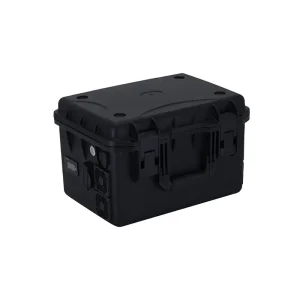
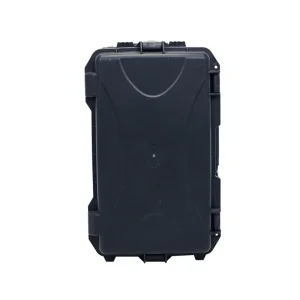
With an unwavering commitment to engineering innovation, Grenergy has positioned itself as a reliable OEM and ODM partner for clients across North America, Europe, Australia, and East Asia. The company's diverse product portfolio features lead-acid replacement lithium packs, wall-mounted power walls, portable backup generators, rolling trolley box power systems, and containerized industrial storage setups.
By blending stringent ISO9001/14001/45001 manufacturing frameworks with international certifications including UL, CE, FCC, PSE, and UN38.3, Grenergy guarantees that its products meet strict grid and consumer safety codes worldwide, serving key partners in renewable energy, heavy logistics, and defense sectors.
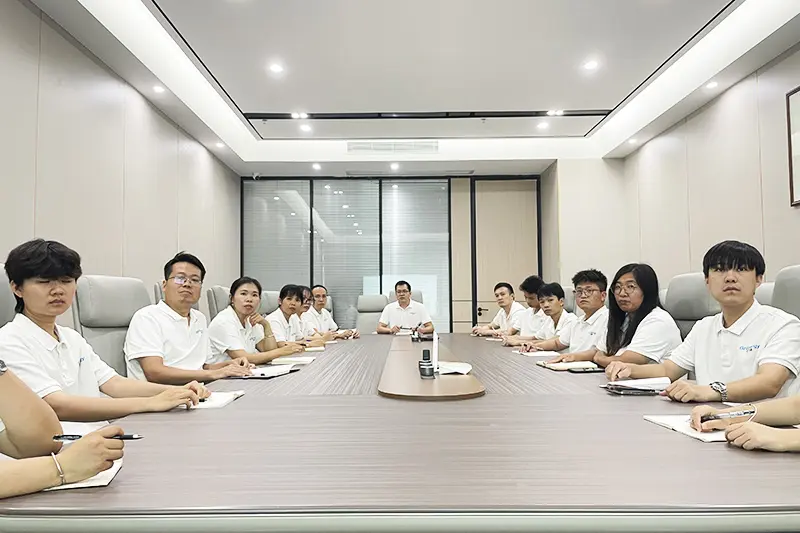
From our foundation in 2010, Grenergy's core mission has been to build efficient, safe, and clean energy solutions. We envision a sustainable grid infrastructure where renewable resources supply continuous power. Decades of engineering research and testing have transformed us into a trusted partner for global commercial enterprises transitioning to high-efficiency battery solutions.
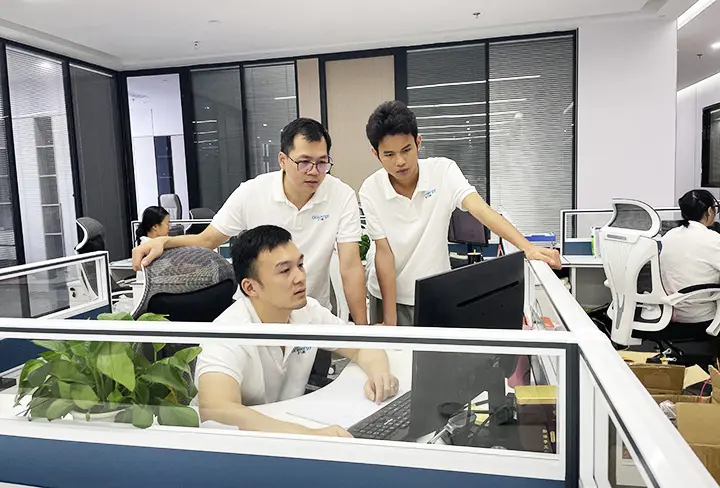
We collaborate with major chemical suppliers, silicon wafer innovators, and global logistics providers. These partnerships keep our products at the forefront of battery technology and smart power distribution. By integrating advanced semiconductor solutions into our BMS, we provide clients with reliable hardware and software integration.
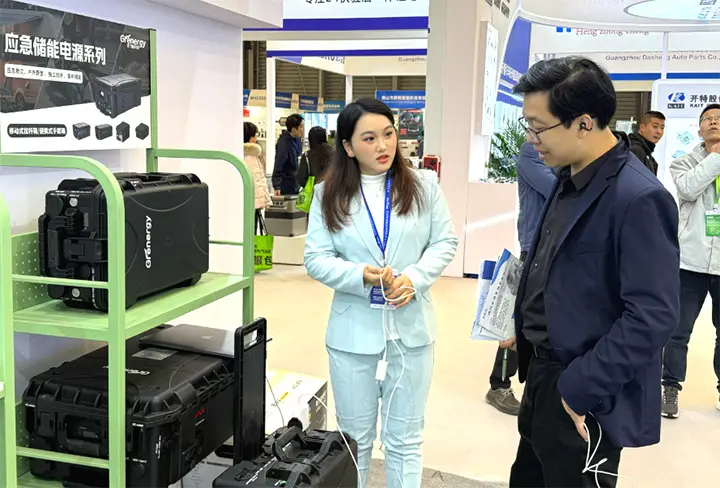
"Shenzhen Grenergy's high-capacity floor-mounted systems transformed our microgrid project. The structural reliability and built-in safety features helped us navigate municipal approval processes smoothly. The $3M product liability insurance gives us peace of mind."
— Engineering Director, European Utility Grid Provider
In-depth structural, chemical, and logistics answers to common questions raised by engineers and procurement managers.
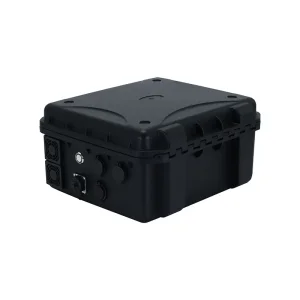
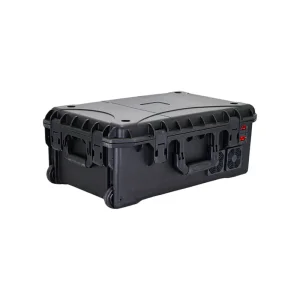
Explore our compact power stations, rack-mountable modules, and industrial trolley systems designed for off-grid mobility and emergency backup.
 Grenergy