Explore our highly integrated LiFePO₄ and backup power options customized to replace legacy AGM setups in global markets.
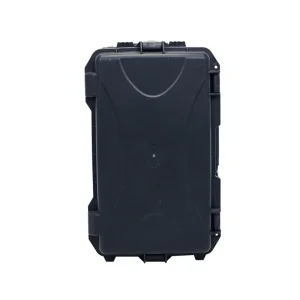
ODM 25.6V 100Ah LiFePO₄ Power Station Battery with 1500W Inverter (2560Wh) Manufacturers, Factories
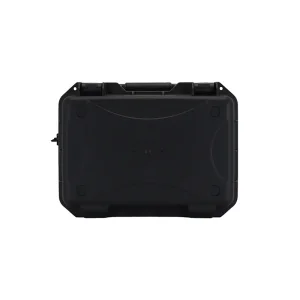
Famous Compact Portable Power Station for Outdoor Use Product, Exporters
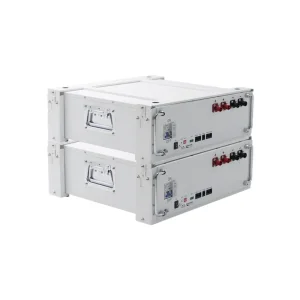
Famous Rack-Mounted LiFePO4 Battery for System Integration Manufacturers, Company
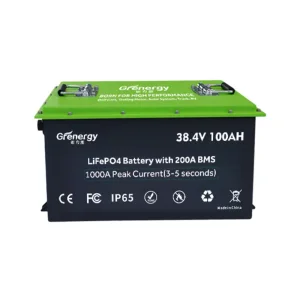
OEM 100Ah Lithium Battery for Golf Carts & Electric Utility Vehicles Factories, Factory
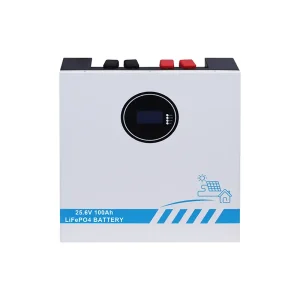
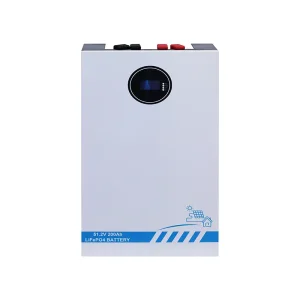
Custom Installer-Friendly Wall-Mounted LiFePO4 Battery Manufacturers, Factory
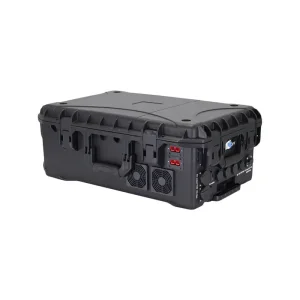
Custom 5kWh LiFePO₄ Home Energy Storage Battery Supplier, Suppliers
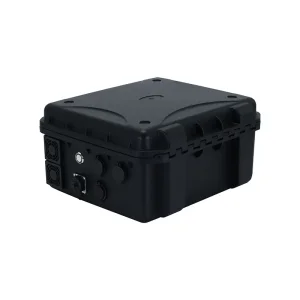
OEM Compact 25.6V 42Ah Backup Power Station Exporters, Factories
Understanding the difference in depth of discharge, cycle life, energy efficiency, and operational safety metrics when selecting battery topologies.
| Performance Parameter | 100Ah LiFePO₄ (Lithium Iron Phosphate) | 100Ah AGM (Absorbent Glass Mat) |
|---|---|---|
| Usable Capacity | Up to 100% Depth of Discharge (DoD) without cell degradation. Highly Efficient | Typically limited to 50% DoD to preserve service life. |
| Cycle Life (80% DoD) | 4,000 - 6,000 cycles (typical of Grenergy industrial cells). | 300 - 500 cycles before significant capacity decay. |
| Weight & Footprint | ~11 - 13 kg (Ultra-lightweight, high energy density). | ~28 - 32 kg (Heavy, dense lead-acid construct). |
| Charge Efficiency | 95 - 98% round-trip efficiency. Supports fast charging. | 80 - 85% round-trip. Slow saturation phase required. |
| Management Systems | Integrated Smart BMS monitors voltage, temperature, and balances cells. | Passive system. Susceptible to thermal runaway and sulfation. |
| 10-Year Lifecycle Cost | Extremely low cost per cycle; capital expenditure amortized. | High lifetime cost due to 3-4x replacement cycles. |
Lithium Iron Phosphate (LiFePO₄) utilizes a stable crystalline structure that resists thermal degradation. AGM, conversely, relies on lead plates suspended in sulfuric acid absorbed by fiberglass. Over time, heavy cycling in AGM causes sulfation of the plates, reducing capacity and voltage retention, especially under high current demands.
A 100Ah Lithium battery maintains consistent voltage discharge above 12.8V throughout 90% of its discharge path. In contrast, an AGM battery suffers from voltage sag under loads greater than 0.2C (Peukert's law effect), effectively reducing its real-world capacity when powering high-wattage equipment or large inverters.
While the initial cost to purchase an AGM battery is lower, industrial buyers prioritize LCOS. Over a 10-year period, replacing AGM batteries multiple times due to cyclical fatigue results in 2-3 times more investment in replacement procurement, maintenance labor, and system downtime compared to a single lithium system.
How utilities, data centers, telecoms, and automotive fleets are transitioning to intelligent lithium energy storage arrays.
Distributed microgrids in remote locations rely heavily on battery storage to buffer solar variability. LiFePO₄ batteries, such as our 51.2V 100Ah Floor-Mounted Home Storage Systems, support peak shaving and load shifting. Their rapid recharge times enable operators to harvest maximum solar energy within brief daylight windows.
Uninterrupted Power Supplies (UPS) in telecom base transceiver stations (BTS) require robust cells that survive elevated environmental temperatures. Deploying rack-mounted 100Ah lithium packs eliminates the intensive air conditioning requirements that lead-acid AGM setups demand, dropping operational expenses (OPEX) dramatically.
Material handling equipment, automated guided vehicles (AGVs), and golf fleets require continuous operation. AGM batteries degrade fast under dynamic charging and suffer from long recharge times. OEM 100Ah Lithium setups support opportunity charging during shift breaks, minimizing fleet downtime.
Over a decade of manufacturing high-integrity lithium cells, battery management systems, and specialized energy solutions.

Established in 2010, Shenzhen Grenergy Technology Co., Ltd. is a premier high-tech enterprise specializing in R&D and manufacturing advanced lithium batteries, energy storage systems, power batteries, battery management systems (BMS), and all-in-one customized integration platforms.
With an unwavering focus on technological innovation and top-tier product build quality, Grenergy has successfully engineered reliable energy storage solutions deployed in residential, industrial, and heavy commercial systems worldwide.
Since its inception in 2010, Grenergy has focused on pioneering sustainable energy technologies that replace outdated, high-maintenance energy formats. Over 10+ years of active market presence, the brand has developed custom variations, including: lead-acid replacement lithium units, wall-mounted power walls, portable power generators, and high-density trolley cases.
By prioritizing long-term value, reliability, and environmental preservation, Grenergy helps commercial entities transition into zero-carbon microgrids while boosting overall power stability.
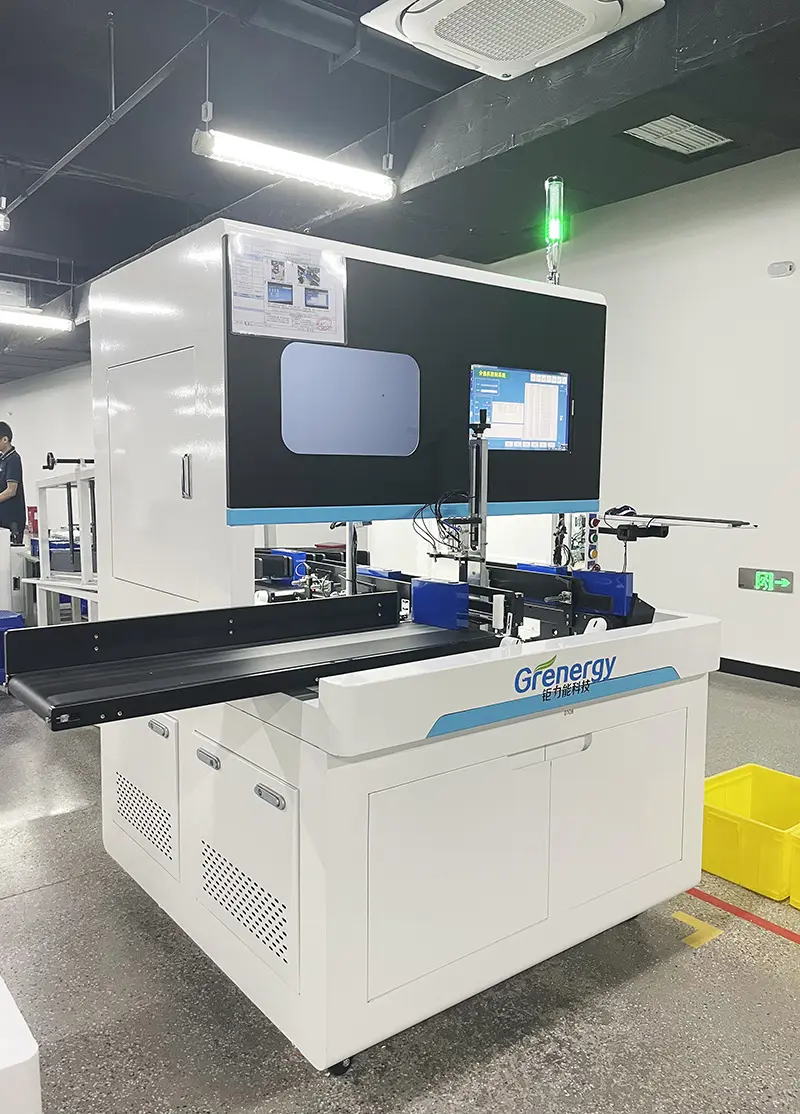
Discover how Grenergy uses strict testing parameters to ensure high performance under rugged and diverse environmental conditions.
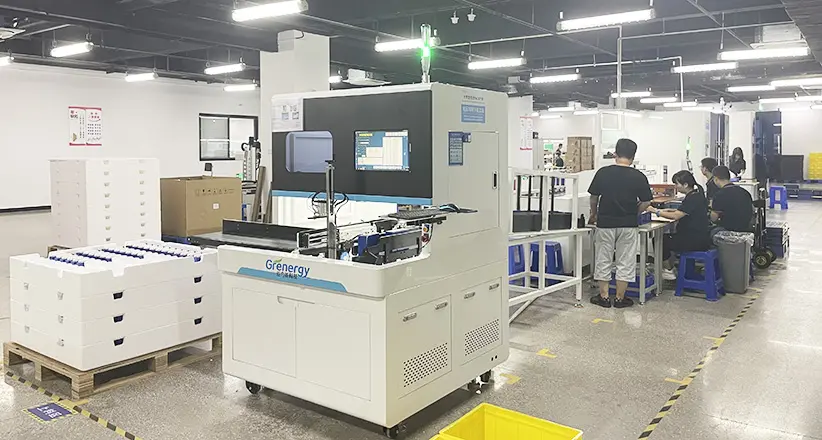
Every single lithium pack undergoes meticulous performance tests, capacity grading, dynamic internal resistance measurements, and elevated cycle testing under different temperatures before leaving the line.
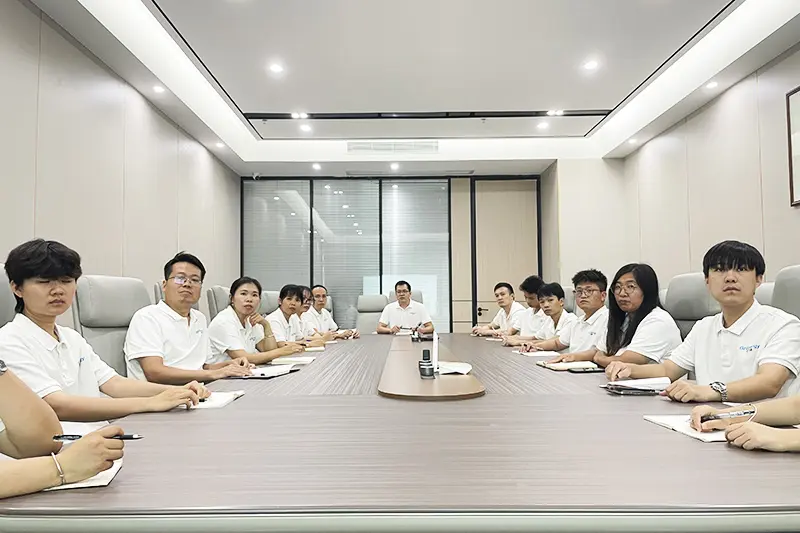
All shipments are fully certified under UN38.3 packaging guidelines, guaranteeing safety during international transport. The $3M product liability insurance gives global buyers absolute peace of mind.
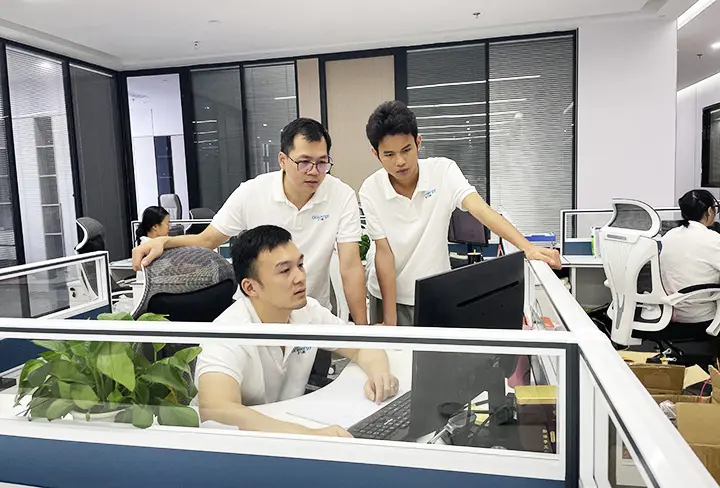
From complex PCB layouts and BMS logic programming to outer chassis styling, we optimize systems to match your application's spatial constraints and electrical properties.
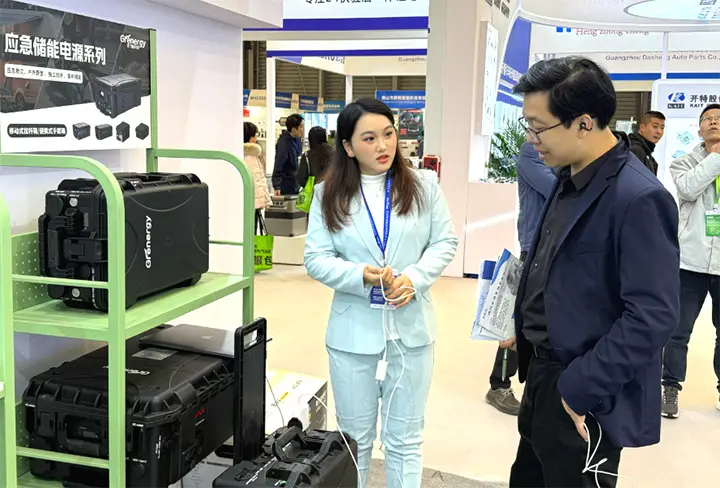
We source high-grade lithium iron phosphate cells with strict cell-to-cell consistency, leading to more stable, reliable multi-cell battery packs over long operational periods.
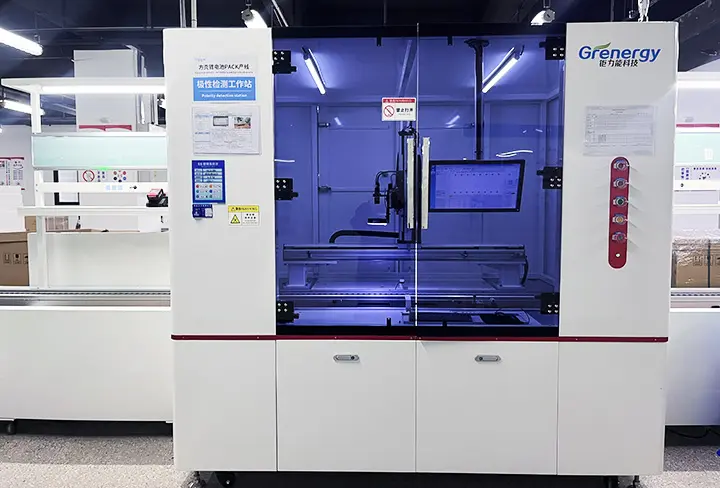
Grenergy partners with industrial energy developers, off-grid telecom engineers, and vehicle manufacturers globally, offering customized power storage solutions that easily integrate with legacy systems.
Leverage our expert team of electrical engineers to transition your systems from AGM to high-density Lithium chemistry.
Contact EngineeringOperating across various regions requires strict alignment with localized distribution protocols, grid integration codes, and safety standards.
For residential and commercial energy storage systems (BESS), compliance with localized grid regulations is essential. Our systems meet key grid codes like IEEE 1547 and UL 1741 in North America, as well as VDE-AR-N 4105 in Europe, ensuring stable interconnection with utility systems.
Our lithium batteries follow strict environmental standards, including RoHS, REACH, and the EU Battery Regulation, ensuring low environmental impact. Our factories prioritize eco-friendly manufacturing methods to support carbon reduction goals.
We work with international test labs (TUV, Intertek, SGS) to run localized field tests. This ensures our lithium solutions operate reliably in extreme environments, including coastal areas with high humidity and cold Northern climates.
Strategic directions in cell chemistry, smart BMS software, and sustainable manufacturing practices.
We are researching solid-state lithium technologies to provide higher energy densities and even greater safety profiles. Over the next decade, solid-state designs will reduce footprint and weight further, making them highly competitive replacements for legacy AGM batteries in sensitive applications.
Our upcoming BMS models feature built-in IoT connectivity, allowing users to monitor temperature, voltage, and health stats via cloud dashboards. These predictive analytics help identify potential performance issues before they cause system downtime.
Sustainable production is central to our roadmap. We are developing structured recycling and battery second-life programs, making sure materials are recovered efficiently. This initiative helps minimize waste and helps our partners meet global sustainability goals.
Explore high-capacity rack-mounted, wall-mounted, and heavy-duty trolley options engineered for demanding applications.
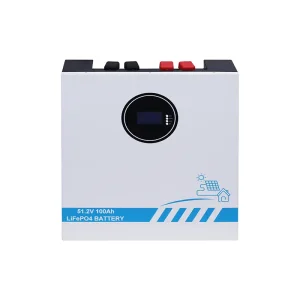
High-Quality 5.12kWh Wall-Mounted LiFePO4 Home Battery Companies, Company
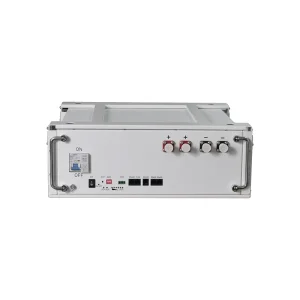
ODM Compact & Reliable Rack-Mounted Energy Storage Supplier, Service
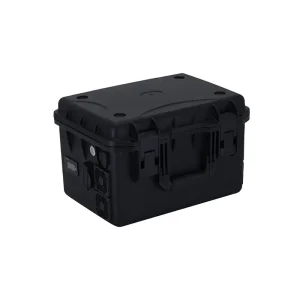
Best 51.2V 42Ah Power Station for Emergency Backup Manufacturers, Service
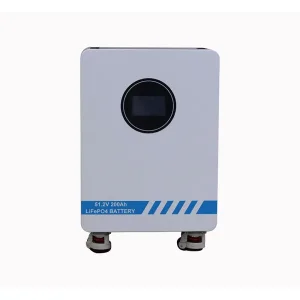
High-Quality 51.2V 200Ah ESS Battery, Floor-Mounted Cabinet Style Manufacturers, Factory
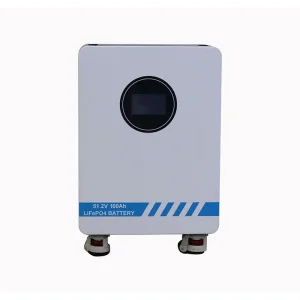
Famous 51.2V 100Ah Floor-Mounted LiFePO4 Battery for Home Energy Storage Suppliers, Product
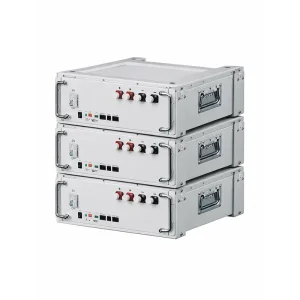
High-Quality High-Capacity 51.2V 314Ah Rack-Mounted Battery Manufacturer, Exporter
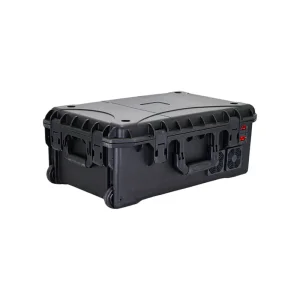
OEM 7.68kWh LiFePO₄ Trolley Power Station for Outdoor Use Company, Exporters
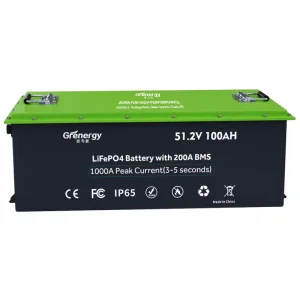
High-Quality Efficient Golf Cart Battery 51.2V 100Ah Product, Exporter
Answers to common technical questions from procurement departments and battery system integrators.
 Grenergy