For global industrial buyers, procurement directors, and system integrators, selecting the ideal electrochemical storage technology is critical. This comprehensive comparative analysis details the operational thresholds, lifetime economics, and performance dynamics of Absorbent Glass Mat (AGM) vs. Lithium Iron Phosphate (LiFePO4) chemistries.
Absorbent Glass Mat (AGM) batteries have served as the standby industrial standard for decades. Employing a saturated glass mat separator between lead plates, they offer low upfront acquisition costs and maintenance-free operation relative to flooded lead-acid variants. However, AGM systems suffer from severe physical and chemical constraints.
Under realistic operational environments, AGM batteries are limited by a nominal Depth of Discharge (DoD) of 50%. Exceeding this threshold results in rapid grid corrosion and active material degradation, slashing the battery's operating lifetime from approximately 500 cycles down to fewer than 200 cycles. Additionally, their heavy weight (low gravimetric energy density) and long charge cycle times degrade efficiency in dynamic configurations.

Lithium Iron Phosphate (LiFePO4) has emerged as the premier choice for commercial energy storage system (ESS), specialty motive power (golf carts, EVs), and deep-cycle applications. LiFePO4 batteries deliver exceptional thermal stability, a high level of intrinsic safety, and deep discharge tolerances without compromises.
Unlike AGM, Lithium systems operate at up to 90%-100% depth of discharge with negligible degradation, providing consistently high voltage outputs throughout the discharge curve. A modern LiFePO4 cell maintains upwards of 4,000 to 6,000 cycles at 80% DoD before its capacity drops to 80% of its initial rating. This translates directly to a dramatically lower Levelized Cost of Storage (LCOS) and eliminates the frequent replacement logistics associated with lead-acid infrastructure.
A direct, quantifiable comparison illustrating the efficiency gains, longevity, and overall return on investment when moving from lead-acid technology to lithium iron phosphate systems.
| Performance Metric | AGM Battery (Lead-Acid) | LiFePO4 (Lithium) | Strategic Advantage |
|---|---|---|---|
| Cycle Life (at 80% DoD) | 350 - 500 Cycles | 4,000 - 6,000+ Cycles | 10x Longevity |
| Depth of Discharge (DoD) | 50% recommended (Max 60%) | 80% - 100% operational | Double Usable Power |
| Energy Density (Weight/Size) | Low (30-40 Wh/kg) - Extremely Heavy | High (100-140 Wh/kg) - Lightweight | 70% Weight Reduction |
| Round-Trip Efficiency | 75% - 80% (High losses as heat) | 95% - 98% (Extremely low losses) | Lower Electricity Costs |
| Charging Duration | 8 to 10 Hours (Slow absorption phase) | 1 to 2 Hours (Rapid charge capability) | Minimal Downtime |
| Integrated Intelligence (BMS) | None (External voltage sensing only) | Active smart BMS (Cell balancing, protection) | Enhanced System Safety |
| Initial Capital Expense (CapEx) | Low Initial Purchase Price | Higher Upfront Purchase Price | Initial Cost Premium |
| Total Cost of Ownership (TCO) | High (Requires 3-4 replacements over 10 yrs) | Lowest (Zero maintenance, zero replacements) | Saves 50%+ Over Lifetime |
Evaluating battery architecture requirements across critical infrastructure, residential microgrids, and mobile electric platforms.
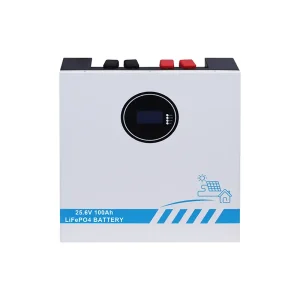
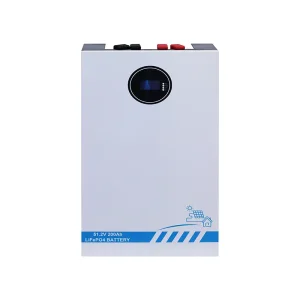
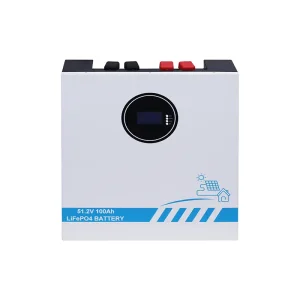
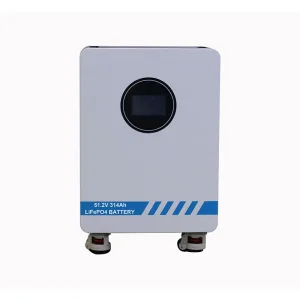
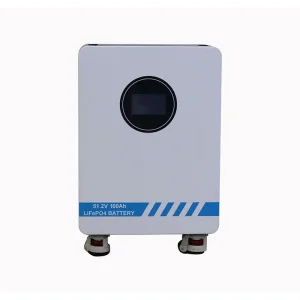
For modern smart-home applications, space optimization and system safety are paramount. Wall-mounted lithium systems (like our 5.12kWh and 5kWh LiFePO4 batteries) integrate directly with hybrid solar inverters. Unlike heavy AGM banks that emit hydrogen gas during overcharging and require dedicated ventilation, lithium batteries offer high energy density, zero toxic emissions, and can be installed safely in living spaces, utility closets, or garages.
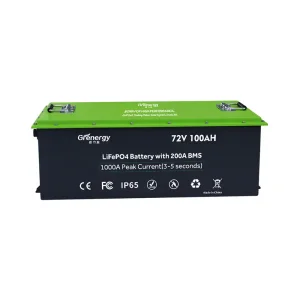
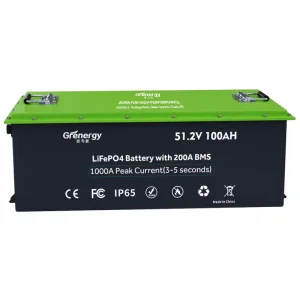
Electric utility vehicles and golf carts require constant torque, rapid acceleration, and fast recharge turnarounds. Switching from lead-acid to high-voltage ODM 76.8V/51.2V lithium solutions reduces vehicle weight by up to 300 lbs. This weight reduction directly enhances motor efficiency, reduces wear and tear on suspensions, and eliminates the voltage drop (sag) common to AGM batteries under steep inclines or heavy loads.
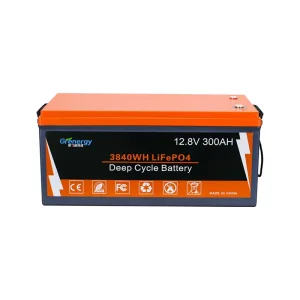
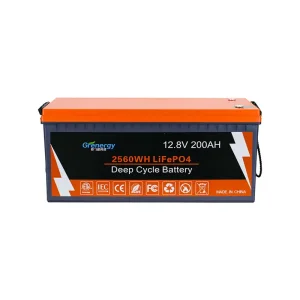
Recreational vehicles and marine crafts require resilient power backups capable of handling deep cycling under humid, high-vibration conditions. High-capacity 12.8V 200Ah and 300Ah LiFePO4 batteries feature robust physical casing and specialized active cell balancing. This prevents premature cell failure caused by continuous vibration on rough terrain or waves, ensuring reliable power for air conditioners, navigation gear, and cooking appliances without needing a generator.
China continues to lead the global lithium battery supply chain, accounting for over 70% of the world’s lithium-ion chemical refining and battery manufacturing capacity. This concentration of raw material refinement (Lithium Carbonate and Lithium Hydroxide), anode/cathode production, and advanced packaging infrastructure provides Chinese factories with unmatched cost and integration advantages.
By sourcing directly from advanced hubs like Shenzhen, global enterprises bypass intermediate markups and secure immediate access to pioneering electrochemical advancements. The vertical integration of cells, active BMS design, and thermal structural enclosures within a single region ensures that lead times are minimized, and engineering specifications are met with high precision.
For Western markets, acquiring energy products is not merely a matter of unit pricing; it requires navigating a complex environment of transport regulations and local safety compliance. Shipping lithium batteries requires compliance with UN38.3 (Safe Transport of Lithium Metal and Lithium Ion Batteries) to ensure maritime and air freight safety under Dangerous Goods Class 9 guidelines.
Furthermore, reliable suppliers must provide verified safety documentation (UL1973, CE, FCC, PSE) to satisfy regional electrical inspectors and building codes. To safeguard importers from operational and liability risks, leading suppliers provide substantial third-party product liability insurance (such as Grenergy's $3 million USD coverage policy). This acts as a primary safety net for distribution partners, installers, and corporate buyers across North America, Europe, and Asia-Pacific.
As global carbon-neutral mandates tighten, energy storage systems are transitioning from passive components to active grid-interactive nodes.
Next-generation lithium batteries are increasingly incorporating CANbus, RS485, and Modbus communication protocols. This allows them to interface directly with smart home systems, virtual power plants (VPPs), and vehicle-to-grid (V2G) systems, enabling commercial operations to arbitrage energy pricing and generate revenue during peak grid demand.
Commercial and industrial applications are moving away from traditional 12V and 24V setups to high-voltage architectures (such as 76.8V, 96V, and up to 400V+ systems). High-voltage configurations reduce current levels in the wiring, allowing for thinner, less expensive cables, reducing thermal energy losses, and improving system round-trip efficiency.
Responsibility in sourcing is driving the demand for sustainable battery manufacturing. Industrial clients now prioritize manufacturers utilizing green power in production, adhering to ISO 14001 environmental standards, and designing batteries with high recyclability metrics, ensuring that raw lithium, iron, and copper can be safely reclaimed.
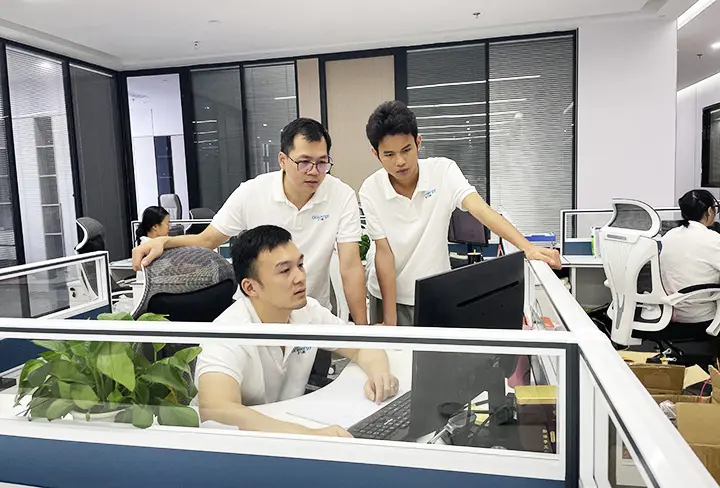
Shenzhen Grenergy Technology Co., Ltd., established in 2010, is a high-tech enterprise specializing in R&D and manufacturing lithium batteries, energy storage systems, power batteries, battery management systems, and all-in-one solutions. With a strong commitment to technological innovation, Grenergy has become a leading provider of energy solutions for various applications worldwide.
Since its establishment, Grenergy has focused on the development of sustainable energy solutions to meet the growing demand for efficient, reliable, and eco-friendly power systems. With over 10 years of expertise, Grenergy has developed a diverse product portfolio, including Lead-acid replacement lithium batteries, Wall-mounted power walls, Portable power stations, Mobile home energy storage systems, Trolley box portable power stations, and much more. We are committed to enhancing energy efficiency while reducing environmental impact.
Our core values include integrity, innovation, and customer satisfaction, which have been the foundation of our growth. Grenergy’s history is one of continuous improvement and dedication to providing advanced energy storage solutions to businesses and individuals globally.
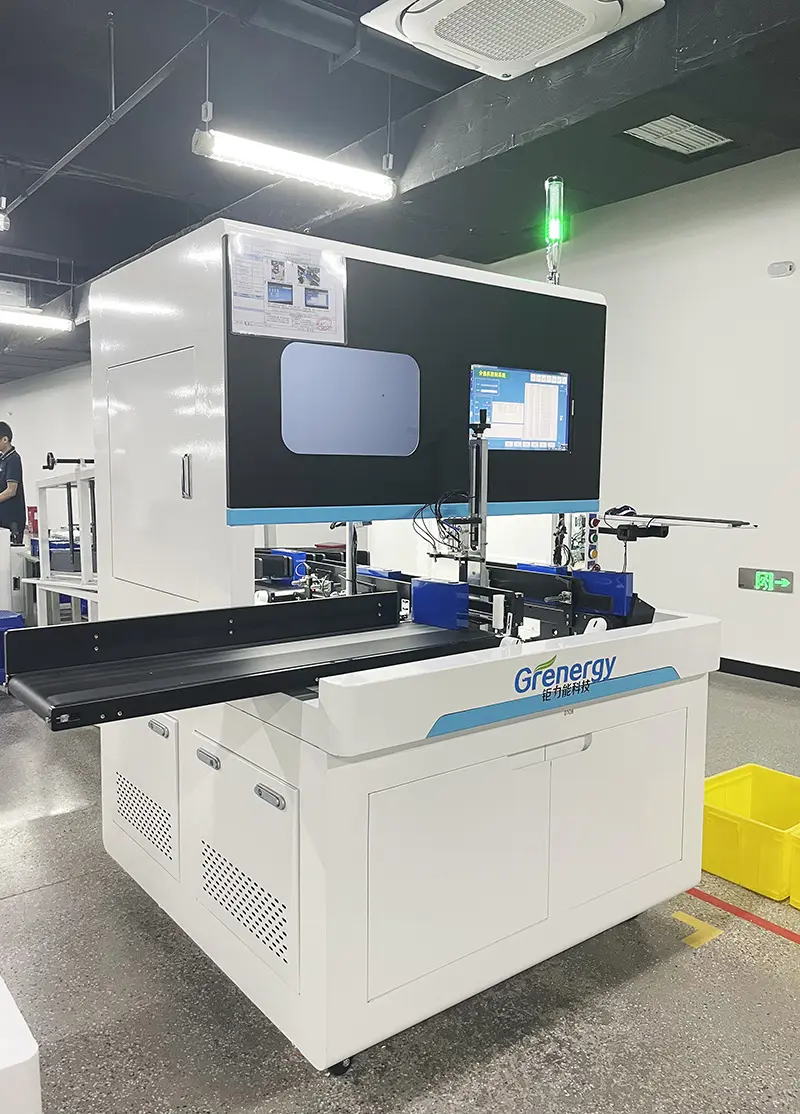
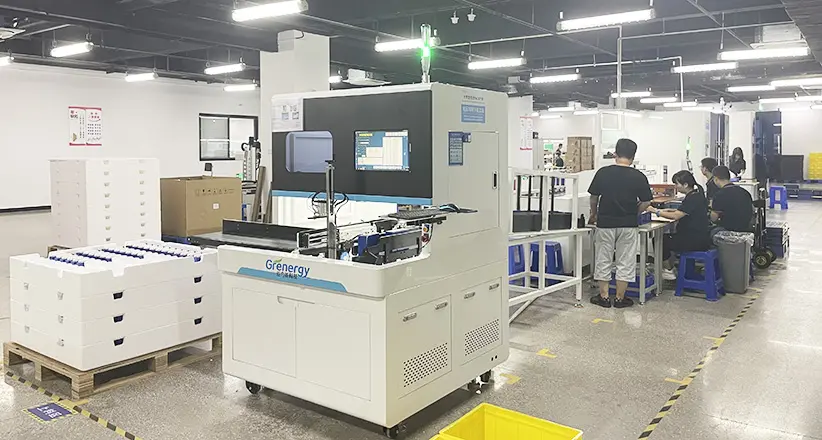
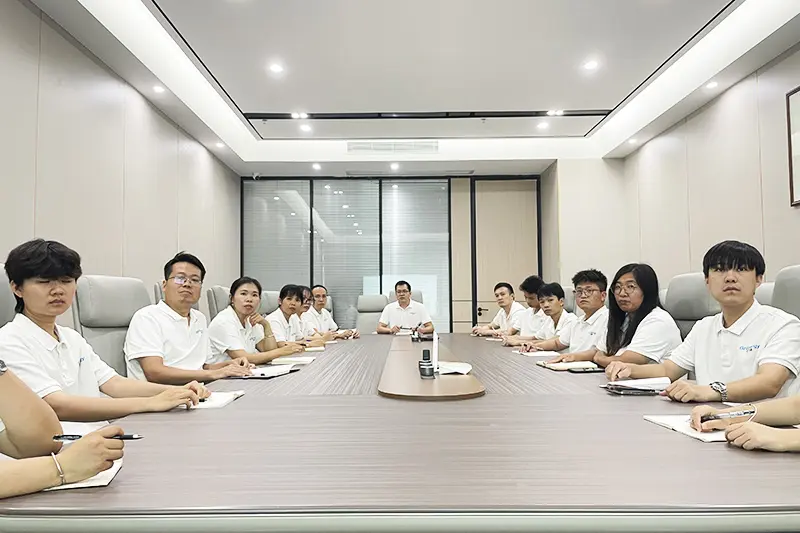
Grenergy’s products support various OEM and ODM customized services, allowing us to tailor solutions that meet specific client needs. With nearly 10,000 square meters of production space and a team of 200 highly skilled professionals, we are equipped to deliver high-quality products at scale. Over the years, we have consistently met international industry standards, earning certifications such as ISO9001, ISO14001, ISO45001, UL, CE, FCC, PSE, and UN38.3.
We also provide third-party product liability insurance worth $3 million USD for all products, ensuring our global clients can trust our reliability and commitment to service excellence.
From the beginning, Grenergy’s mission has been to empower the world with cutting-edge energy storage solutions. We believe in a future where renewable energy is the primary power source, and our products are designed to make this future a reality. Through decades of research and development, we’ve become a trusted name in the energy storage sector, helping companies transition to more efficient, sustainable energy practices.
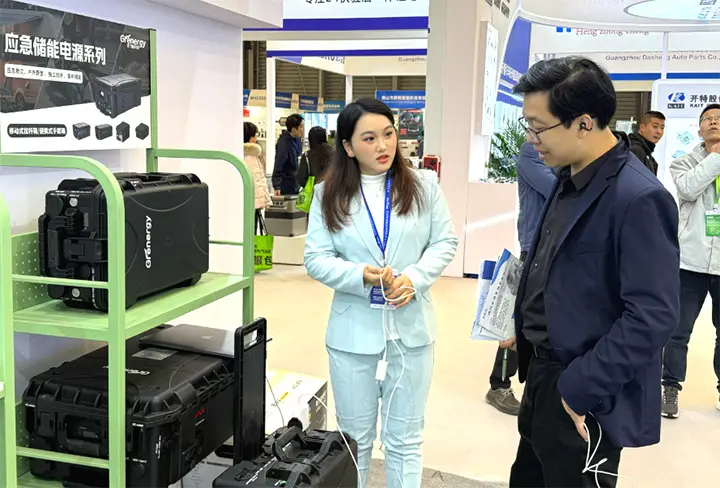
We are proud to have partnered with some of the world’s leading organizations and technology providers. These collaborations help us bring the latest advancements in energy storage and management systems to market, providing our clients with the most efficient and innovative solutions available.
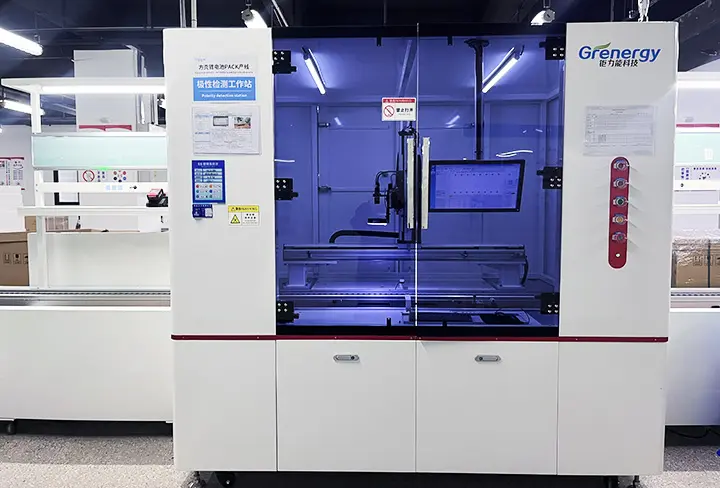
Don’t just take our word for it—our clients trust us to provide safe, high-performance energy storage systems that meet their needs. With global customers from various industries, including renewable energy, manufacturing, and transportation, we have built a reputation for delivering reliable, top-quality products.
Addressing critical technical, logistics, and supply chain queries from international purchasing teams.
Yes, in most cases, LiFePO4 batteries can serve as direct lead-acid replacements. However, because lithium has a different charging profile and lower internal resistance, you should ensure that your charger or inverter charging parameter matches the charging parameters of LiFePO4 (e.g., constant current/constant voltage (CC/CV) profiles) to maximize service life and prevent early BMS shutdowns.
While the upfront capital expenditure (CapEx) of a Lithium battery is higher due to raw materials (lithium, cobalt, copper, active chemistry processing) and integrated BMS electronics, the Total Cost of Ownership (TCO) is substantially lower. Since a LiFePO4 battery lasts 10 times longer than an AGM battery (5000+ cycles vs 500 cycles), you would need to buy and replace AGM batteries 8 to 10 times over the lifespan of a single lithium battery, not including labor and replacement costs.
Product liability insurance protects downstream commercial entities—distributors, engineering contractors, and end-users—against financial losses resulting from system damage, property damage, or bodily injury in the highly unlikely event of a battery malfunction. Providing this high level of coverage demonstrates Grenergy's confidence in our engineering standards and offers critical risk mitigation for international importers.
We offer full-cycle customization, including mechanical structure designs, customized BMS protocols (CANbus, RS485, Modbus), capacity scaling (from low-voltage RV packs to high-voltage commercial ESS arrays), and custom branding. Our 10,000-square-meter facility and 200-strong workforce can accommodate small batches and large-scale manufacturing runs while keeping lead times short.
All Grenergy systems are fully certified according to global standards. Our factories adhere to ISO 9001 (Quality Management), ISO 14001 (Environmental Protection), and ISO 45001 (Occupational Health). Our products carry certifications including UL, CE, FCC, PSE, and UN38.3, ensuring safety, compliance, and smooth customs clearance in global markets.
 Grenergy