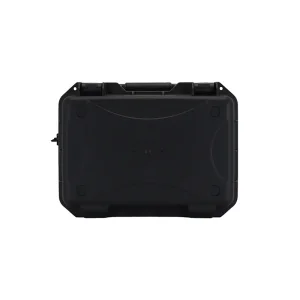
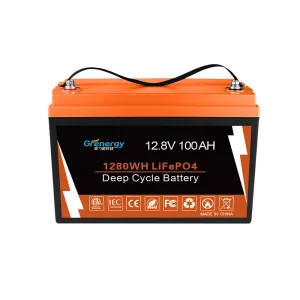
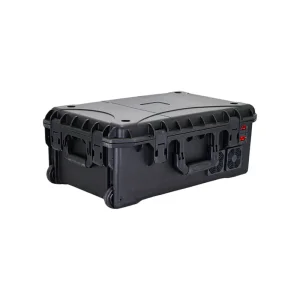
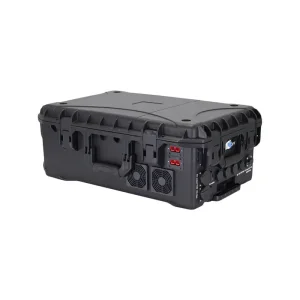
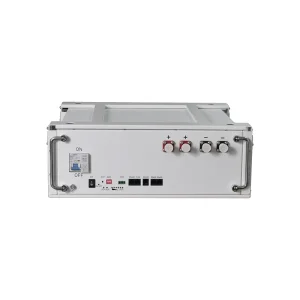
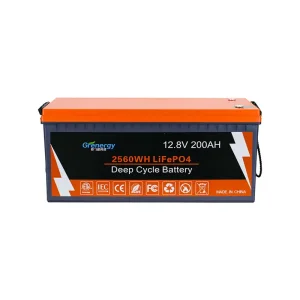
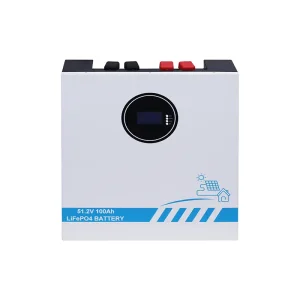
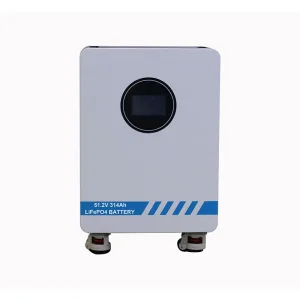
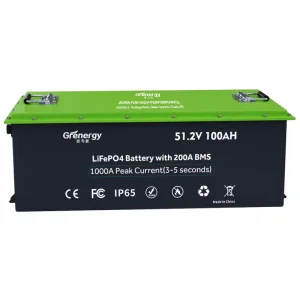
High-performance custom LiFePO4 batteries and portable power stations engineered to replace traditional AGM setups.
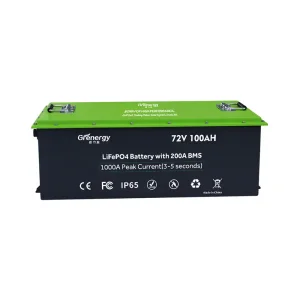

For decades, Absorbent Glass Mat (AGM) lead-acid batteries served as the bedrock for backup power systems, industrial operations, and recreational power needs. However, the commercial energy sector is experiencing a monumental transition toward lithium chemistry, specifically Lithium Iron Phosphate (LiFePO₄). Selecting the appropriate energy storage medium is not merely a matter of comparative initial pricing; it requires a holistic evaluation of electrochemical traits, thermal behavior, total cost of ownership (TCO), and system efficiency.
AGM batteries utilize a fiberglass mat saturated with liquid electrolyte between lead plates. While this design is durable and capable of delivering significant starting currents, it suffers from several inherent limitations, including low usable capacity, sensitivity to temperature extremes, and susceptibility to sulphation when left partially discharged. Conversely, LiFePO₄ lithium batteries utilize an olivine crystal structure that offers superior chemical stability, significantly higher energy density, and a drastically extended operational lifetime. Understanding these differences allows procurement managers to mitigate operational risks and optimize system design.
| Performance Metric | AGM Lead-Acid Battery | LiFePO₄ Lithium Battery | B2B Advantage / Significance |
|---|---|---|---|
| Nominal Voltage Stability | Slopes downward during discharge (12.8V to 11.5V) | Flattens out, maintaining steady 12.8V to 12.0V | Consistent Power Consistent voltage ensures connected equipment runs efficiently. |
| Cycle Life (80% DoD) | ~250 – 400 cycles | >4,000 – 6,000 cycles | 10x Longevity Minimizes system downtime and lowers replacement labor costs. |
| Charge Efficiency | 75% – 85% (slow bulk/absorption phases) | 96% – 98% (fast constant-current charging) | Energy Savings Minimizes energy loss and charges faster. |
| Peukert’s Law Sensitivity | High (high loads reduce usable capacity) | Negligible (full capacity delivered under heavy loads) | High Draw Load Delivers rated capacity under high-drain applications. |
| Self-Discharge Rate | 5% – 10% per month | 1% – 2% per month | Longer Shelf Life Ideal for seasonal storage and emergency standby power. |
| TCO over 10 Years | High (due to 3-4 replacement cycles) | Low (one-time investment, minimal operational costs) | Up to 70% Saved Substantial savings over the product lifespan. |
Environmental policies and net-zero targets have accelerated the shift away from fossil fuels, prompting industries to seek alternatives to legacy lead-acid systems. While AGM technology remains a cost-effective option for starter batteries and legacy telecom setups, modern infrastructure requires higher cycle life and lower weight. Decarbonization goals, combined with the declining costs of lithium raw materials, have made LiFePO₄ the preferred technology for industrial energy storage systems (ESS), residential solar back-ups, and commercial fleets.
International corporate buyers are prioritizing quality control, safety certifications, and warranty security. Standardized testing parameters have shifted: simple capacity checks are no longer sufficient. Procurement bids now require compliance with international certifications such as UL1973 (for stationary energy storage), IEC62619, CE, UN38.3, and robust quality management systems like ISO9001 and ISO14001. Manufacturers must also provide comprehensive product liability insurance to mitigate risks in large-scale commercial deployments.
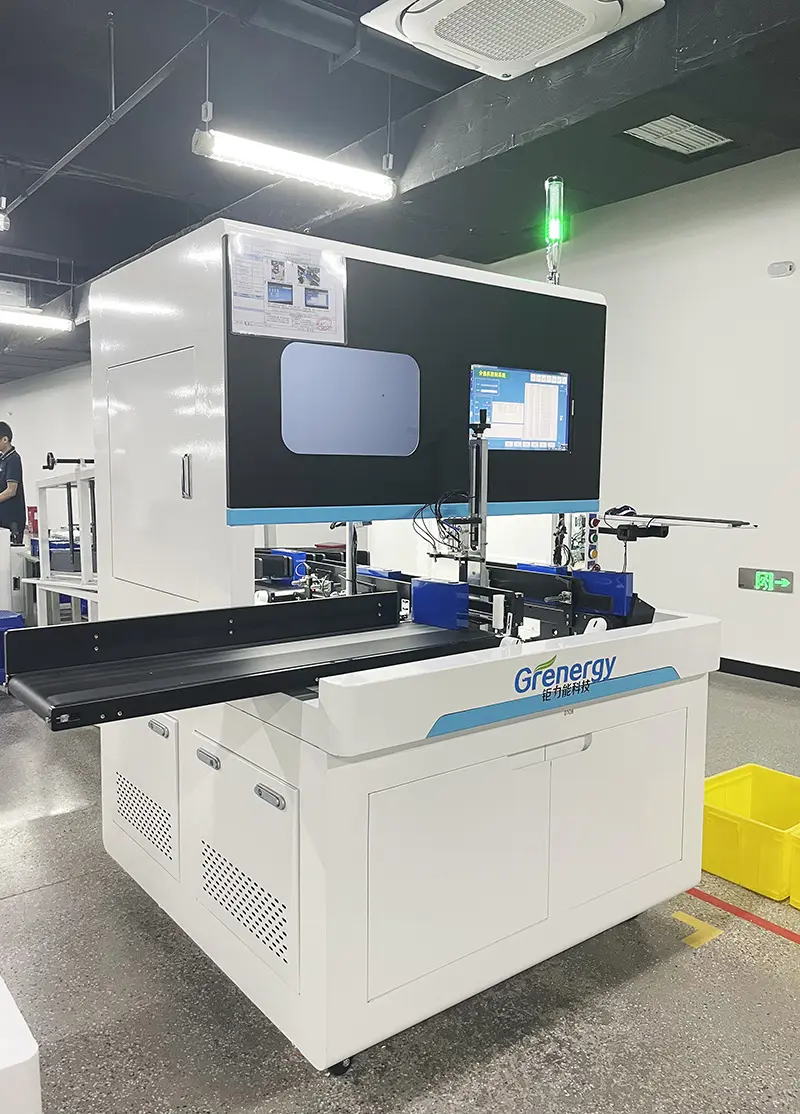
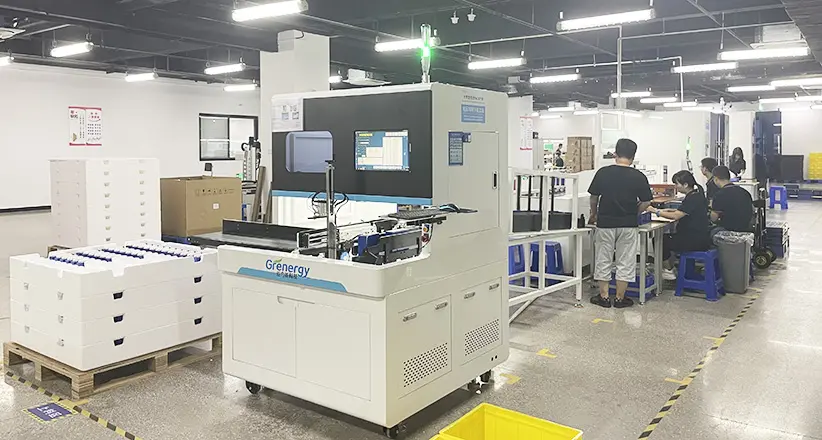
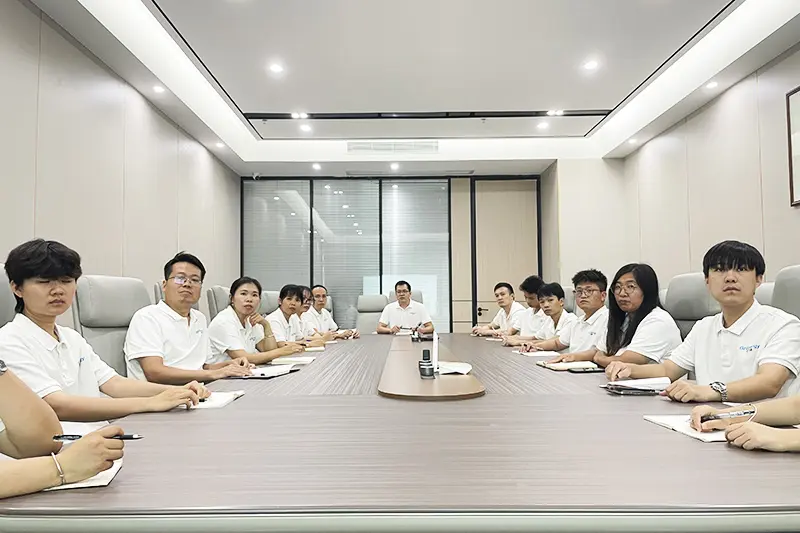
Grenergy’s products support various OEM and ODM customized services, allowing us to tailor solutions that meet specific client needs. With nearly 10,000 square meters of production space and a team of 200 highly skilled professionals, we are equipped to deliver high-quality products at scale. Over the years, we have consistently met international industry standards, earning certifications such as ISO9001, ISO14001, ISO45001, UL, CE, FCC, PSE, and UN38.3.
We also provide third-party product liability insurance worth $3 million USD for all products, ensuring our global clients can trust our reliability and commitment to service excellence.
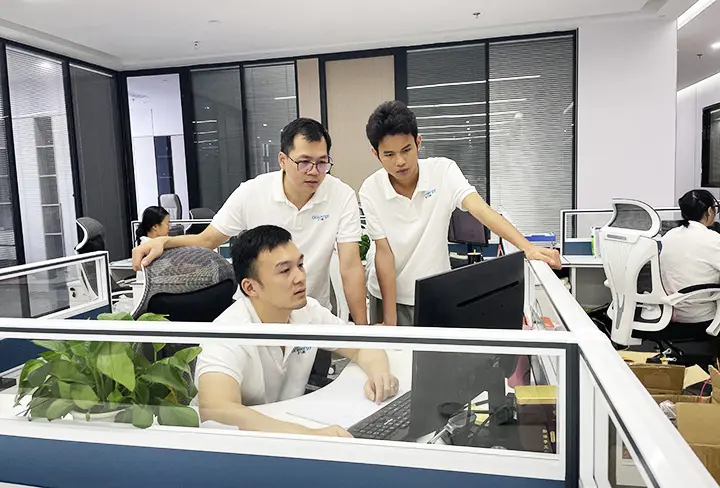
From the beginning, Grenergy’s mission has been to empower the world with cutting-edge energy storage solutions. We believe in a future where renewable energy is the primary power source, and our products are designed to make this future a reality. Through decades of research and development, we’ve become a trusted name in the energy storage sector, helping companies transition to more efficient, sustainable energy practices.
We are proud to have partnered with some of the world’s leading organizations and technology providers. These collaborations help us bring the latest advancements in energy storage and management systems to market, providing our clients with the most efficient and innovative solutions available.
Through our global network of distributors and B2B clients, we have implemented thousands of systems in telecommunications, light electric vehicles, and off-grid residential installations, helping companies replace underperforming AGM setups with high-efficiency LiFePO4 batteries.
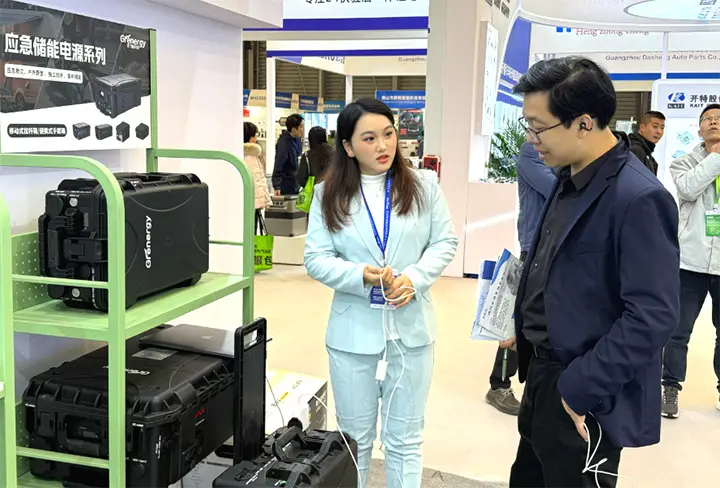
Don’t just take our word for it—our clients trust us to provide safe, high-performance energy storage systems that meet their needs. With global customers from various industries, including renewable energy, manufacturing, and transportation, we have built a reputation for delivering reliable, top-quality products.
"Replacing our fleet's lead-acid AGM batteries with Grenergy's custom 12.8V 100Ah LiFePO4 modules reduced our replacement cycles by 90%. Their integrated BMS resolved our thermal runaway worries."
— Director of Infrastructure Operations, European Telecom Corp.
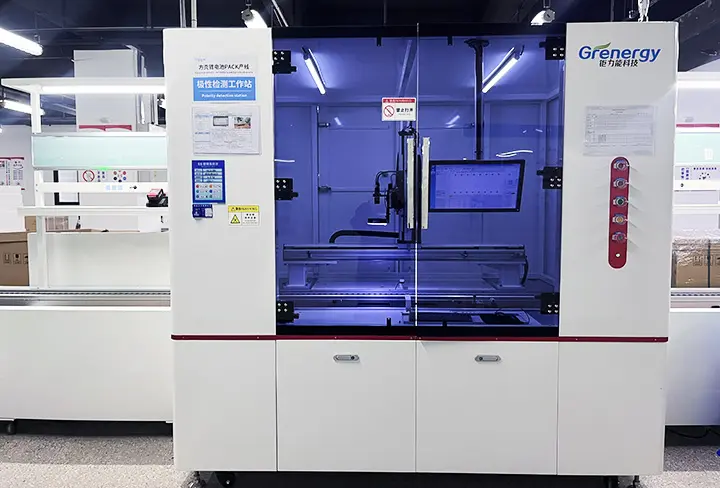
The global transition to lithium batteries requires a reliable and efficient manufacturing process. Shenzhen Grenergy Technology Co., Ltd. implements Factory 4.0 processes at our automated production facility in Shenzhen, China. By integrating automated manufacturing, quality testing, and supply chain management, we ensure reliable delivery of energy solutions to global B2B clients.
To maximize return on investment, it is important to match the battery technology to the specific operational requirements. Below are the key applications where replacing AGM with lithium provides significant benefits:
Technical and procurement answers addressing key queries from engineers and buyers.
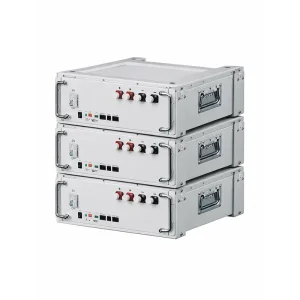
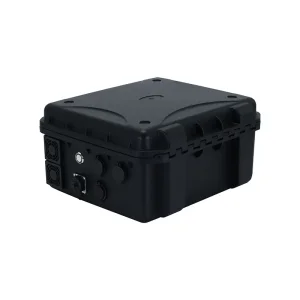
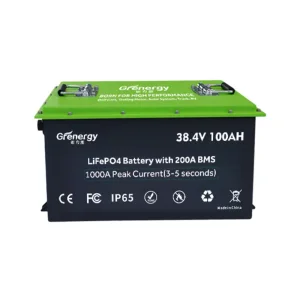
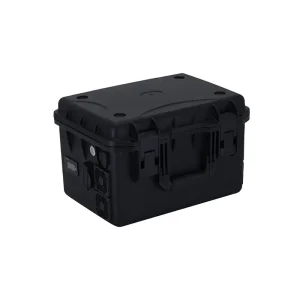
Explore our specialized LiFePO4 options, including high-capacity wall batteries, industrial golf cart packs, and backup power stations.
 Grenergy