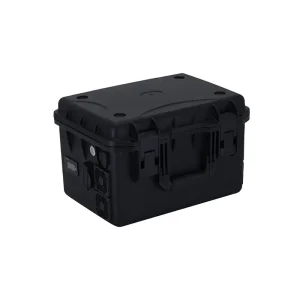
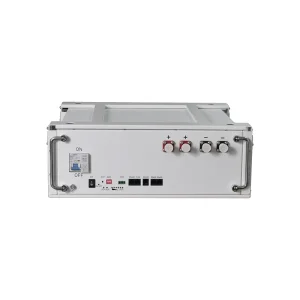
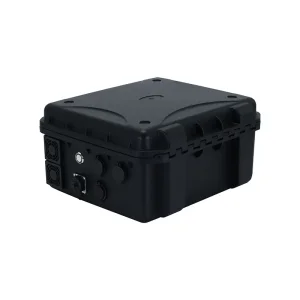
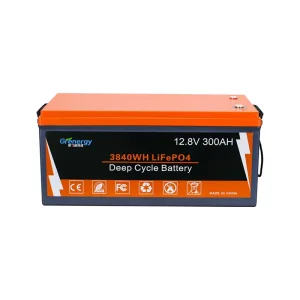
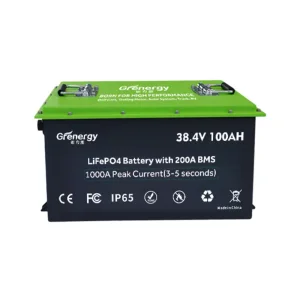
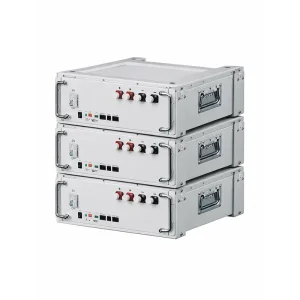
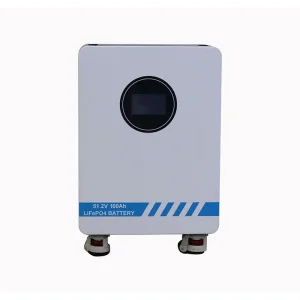
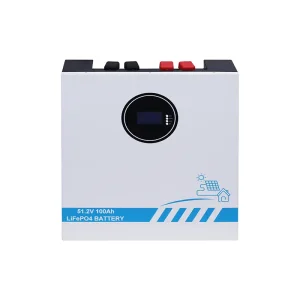
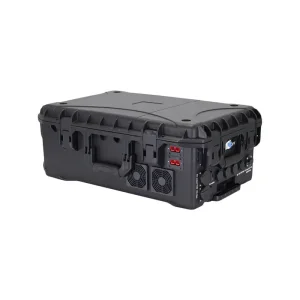
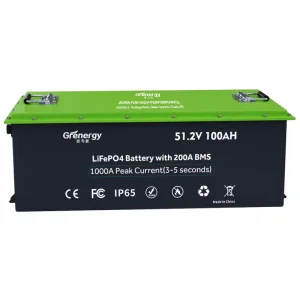
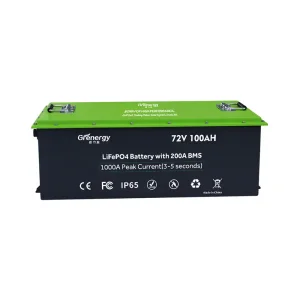
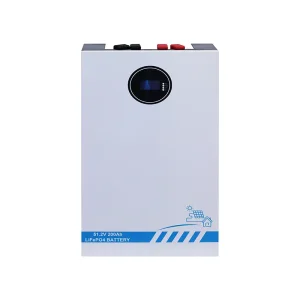
Explore our leading product lineup. Directly engineered and manufactured for durability, safety, and peak performance under extreme grid demands.
The global transition towards decentralized renewable energy has moved home energy storage systems (HESS) from an eco-friendly choice to a critical infrastructure asset. As utility grids struggle with instability, dynamic pricing models, and extreme weather events, private and industrial sectors must invest in dependable LiFePO4 battery architectures to achieve energy autonomy. For wholesale buyers, distributors, and EPC (Engineering, Procurement, and Construction) contractors, establishing partnerships with high-capacity Chinese manufacturing plants is the primary strategy for managing procurement costs while maintaining strict technical quality.
By bypassing multiple layers of local distributors and sourcing directly from established factories, commercial buyers secure reliable supply chains, custom mechanical configurations, and specialized Battery Management System (BMS) integration. This industry whitepaper analyzes the manufacturing frameworks, engineering advancements, and quality certifications required when scaling B2B sourcing protocols for home solar system battery storage.

Established in 2010, Shenzhen Grenergy Technology Co., Ltd. is a high-tech enterprise specializing in the R&D, manufacture, and deployment of lithium-ion battery packs, Smart Energy Storage Systems (ESS), custom EV batteries, and advanced Battery Management Systems (BMS). Over the past decade, we have scaled our manufacturing framework to deliver custom energy storage configurations to clients in North America, Europe, Australia, and Asia-Pacific.
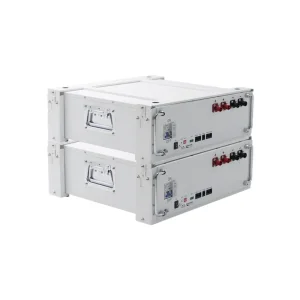
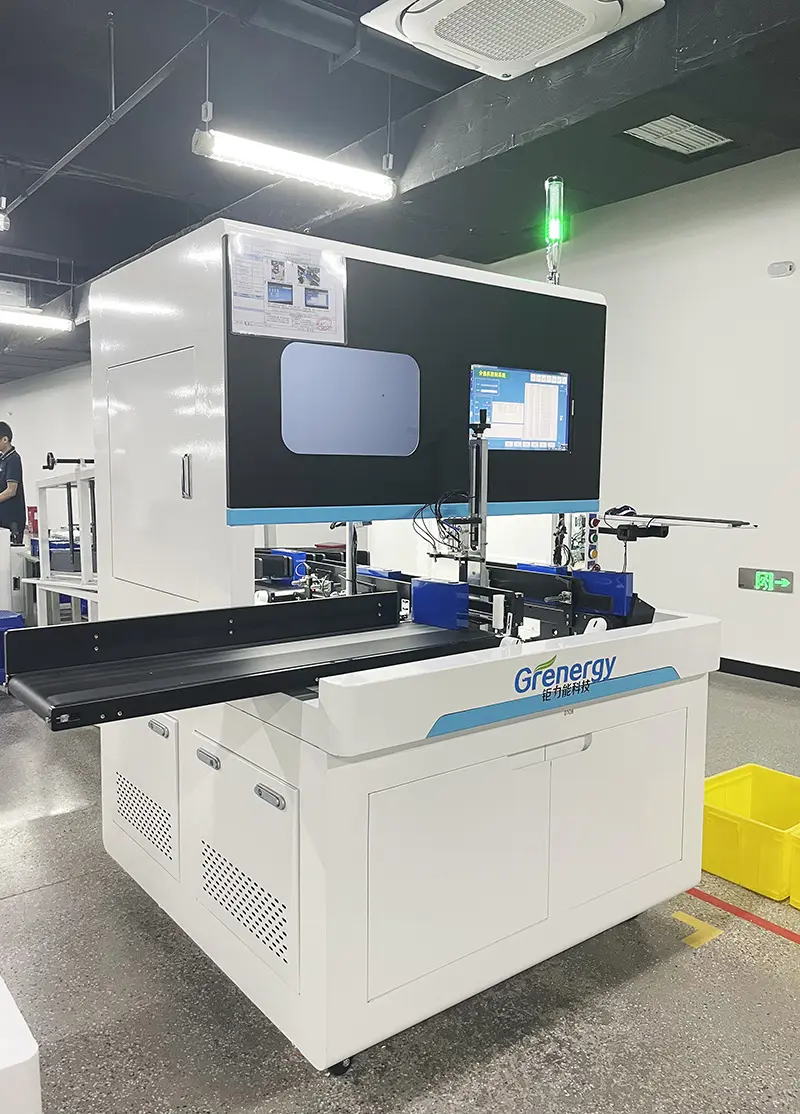
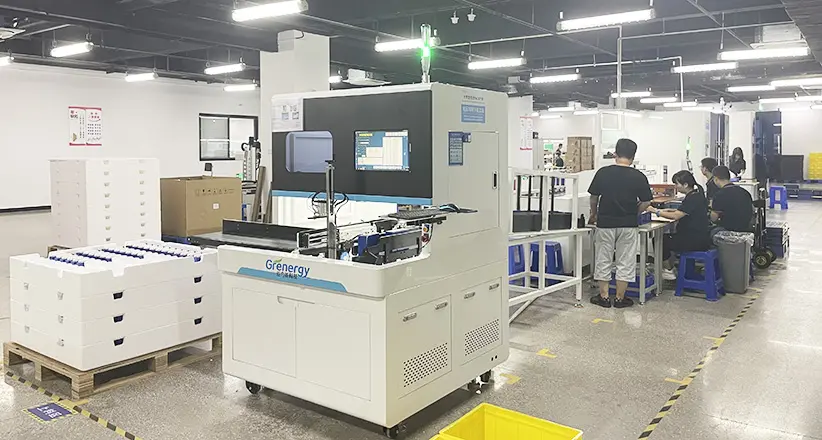
Our comprehensive production facility features advanced semi-automated cell sorting machinery, ultrasonic spot-welding systems, multi-channel high-voltage battery pack testing stations, and certified burn-in chambers. This strict industrial pipeline guarantees that every home energy storage system—ranging from wall-mounted power walls to high-voltage industrial rack systems—maintains exceptional reliability, minimal internal resistance, and extended cycle life.
Underpinning our manufacturing philosophy is a commitment to thermal stability, cycle longevity, and deep-discharge recovery capabilities.
Unlike nickel-cobalt chemistries (NMC/NCA), LiFePO4 provides superior thermal safety with a runaway limit of 270°C. Our cells maintain up to 6000 cycles at 80% Depth of Discharge (DoD), lowering total ownership costs over a 10-year period.
Our Battery Management Systems offer cell balancing, over-voltage/current protection, and thermal monitoring. They support CANBUS/RS485/Modbus communication protocols for integration with global hybrid inverters.
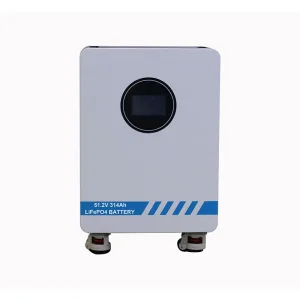
Our solutions feature stackable and rack-mounted architectures, allowing direct scaling from 5.12 kWh residential wall-mounted units up to 100 kWh light commercial storage banks, keeping installations flexible.
Procuring industrial-scale energy storage products across borders requires careful evaluation of safety standards, shipping logistics, and compliance factors. When sourcing home energy storage products from Chinese manufacturers, wholesale buyers should focus on key operational requirements:
At Grenergy, we recognize that every market has unique electrical parameters, housing requirements, and system dynamics. We offer comprehensive OEM/ODM customization services to adapt our technologies to your specifications:
Navigating import regulations requires working with certified manufacturers. Shenzhen Grenergy Technology Co., Ltd. holds a complete suite of global quality and safety certifications, ensuring seamless importation and regional approvals:
To protect B2B importers, EPC contractors, and brand owners, Grenergy secures a $3 Million USD Product Liability Insurance Policy, providing risk coverage and peace of mind for projects worldwide.
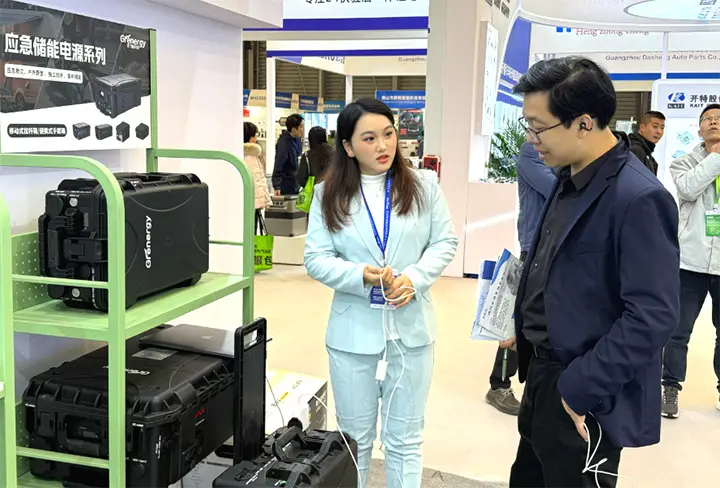
We work closely with solar system integrators, microgrid engineers, and battery distributors globally. By integrating our manufacturing pipeline with local installation teams, we deliver tailored solutions that optimize cost structures and installation times.
Our ongoing partnerships with inverter suppliers ensure that our battery packs support plug-and-play setup in major markets. Our technical support team works with clients from product design through to after-sales support and warranty maintenance.
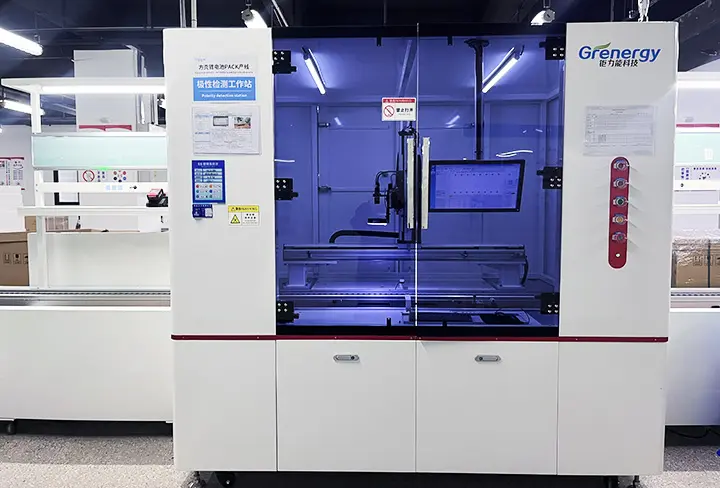
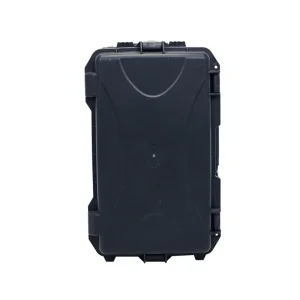
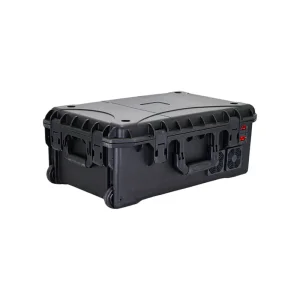
From heavy-duty high-voltage golf cart power banks to modular home solar battery walls, our factory lines cover diverse energy storage applications.
Technical answers to help clarify key procurement, engineering, and logistics parameters for B2B buyers.
A nominal voltage of 51.2V represents a standard 16S configuration (16 cells connected in series) using LiFePO4 chemistry. This voltage stays below the 60V DC limit for extra-low voltage classifications in many regions, simplifying domestic certification and installation while providing sufficient potential to feed hybrid system inverters efficiently.
Low-voltage systems (48V–51.2V) are common for typical residential installs up to 20kWh, offering easy configuration and wide inverter compatibility. High-voltage systems (above 100V DC) are better suited for larger residential installations and light commercial projects (C&I) because they operate with lower current for the same power output. This reduces cable diameter requirements, lowers thermal loss, and improves round-trip efficiency in larger setups.
We use a multi-step screening process. First, cells are sorted by capacity, voltage, and internal resistance. After assembly, the packs undergo charge-discharge cycling to test capacity and verify the BMS balance functions. This process helps ensure even cell aging, mitigates unbalanced capacity loss, and extends overall pack lifespan.
Our ODM/OEM services cover structural design, custom-molded plastic or sheet-metal enclosures, firmware communication adaptation, silkscreen branding, and compliance support. We work with clients through the prototyping phase to verify performance before ramping up to mass production.
We provide full documentation for Class 9 Dangerous Goods sea and rail shipments, including UN38.3 test summaries, Material Safety Data Sheets (MSDS), and sea-worthy dangerous goods packaging certificates. Our logistics partners assist with custom clearance procedures to help minimize delivery delays.
 Grenergy