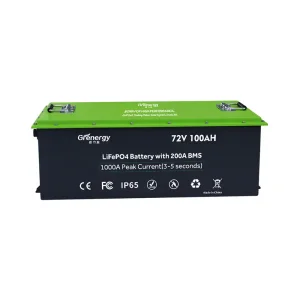
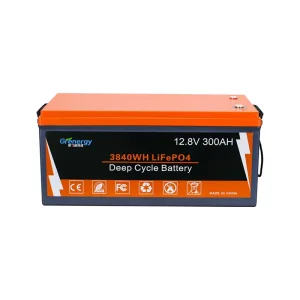
Decarbonization mandates, strict operational efficiency requirements, and long-term total cost of ownership (TCO) calculations are accelerating the replacement of legacy lead-acid batteries with Lithium Iron Phosphate (LiFePO4) systems.
For over a century, flooded, AGM, and Gel lead-acid batteries served as the default backup solution for utility grids, telecommunications infrastructure, and industrial machinery due to low upfront capital costs. However, as modern systems require higher energy density, faster recharge rates, and maintenance-free longevity, lead-acid presents significant operational overheads. The transition to LiFePO4 (Lithium Iron Phosphate) is no longer an experimental upgrade; it is a critical strategic adjustment for enterprises globally.

A side-by-side engineering comparison revealing the performance thresholds, safety features, and fiscal metrics defining these battery chemistries.
| Technical Parameters | Lithium Iron Phosphate (LiFePO4) | Lead-Acid (AGM / Flooded / Gel) | Operational Impact for Buyers |
|---|---|---|---|
| Cycle Life (80% DoD) | 4,000 to 6,000+ cycles | 300 to 500 cycles | LiFePO4 lasts up to 10-15 years, reducing replacing frequency. |
| Depth of Discharge (DoD) | Up to 100% (90% recommended for maximum life) | 50% maximum (discharging beyond damages chemistry) | Double the usable energy from the same rated capacity. |
| Energy Density | 120 - 160 Wh/kg | 30 - 50 Wh/kg | Dramatic footprint and weight reduction for mobile and cabinet systems. |
| Charging Efficiency | 95% - 98% (rapid absorption charging) | 75% - 85% (long absorption phase required) | Minimal energy loss, faster charge cycles, and lower utility costs. |
| Toxicity & Environmental Impact | Eco-friendly, no heavy metals (lead, cadmium), zero outgassing | Highly toxic lead, acid spill risks, hazardous outgassing during charge | Simpler compliance, no specialized ventilation or containment spaces. |
| Thermal Runaway Point | 600°C (High structural stability) | Low threshold (prone to thermal buildup & dry out) | Inherent cell safety, minimizing combustion risks in high-temperature environments. |
When evaluating battery technologies, procurement offices must look beyond initial acquisition costs (CAPEX) to assess the Levelized Cost of Storage (LCOS). Although lead-acid batteries feature a lower acquisition expense, their real cost increases over time due to labor, replacement cells, shipping logistics, and performance downtime.
Data centers require rapid energy discharge during utility grid failures. LiFePO4 batteries deliver high-power discharge rates and charge up to 5 times faster than equivalent lead-acid models. They operate efficiently at elevated room temperatures, reducing cooling loads and building operating costs.
Remote cellular towers in high-temperature, off-grid locations historically suffered from high lead-acid failure rates. LiFePO4 cells tolerate heat well, lasting 10+ years without thermal runaway or standard degradation. This drastically reduces maintenance site visits, lowering operational expenses.
Advancements in battery management and cell designs are driving down costs and improving performance across the energy storage landscape.
Modern battery architectures feature integrated Battery Management Systems (BMS). Using active cell balancing and edge computing, modern BMS protocols predict cell failures, balance internal resistances, and interface with smart inverters via CANBUS or Modbus protocol networks.
Integrating silicon nanoparticles into carbon graphite anodes increases energy density by 15-20%. This technology allows manufacturers like Grenergy to pack more power into rack-mounted cabinets, reducing footprint requirements in tight urban spaces.
Large-scale solar and wind arrays require rapid response times to smooth grid output variations. Standard lead-acid systems fail under continuous cycling, whereas LiFePO4 cells support multiple daily charge-discharge cycles without rapid capacity fade.
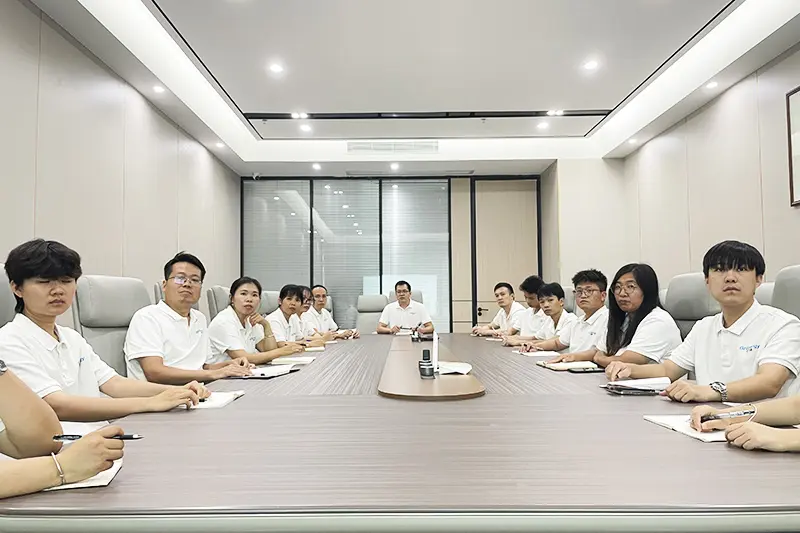
Established in 2010, Shenzhen Grenergy Technology Co., Ltd. has developed into an industry leader, integrating technical R&D with smart manufacturing processes.
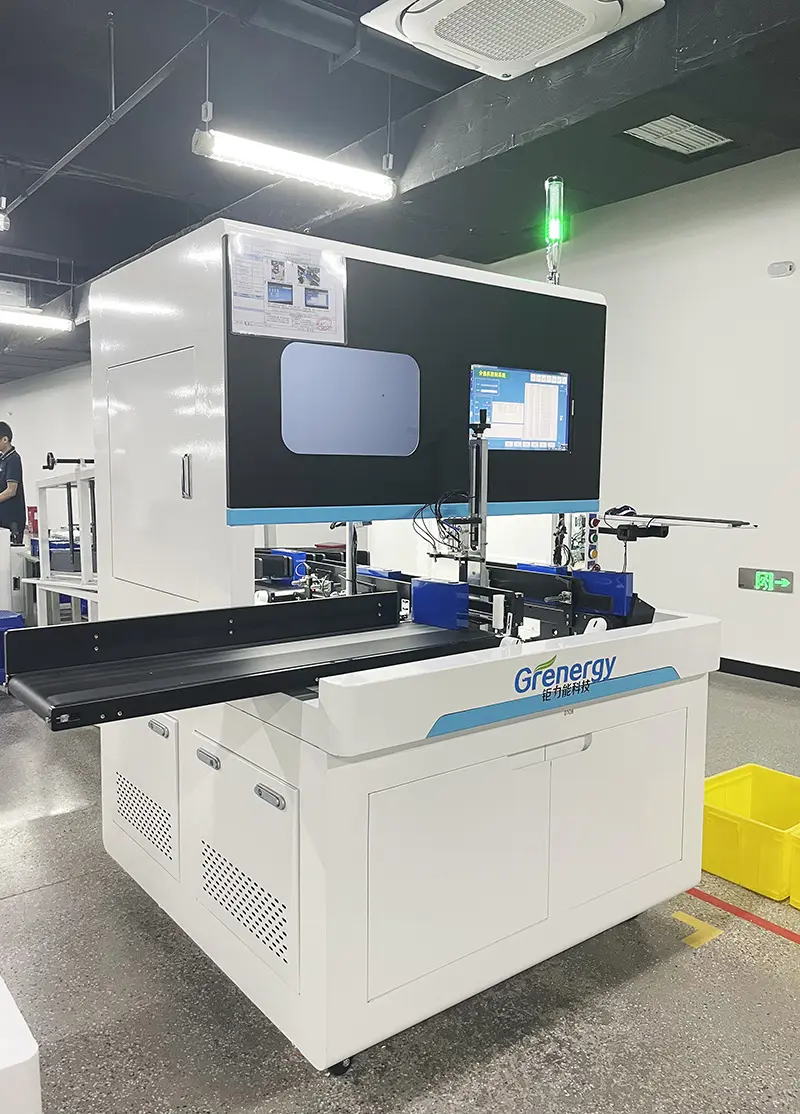
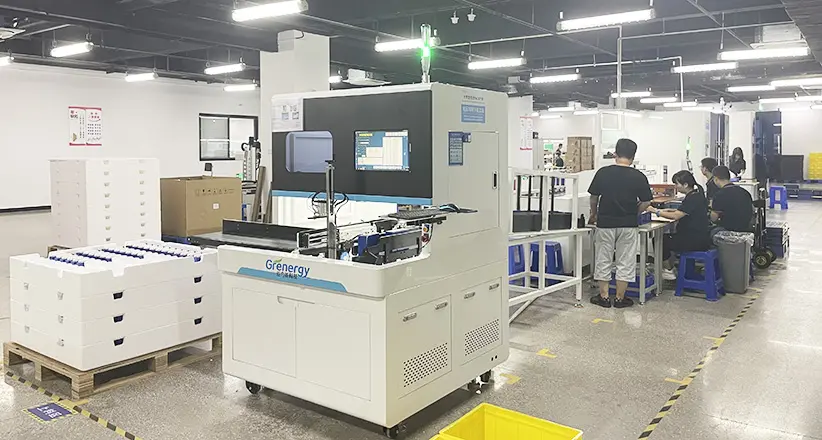
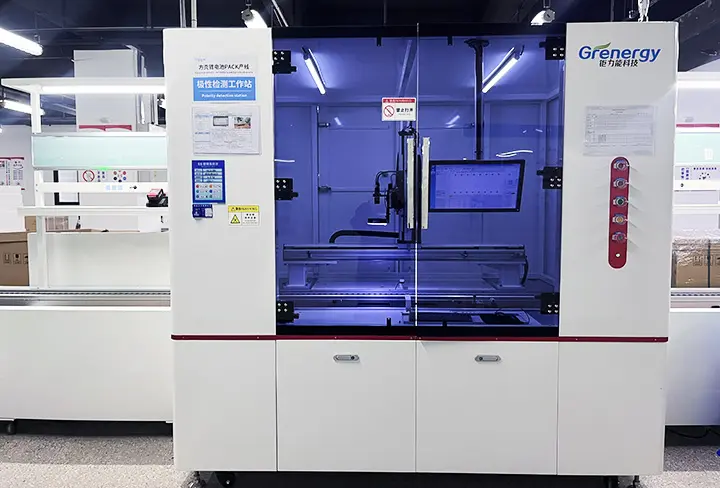
Operating from a 10,000 square meter production facility with 200 skilled specialists, Grenergy utilizes automated assembly lines, high-precision sorting machinery, and computer-managed aging systems to maintain cell quality. Our automated sorting processes group cells by voltage and internal resistance, maximizing pack lifetime and reliability.
Our quality systems are certified under ISO9001, ISO14001, and ISO45001 standards. By managing everything from cell preparation to final BMS firmware programming under one roof, we optimize production yields and deliver competitive pricing for global projects.
Sourcing industrial batteries internationally requires balancing technical specifications with financial protection and regulatory compliance.
Grenergy products undergo rigorous testing to meet strict safety and transportation standards. Our systems carry certifications including UL (UL1973/UL9540A), CE, FCC, PSE, and UN38.3. These certifications ensure smooth import procedures and streamline local building permits and grid connection approvals.
To protect commercial clients, Grenergy provides a $3,000,000 USD third-party product liability insurance policy. This provides financial security for engineering, procurement, and construction (EPC) contractors and end-users, protecting investments against unexpected system faults.
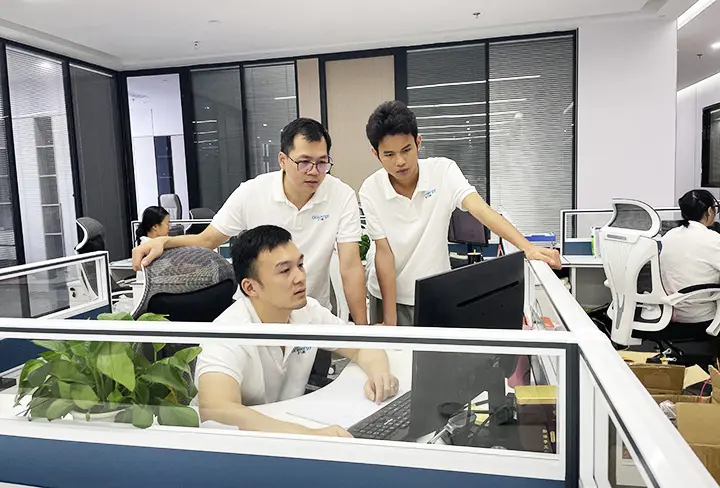
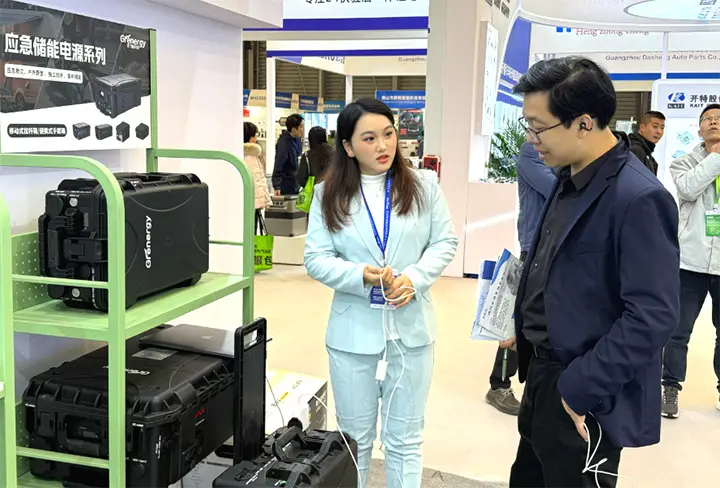
Every energy storage project has unique voltage, capacity, space, and communication interface requirements. Grenergy supports customized project development from the ground up.
Our engineering team helps clients select appropriate cell form factors (prismatic or cylindrical), configure BMS architectures (active balancing, RS485/CAN interfaces), and design enclosures suitable for their target environment (IP20 indoor racks or IP65 outdoor cabinets).
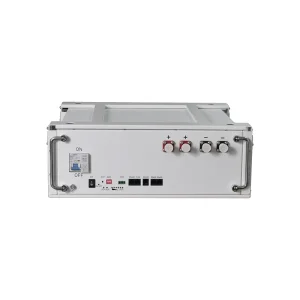
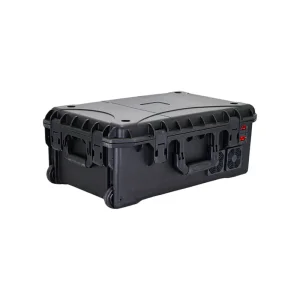
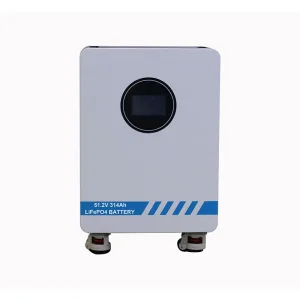
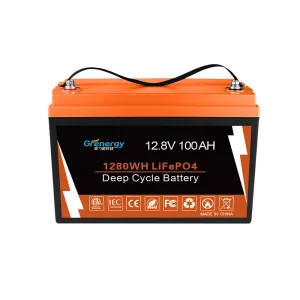
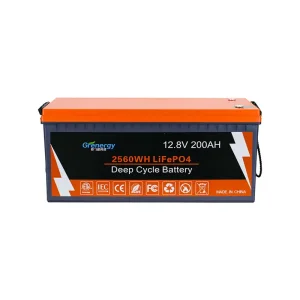
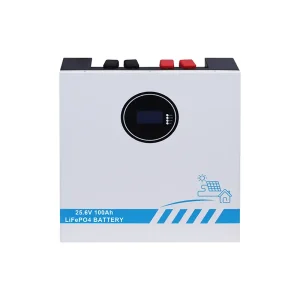
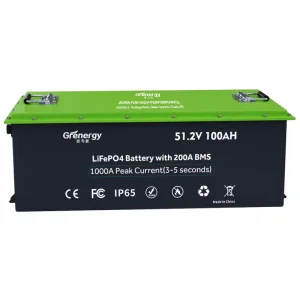
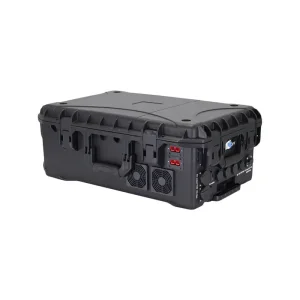
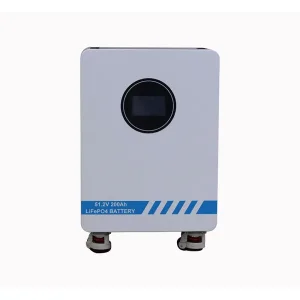
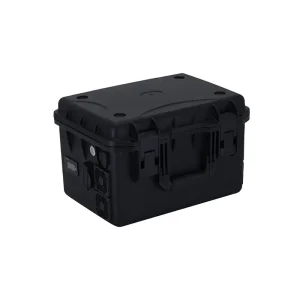
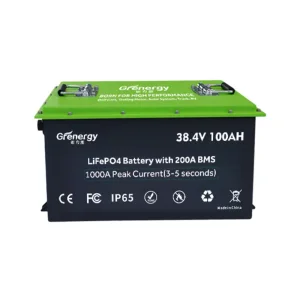
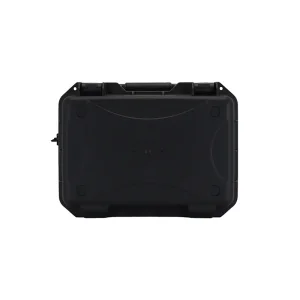
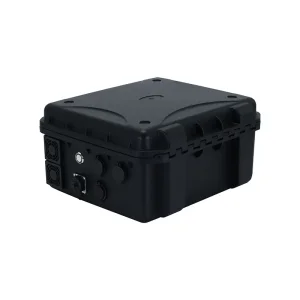
With a diverse product portfolio including Lead-acid replacement lithium batteries, Wall-mounted power walls, Portable power stations, Mobile home energy storage systems, and Trolley box portable power stations, we match our engineering output to specific regional needs. Grenergy helps clients select optimal form factors and BMS communication protocols to ensure compatibility with standard local inverter brands.
Lithium-ion batteries are classified as Class 9 Dangerous Goods under international transport guidelines. Sourcing these products requires careful shipping management and documentation.
Shenzhen Grenergy works closely with certified dangerous goods logistics companies to manage land, sea, and air transport. We provide complete documentation, including UN38.3 test reports, Material Safety Data Sheets (MSDS), and Safety Certificates for Goods Transportation. This ensures compliance with IMO and IATA shipping codes, reducing custom clearance delays.
Through partnerships with major cell suppliers, safety inspectors, and inverter developers, we incorporate the latest components and firmware standards into our battery systems, ensuring reliable grid and off-grid performance.
Answers to common technical, financial, and logistical questions from procurement offices and engineers.
 Grenergy