High-performance B2B configurations engineering safe, stable, and sustainable electricity integration.
The global transition toward clean energy has converted lithium cells from niche consumer electronics components into the structural foundation of global infrastructure. According to energy transition reports, global demand for lithium battery cells is expected to exceed 3.5 TWh by 2030, driven by aggressive decarbonization goals, fleet electrification, and grid stabilization requirements.
Within this massive growth, Lithium Iron Phosphate (LiFePO4) chemistry has emerged as the clear leader for stationary storage, public transportation, and utility applications. Compared to traditional Nickel Manganese Cobalt (NMC) chemistries, LiFePO4 cells offer unparalleled chemical stability, a higher thermal runaway threshold (exceeding 270°C, compared to NMC’s 210°C), and significantly lower levelized cost of storage (LCOS). B2B procurement officers are shifting their strategic reserves towards LFP to minimize risks related to raw material volatility and product safety.
As a global exporter, understanding the regional regulatory landscapes is vital. European markets demand strict adherence to the upcoming Battery Passport regulations and environmental footprints. Meanwhile, the North American market relies heavily on UL certifications (UL 1642, UL 1973, and UL 9540A) to ensure battery systems integrate smoothly into regional microgrids.

Empowering global industrial operations through scalable energy infrastructure.
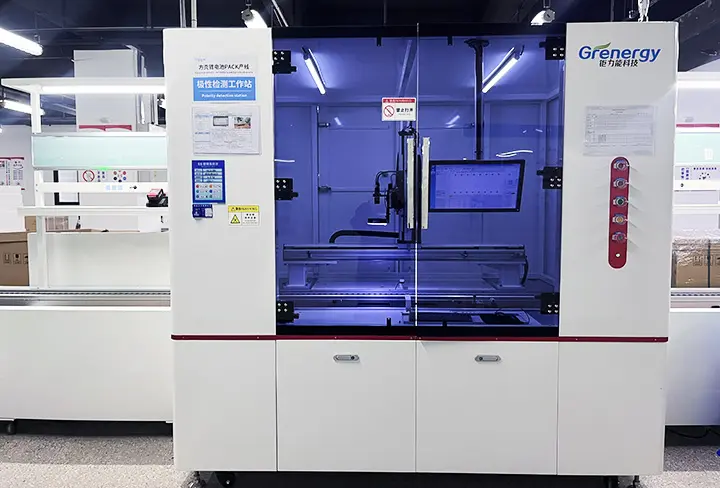
"Industrial excellence is not merely about production volume. It requires rigorous, data-driven validation at every step. From cell sorting and impedance matching to final burn-in tests under temperature extremes, Grenergy ensures zero compromise on quality."
The manufacturing dominance of Chinese lithium factories is not merely a result of lower labor costs; it is the outcome of a highly integrated industrial ecosystem. The Guangdong and Shenzhen regions house the world’s most comprehensive supply chains for battery pack ancillaries, ranging from protective integrated circuits and precision battery management systems (BMS) to thermal interface materials.
This geographical centralization translates directly into extreme efficiency. A design iteration that might take weeks in Western markets can be prototyped, thermally analyzed, and safety-tested in a matter of days. Furthermore, Chinese factories utilize advanced Manufacturing Execution Systems (MES) to track cell voltage and resistance across thousands of production cycles, ensuring unmatched consistency in cell grading.
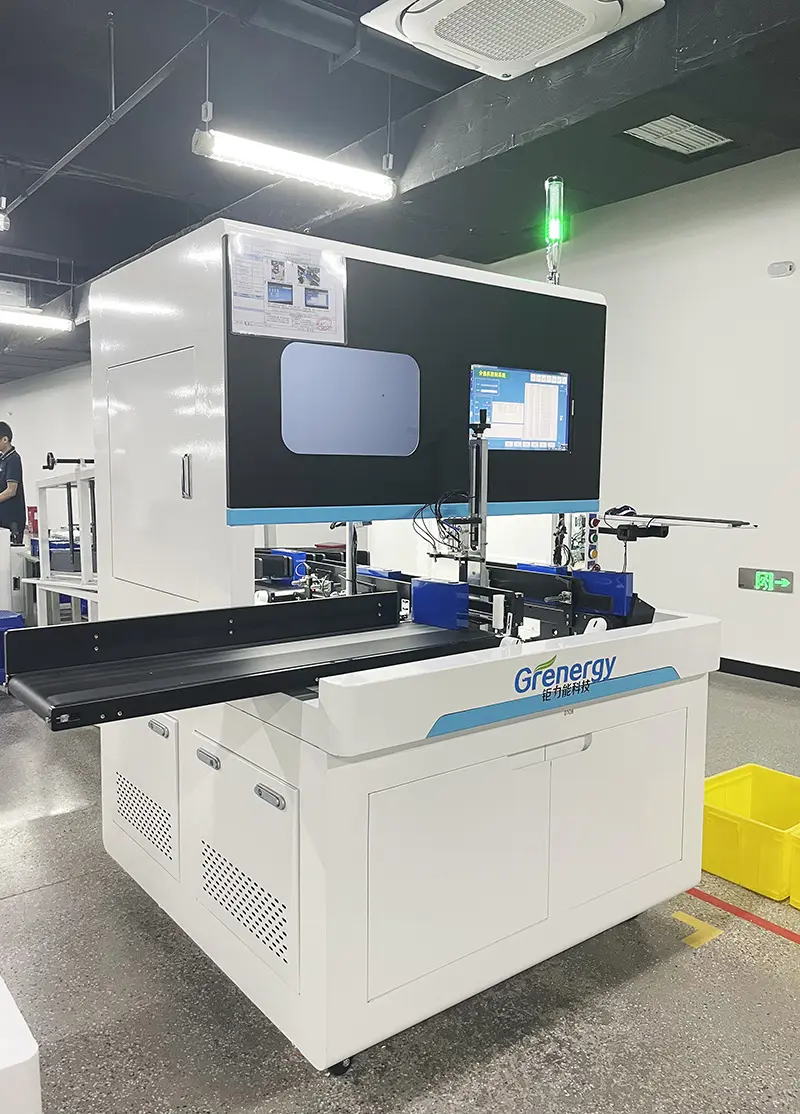
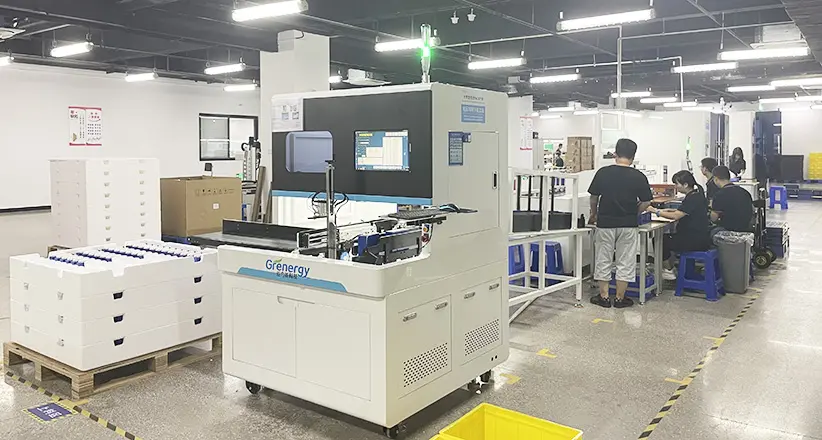
For international business-to-business (B2B) buyers, this integration reduces both lead times and capital risk. With streamlined access to raw materials and automatic laser-welding equipment, manufacturers like Grenergy can scale production to meet urgent demands while maintaining strict alignment with international quality standards.
A premier manufacturer and supplier driving sustainable technological innovation.
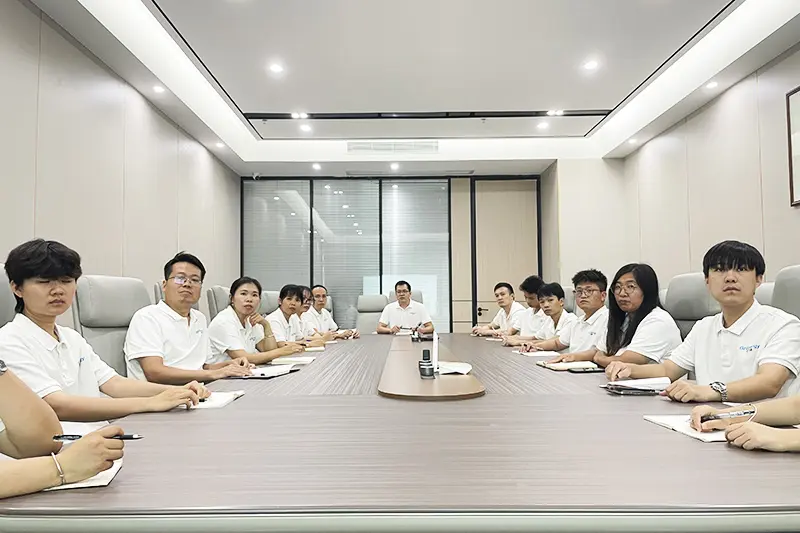
Established in 2010, Shenzhen Grenergy Technology Co., Ltd. is a high-tech enterprise specializing in the R&D and manufacturing of lithium batteries, energy storage systems, power batteries, battery management systems, and all-in-one energy solutions. Driven by a deep commitment to sustainable innovation, Grenergy has grown into a leading global provider of energy solutions.
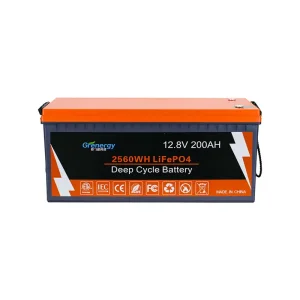
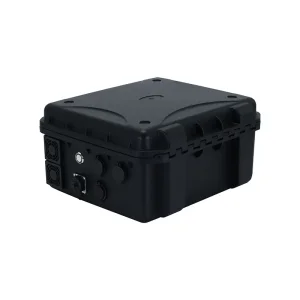
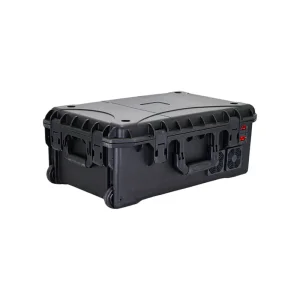
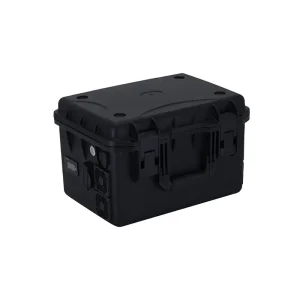
Over more than a decade of research, we have built a diverse portfolio, featuring lead-acid replacement batteries, wall-mounted power walls, portable power stations, mobile home energy storage systems, and specialized trolley-box power configurations. Our focus is on delivering cleaner energy options that minimize global carbon footprints.
To assure our global clients of our reliability, Grenergy’s operations adhere to strict international frameworks, certified under ISO9001, ISO14001, and ISO45001. Our battery packs carry safety certifications including UL, CE, FCC, PSE, and UN38.3, backed by a $3 million USD third-party product liability insurance.
Flexible battery architectures engineered for reliable, site-specific power deployment.
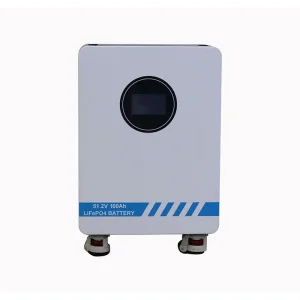
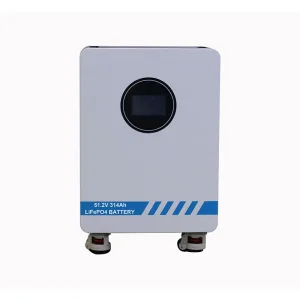
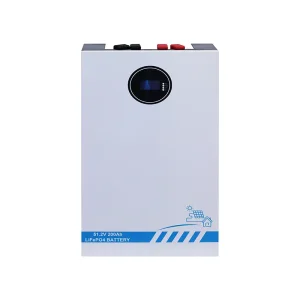
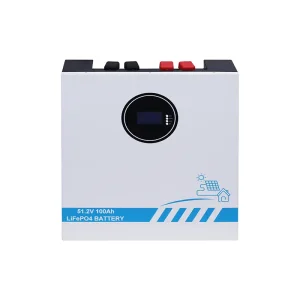
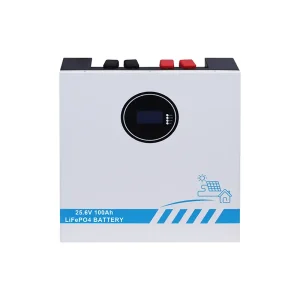
High-voltage and low-voltage wall-mounted configurations engineered to pair seamlessly with global hybrid inverter systems, maximizing self-consumption and solar reliability.
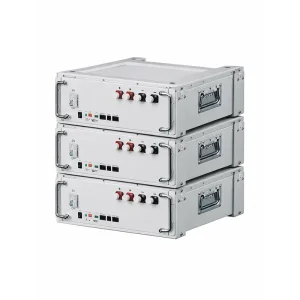
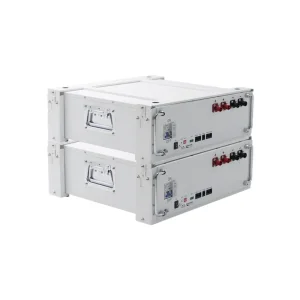
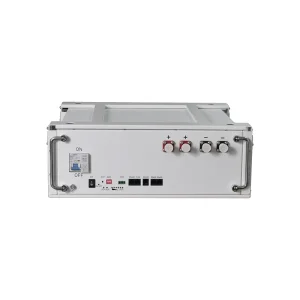
High-capacity rack-mounted modular systems (like the 51.2V 314Ah lines) configured for peaks shaving, load shifting, and mission-critical backup power in datacenters.
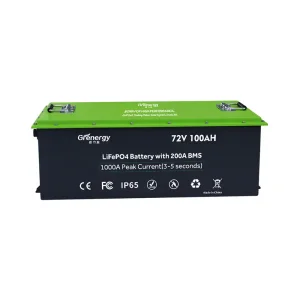
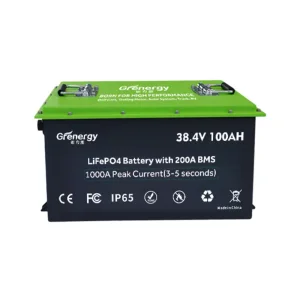
76.8V high-voltage setups engineered to power golf carts, automated guided vehicles (AGVs), and electric utility vehicles with optimal torque and long range.
When purchasing lithium batteries at scale, B2B buyers must evaluate critical technical factors to avoid operational failures and regulatory issues. Safety begins at the cell level. Procurement specifications should mandate Grade A cells with traceable batch numbers, ensuring minimal voltage divergence (< 10mV) and consistent resistance (< 0.5mΩ) under loaded conditions.
Equally important is the design of the Battery Management System (BMS). Modern systems require dual-protocol interfaces (supporting CANbus and RS485 communication) to guarantee compatibility with major hybrid inverters like SMA, Victron Energy, Growatt, and Deye. A high-quality BMS protects against over-charging, over-discharging, and short-circuits while providing real-time cell balancing.
For large-scale battery projects, thermal management is key. Spacing between cells, heat dissipation pathways, and fire-resistant materials within the pack must be tested under UL 9540A conditions. Grenergy addresses these needs with intelligent thermal design, keeping cell temperature variations within 3°C even during continuous 1C charge and discharge cycles.
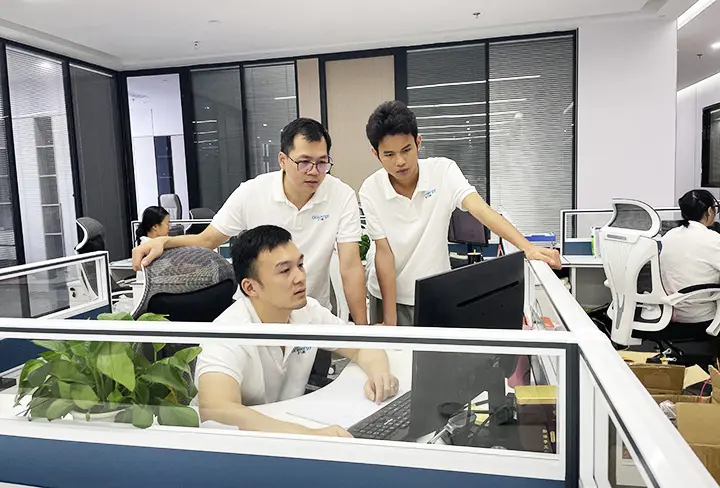
To maintain our technological edge, Grenergy collaborates closely with global engineering firms, research institutes, and key material suppliers. These partnerships allow us to incorporate new advancements in battery management algorithms, solid-electrolyte interfaces (SEI), and high-efficiency structural designs.
We are proud to support global EPC contractors, renewable energy installers, and industrial operators in establishing reliable microgrids. By sharing data-driven performance insights and offering custom engineering support, we help partners transition to clean, reliable power systems.
The lithium battery industry is evolving rapidly. A major shift is the adoption of larger cell capacities, moving from standard 280Ah cells to 314Ah and higher formats. These higher-capacity cells allow for greater energy density in the same footprint, reducing the complexity of battery balancing systems and lowering structural costs.
Additionally, the integration of IoT and AI into battery management is accelerating. Modern systems use smart sensors to send real-time diagnostic data to the cloud, allowing operators to predict potential failures, track battery health, and estimate remaining life. This predictive maintenance helps prevent system downtime in critical commercial applications.
Sustainability is also a major focus. Industrial projects are increasingly requiring recyclable battery designs. As regulations around the carbon footprint of battery manufacturing tighten, manufacturers must focus on sourcing cleaner raw materials and utilizing energy-efficient production methods to lower the carbon impact of their products.
Answers to key engineering and logistical questions for global battery buyers.
LiFePO4 (LFP) offers significant advantages in safety, cycle life, and cost for stationary systems. LFP cells have a thermal runaway threshold of around 270°C, compared to 210°C for NMC, reducing fire risk. They also support over 6,000 cycles at 80% depth of discharge (DoD), whereas NMC batteries typically offer 2,000 to 3,000 cycles, lowering the long-term cost of energy storage.
Our quality control process requires strict matching criteria for all battery packs. We group cells based on automated measurements, limiting voltage variations to less than 10mV and internal resistance variations to less than 0.5mΩ. This consistency ensures balanced charging, maximizes usable capacity, and prevents premature aging of individual cells within the pack.
Our battery packs include a programmable BMS that supports CANbus and RS485 communication protocols. This ensures compatibility with most leading hybrid inverters, including SMA, Victron Energy, Growatt, Deye, Solis, and GoodWe, allowing for smooth system integration.
Yes, all our battery systems are certified under UN38.3 and MSDS protocols, confirming compliance with international dangerous goods shipping regulations. We package our products in rugged, certified containers to ensure safe and efficient transport by sea or air.
Grenergy secures a $3 million USD third-party product liability insurance policy for all exported systems. This policy provides financial assurance and protection for engineering firms, distributors, and end-users against any unforeseen issues, demonstrating our commitment to quality and safety.
Charging lithium batteries at temperatures below freezing can cause lithium plating on the anode, reducing performance. Our advanced BMS monitors cell temperatures and will pause charging if the temperature drops below 0°C. For cold-weather environments, we also offer custom battery packs equipped with internal heating elements to safely preheat the cells before charging begins.
Explore our high-performance systems designed for demanding industrial, off-grid, and mobile applications.
 Grenergy