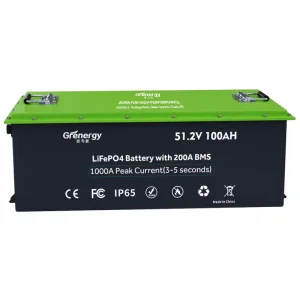
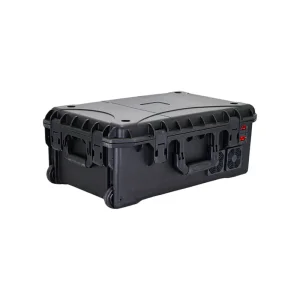
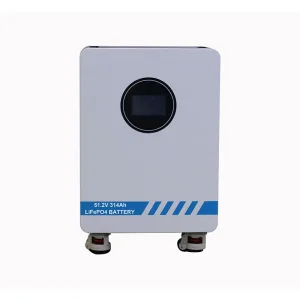
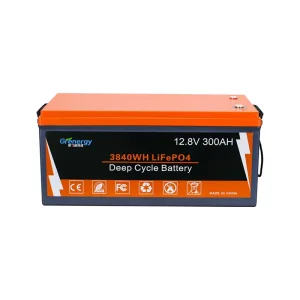
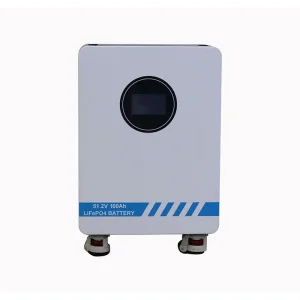
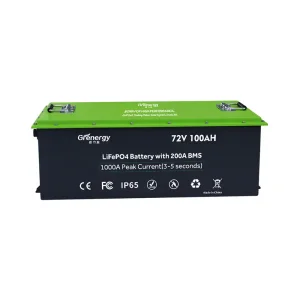
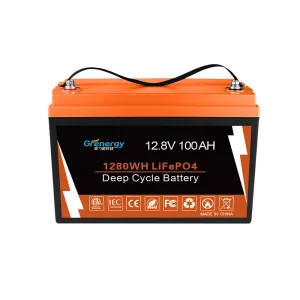
Lithium Iron Phosphate (LiFePO4) chemistry has revolutionized modern industrial and residential energy storage due to its unparalleled thermal safety, high cycle life, and mineral abundance. However, standard lithium cells exhibit a core vulnerability: sub-zero charging degradation. Charging a standard LiFePO4 battery below 0°C (32°F) triggers lithium plating on the graphite anode. This phenomenon degrades capacity permanently, increases internal cell resistance, and risks generating lithium dendrites that can puncture internal separators, inducing catastrophic short-circuits.
The core architecture relies on an intelligent Battery Management System (BMS) with built-in thermal sensors. When external power is applied and internal temperatures register below freezing, the BMS routes all charging current directly to the embedded heating film arrays.
Premium manufacturers utilize specialized ultra-thin polyimide heater foils or silicone sheets sandwiched uniformly between individual prismatic cells. This layout avoids hot spots and ensures the entire cell pack reaches thermal equilibrium at roughly 5°C to 11°C before accepting charge.
By restricting structural charging current at low temperatures, the battery maintains zero risk of lithium plating. This maintains cell health, preserves the original 4000-6000 cycles lifespan, and guarantees complete system integrity even in arctic environments.
Shenzhen Grenergy Technology Co., Ltd., established in 2010, is a premier high-tech enterprise specializing in the R&D, manufacture, and deployment of premium lithium batteries, large-scale Energy Storage Systems (ESS), power batteries, specialized Battery Management Systems (BMS), and end-to-end custom power solutions. Since our founding over a decade ago, our commitment to technological innovation and safety has positioned us as a global pioneer in low-temperature self-heating battery architectures.
Over the years, we have scaled our production facilities to cover nearly 10,000 square meters of space in the heart of China’s advanced lithium battery production hub. Our operations are run by a team of 200 highly skilled professionals, including dedicated electrochemists, thermal management engineers, and hardware designers focused on sub-zero energy systems.

China produces more than 75% of the world's lithium-ion batteries. Sourcing self-heating LiFePO4 battery modules directly from professional Chinese factories like Grenergy yields distinct engineering, operational, and commercial advantages:
From cathode precursors (Lithium Iron Phosphate) and anode materials (graphite) to advanced automated BMS chip assembly lines, Chinese factories maintain zero geographical supply bottlenecks. This enables rapid sourcing of premium raw materials and reduces turnaround time for specialized thermal conductive pastes, customized busbars, and polyimide heating strips.
BMS integration requires precision. Unlike rigid manufacturing systems elsewhere, Chinese lithium factories offer high flexibility in custom programming parameters. Buyers can adjust temperature thresholds for heat activation (-30°C to -10°C), thermal cutoff values, heating current parameters (such as leveraging solar array input or internal discharge loops), and communications protocols (CANbus, RS485, Modbus).
Premium manufacturers execute comprehensive validation protocols before export. This includes thermal shock testing, vibration testing, high-altitude low-pressure simulation, and mechanical drop tests. Grenergy adheres strictly to international industrial metrics, securing certifications such as ISO9001, ISO14001, ISO45001, UL, CE, FCC, PSE, and UN38.3, while providing a $3M USD product liability safety net.
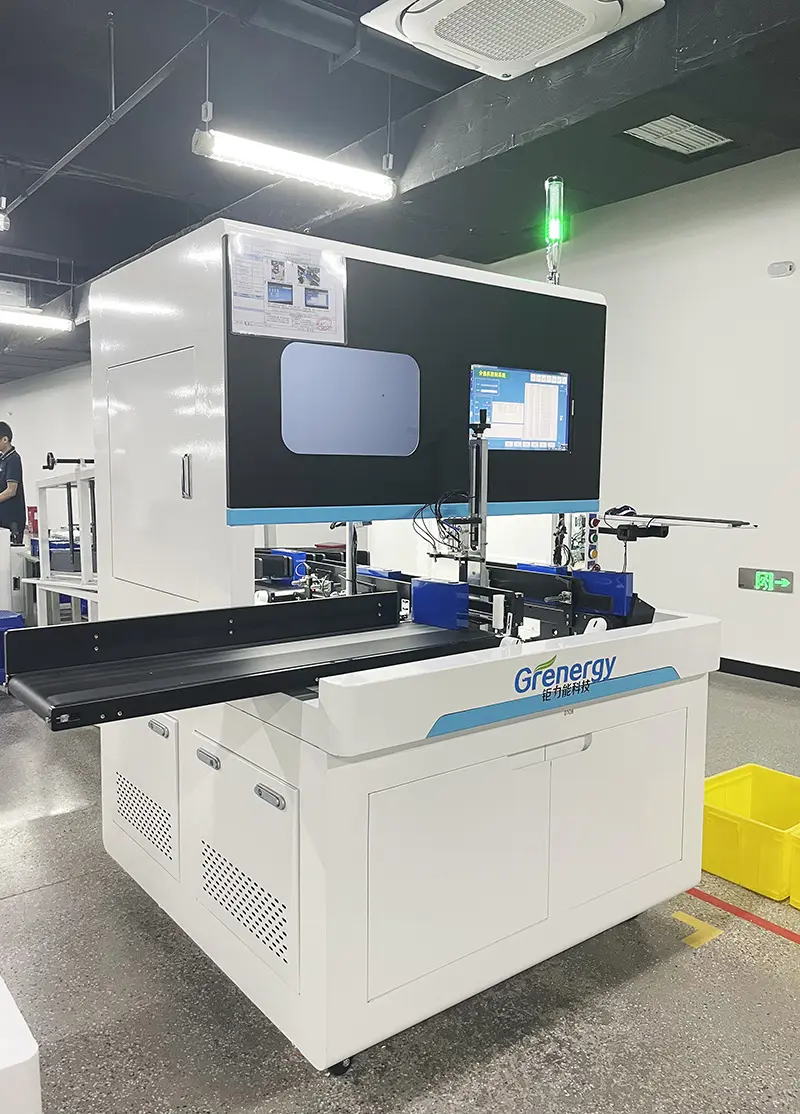
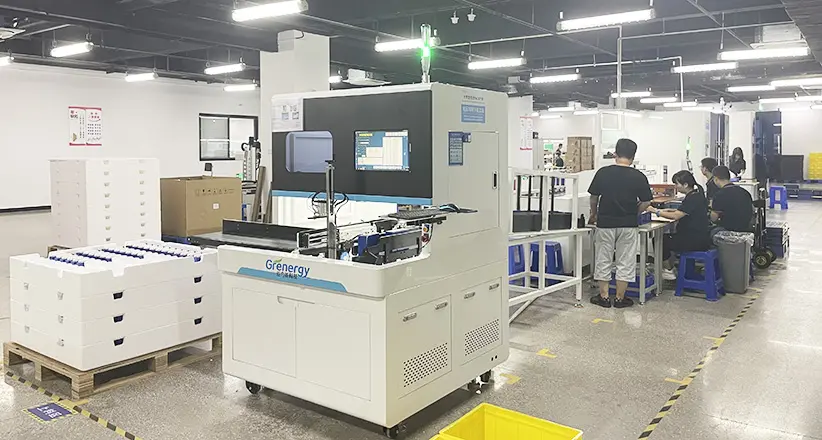
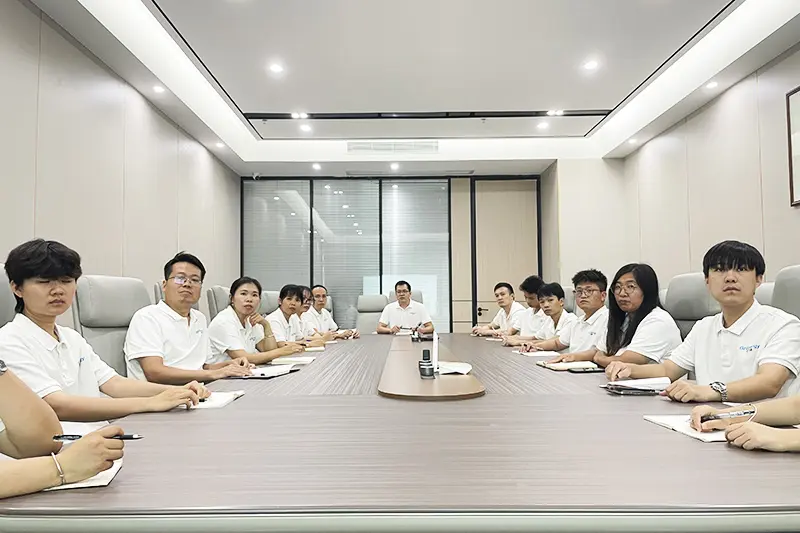
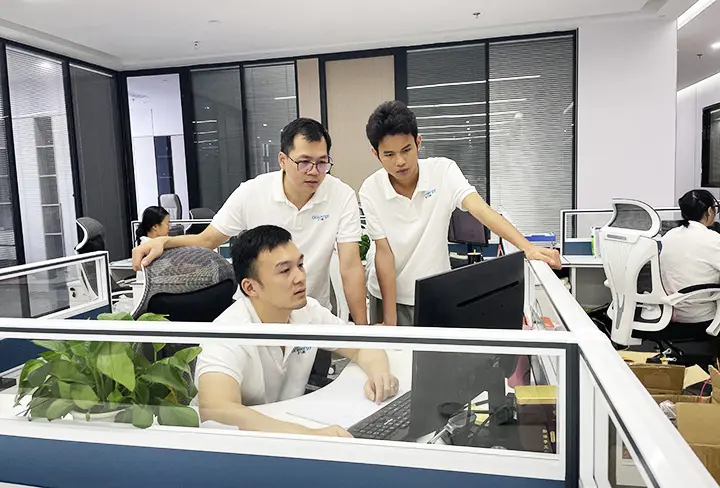
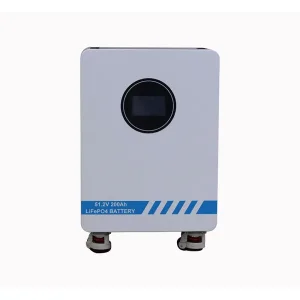
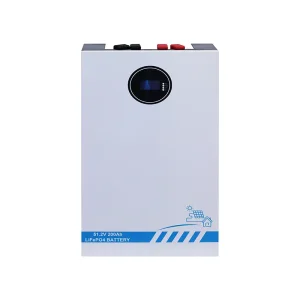
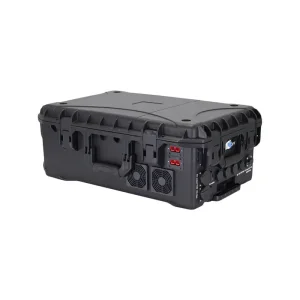
Since our inception, Grenergy has focused on pioneering sustainable energy storage technologies designed to resolve severe operational issues experienced in sub-optimal environments. Over a decade of growth has allowed us to develop an extensive product portfolio ranging from lead-acid replacement batteries, wall-mounted solar storage packs, portable generators, trolley box outdoor power stations, to high-voltage EV solutions.
Through deep material research, we identified a critical limitation in conventional lithium configurations operating in cold climates (Europe, North America, and high-altitude areas). Our engineering teams focused on addressing low-temperature power degradation, leading to the development of our signature intelligent self-heating technology.
Guided by our core values of integrity, innovation, and client success, we strive to make clean energy reliable anywhere. Our systems empower municipal grids, telecom infrastructures, logistics centers, and consumer applications to transition seamlessly to highly reliable lithium-based power structures.
Self-heating LiFePO4 batteries are not merely generic consumer products; they are critical infrastructure enablers. By maintaining optimal operational temperatures internally, these batteries secure operation across diverse industries:
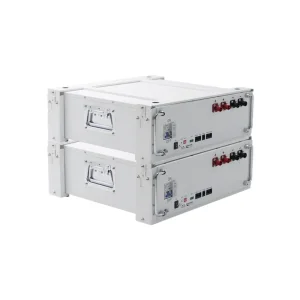
Telecom towers located in mountainous or high-latitude regions face frequent winter power failures. Standard lithium cells drop capacity or fail to recharge when temperature ranges drop below zero. Integrated self-heating LiFePO4 racks operate stably down to -30°C, ensuring uninterrupted communications and minimizing emergency maintenance visits.
Off-grid cabins and rural electrical microgrids rely heavily on daily solar charge cycles. During extreme winter weather, freezing temperatures can prevent solar arrays from charging the battery bank. Self-heating batteries use the initial morning solar energy to heat the battery pack to charging temperature, restoring efficient energy storage capacity before peak sun hours.
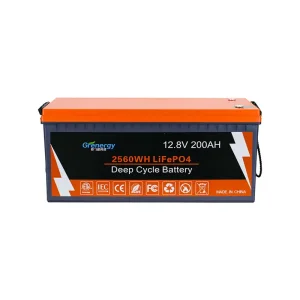
RV enthusiasts and marine vessel operators traveling through variable winter environments need robust power. Standard under-chassis battery mounts expose cells to severe cold. A self-heating 12V or 24V LiFePO4 battery safely operates from shore power or generator feeds without requiring internal cabin heaters to protect the system.
Forklifts and AGVs operating inside sub-zero refrigerated storage units experience accelerated battery drain. Utilizing specialized self-heating rapid-charge lithium batteries prevents vehicle downtime, maintains fast charging speeds within freezing warehouses, and preserves logistical throughput.
Sourcing self-heating LiFePO4 batteries requires validating clear engineering benchmarks. Procurement departments should evaluate potential partners using these criteria:
Verify the BMS firmware includes multi-stage protection for over-current, over-charge, over-discharge, short-circuit, and thermal runaway. Sourcing managers must request test logs detailing how the BMS switches charging paths to the heating element when temperature sensors drop below 0°C.
Determine whether the heater operates on external input power (e.g., from chargers or solar panels) or if it can draw power from the battery itself. For off-grid configurations, using external power for heating is generally preferred to avoid discharging the cells in cold conditions.
Select manufacturers that utilize brand new, Grade-A prismatic cells from verified production runs. Consistent cell voltage and internal resistance prevent uneven thermal distribution and unbalanced cell aging.
We work closely with global system integrators, municipal engineering departments, clean energy developers, and international logistics providers. These partnerships help us refine our designs to match local regulatory standards, environmental variations, and evolving grid profiles.
Our commitment to rigorous engineering extends through final product delivery. By managing design, cell sorting, BMS configuration, assembly, and testing in-house, we help minimize technical risks and provide durable power solutions for overseas projects.
The energy storage industry continues to evolve, bringing new technological improvements to low-temperature battery architectures:
The transition from standard 280Ah cells to 314Ah platforms allows manufacturers to offer higher capacity within the same physical dimensions. Balancing these large-format cells requires advanced thermal management, making precise self-heating designs essential for grid-scale systems.
Modern energy systems integrate cloud monitoring. Built-in IoT modules send real-time thermal, state-of-charge (SoC), and state-of-health (SoH) metrics directly to operators, allowing for preventative maintenance and remote diagnostics in remote cold regions.
Next-generation units utilize higher heating rates (1.5°C to 2.0°C per minute) by incorporating multi-layered heating zones, minimizing warm-up times before charging cycles commence.
Regulatory frameworks require batteries to feature traceable carbon footprints. Future designs will emphasize easily disassemblable, fully recyclable structural frameworks and materials.
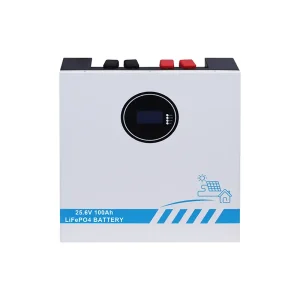
"Using Grenergy's floor-mounted self-heating batteries in our high-latitude microgrid system resolved our recurring winter outages. The integrated BMS switches to heating mode automatically when solar voltage rising at dawn, keeping the pack in optimal charging temperature ranges."
— Engineering Lead, Canadian Off-Grid Solar Integrator
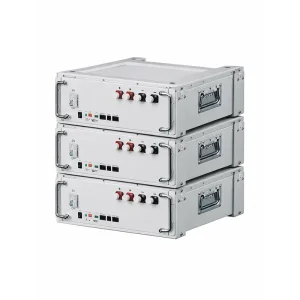
"We transitioned our municipal telecom backup sites to Grenergy's rack-mounted self-heating series. This shift significantly reduced our service calls in cold weather and decreased our battery replacement rate."
— Operations Manager, Northern European Telecom Network
 Grenergy