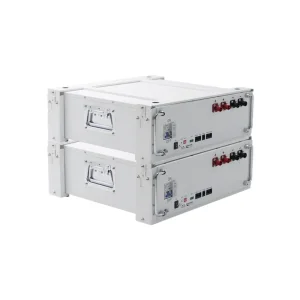
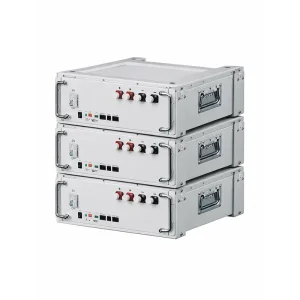
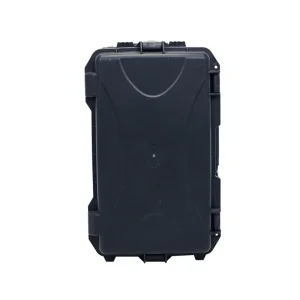
Direct supply from state-of-the-art facilities with intelligent monitoring architectures and certifications for global deployment.
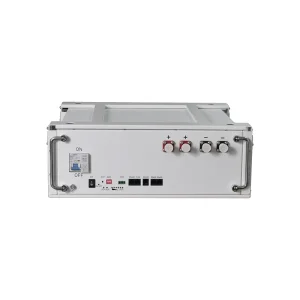
The global transition toward decentralized clean energy has changed solar battery systems from optional backup components into primary infrastructure. Contemporary commercial, industrial, and residential users demand systems that not only store surplus photovoltaic generation but also communicate intelligently with grid infrastructures, dynamic power markets, and local microgrid controllers.
When purchasing a solar and battery system, selecting the right partner involves assessing core cell chemistry, production scalability, and system integration. This document details the engineering considerations, supply chain dynamics, and regulatory compliance standards defining modern Lithium Iron Phosphate (LiFePO4) storage systems.

An overview of raw material access, automation scaling, and engineering clustering in Shenzhen and neighboring industrial zones.
Chinese gigafactories are positioned near global refining hubs for lithium carbonate, iron phosphate, synthetic graphite, and battery separators. This direct proximity reduces logistics costs and insulates manufacturing against international supply disruptions, ensuring a reliable supply of Class-A LiFePO4 cells.
Modern factories utilize automated assembly systems for cell sorting, laser welding, and automated optical inspection (AOI). This scale of automation ensures consistency in internal resistance, voltage matching, and capacity pairing, which prevents premature cell imbalances and failure in high-voltage configurations.
Shenzhen's industrial clustering allows for fast prototyping of Battery Management System (BMS) logic and mechanical cabinet designs. Design cycles that might take months elsewhere are reduced to weeks, speeding up the implementation of technologies like liquid thermal management, high-voltage architectures, and advanced communications protocols.
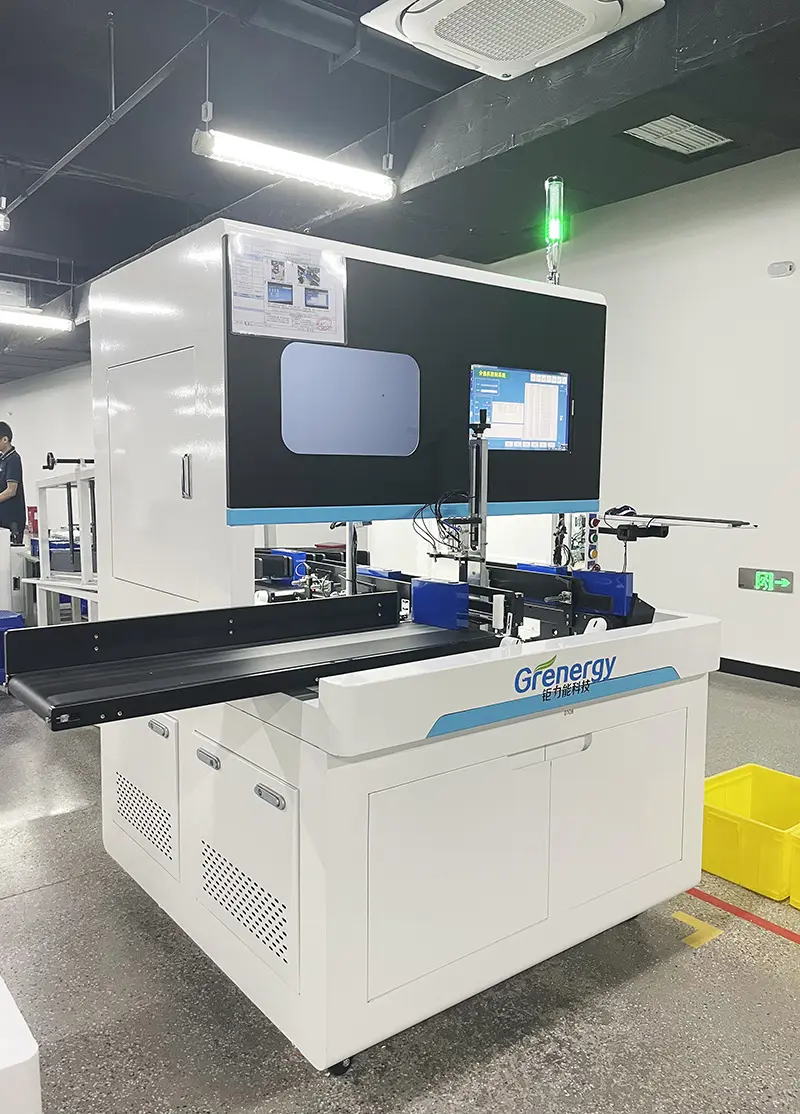
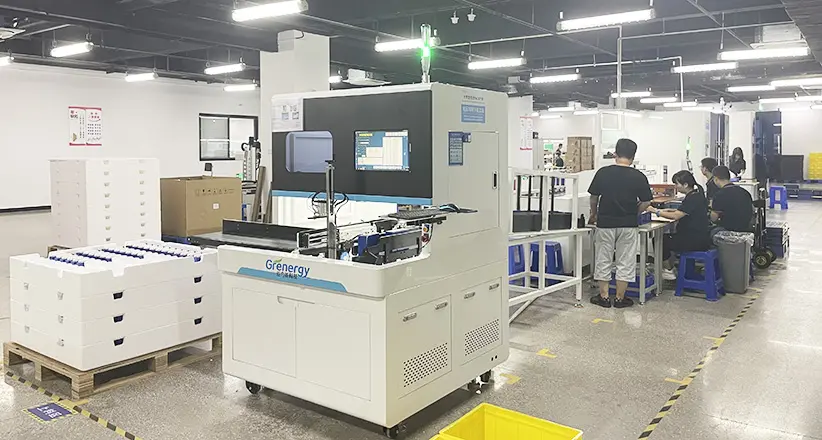
Established in 2010, Shenzhen Grenergy Technology Co., Ltd. is a high-tech enterprise specializing in the R&D and manufacturing of lithium batteries, energy storage systems, power batteries, battery management systems (BMS), and all-in-one energy storage solutions. With a focus on technological innovation, Grenergy provides reliable energy solutions for diverse applications worldwide.
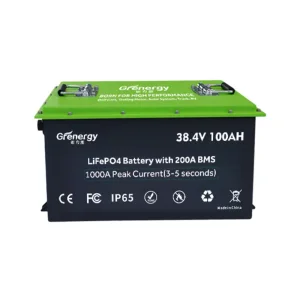
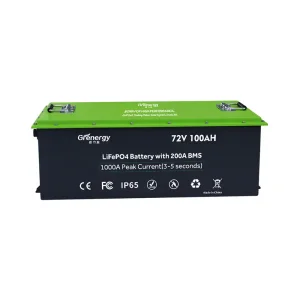
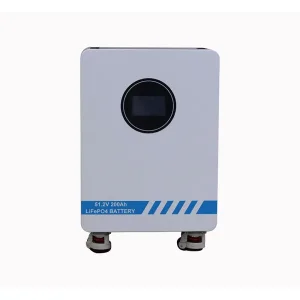
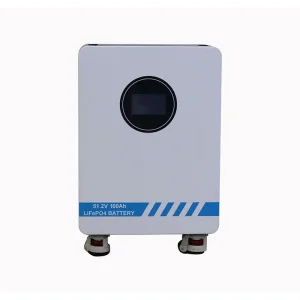
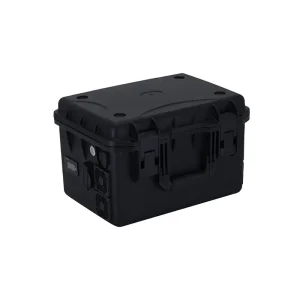
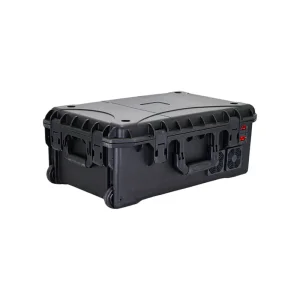
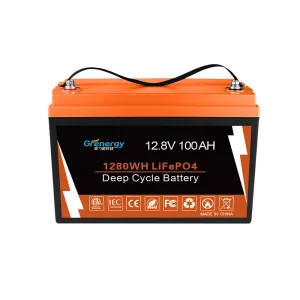
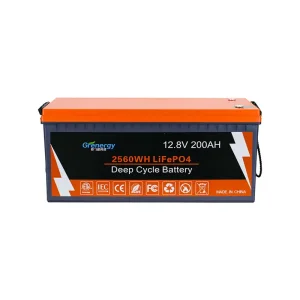
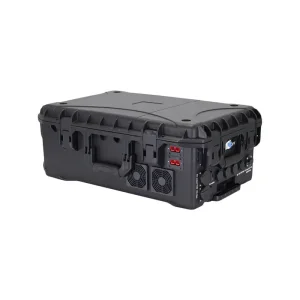
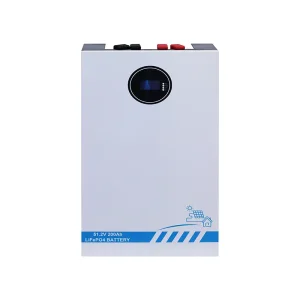
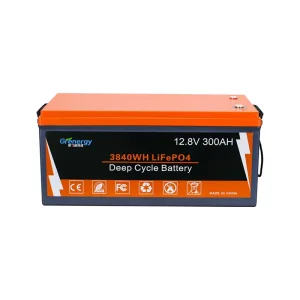
Over more than a decade of development, the company has built a product portfolio that includes lead-acid replacement lithium batteries, wall-mounted power walls, portable power stations, mobile home energy storage systems, and trolley box portable power stations. Our focus is on improving energy efficiency while reducing environmental impact.
Analysis of cell selection, thermal management, high-voltage topologies, and system integration strategies.
Lithium Iron Phosphate (LiFePO4) is preferred for stationary storage because of its high thermal runaway threshold (~270°C) compared to ternary lithium (NMC ~210°C). Grenergy's LFP formulations use ceramic-coated separators and fire-retardant structural enclosures to contain potential cell failures, meeting UL9540A testing standards.
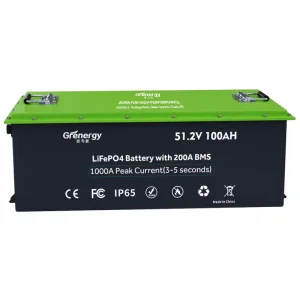
Conventional low-voltage (48V/51.2V) batteries face high cabling and conversion losses at large scales. Grenergy designs high-voltage systems (e.g., 76.8V for utility vehicles and up to 768V for commercial rack-mounted cabinets) to reduce operational current, minimize heating, and improve overall system efficiency.
Grenergy’s proprietary BMS features active balancing algorithms to distribute charge across cells, maximizing capacity utilization. With integrated CAN, RS485, and Modbus protocols, the system provides real-time telemetry (SoC, SoH, temperature, voltage deviation) to third-party PCS and hybrid inverters.
How customized battery architectures are configured for residential, mobility, and industrial use cases.
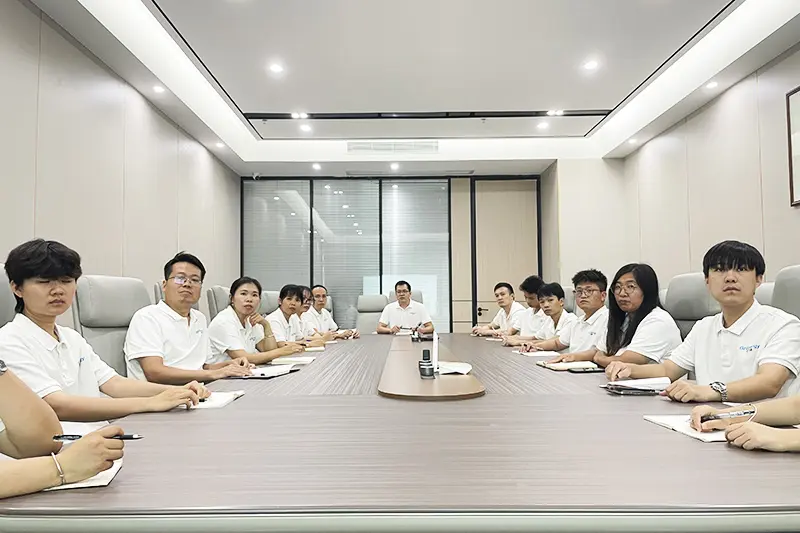
Grenergy's operations are certified under international standards, including ISO9001 for quality management, ISO14001 for environmental protection, and ISO45001 for occupational health and safety.
Our battery models undergo testing to secure global certifications, including UL (UL1973, UL9540A), CE, FCC, PSE, and UN38.3. These standards ensure safe deployment across regions, including North America, the European Union, and Asia.
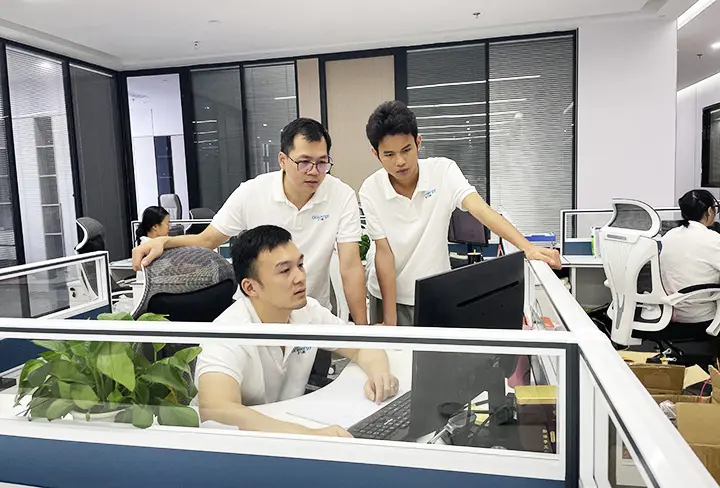
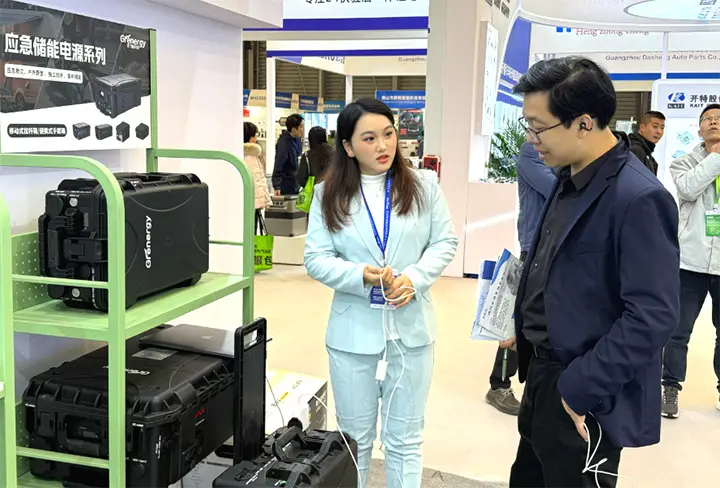
Grenergy's mission is to support the transition to renewable energy through efficient, accessible storage solutions. By focusing on durability and cycle lifetime, we help our partners deploy energy projects that reduce reliance on fossil fuels.
We collaborate with inverter manufacturers, project developers, and energy technology providers. These partnerships allow us to ensure compatibility with major energy management systems and simplify integration for our clients.
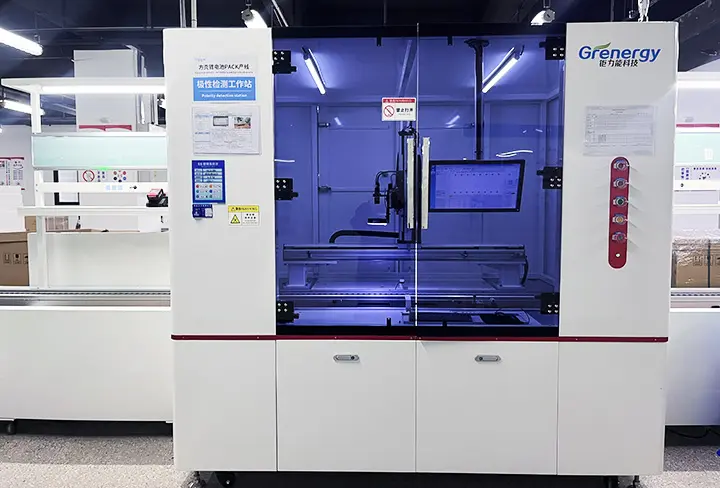
Guidelines for evaluating, auditing, and selecting utility-grade battery manufacturers.
Verify that cell performance metrics, cycle life curves (measured at specific depth of discharge rates), and BMS protocols meet the requirements of your application before placing volume orders.
Review factory quality protocols. Our facilities perform incoming material testing, in-process inspection during battery assembly, and final charge-discharge verification to maintain cell consistency.
Confirm the manufacturer holds necessary safety and transport certifications, such as UL1973, CE, and UN38.3, to ensure compliance with local electrical codes and logistics requirements.
Technical answers to common questions about battery system selection, performance, and sourcing.
Explore our deep-cycle batteries, portable power stations, and wall-mounted energy storage systems configured for global deployment.
 Grenergy