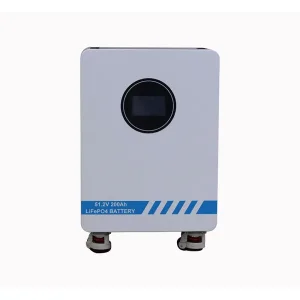
In modern commercial, industrial, and heavy-duty utility settings, sourcing high-efficiency battery assets is only half the battle. To ensure operational longevity and prevent premature capacity degradation, enterprises must implement sophisticated Solar Battery Maintainer Services. A maintainer in the industrial space refers not simply to a basic trickle charger, but to the comprehensive integration of advanced Battery Management Systems (BMS), active cell balancing algorithms, and smart float maintenance protocols.
Whether managing a fleet of lithium-powered golf carts, deploying wall-mounted residential backup arrays, or integrating megawatt-level ESS containers, cell consistency determines systemic viability. Through intelligent balancing, real-time thermal analysis, and precise voltage management, modern factory-designed maintainer systems prevent common degradation modes like lithium plating, thermal runaway, and localized cell-voltage mismatch.

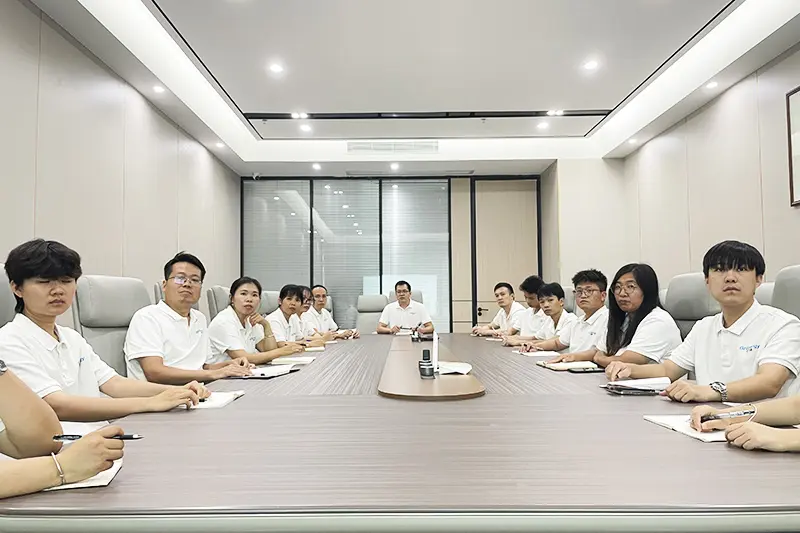
Established in 2010, Shenzhen Grenergy Technology Co., Ltd. is a recognized national high-tech enterprise specializing in the research, development, and manufacturing of lithium batteries, comprehensive energy storage systems (ESS), electric utility vehicle traction batteries, custom battery management systems (BMS), and all-in-one smart solutions.
Over the course of a decade, our brand has evolved to meet the stringent demands of global buyers. We have established ourselves as a premier manufacturer, offering a diverse and customizable product portfolio designed to replace obsolete lead-acid batteries with high-performance LiFePO₄ configurations. Our legacy is built on the core values of integrity, cutting-edge innovation, and customer-first design.
From our founding, Grenergy’s overarching mission has been to empower the world with advanced energy storage solutions. We believe in an eco-friendly future where decentralized solar arrays and wind power generation form the backbone of the global electrical grid. Our engineered systems make this transition frictionless.
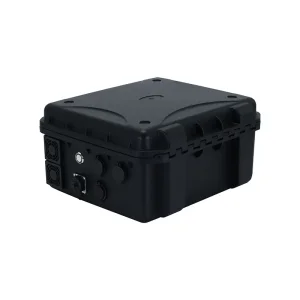
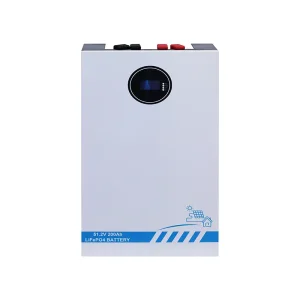
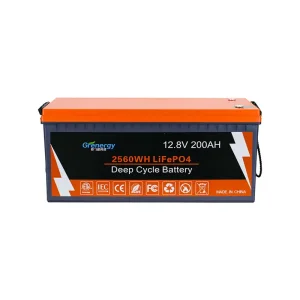
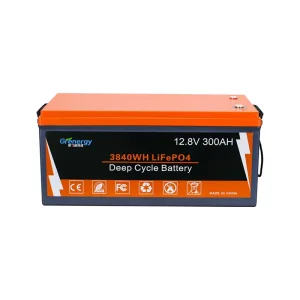
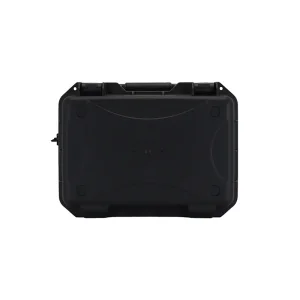
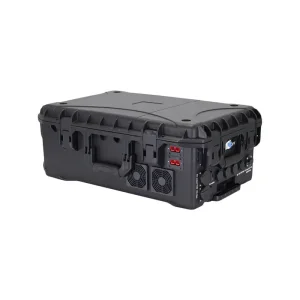
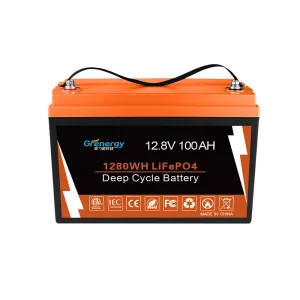
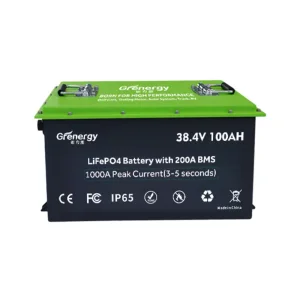
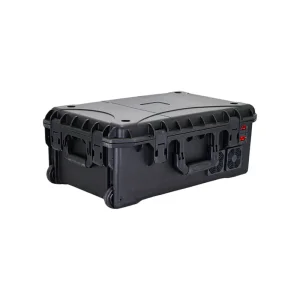
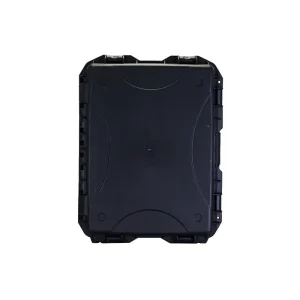
By investing heavily in raw materials research and mechanical cell configuration, we have developed high-capacity deep-cycle batteries, wall-mounted power walls, mobile residential storage hubs, and ruggedized trolley-box portable power stations capable of withstanding extreme environmental stress.
Shenzhen's hyper-localized component ecosystem allows us to source high-grade lithium iron phosphate (LiFePO₄) cells, advanced active balancers, and complex microchips directly from specialized production facilities, bypassing global supply delays.
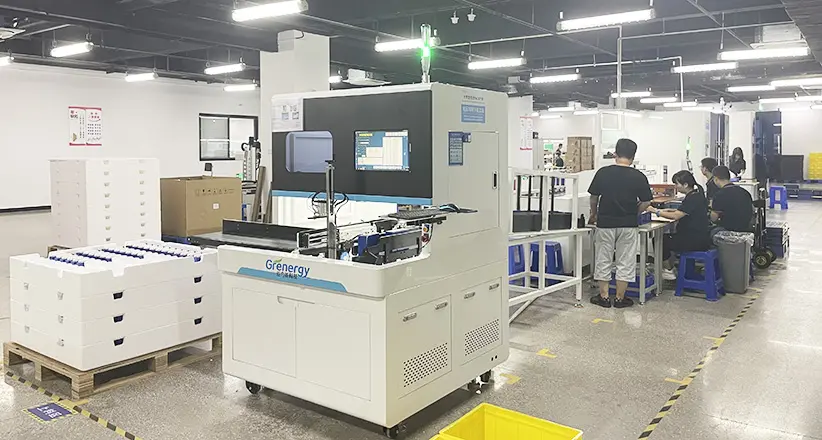
With nearly 10,000 square meters of production space and over 200 skilled operators, we design custom form factors, configure specific communication protocols (CANbus, RS485, Modbus), and optimize thermal profiles to match exact engineering specifications.
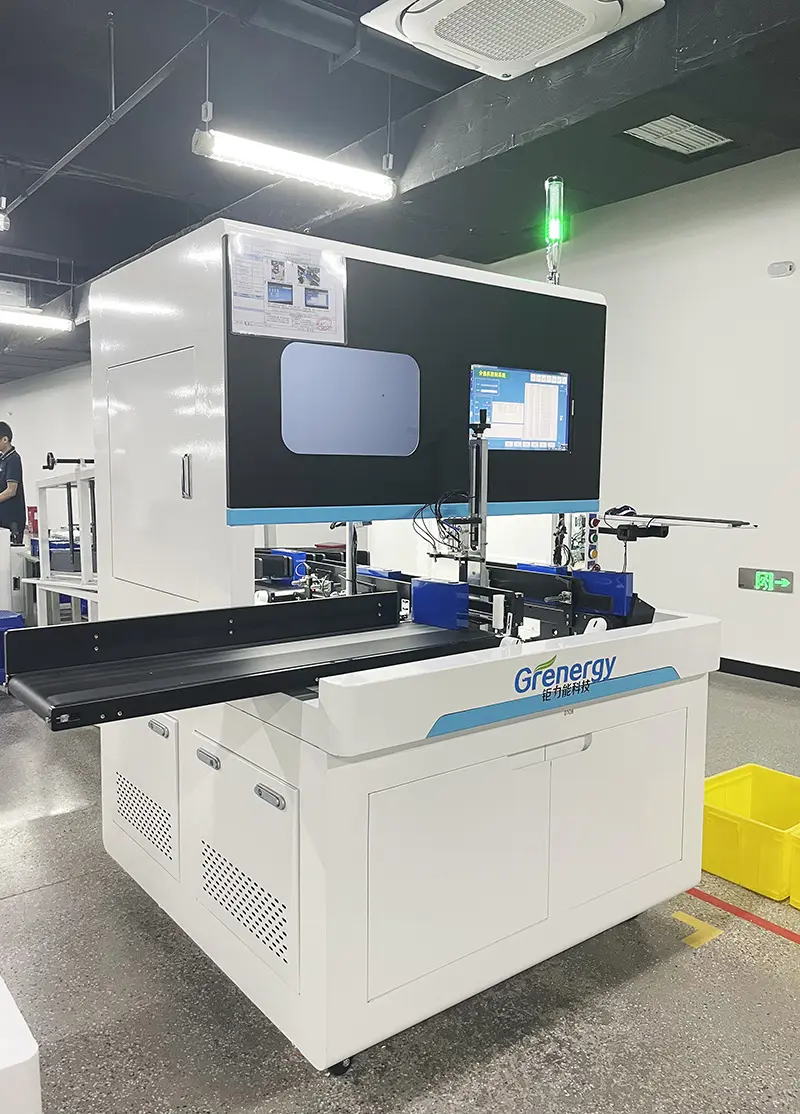
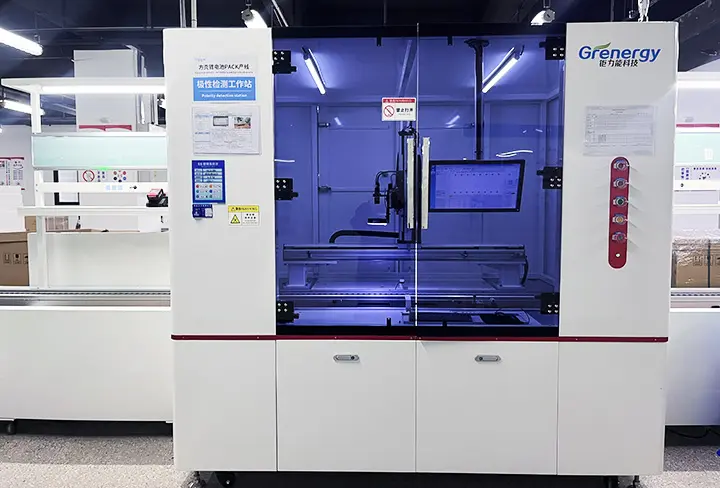
Automated spot-welding machinery, robotic cell matching platforms, and high-precision aging chambers operate 24/7. This guarantees that large-scale orders maintain identical batch consistency and zero-defect quality across shipments.
Unlike standard assemblers, Grenergy executes comprehensive technical screening on every single cell. Prior to assembly, our automated testing benches measure internal resistance, discharge curves, and capacity density. The integration of high-grade copper busbars and high-tolerance cell spacers ensures that heat dissipation is evenly distributed, minimizing thermal degradation risks.
By sourcing directly from our state-of-the-art facility in Shenzhen, global enterprises bypass the steep markups of trading companies, gaining access to direct factory engineering consultations, custom firmware modifications, and transparent lead times.
For global procurement offices, compliance is non-negotiable. Importing industrial battery systems and maintainers requires rigid alignment with international trade, environmental, and safety regulations. Shenzhen Grenergy Technology ensures compliance across the entire product lifecycle, from raw material procurement to end-of-life recycling.
Our facilities operate under strict management structures, audited by third parties to achieve ISO 9001 (Quality Management), ISO 14001 (Environmental Protection), and ISO 45001 (Occupational Health and Safety) standards. Our products carry globally recognized certifications including UL, CE, FCC, PSE, and UN38.3, making them plug-and-play compatible with regulatory frameworks in North America, Europe, Japan, and Australia.
Risk Management Highlight:
To guarantee peace of mind for our B2B partners, all Grenergy shipments are backed by a comprehensive $3 Million USD third-party product liability insurance policy. This provides immediate legal and financial security for global distributors and project installers.
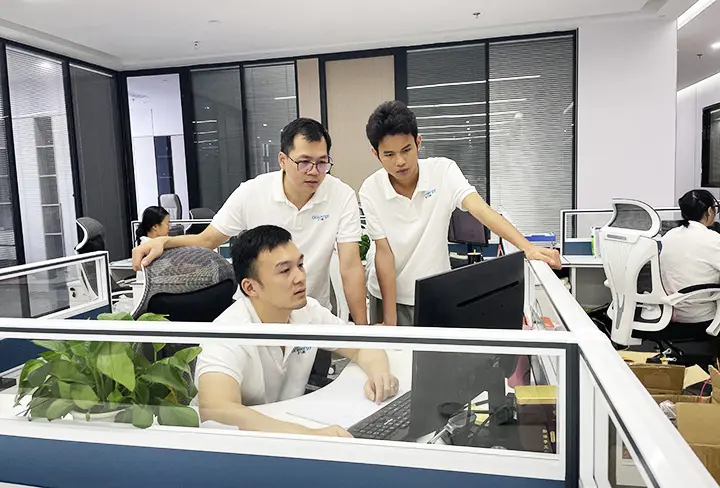
B2B clients define application requirements, operating temperature, sizing parameters, and voltage limitations.
Our R&D team designs custom enclosure mockups, maps BMS protocols, and determines ideal wiring schemes.
Automated cell matching and high-current aging tests ensure the system operates within safe parameters.
Batteries are packed in compliance with UN38.3 transport standards, complete with MSDS documentation.
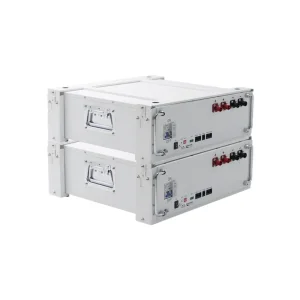
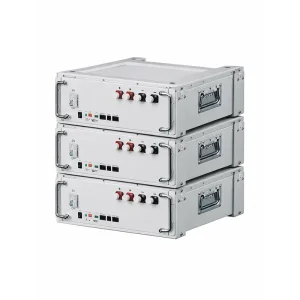
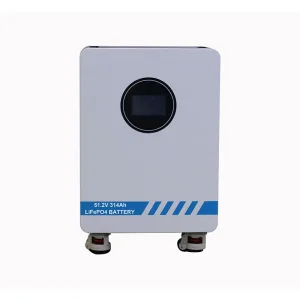
The global battery storage industry is rapidly shifting away from standard 100Ah configurations toward ultra-high-capacity cells, such as our 51.2V 314Ah Rack-Mounted ESS series. These setups double the energy footprint within the same floor plan, lowering construction and balance-of-system (BOS) costs.
Modern B2B buyers no longer rely on simple visual inspections. Our advanced integrated BMS systems offer remote Bluetooth, CANbus, and RS485 connectivity. This allows network engineers to monitor battery State of Health (SOH) and temperature profiles remotely, preventing degradation before it can lead to failure.
Varying regional regulations demand flexible, adaptive compliance pathways. While the European market prioritizes RoHS compliance and CE mark validity, the North American region focuses on UL9540A testing criteria for thermal runaway propagation. Grenergy works closely with local engineering firms to meet local codes.
Unlike standard passive balancers that dump excess energy as heat, our advanced maintainer systems reroute voltage dynamically from strong cells to weaker ones. This maximizes discharge efficiency, protects cell integrity, and extends systemic life by up to 30%.
We collaborate with technical installers, telecom tower technicians, solar system integrators, and RV manufacturers. In remote environments, a battery failure can lead to expensive repair logistics and lost revenue. By providing durable systems with built-in protection, we ensure that installations operate reliably in all conditions.
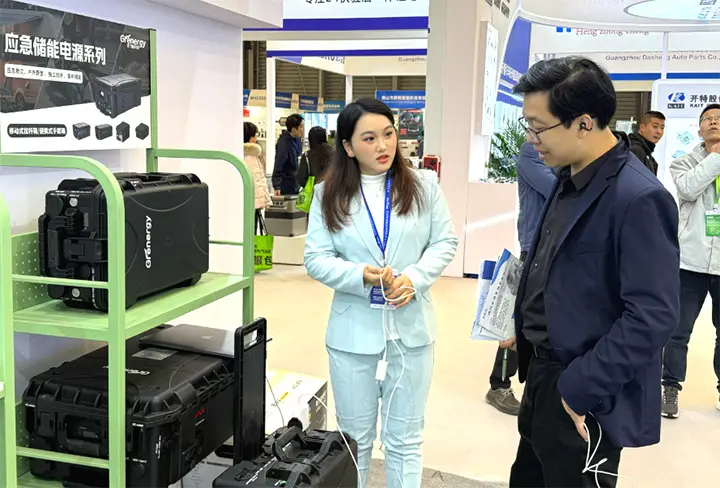
Our long-term partnerships with leading cell producers and BMS chip manufacturers enable us to navigate international raw material fluctuations. Whether executing a fast prototype run for a custom-sized electric sweep vehicle or delivering containers of wall-mounted residential backup batteries, we ensure consistent materials quality and on-time shipping.
A basic solar charger simply delivers current to a battery until it reaches a target voltage. In contrast, an industrial solar battery maintainer system works dynamically. It manages active balancing across individual cells, prevents deep discharges through smart cutoff limits, tracks temperature levels to prevent thermal issues, and applies tailored float voltages based on the battery chemistry. This is crucial for protecting your energy storage investments.
Lithium Iron Phosphate (LiFePO₄) batteries offer significant advantages over traditional lead-acid chemistries. They provide up to 10 times the cycle life (typically 4000+ cycles at 80% Depth of Discharge compared to 300–500 cycles for lead-acid), feature higher energy density for reduced footprint, require zero maintenance, and discharge efficiently even at high rates without capacity loss. Additionally, their stable chemistry minimizes the risk of thermal issues.
We ensure performance consistency by grouping cells with matching capacity, internal resistance, and voltage characteristics. Our integrated battery management systems continuously monitor individual cell parameters, using active balancing to redirect energy from higher-voltage cells to weaker ones, preserving pack capacity and longevity.
Yes, our engineering team can customize the BMS communication firmware to integrate with leading solar inverters and industrial monitoring systems. We support protocols including CANbus, RS485, and Modbus, ensuring compatibility with your existing infrastructure.
Lithium batteries are classified as dangerous goods for transport. We package all shipments according to UN38.3 standards, using heavy-duty UN-approved packaging and providing all necessary documentation (MSDS, test reports) to ensure smooth customs clearance and safe shipping by sea, land, or air.
 Grenergy