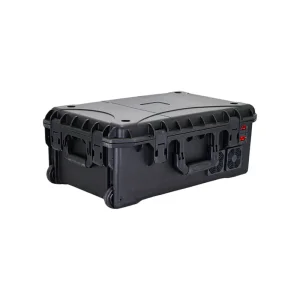
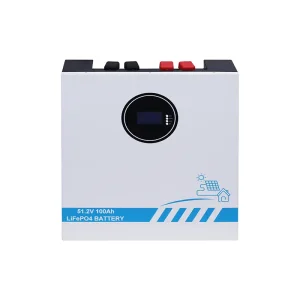
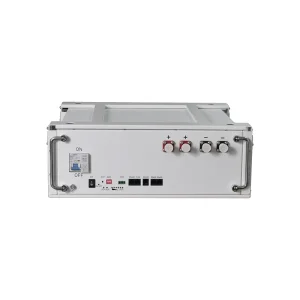
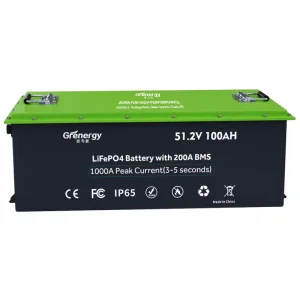
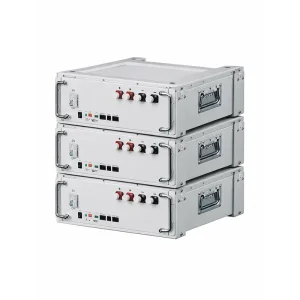
Explore our premium grade LiFePO₄ industrial energy products equipped with state-of-the-art 16S BMS hardware.
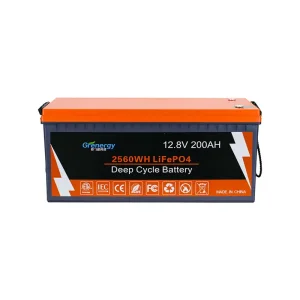
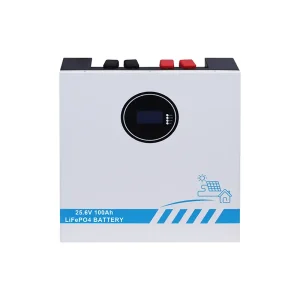
The global transition towards high-density lithium iron phosphate (LiFePO₄) chemistry has solidified the 16S configuration (48V to 51.2V nominal) as the de facto industrial standard. At this voltage range, a Battery Management System (BMS) is no longer a simple safety circuit breaker. Instead, modern 16S BMS architectures act as a micro-computing intelligence center, tasked with balancing internal impedances, estimating state-of-charge (SoC) under high transient loads, and interfacing with system-level industrial protocols such as CAN bus, RS485, and Modbus TCP/IP.
Historically, energy storage systems relied on primitive hardware with passive balancing resistors that dissipated excess energy as heat. This approach compromised thermal design and reduced battery lifespan by up to 20% due to micro-hotspots. In contrast, next-generation custom 16S BMS systems employ active charge transfer methods. Active balancing redistribution draws charge from the strongest cells and channels it directly to weaker cells, optimizing capacity utilization and thermal efficiency.
Maximizes operational capacity and extends battery lifecycle by balancing cells up to 2A dynamically, eliminating localized hot spots during rapid charge cycles.
Utilizes Coulomb counting paired with Kalman filtering to achieve State of Charge accuracy within ±1%, preventing abrupt voltage sag shutdowns.
Seamlessly routes battery cluster telemetry via CAN 2.0B, RS485, and Ethernet to industrial SCADA systems and cloud control dashboards.
Procurement departments globally are facing stricter regulatory standards and technical demands when purchasing battery systems. Factors such as functional safety requirements (IEC 62619, UL 1973), mechanical integration space limitations, and modular scalability determine project viability. Global developers require customized 16S BMS configurations that allow seamless scaling from a single module up to multi-megawatt container configurations.
A resilient custom 16S BMS must address several parameters during design audits:

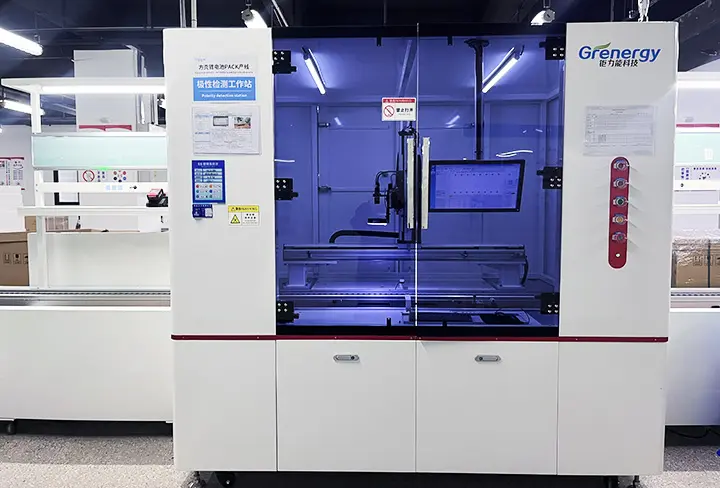
As supply chain challenges require diversification and increased transparency, Chinese manufacturers have implemented Industry 4.0 standards. Advanced facilities employ automated SMT (Surface Mount Technology) assembly lines, computerized functional testing rigs, and rigorous thermal cycle chambers to ensure every BMS performs reliably under harsh operating conditions.
By integrating R&D under one roof, manufacturers like Shenzhen Grenergy Technology Co., Ltd. can offer highly customized OEM/ODM services. This vertically integrated manufacturing model provides several key advantages:
Custom schematics, mechanical configurations, and communication protocols can be designed, compiled, and prototyped in under 15 business days.
Adherence to ISO9001, ISO14001, and ISO45001 standards ensures that failure rates during the component life cycle remain below 100 PPM.
Strategic partnerships with microchip and sensor suppliers ensure component availability, preventing unexpected production delays.
Deploying a custom 16S BMS architecture is essential for stabilizing power profiles across various industrial applications:
Answering the most critical engineering and procurement questions regarding 16S LiFePO₄ Battery Management Systems.
A 16S LiFePO₄ configuration has a nominal voltage of 51.2V. The typical charging voltage range spans from 56.8V to 58.4V, while the cut-off voltage is approximately 40V to 44V. Using a custom 16S BMS ensures these exact threshold margins are strictly maintained, preventing damage from overcharging or deep discharge cycles.
Passive balancing bleeds off excess charge from high-voltage cells as heat via resistors, usually limited to 50mA–150mA. Active balancing transfers charge dynamically between cells at currents up to 2A or higher. This process reduces heat generation, increases overall usable pack capacity, and extends life cycles by mitigating cell mismatch issues.
Yes. High-quality custom BMS configurations feature pre-programmed communication protocols (such as CAN or RS485) that support seamless integration with major inverter brands like Growatt, Victron, SMA, and Deye. This communication allows the inverter to adjust charge current dynamically based on real-time cell parameters.
For global market entry, battery packs and BMS components should meet UL 1973 (for energy storage apps), IEC 62619 (for industrial and ESS safety), UN 38.3 (for safe transport), and CE/FCC guidelines. Partnering with certified manufacturers guarantees that these compliance audits are completed successfully.
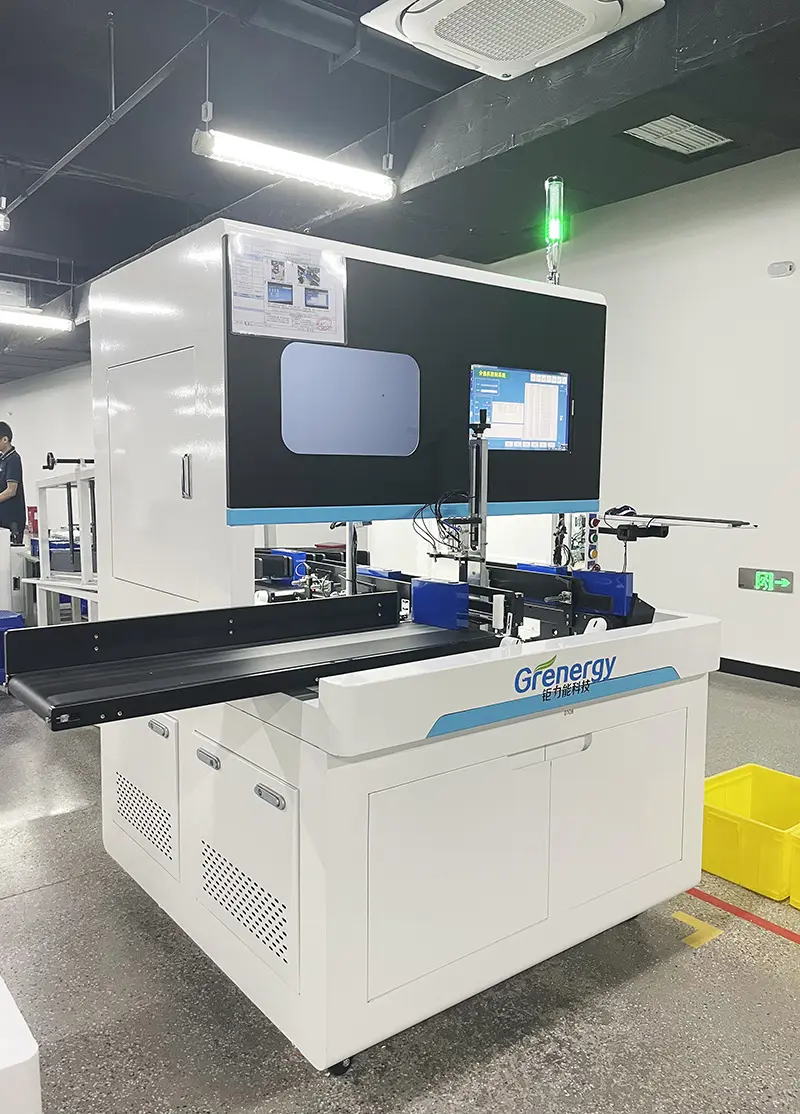
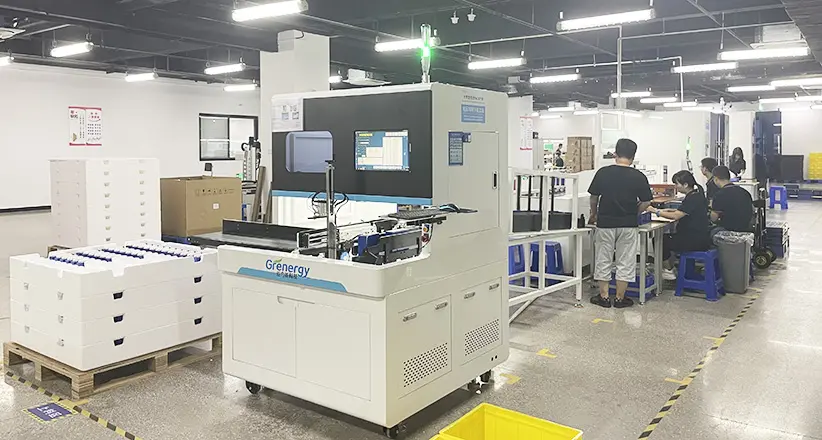
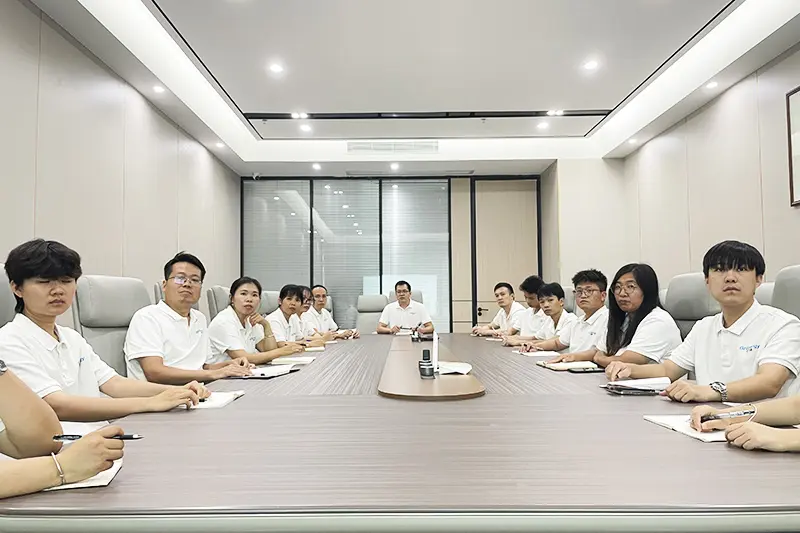
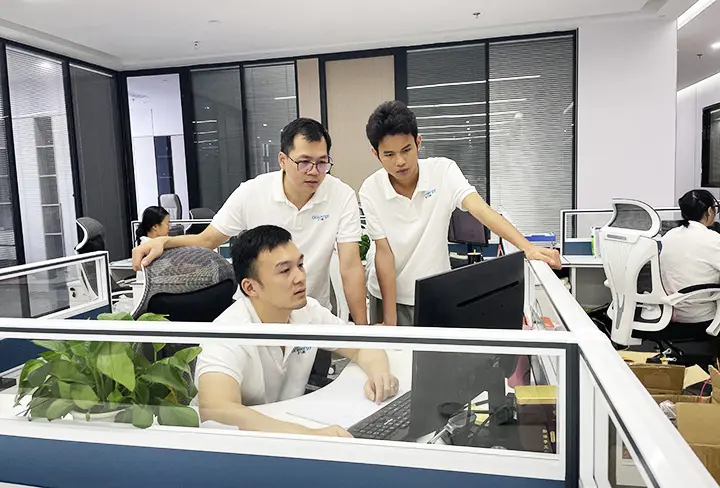
Established in 2010, Shenzhen Grenergy Technology Co., Ltd. is a high-tech enterprise specializing in the R&D and manufacturing of lithium batteries, comprehensive energy storage systems, power batteries, smart battery management systems (BMS), and customized all-in-one energy configurations. Grenergy has established itself as a leading global provider of high-reliability energy systems.
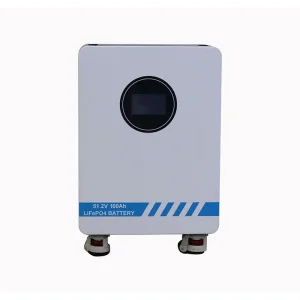
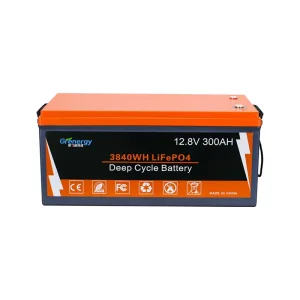
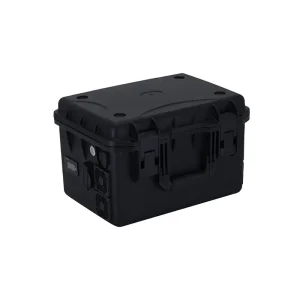
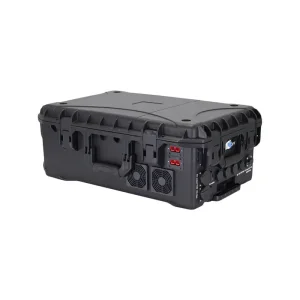
For more than a decade, the company has focused on developing sustainable, high-efficiency energy options to replace aging grid systems and lead-acid infrastructure. Today, Grenergy offers a diverse product portfolio including Lead-acid replacement lithium batteries, Wall-mounted power walls, Portable power stations, Mobile home energy storage systems, and Trolley box portable power stations.
Our commitment to engineering excellence ensures that all designs focus on reducing environmental impact while maximizing long-term energy efficiency.
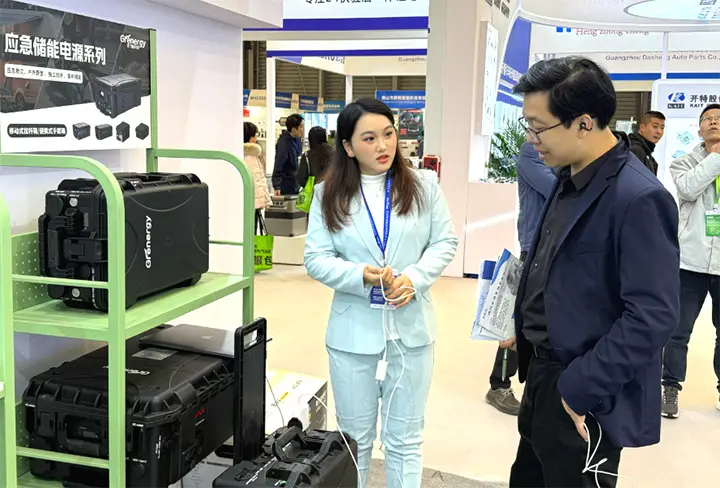
Grenergy operates from a 10,000 square meter state-of-the-art facility in Shenzhen, staffed by more than 200 highly skilled engineers and manufacturing professionals. Our automated processes ensure consistent high quality at scale. Every product meets international standards, verified by ISO9001, ISO14001, ISO45001, UL, CE, FCC, PSE, and UN38.3 certifications.
Complete customized services, adapting firmware safety limits, communication CAN protocols, and physical chassis profiles to fit your exact specifications.
Every shipment is backed by comprehensive 3rd-party product liability insurance, ensuring complete security for your global supply chain.
From the beginning, Grenergy’s mission has been to empower the world with cutting-edge energy storage solutions. We believe in a future where renewable energy is the primary power source, and our products are designed to make this future a reality. Through decades of research and development, we’ve become a trusted name in the energy storage sector, helping companies transition to more efficient, sustainable energy practices.
We are proud to have partnered with some of the world's leading organizations, technology providers, and system integrators. These collaborations help us bring the latest advancements in energy storage and management systems to market, providing our clients with the most efficient and innovative solutions available.
Don't just take our word for it—our clients trust us to provide safe, high-performance energy storage systems that meet their needs. With global customers from various industries, including renewable energy, manufacturing, and transportation, we have built a reputation for delivering reliable, top-quality products.
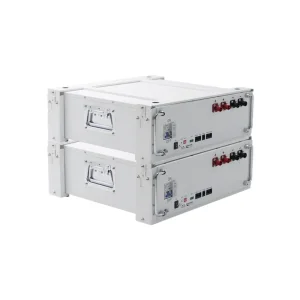
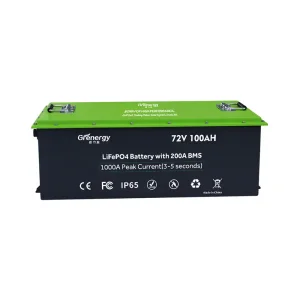
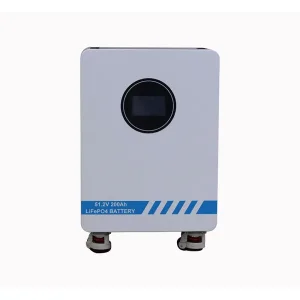
Explore our high-voltage and high-capacity modular storage units, optimized for custom integration projects.
 Grenergy