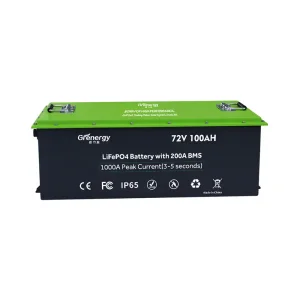
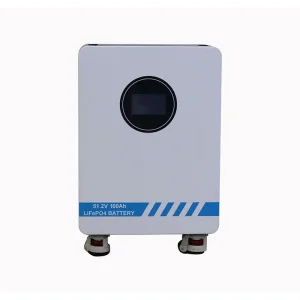
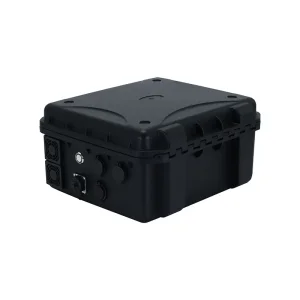
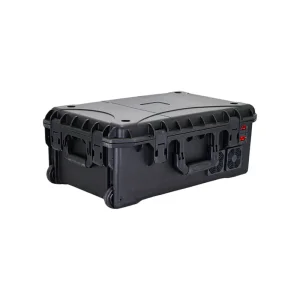
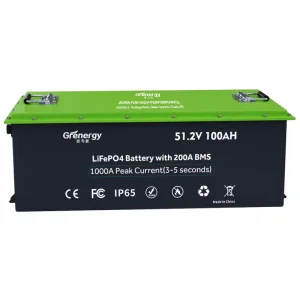
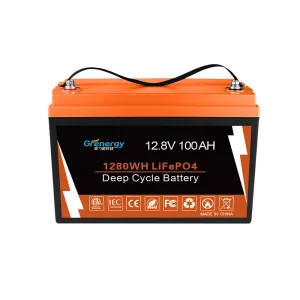
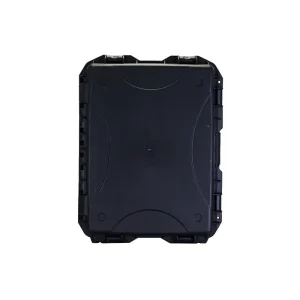
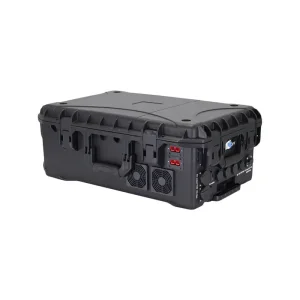
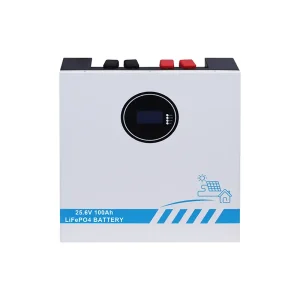
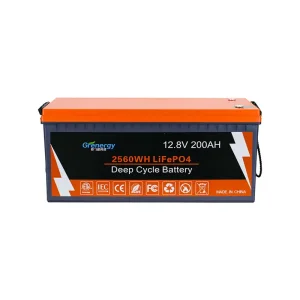
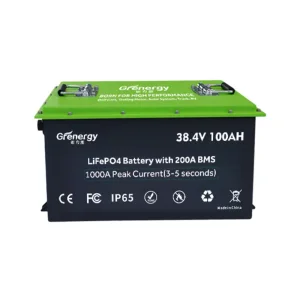
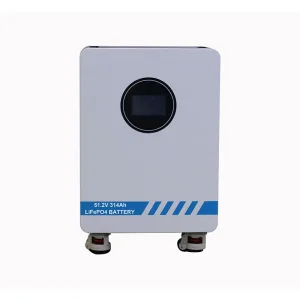
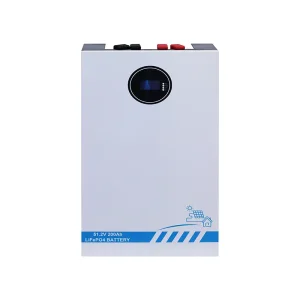
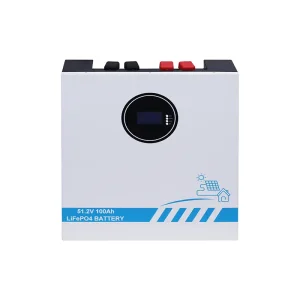
Browse through our primary range of custom-integrated lithium packs engineered with smart BMS technologies for golf carts, residential storage, backup power, and electric mobility systems.
In modern sustainable power setups, the combination of 16S (16 cells in series) configurations and a nominal 48V system (specifically 51.2V for LiFePO4) operating at a continuous discharge threshold of 100A serves as the definitive engineering blueprint for high-demand electrical architecture. This specific rating matches standard energy demands across residential battery backups, heavy-duty industrial automated guided vehicles (AGVs), telecom tower power backups, and marine electrical grids.
However, deploying a simple off-the-shelf system management solution often leads to bottlenecks in communication protocols, cell balancing efficiency, and safety. This is where specialized, customized BMS engineering services become crucial. A dedicated custom BMS enables seamless system integration, precise State of Charge (SoC) calculations, and ruggedized safety parameters tailored to the unique heat dispersion and electrical loads of specialized applications.
Established in 2010, Shenzhen Grenergy Technology Co., Ltd. is a recognized high-tech enterprise specializing in the R&D and manufacturing of lithium batteries, energy storage systems, power batteries, battery management systems, and comprehensive all-in-one green energy solutions.
With a strong commitment to technological innovation, Grenergy has grown to become a leading provider of sustainable energy solutions for various demanding applications worldwide. Our research and development focuses on the integration of hardware and software safety features, optimizing BMS balancing algorithms, and engineering robust, scalable battery systems that support demanding modern industries.

Standard electronic circuits cannot withstand continuous 100A currents without severe heat accumulation, leading to thermal shutdown or accelerated aging of nearby components. A custom BMS focuses on optimizing three primary sub-systems to maintain system integrity:
Uses low-resistance MOSFET arrays connected in parallel on heavy copper PCB layers (typically 4oz to 8oz copper weight). This setup minimizes power loss and prevents heat spots when discharging continuously at 100A.
Features custom passive shunt balancing (50mA to 150mA per cell) or active capacitive/inductive energy transfer balancing (1A to 2A) to equalize voltage differences across the 16 cells, maximizing usable capacity.
Equipped with isolated CAN 2.0B, RS485, and Modbus RTU transceivers. These links enable real-time telemetry transfer to leading hybrid solar inverters and industrial PLCs, ensuring smooth system coordination.
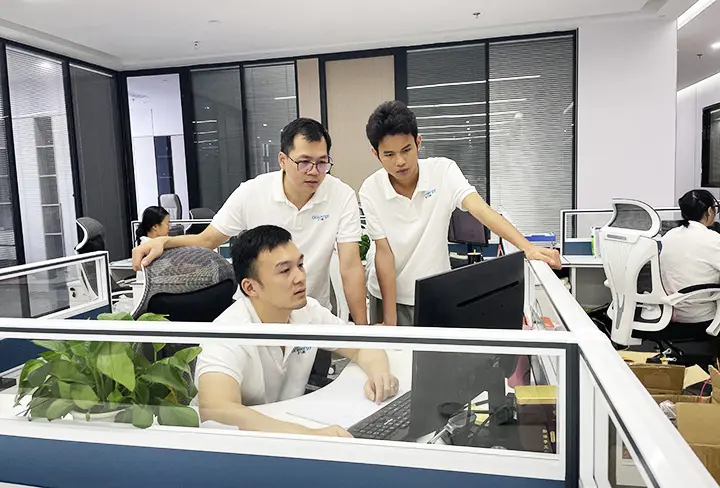
Grenergy's products support various OEM and ODM customized services, allowing us to tailor designs to specific client demands. Operating out of nearly 10,000 square meters of production space and employing a team of 200 highly skilled professionals, we are equipped to deliver high-quality, complex products at scale.
Over the years, we have consistently met international industry standards, earning certifications such as ISO9001, ISO14001, ISO45001, UL, CE, FCC, PSE, and UN38.3. We also provide third-party product liability insurance worth $3 million USD for all products, ensuring our global clients can trust our reliability and commitment to safety.
Operating electrical equipment at 48V (nominal 51.2V) and 100A continuous current requires strict compliance with regional grid codes, electromagnetic compatibility (EMC) regulations, and fire safety laws. A custom BMS must adapt dynamically to meet these demands:
BMS firmware must integrate safety checks matching UL 1973 and UL 9540A standards. This includes dual-channel analog voltage checks, secondary overvoltage protections, and physical fuses to prevent thermal runaways. Real-time logging of faults is required for insurance compliance.
Requires strict adherence to IEC 62619 and CE-LVD (Low Voltage Directive) requirements. Hardware must include isolators between low-voltage signals (CAN/RS485) and the 48V power lines. Advanced thermal protection must cut charging immediately if cells slip outside safe temperature ranges.
Furthermore, modern firmware must support OTA (Over-The-Air) updates, allowing local technicians to adjust safety parameters, adapt communication profiles, and update SOC algorithms as the battery pack ages—all without opening the battery case.
Shenzhen, China, stands as the global hub for battery management electronics and PCB assembly. Partnering with a manufacturer based in this region offers key advantages:
Proximity to semiconductor parts allows design adjustments, PCB layouts, and prototype assembly (PCBA) within days. This is crucial for custom testing before mass production.
Direct relationships with semiconductor suppliers ensure steady component sourcing, reducing production lead times and lowering overall manufacturing costs.
Modern factories feature automated optical inspection (AOI), x-ray inspections, and environmental chambers to run accelerated aging tests on every BMS batch.
When sourcing custom BMS systems for large projects, engineering and procurement teams should evaluate suppliers on several criteria to ensure long-term system stability:
Procurement teams must ensure that every single BMS board has a unique tracking code linking it to its assembly data, component batch, and final functional test results. This tracking is key to maintaining quality across large-scale energy deployments.
Since its establishment, Grenergy has focused on the development of sustainable energy solutions to meet the growing demand for efficient, reliable, and eco-friendly power systems. With over 10 years of expertise, Grenergy has developed a diverse product portfolio, including Lead-acid replacement lithium batteries, Wall-mounted power walls, Portable power stations, Mobile home energy storage systems, Trolley box portable power stations, and much more. We are committed to enhancing energy efficiency while reducing environmental impact.
Our core values include integrity, innovation, and customer satisfaction, which have been the foundation of our growth. Grenergy’s history is one of continuous improvement and dedication to providing advanced energy storage solutions to businesses and individuals globally.
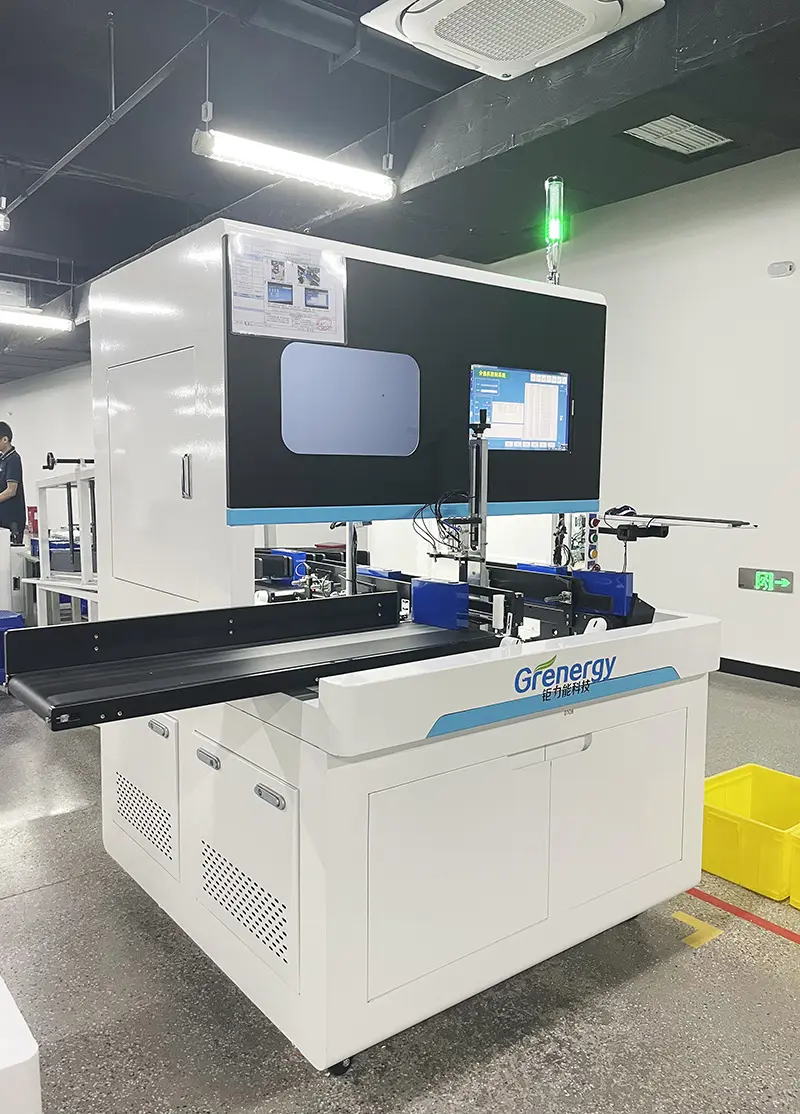
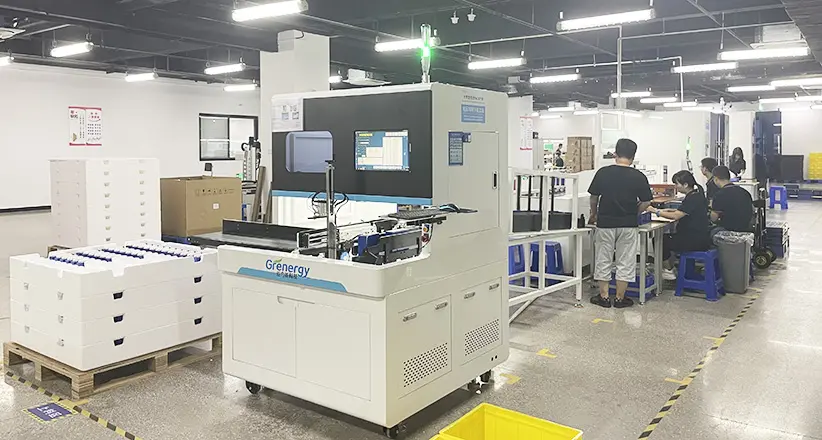
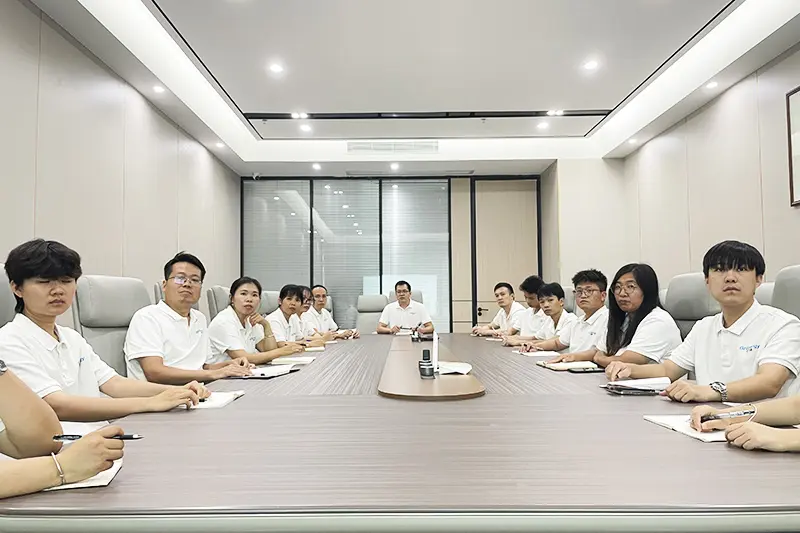
From the beginning, Grenergy’s mission has been to empower the world with cutting-edge energy storage solutions. We believe in a future where renewable energy is the primary power source, and our products are designed to make this future a reality. Through decades of research and development, we’ve become a trusted name in the energy storage sector, helping companies transition to more efficient, sustainable energy practices.
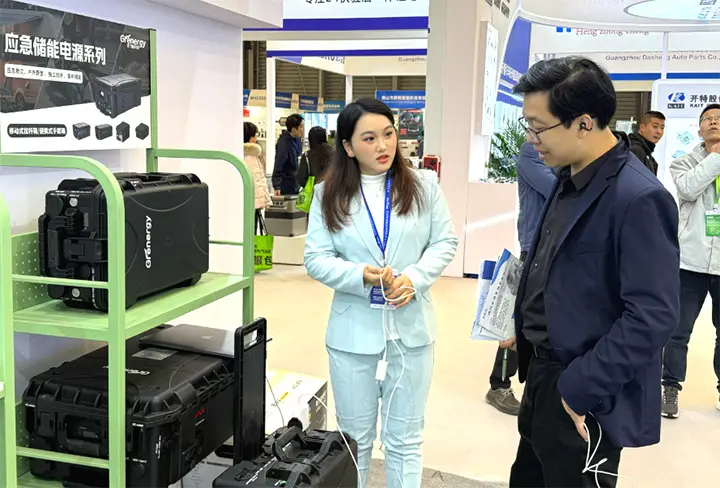
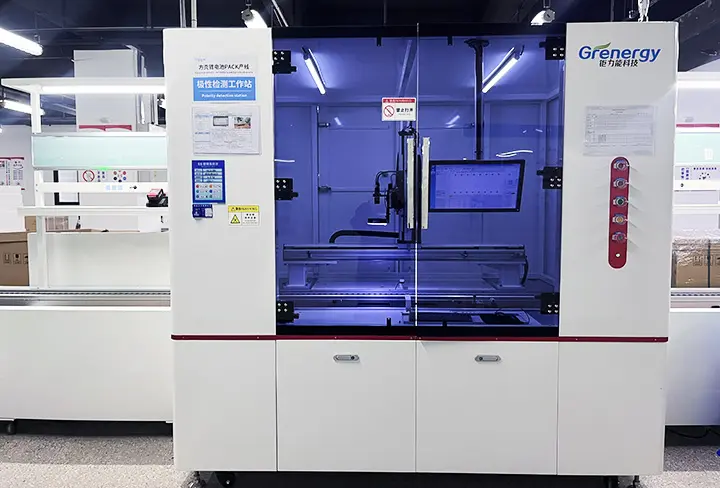
We are proud to have partnered with some of the world’s leading organizations and technology providers. These collaborations help us bring the latest advancements in energy storage and management systems to market, providing our clients with the most efficient and innovative solutions available.
Don’t just take our word for it—our clients trust us to provide safe, high-performance energy storage systems that meet their needs. With global customers from various industries, including renewable energy, manufacturing, and transportation, we have built a reputation for delivering reliable, top-quality products.
The energy storage sector is moving away from simple analog protection circuits toward highly integrated, digital energy ecosystems. Here are the three primary trends shaping the industry:
Modern systems connect BMS telemetry directly to cloud platforms, using machine learning to predict battery aging, optimize state-of-health tracking, and detect cell anomalies before they cause issues.
As energy storage systems grow larger, active energy-transfer balancing is replacing passive systems, redirecting energy from higher-voltage cells to weaker ones to maximize battery pack life.
With batteries connecting to home networks and industrial grids, manufacturers are integrating secure microcontrollers and encrypted communication channels to protect firmware from unauthorized access.
Review answers to common questions about selecting, customizing, and deploying 16S 48V 100A BMS systems for residential and industrial energy storage.
Explore our second batch of high-reliability LiFePO4 batteries, including deep-cycle modules, wall-mounted solar packs, and portable trolley energy storage systems.
 Grenergy