Established in 2010, Shenzhen Grenergy Technology Co., Ltd. has positioned itself at the cutting edge of global sustainable electrification. As a premier manufacturer and exporter of custom DC power stations, industrial lithium energy storage solutions (ESS), and state-of-the-art battery management systems (BMS), Grenergy acts as a vital bridge between custom electronic engineering and industrial-scale execution.
Our mission is defined by engineering reliability, custom safety architectures, and systemic scalability. By focusing on lithium iron phosphate (LiFePO4) chemistry, our R&D processes directly target the modern imperatives of commercial and residential power grids: longevity, thermal stability, high round-trip efficiency, and minimized total cost of ownership (TCO).

From replacing legacy lead-acid configurations to deploying high-voltage containerized ESS, our operational history reflects the rapid evolution of global battery technology.
Over a decade ago, Grenergy recognized that standard grid systems were ill-equipped to support the decentralization of renewable energy. Lead-acid batteries presented severe environmental and cycling limits. We initiated our pivot towards high-purity LiFePO4 cells and proprietary BMS software. This pivot allowed us to design tailored power systems capable of managing complex, highly irregular load profiles.
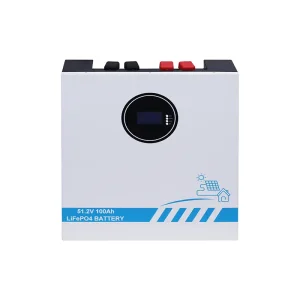
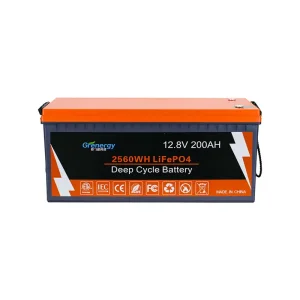
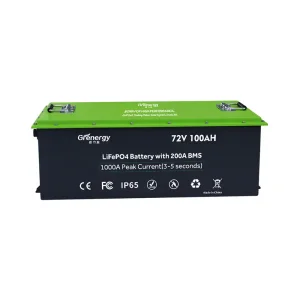
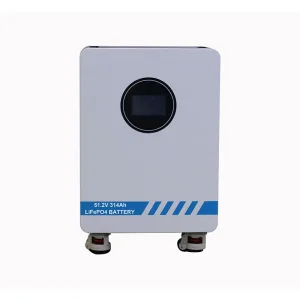
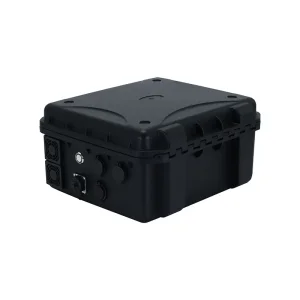
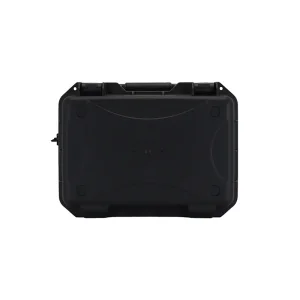
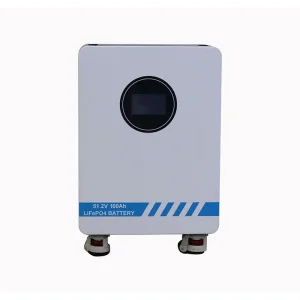
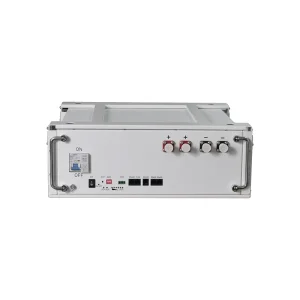
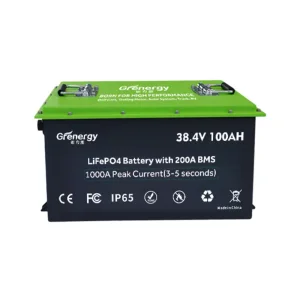
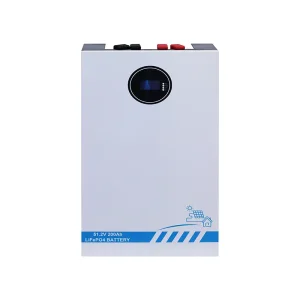
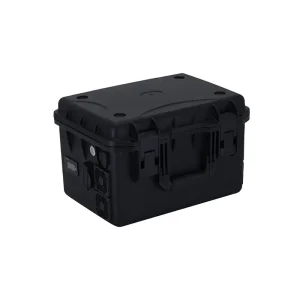
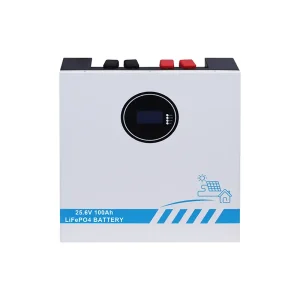
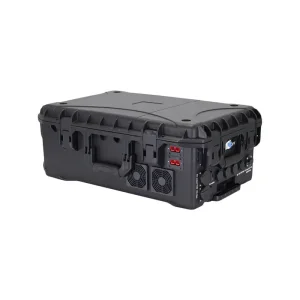
Today, our diversified product portfolio spans Lead-acid replacement lithium batteries, Wall-mounted home batteries, Portable power stations, Mobile home energy storage systems, and Trolley-based high-output power stations. Our focus continues to be providing reliable, industrial-grade alternatives that minimize carbon emissions and lower energy operational costs.
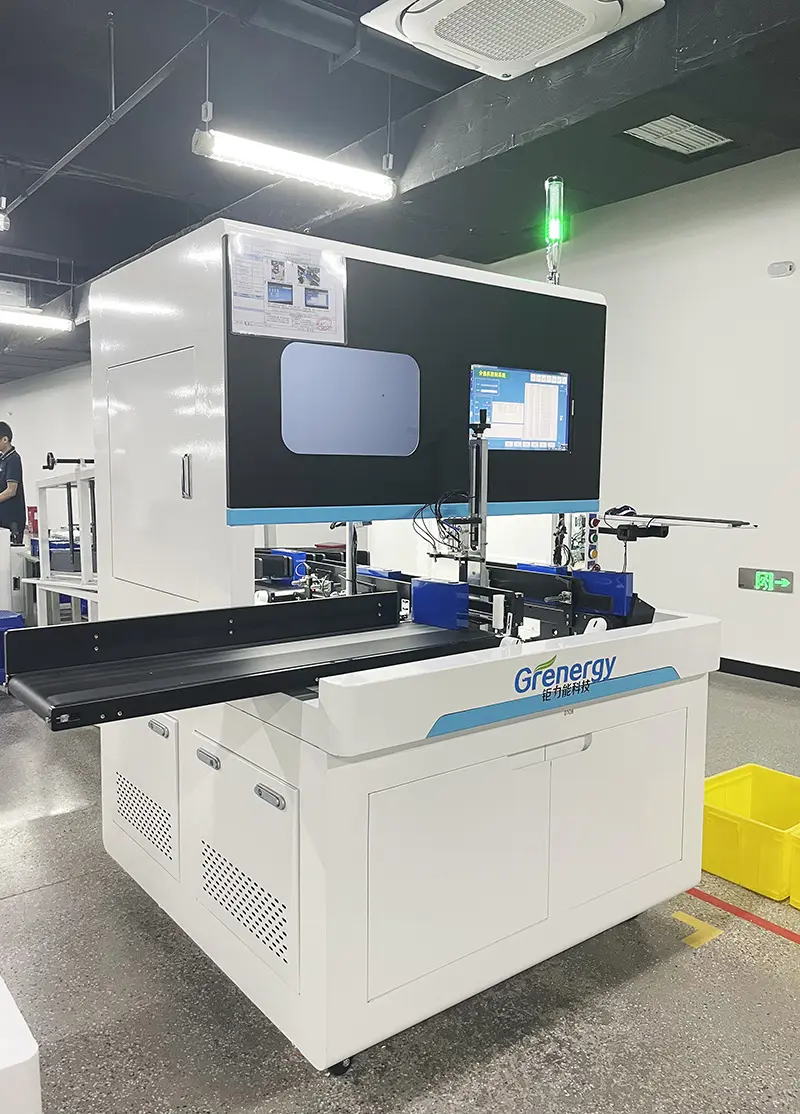
Modern distribution networks are transitioning from massive centralized power generation to distributed energy resource (DER) clusters. High-capacity custom DC power stations provide the key buffering mechanism required to manage local microgrids, balancing load peaks, and stabilizing voltage levels.
Compared to NMC alternatives, Lithium Iron Phosphate (LiFePO4) chemistry offers unmatched safety profiles, zero risk of thermal runaway under typical conditions, a cycle life exceeding 6,000 cycles at 80% Depth of Discharge (DoD), and an environmentally clean configuration.
Battery systems are no longer passive chemical containers. Advanced power stations incorporate intelligent Battery Management Systems that monitor State of Charge (SoC), State of Health (SoH), execute active balancing, and communicate via CAN, RS485, and Modbus protocols.
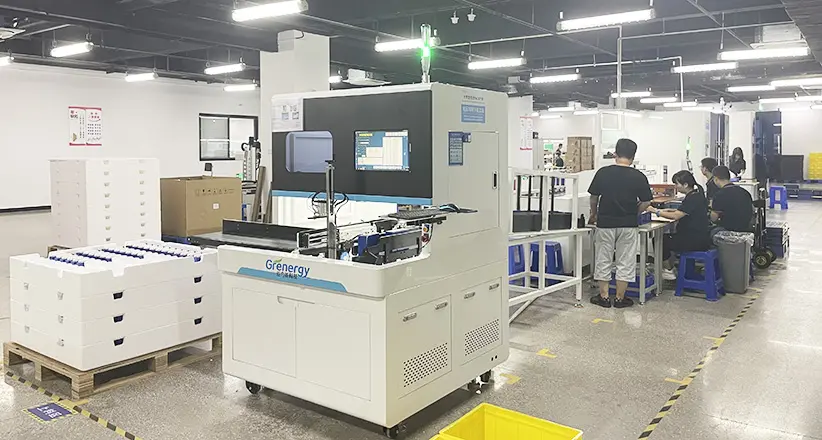
Global buyers, EPC contractors, and system integrators face severe challenges when sourcing energy storage equipment: regulatory inconsistencies, poor structural integration, and inadequate thermal management.
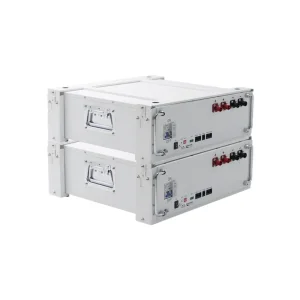
To address these concerns, Grenergy's engineering division prioritizes modular flexibility. Whether customizing physical dimensions for rack systems, engineering high-voltage output matrices for utility vehicles, or developing trolley systems for off-grid operations, our designs are optimized for field durability and simplified installation processes.
An exploration of our core hardware structures, software safety integrations, and custom design capabilities for international industrial applications.
Every custom DC power station manufactured by Grenergy features a multi-tiered BMS interface. The primary tier monitors cell-level parameters, including voltage drift, internal resistance, and local temperature variances. The secondary tier governs protection routines, isolating battery modules during over-current, over-charge, or short-circuit events to protect the system.
For high-voltage systems (such as our 76.8V golf cart configurations and high-capacity floor-mounted ESS), our BMS uses active cell-balancing routines to maximize capacity utilization and extend the operational life of the entire system.
Integrated heat-sinks, engineered internal airflow pathways, and optional active thermal conditioning ensure the internal cell temperatures remain within their optimal operating window (20°C to 45°C) to prevent thermal degradation.
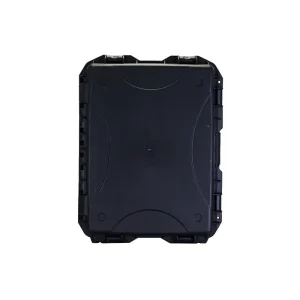
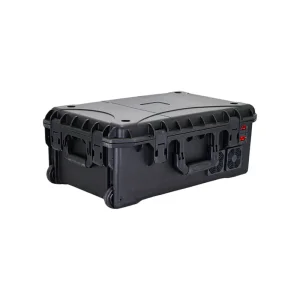
Designed for mobile applications, our trolley systems and portable power stations are built with vibration-isolated structural mounts and impact-resistant outer enclosures to meet drop and shock standards.
Our systems support seamless integration with leading hybrid inverters using CAN bus, RS485, and Modbus communication protocols, enabling real-time telemetry and remote diagnostic monitoring.
In industrial and residential energy storage, reliability is a key metric. Grenergy operates under strict quality management systems, including ISO9001, ISO14001, and ISO45001 certifications. Our products undergo rigorous testing and certification processes to ensure safe deployment globally:
We provide a $3 million USD product liability insurance policy for our global clients, offering peace of mind and financial security for large-scale projects and distribution networks.
We offer custom branding, tailored form factors, and adjustable chemical capacities, allowing you to design products that meet the specific needs of your target market.
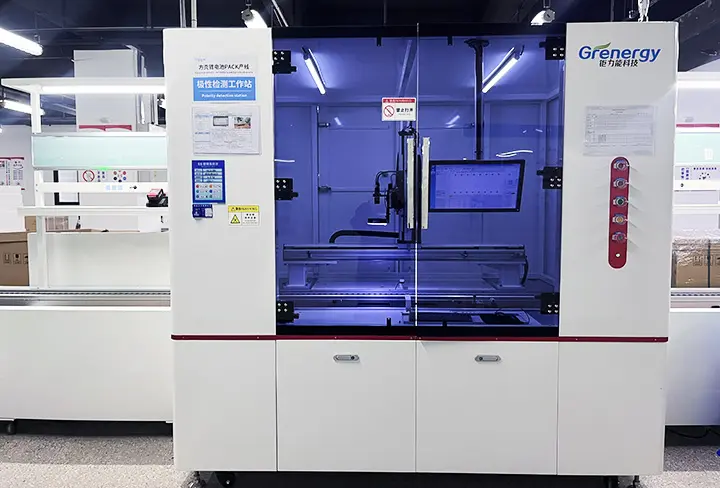
With our 10,000-square-meter facility, we can handle high-volume orders efficiently while maintaining strict, multi-step quality control checks at every stage of production.
We provide comprehensive engineering documentation, installation guides, and remote technical support to help your team install and maintain systems on site.
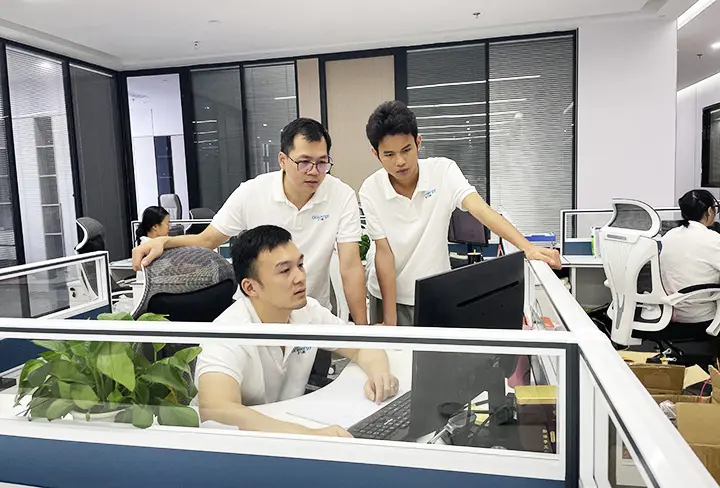
Working directly with Grenergy as a manufacturer eliminates intermediaries, lowering procurement costs while giving you direct access to our engineering team. We assist in resolving layout limitations, designing custom communication interfaces, and resolving compatibility issues with existing equipment.
Our logistics support handles everything from shipping hazardous materials to managing custom documentation, ensuring smooth and worry-free international delivery.
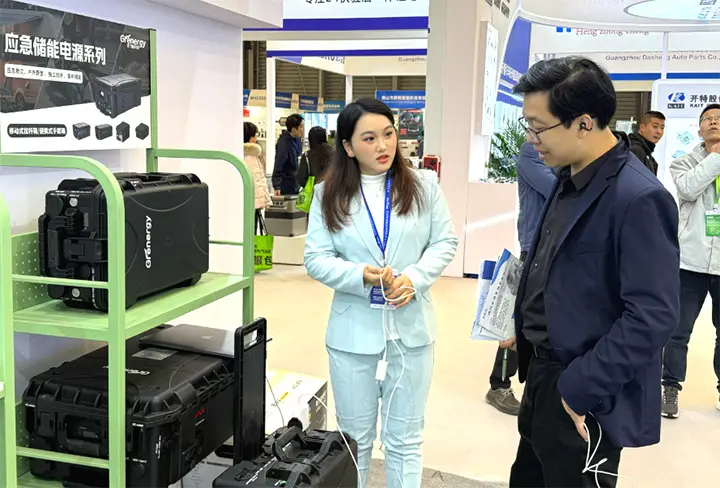
Our R&D team works continuously to integrate the latest technological advances, keeping our custom power stations ahead of industry demands.
Integrating advanced LiFePO4 cells with higher energy densities to reduce system weight and overall footprint.
Developing cloud-based BMS platforms that use machine learning to predict battery aging and optimize performance remotely.
Investing in preliminary research for solid-state cell integration to deliver higher levels of safety and energy capacity.
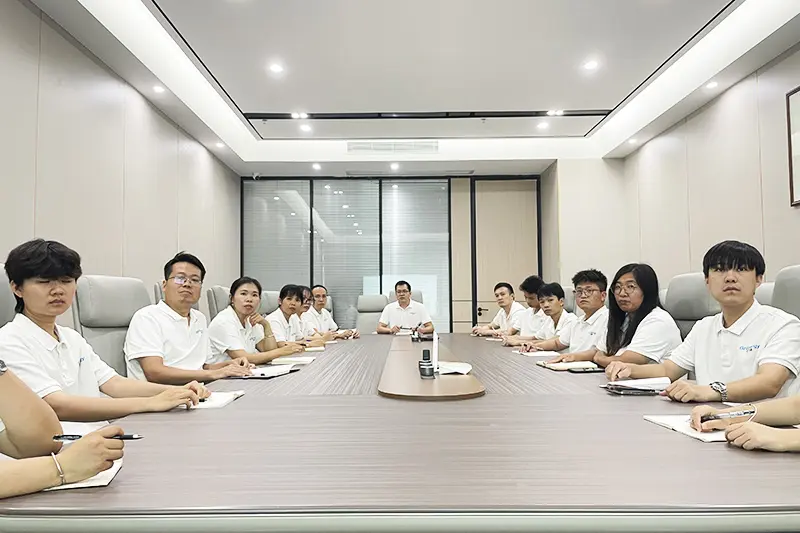
We work closely with global tech providers and component suppliers to ensure every inverter, cell, and BMS chip operates reliably under demanding industrial conditions. By collaborating early in the design phase, we prevent compatibility issues and ensure reliable performance in the field.
"Grenergy's custom rack-mounted batteries resolved our solar microgrid integration issues in Europe. Their team customized the firmware to work with our existing inverters, and the system has run reliably without issue."
— Principal Microgrid Architect, Germany
"The 3.84kWh trolley systems have been a game-changer for our remote maintenance teams. The rugged build quality and stable output handle harsh outdoor conditions easily."
— Procurement Director, Australia Infrastructure Group
We offer full OEM and ODM services. This includes configuring the voltage output (from 12V to 300V+), adjusting energy capacity, designing custom enclosures (rack-mount, wall-mount, trolley, or floor-standing), customizing the BMS firmware for specific communication protocols, and branding with your company logo.
LiFePO4 (lithium iron phosphate) is safer and longer-lasting than standard lithium-ion (NMC/LCO). It offers excellent thermal stability, eliminating the risk of thermal runaway, and delivers over 6,000 charge cycles, compared to 1,000 to 2,000 cycles for traditional lithium chemistries.
Our facilities and products hold major global certifications, including ISO9001, ISO14001, ISO45001, UL, CE, FCC, PSE, and UN38.3 (required for safe transportation). This ensures compliance with local import and installation standards worldwide.
Our product liability insurance covers property damage or bodily injury resulting from a manufacturing defect. This policy provides crucial risk management and reassurance for major utility companies, industrial distributors, and retail partners.
Typical lead times range from 4 to 6 weeks for standard customized orders. For complex projects requiring completely new mechanical designs, specialized certifications, or custom BMS programming, the timeline can vary between 8 and 12 weeks.
We use a multi-step quality control process. This begins with testing incoming raw cells, followed by automated module testing, computerized BMS validation, load testing of assembled battery packs, and final verification before packing and shipping.
 Grenergy