A curated selection of our certified energy storage products engineered for residential integration, off-grid RV networks, and emergency utility systems.
Established in 2010, Shenzhen Grenergy Technology Co., Ltd. has positioned itself at the forefront of the smart energy transition. Operating from a highly specialized, modern production site covering nearly 10,000 square meters, we design, manufacture, and assemble safety-driven Lithium Iron Phosphate (LiFePO4) battery packs, high-voltage stackable home energy storage systems, industrial-grade power batteries, and comprehensive battery management systems (BMS).
Our operational model is built on stringent engineering validation, enabling seamless custom OEM/ODM solutions tailored to the strict grid compliance codes of global regions, including North America, continental Europe, and Oceania. With over 200 dedicated professionals, including a highly specialized electrochemical research unit, Grenergy provides scalable manufacturing that guarantees long lifecycle stability and safe operation under complex environmental conditions.

An analysis of regulatory shifts, technological transitions, and demand patterns driving the residential energy sector.
Modern residential solar installations increasingly leverage high-voltage (HV) battery configurations (ranging from 200V to 450V DC) over legacy 48V/51.2V low-voltage lines. High-voltage architectures limit current levels through the inverter, substantially reducing transmission heat dissipation and maximizing round-trip efficiency (RTE) up to 96%. This shift allows faster charging response times, lower installation costs, and direct integration with hybrid three-phase solar inverters.
Global grid frameworks demand that modern residential storage devices act as intelligent grid nodes. In regions like California (SGIP) and Germany, domestic batteries are organized into Virtual Power Plants (VPPs) via cloud-managed APIs. During peak local demands, VPP operators draw small capacities from thousands of home energy systems. Grenergy’s smart BMS solutions integrate standard communication protocols (Modbus, CAN bus, RS485) allowing smart monitoring by local grid operators.
Chemical safety dominates product evaluation criteria for domestic battery systems. Thermal runaway mitigation has transitioned from a recommendation to a regulatory mandate. Industry compliance standards such as UL 9540A and IEC 62619 require cells and systems to prevent propagation between module blocks. The adoption of chemistry such as Lithium Iron Phosphate (LiFePO4) has become standard practice due to its high thermal stability threshold of 270°C.
For B2B buyers—including regional energy distributors, real estate contractors, and solar installation networks—sourcing domestic battery storage systems involves assessing risk, performance metrics, and compliance portfolios. Key enterprise considerations include:
How Grenergy addresses technical specifications, volume supply chains, and international compliance mandates.
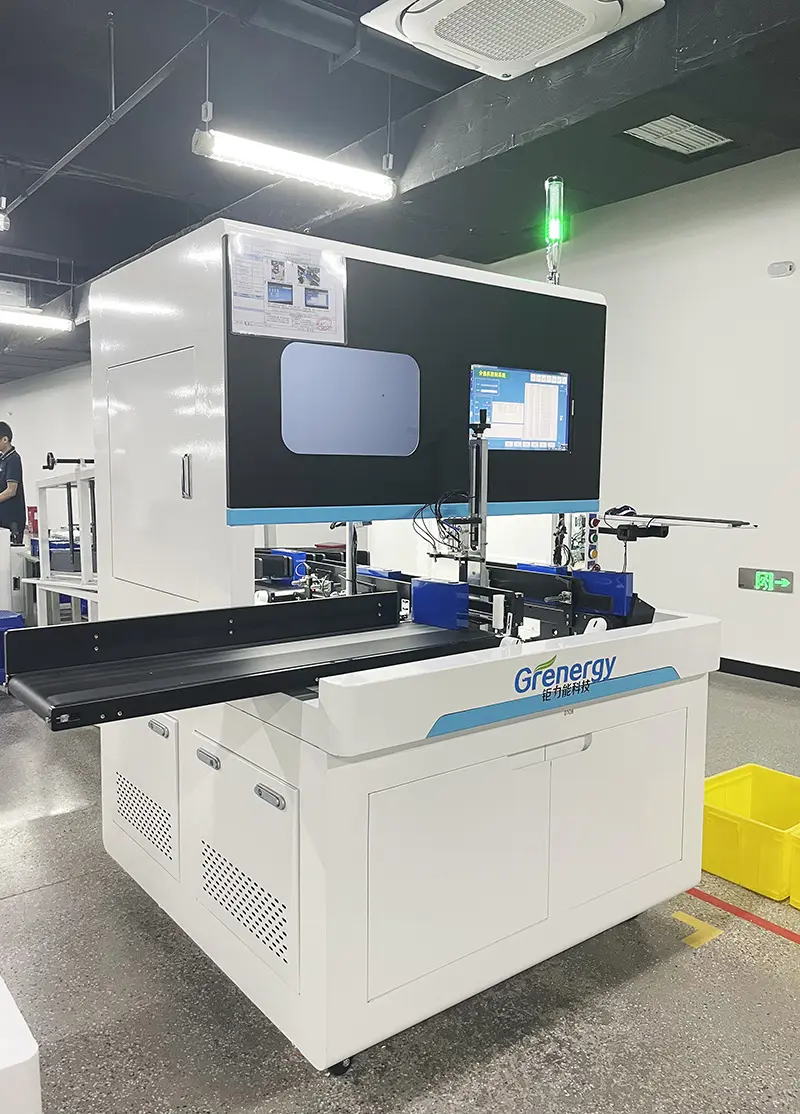
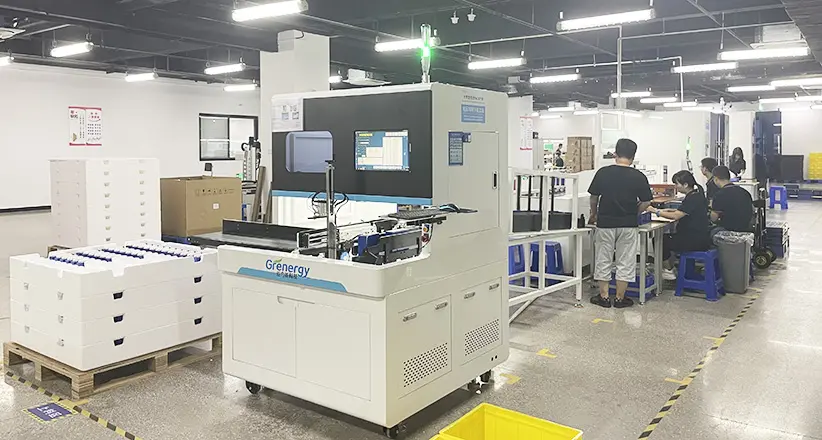
Grenergy’s manufacturing systems are designed to deliver reliable energy storage solutions at scale. The factory is equipped with automated cell grading systems, laser welding setups, and multi-stage testing equipment. Our production capacity meets rigorous international standards, backed by ISO9001, ISO14001, and ISO45001 certifications. Each production run undergoes automated cell capacity matching, high-current aging tests, and multi-point temperature evaluations to prevent cell imbalance over cycles.
For global supply chains, we back our manufacturing quality with a $3 Million USD product liability insurance policy. This insurance coverage provides risk mitigation for our distribution partners, commercial project developers, and system integrators worldwide.
A breakdown of our quality control pipeline from raw materials to final validation.
Quality control at Grenergy starts with premium-grade A cells. Automated cell sorting systems match cells by capacity and internal resistance down to +/- 0.05 mΩ, which is essential for maximizing the operational lifespan of multi-cell battery packs. Our assembly line uses computerized laser welders to ensure clean connections and prevent micro-cracks from thermal expansion.
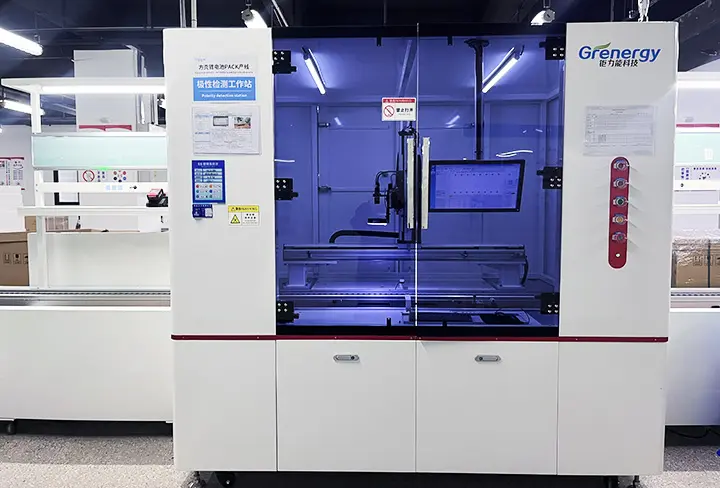
Every completed battery system is connected to an automated test station. Under simulated loads, we test communication integrity, charge/discharge rates, active balancing thresholds, and temperature limits. This ensures that every battery module shipped matches the technical specifications and is ready for field deployment.
Evaluating structural topologies to match your regional grid standards and installation parameters.
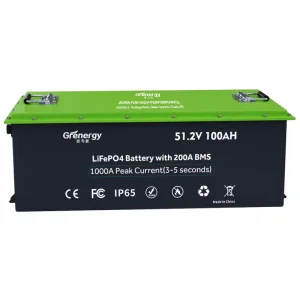
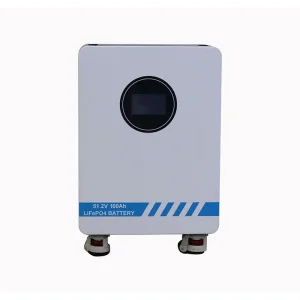
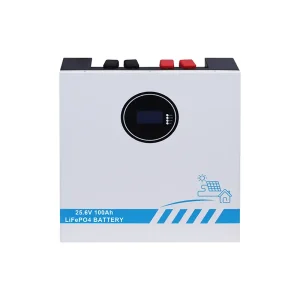
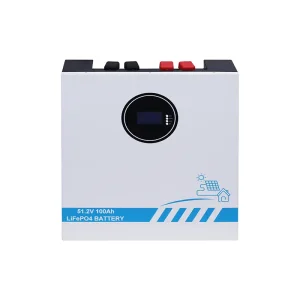
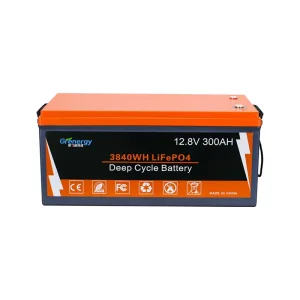
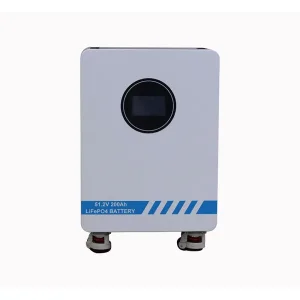
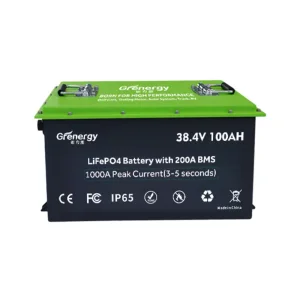
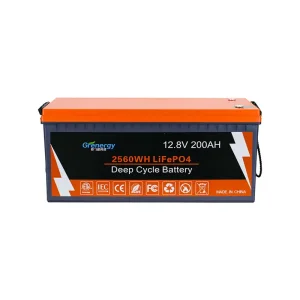
Commonly applied in residential retrofits, low-voltage systems run parallel configurations. These configurations are suitable for off-grid operations, small residential cabins, and RV installations. Safe maintenance and simplified wiring are the primary benefits of low-voltage systems. Using high-capacity 51.2V 100Ah or 200Ah modules, homeowners can scale capacity up to 80kWh by expanding parallel connections without specialized high-voltage training.
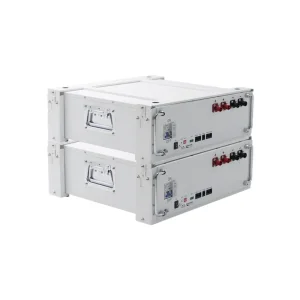
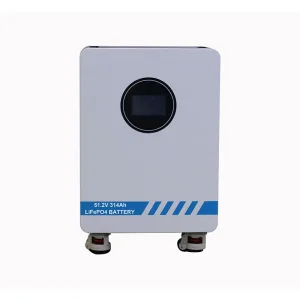
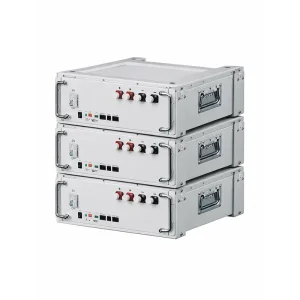
Engineered for high-power home charging and dynamic backup applications, high-voltage battery storage stacks multiple modules in series to reach system voltages from 200V to 600V. This architecture reduces line losses and matches the DC bus voltage of modern hybrid inverters. It enables rapid charging, dynamic peak shaving, and efficient support for heavy start-up loads like heat pumps and electric vehicle fast chargers.
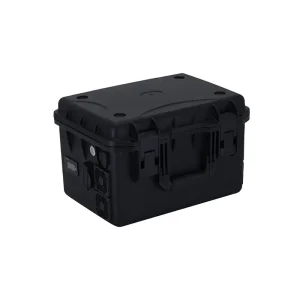
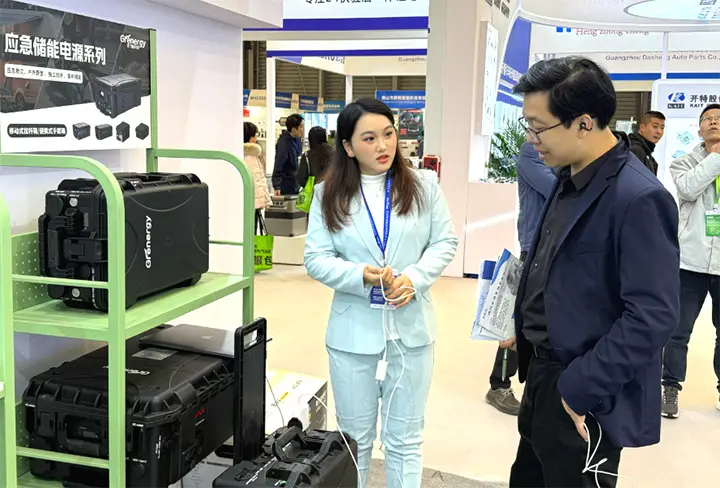
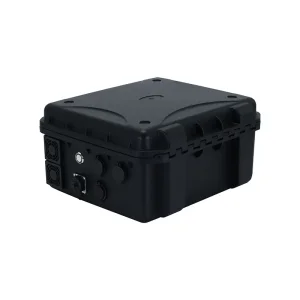
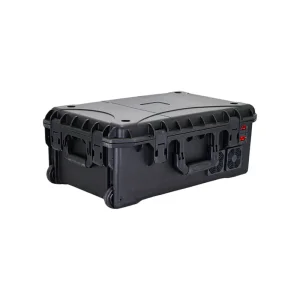
For applications such as off-grid construction, emergency rescue, and leisure travel, our range of portable trolley systems (up to 7.68kWh) and backup power stations (1500W to 2500W output) provide mobile power. These systems feature ruggedized housings, active cooling, pure sine wave inverters, and multi-port connectivity to deliver reliable power on the go.
Navigating varying regional compliance standards is a key challenge for global solar companies. Grenergy supports import and grid integration processes by designing products to meet localized standards:
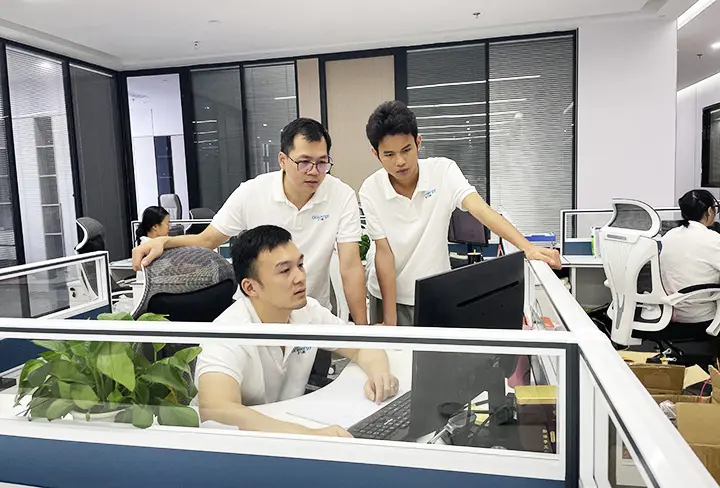
Our current R&D focus is on developing technologies that improve efficiency, extend lifespan, and support grid integration.
By using cloud-connected telemetry, next-generation Grenergy BMS systems analyze voltage trends and cell impedance variations to predict cell issues. This system provides early warning notifications to homeowners and maintenance crews, helping prevent potential system downtime before it occurs.
Recognizing supply chain constraints, our engineering team is developing Sodium-Ion (Na-Ion) residential energy storage prototypes. While LiFePO4 remains the standard for performance, Sodium-Ion offers a cost-effective alternative for cold-weather climates, performing reliably down to -20°C.
We are updating our home storage solutions to support bi-directional DC charging. This allows the home battery system to work in tandem with electric vehicle batteries, creating a unified energy management hub for the household.
Grenergy’s core goal is to provide sustainable, reliable energy storage systems globally. We work closely with battery cell providers, electronics manufacturers, and inverter partners to build a reliable supply chain. Our partnerships enable us to deploy new technologies quickly, ensuring that our clients receive stable and efficient energy storage solutions.
Through close collaboration with solar installers, distributors, and engineering contractors, we continue to optimize our product designs based on field feedback. This collaborative approach helps us design and build residential battery systems that meet the performance and installation requirements of modern home energy networks.
A look at how we support projects and integrate systems across international markets.
From residential solar projects in Australia to commercial backup installations in Europe, Grenergy works with distributors and energy system integrators worldwide. Our products are designed for direct integration with standard components, ensuring reliable operation across different climates and grid types.
By providing training documentation, firmware customization, and remote technical support, we help our partners simplify the installation and commissioning process. Our team remains focused on delivering functional, reliable hardware to help our partners succeed in their local markets.
Detailed technical answers to common questions from distributors, engineers, and purchasing teams.
Every domestic battery storage system incorporates a smart multi-tiered Battery Management System (BMS). The BMS monitors cell voltages, currents, and temperatures via multi-point thermistors. It protects against over-charge, over-discharge, over-current, short circuits, and thermal runaway. At the structural level, we use fire-retardant prismatic LiFePO4 cells arranged with physical separation to prevent thermal runaway propagation between cell modules.
Our global product liability insurance is underwritten by major international insurance carriers. It covers property damage or bodily injury resulting from verified product manufacturing defects. This coverage extends to distributors, installers, and end-users worldwide, providing an additional layer of business security for our importing partners.
Yes. While our standard LiFePO4 modules are rated for charging between 0°C and 55°C and discharging from -20°C to 60°C, we also offer custom models with integrated heating films. This system heats cells to optimal charging temperatures in cold climates, preventing lithium plating and maintaining battery health.
Yes, we provide customization options for CANbus, Modbus, and RS485 communication protocols. Our engineering team can configure battery communication profiles to match the specific requirements of regional inverter brands. This ensures plug-and-play integration for local distributors.
Our battery storage products hold certifications including ISO9001, ISO14001, ISO45001, UL 1973, UL 9540 (system configuration design), CE, FCC, PSE, and UN38.3. This standard compliance simplifies grid connection and shipping processes for international markets.
Explore our modular rack-mount series and portable trolley power stations designed for flexible capacity scaling and off-grid support.
 Grenergy