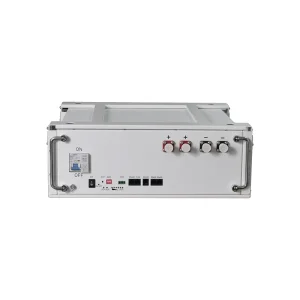
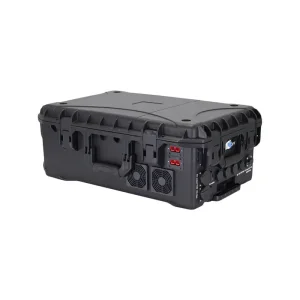
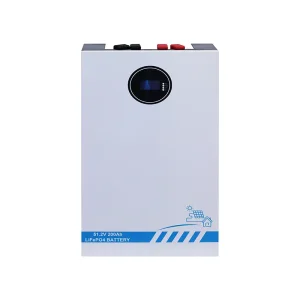
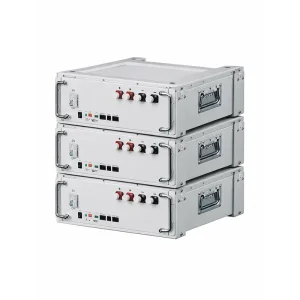
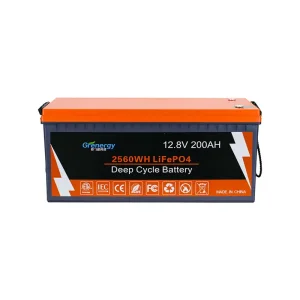
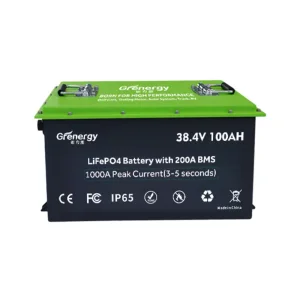
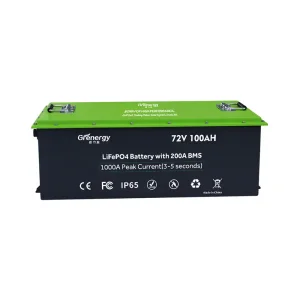
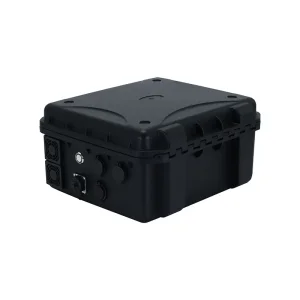
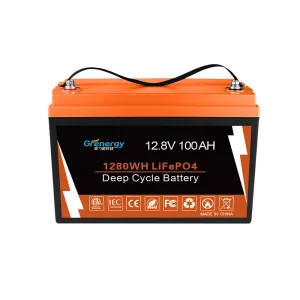
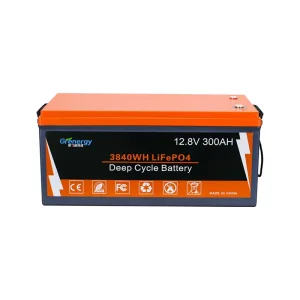
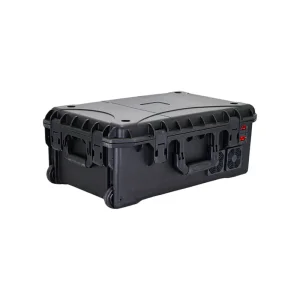
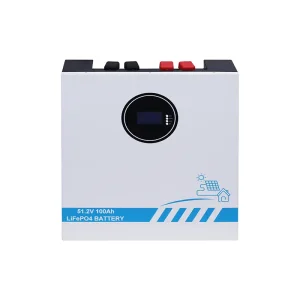
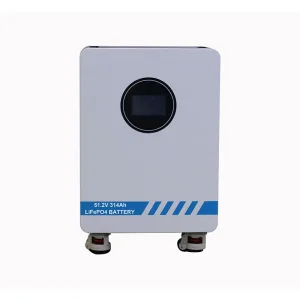
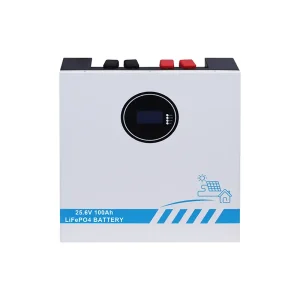
Explore our standard and tailor-made battery products designed for residential home integration, recreational vehicles, and robust utility vehicles.
The global transition toward decentralized power systems has shifted residential battery storage from a niche technology to an essential infrastructure. As extreme weather events increase grid instability and utilities deploy complex time-of-use pricing models, international distributors, EPC contractors, and home energy integrators face shifting procurement demands. Selecting the right original design manufacturer (ODM) or original equipment manufacturer (OEM) is critical to maintaining a competitive edge.
Modern procurement strategies demand batteries with higher safety margins, optimized thermal paths, smart communication protocols, and standardized certifications. Global home battery distributors require products that adapt to various inverter platforms (SMA, Victron, Deye, Growatt, Solis) while maintaining simple physical form factors, such as wall-mounted enclosures or rack-mounted systems. The goal is to maximize energy density per square meter while offering installers a plug-and-play setup that reduces labor hours and installation errors.
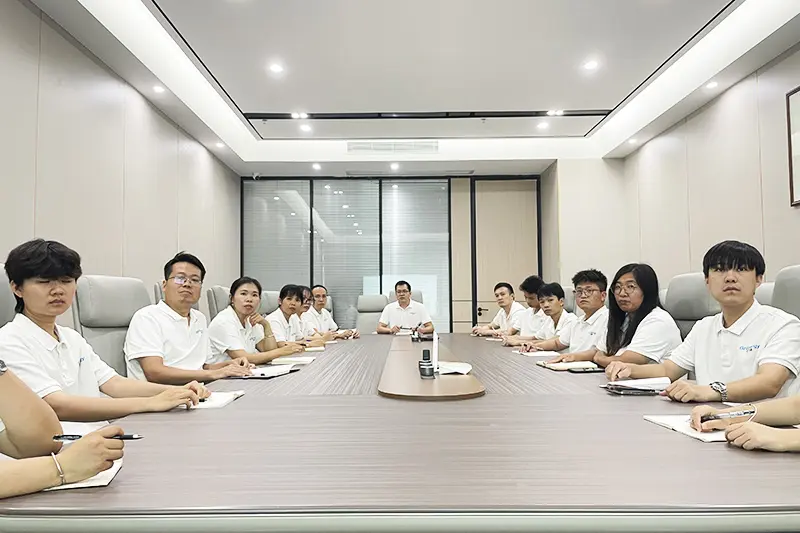
Established in 2010, Shenzhen Grenergy Technology Co., Ltd. is a high-tech enterprise specializing in the R&D and manufacturing of lithium batteries, comprehensive energy storage systems, power batteries, smart Battery Management Systems (BMS), and all-in-one solutions.
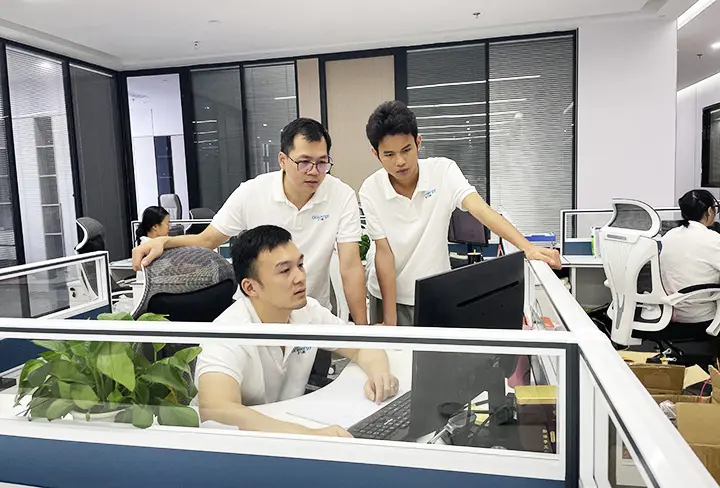
Over the past decade, we have dedicated ourselves to offering clean, high-efficiency lithium iron phosphate (LiFePO₄) battery platforms. With an expansive production workspace of nearly 10,000 square meters and over 200 highly skilled professionals, our production capacity supports the manufacturing scale needed by international partners. Our continuous engineering innovations help clients transition away from lead-acid batteries, replacing them with longer-lasting, safer LiFePO₄ platforms.

Since our founding, Grenergy has focused on eco-friendly, resilient battery technology. We started with small-scale lithium assemblies and expanded into customized home energy storage, high-capacity rack-mounted designs, and recreational vehicle power platforms. We are committed to integrity, technical innovation, and customer satisfaction.
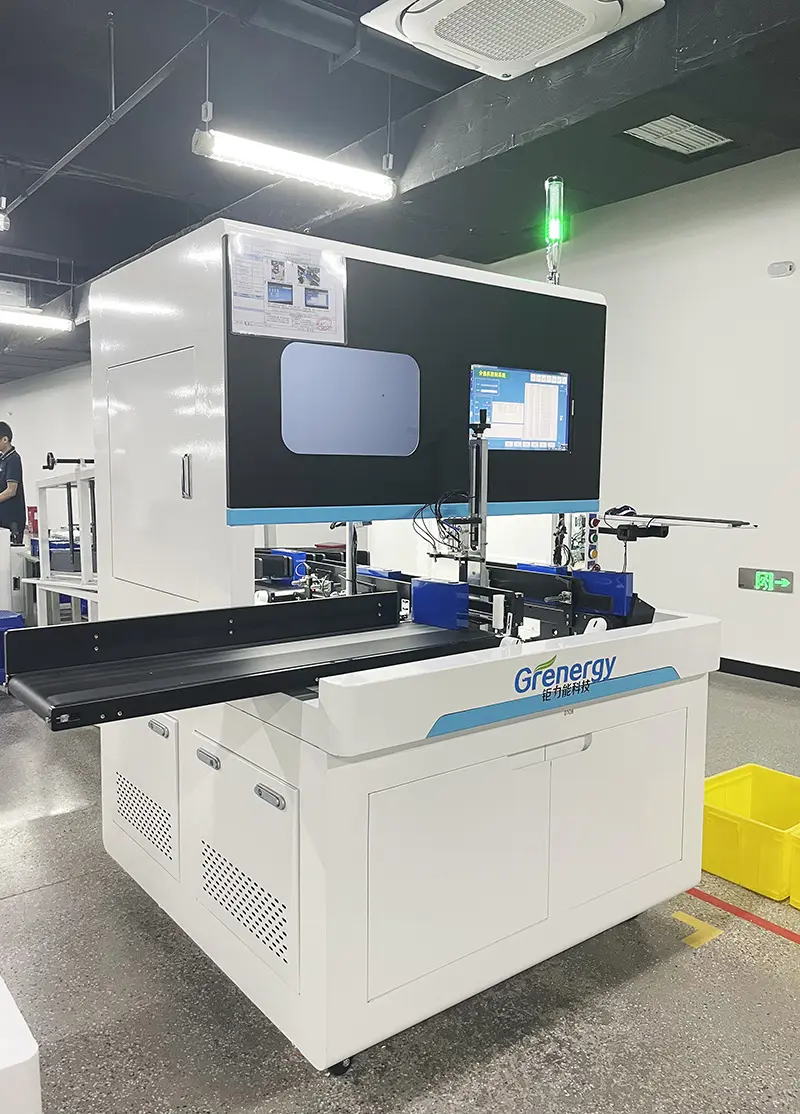
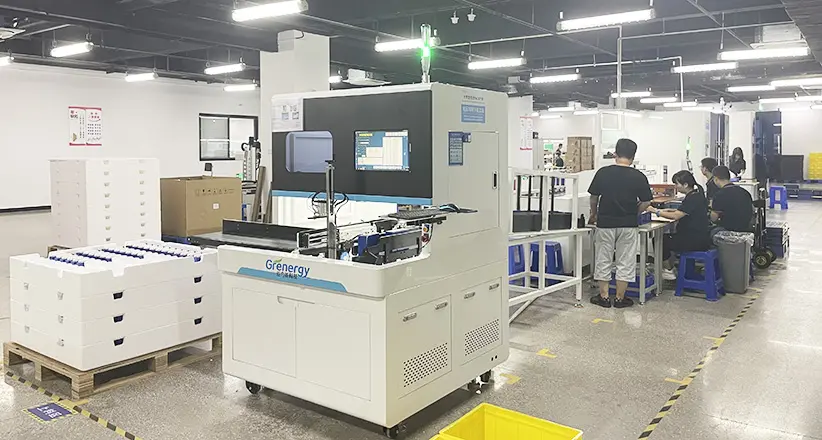
Our engineering division maintains rigorous quality control at every stage. We ensure cell consistency and capacity matching through automated screening. All batteries are backed by a $3 million USD global product liability insurance policy, ensuring safety and compliance in North American, European, and Asia-Pacific markets.
Next-generation Home Energy Storage Systems (BESS) require long cycle life, high safety, and robust software integration. Below is the technology roadmap driving Shenzhen Grenergy's R&D efforts.
Transitioning home energy systems from cylindrical cells to high-capacity prismatic cells (such as 314Ah formats) to optimize heat dissipation, maximize volumetric density, and achieve over 6,000 charge/discharge cycles at 80% Depth of Discharge (DoD).
Integrating intelligent Battery Management Systems that monitor state of charge (SoC), state of health (SoH), and cellular temperatures. Using dual communication buses (CANbus/RS485) ensures compatibility with modern hybrid solar inverters.
Transitioning from traditional 48V/51.2V low-voltage systems to stackable high-voltage (HV) systems (ranging up to 400V+). High-voltage configurations reduce DC current flow, lower heat losses in cabling, and simplify installation.
Beyond standard residential use, modular energy systems are deployed in light commercial and industrial (C&I) environments. Factories, telecommunication stations, agricultural centers, and off-grid facilities rely on battery cabinets to manage electrical loads, optimize time-of-use costs, and secure reliable backup power.
Integrating photovoltaic solar arrays with LiFePO₄ batteries enables self-sufficient power systems for remote installations, islands, and wilderness research centers.
Industrial facilities use batteries to reduce peak electricity demand charges. Stored off-peak energy is discharged during peak hours, reducing utility expenses.
Rack-mounted 48V batteries provide uninterruptible power supply (UPS) systems for cell towers and data centers, ensuring continuous connectivity during main grid outages.
Exporting energy storage products globally requires compliance with safety regulations and grid standards. Grenergy products are manufactured under quality systems certified to ISO9001, ISO14001, and ISO45001 standards.
Our product designs comply with major international directives, holds certifications including UL (UL1973, UL9540A), CE, FCC, PSE, and UN38.3. These certifications ensure our batteries meet safety standards for thermal runaway prevention, overcharge protection, and safe shipping via air and sea.
We collaborate with regional installers, clean energy integrators, and industrial partners to deliver reliable, long-lasting energy storage systems.
Through our OEM and ODM partnerships, we customize battery products to match the mechanical space constraints, electrical protocols, and thermal environments of our global clients. From wall-mounted solar batteries to rack-mounted systems, our solutions support energy transition initiatives across North America, Europe, and Asia-Pacific.
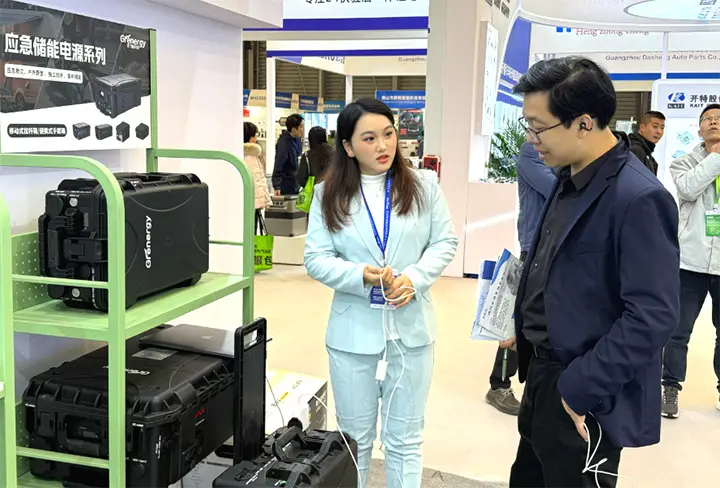
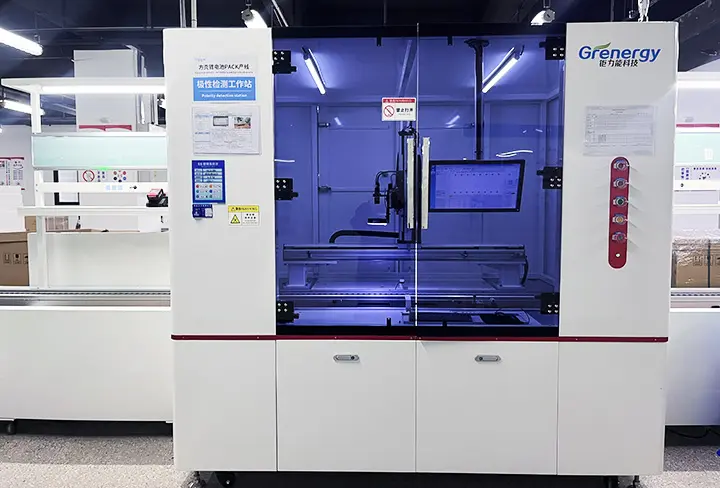
Our technical team provides comprehensive support resources, including wiring guides, firmware updates, and troubleshooting resources. We work closely with our partners' technical staff to ensure efficient on-site installations and long-term product reliability.
Get professional insights into selecting, installing, and maintaining custom lithium battery systems.
LiFePO₄ offers superior thermal and chemical stability compared to alternative lithium-ion chemistries (such as NMC). The chemistry features a higher thermal runaway threshold and is resistant to combustion if punctured or overloaded. Additionally, LiFePO₄ cells provide an exceptional operational lifespan, often exceeding 6,000 charge cycles at 80% Depth of Discharge, making them a cost-effective long-term option for residential use.
Our battery packs are equipped with customizable Battery Management Systems (BMS) supporting standard communication protocols, including CANbus, RS485, and Modbus. This ensures plug-and-play compatibility with major hybrid inverters such as Victron, SMA, Deye, Growatt, and Solis, allowing real-time monitoring of voltage, current, temperature, and battery state parameters.
For North America, systems must comply with UL 1973 (covering battery packs in stationary applications) and UL 9540 (addressing the complete energy storage system and inverter interface), along with UL 9540A thermal runaway testing. For Europe, CE certification, compliance with the Low Voltage Directive (LVD), and electromagnetic compatibility (EMC) standards are required. All lithium batteries must also pass UN 38.3 transport safety testing for shipping.
Yes. Our engineering division specializes in OEM/ODM customizations. We offer customizable voltage configurations (from 12.8V, 24V, and 48V to 400V+ high-voltage systems) and mechanical designs, including slim wall-mounted enclosures, standard 19-inch server racks, and portable trolley form factors. We tailor our systems to meet our customers' specific application requirements.
The integrated smart BMS monitors the voltage, current, and temperature of individual cells. It prevents overcharging, over-discharging, and excessive current flow. It also features cell-balancing circuitry to ensure uniform cell voltage across the pack, helping to maintain performance, safety, and cycle life.
All shipping configurations must pass UN38.3 certification, which includes vibration, shock, short-circuit, and thermal testing. Large batteries are shipped in certified hazard Class 9 packaging, using insulated barrier materials and heavy-duty, impact-resistant outer cases. Detailed safety datasheets (SDS) are provided to ensure compliance with international shipping regulations.
Below is our second range of advanced products designed for portable backup, wall-mounted residential setups, and heavy-duty industrial configurations.
 Grenergy