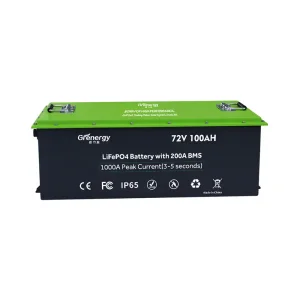
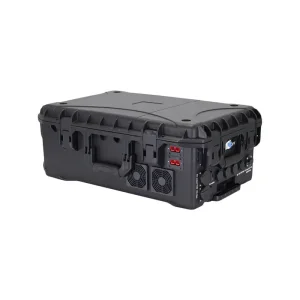
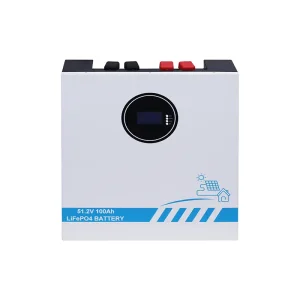
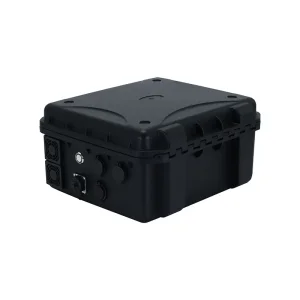
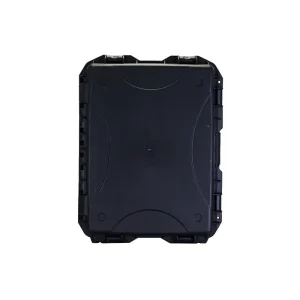
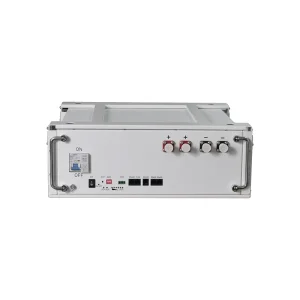
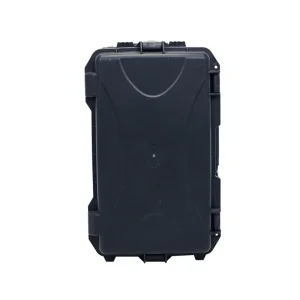
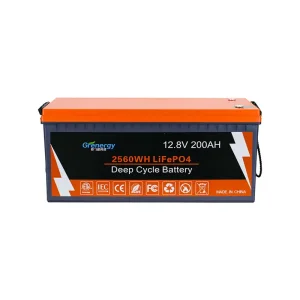
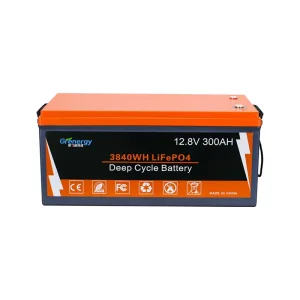
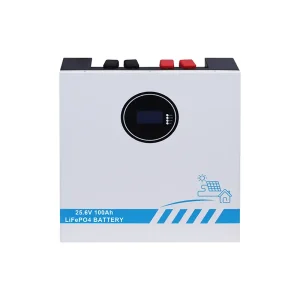
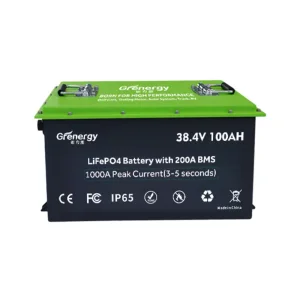
Explore our specialized range of customized lithium batteries and robust backup systems engineered for critical infrastructure and commercial setups.
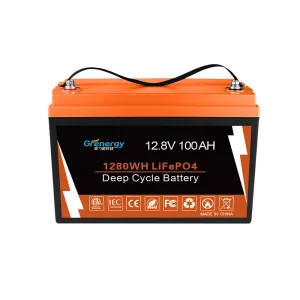
The global transition toward green electrification has designated Lithium Iron Phosphate (LiFePO4) as the most reliable deep-cycle energy storage medium. Traditionally, industries relied heavily on sealed lead-acid (SLA) and absorbent glass mat (AGM) configurations. However, the paradigm has fundamentally shifted. A modern 12V 100Ah LiFePO4 battery package delivers an energy density of approximately 100-110 Wh/kg, which is triple that of standard AGM batteries, with a weight reduction of up to 60%.
The modern industrial market is no longer satisfied with static battery cells. The integration of Bluetooth 5.0 Low Energy (BLE) telemetric systems directly onto the internal Battery Management System (BMS) motherboard marks the second wave of technological iteration. Sourcing managers and utility operators now require active telemetry to monitor operational integrity, state of charge (SoC), thermal parameters, and cycle wear history. This integration mitigates the need for external physical shunts and simplifies fleet management across marine networks, mobile communications backdrops, and industrial equipment arrays.

International B2B procurement managers operate under strict operational risk management regimes. Purchasing a custom 12V 100Ah LiFePO4 Bluetooth battery requires verification of both chemical and structural safety metrics. The key purchasing factors are no longer just centered on price-per-watt-hour; instead, they target Total Cost of Ownership (TCO) optimization and regulatory compliance.
Compliance verification under international safety standards such as UL 1973 (for stationary energy storage applications), IEC 62619, and UN 38.3 (crucial for hazardous material logistics and transport safety).
Demanding absolute verification that only Grade A cells, exhibiting matched internal resistance (IR) within a strict tolerance of ≤0.5mΩ, are utilized within custom runs.
High-performance, dual-layer hardware protection schemes featuring active balancing circuitry to prevent localized thermal degradation and extend cell cycle life beyond 4,000 cycles.
To assist global procurement entities in managing liability, modern manufacturers must match design capabilities with long-term financial safety nets. Shenzhen Grenergy Technology Co., Ltd. addresses this directly by integrating comprehensive third-party product liability insurance coverage valued at $3 million USD. This financial structure mitigates risk profile assessments for major system integrators in Europe, Oceania, and the Americas.
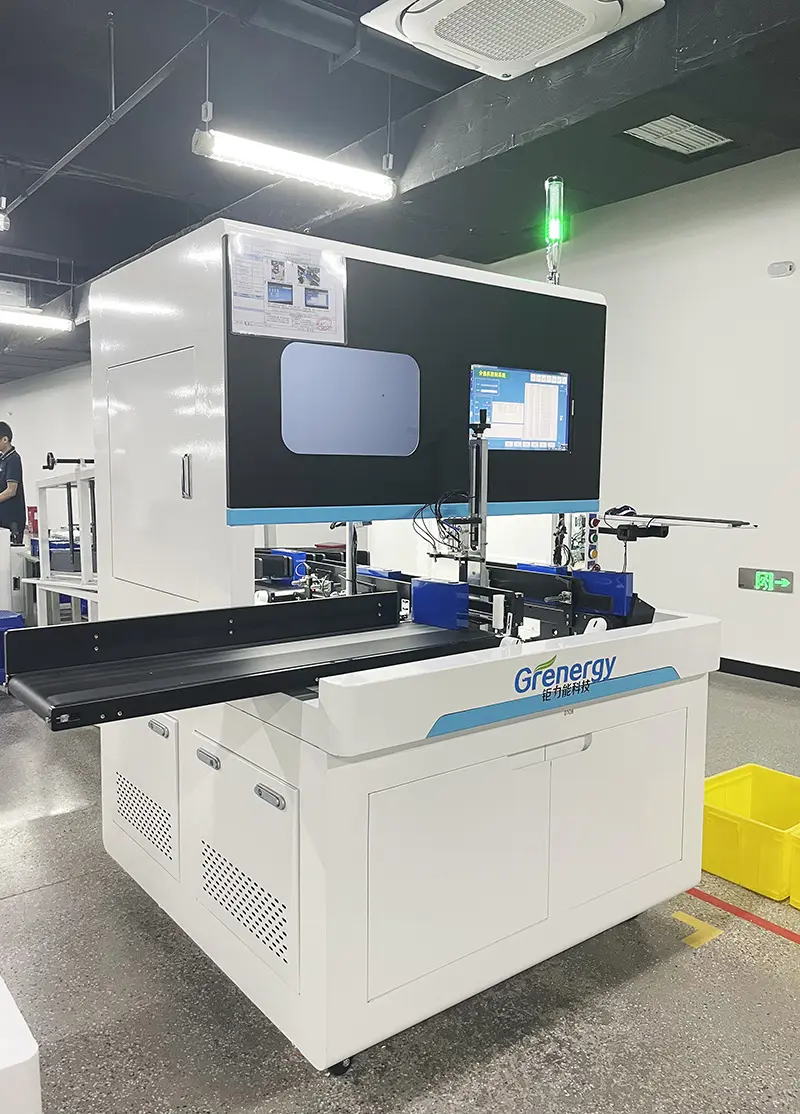
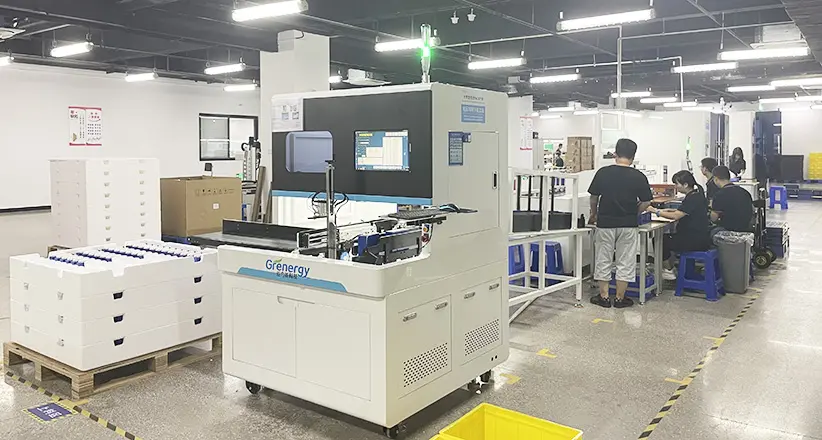
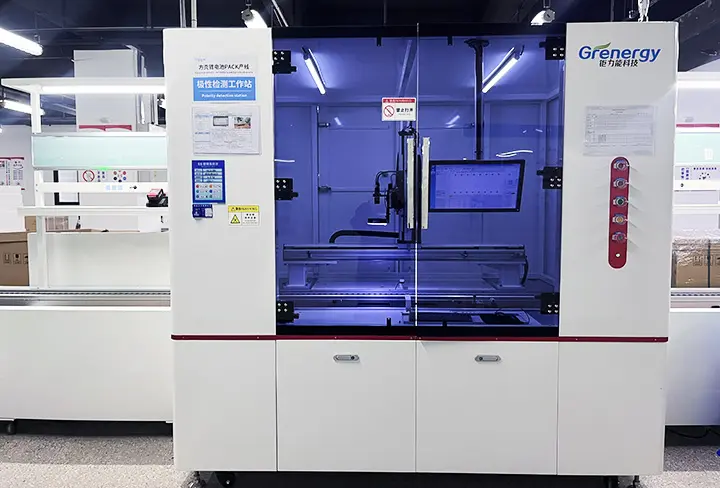
Established in 2010, Shenzhen Grenergy Technology Co., Ltd. represents the standard of China's Energy Factory 4.0 initiative. Operating a high-precision manufacturing space encompassing nearly 10,000 square meters, our facility employs over 200 highly specialized technicians, engineers, and quality assurance personnel. Our operational methodology combines absolute automation with stringent human review protocols.
Our specialized production flows are characterized by advanced laser-welding systems that replace vulnerable bolted busbars, ensuring that the heavy vibration encountered in marine and vehicular configurations does not cause localized micro-fractures. We enforce systematic capacity matching: every cell is measured and sorted utilizing automated testing equipment to guarantee that cell-pack divergence is practically non-existent.
We hold international standard certifications including ISO9001:2015 (Quality Management Systems), ISO14001 (Environmental Management), and ISO45001 (Occupational Health & Safety), validating our organizational resilience, carbon footprint accountability, and safe operating culture.
A custom LiFePO4 12V 100Ah battery system is only as reliable as its management processor. The integrated Bluetooth BMS acts as a real-time diagnostic engine, protecting the lithium chemistry against standard stressors.
The BMS controls safety states through high-current Solid-State Relays (MOSFETs) or magnetic latching contactors. It tracks parameters across multiple diagnostic points: over-voltage protection (typically set at 3.65V per cell), under-voltage protection (cut-off at 2.5V per cell), over-current charge/discharge monitoring, and thermal cut-off points.
For cold-weather conditions, Grenergy offers customized low-temperature heating pads integrated within the cell frame structure. If the BMS senses the temperature dropping below 0°C (32°F) while charging current is detected, it automatically diverts the incoming current to the internal heating element until the internal core cell temperature reaches a safe 5°C (41°F), after which charging commences. This prevents the catastrophic lithium plating process that destroys cell capacity.
The versatile nature of the 12.8V 100Ah capacity structure lends itself to diverse professional scenarios, each requiring tailored parameter sets and casing options.
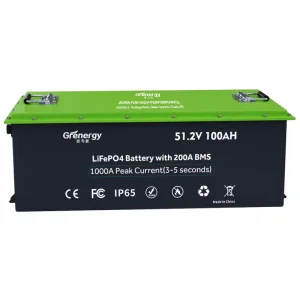
Designed to handle saline, high-humidity environments. Features rugged IP65/IP67 rated ABS+PC fire-retardant enclosures. Ideal for trolling motor setups where constant current draw and mechanical vibration occur simultaneously.
Used as remote backup nodes for LTE/5G base stations. Integration of Bluetooth allows field technicians to conduct health checks from their service vehicles without climbing towers or breaking waterproof enclosures.
Provides reliable house power. Integrates with typical solar charging equipment and MPPT regulators. The Bluetooth module monitors high charging currents delivered via vehicle alternators or DC-DC chargers.
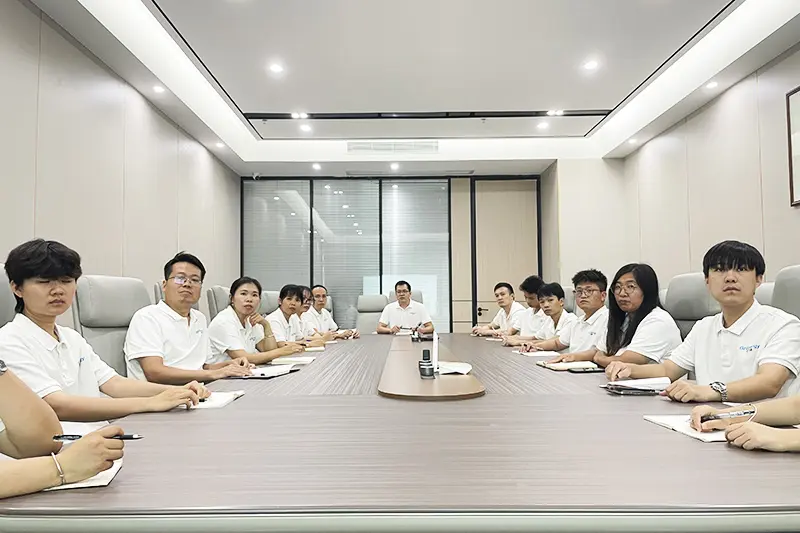
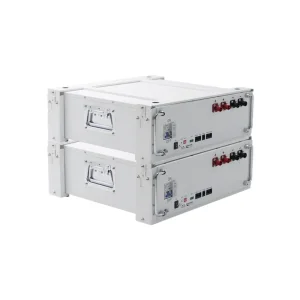
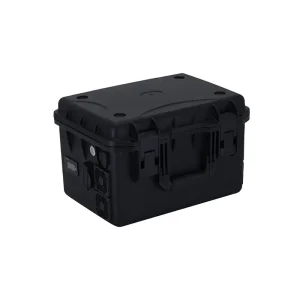
Since its establishment in 2010, Grenergy has focused on the development of sustainable energy solutions to meet the growing demand for efficient, reliable, and eco-friendly power systems. Over more than a decade of research, development, and manufacturing expertise, Grenergy has developed a diverse product portfolio, including Lead-acid replacement lithium batteries, Wall-mounted power walls, Portable power stations, Mobile home energy storage systems, Trolley box portable power stations, and much more. We are committed to enhancing energy efficiency while reducing environmental impact.
Our core values include integrity, innovation, and customer satisfaction, which have been the foundation of our growth. Grenergy's history is one of continuous improvement and dedication to providing advanced energy storage solutions to businesses and individuals globally.
From the beginning, Grenergy's mission has been to empower the world with cutting-edge energy storage solutions. We believe in a future where renewable energy is the primary power source, and our products are designed to make this future a reality. Through decades of research and development, we've become a trusted name in the energy storage sector, helping companies transition to more efficient, sustainable energy practices.
Grenergy's products support various OEM and ODM customized services, allowing us to tailor solutions that meet specific client needs. We are proud to have partnered with some of the world's leading organizations and technology providers. These collaborations help us bring the latest advancements in energy storage and management systems to market, providing our clients with the most efficient and innovative solutions available.
Our quality control protocols require every customized battery batch to undergo a battery of stress tests: high-voltage breakdown tests, cell impedance matching, heat chamber evaluation, and cycle degradation profiling. Our compliance structure is verified through global testing houses, securing approvals for CE, UL, FCC, PSE, and UN38.3. This ensures that the custom units integrate cleanly into regional distribution networks.
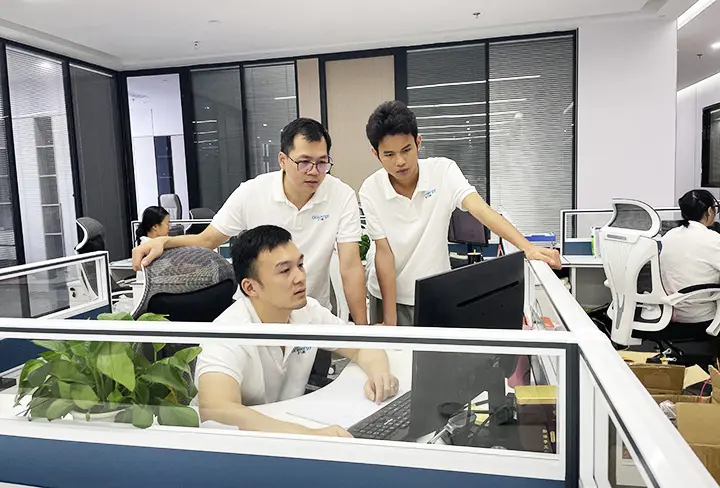
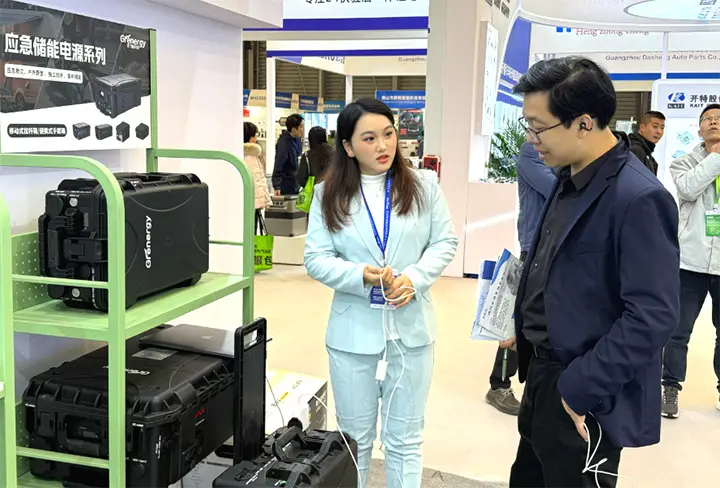
Don't just take our word for it—our clients trust us to provide safe, high-performance energy storage systems that meet their needs. With global customers from various industries, including renewable energy, manufacturing, and transportation, we have built a reputation for delivering reliable, top-quality products.
Our strategic partnerships range from RV fleet manufacturers in North America to marine vessel integrators in Northern Europe. These clients rely on our custom smart battery management solutions to ensure high uptime, safety, and seamless remote configuration via customized mobile applications.
Direct technical answers addressing critical points raised by electrical engineers, system integrators, and procurement officers.
Yes, our batteries support both configurations, but limitations depend on the specific BMS installed. Typically, you can connect them up to 4S (for a 48V configuration) or 4P (to achieve a 400Ah capacity pool). Prior to connecting in series or parallel, it is critical to balance the batteries. Ensure that all units are charged to 100% separately using the same charger and allowed to rest so that voltage divergence is under 50mV. The Bluetooth app will display the individual cell states for verification.
Our BLE (Bluetooth Low Energy) chips operate on extremely low power draw. When the battery is in active discharge or charge states, the BLE consumption is negligible compared to the load. During storage or system sleep states, the BMS switches to a micro-power preservation mode (typically <100μA), disabling high-frequency polling. This allows the battery to maintain its state of charge for extended periods without deep discharging.
Using Grade A Prismatic LiFePO4 cells and maintaining the discharge rate within 0.5C to 1C at 25°C, our custom battery packs regularly exceed 4,000 complete cycles at 80% Depth of Discharge (DoD) before capacity drops to 80% of its initial nominal rating. If run at a shallower depth of discharge, such as 50% DoD, the cycle life can exceed 6,500 to 8,000 cycles.
Charging standard LFP cells below 0°C (32°F) causes lithium plating on the anode, creating permanent short circuits and capacity loss. Our smart BMS prevents this by blocking charging current when internal temperatures fall below freezing. For cold climate applications, we integrate custom thermal heating strips inside the casing. These strips use the incoming charger current to warm up the cells. Once the internal temperature rises back to 5°C, the BMS shuts down the heating loop and redirects the current to charge the battery.
Complete your design integration with our high-capacity deep-cycle lithium packs and heavy duty application models.
 Grenergy