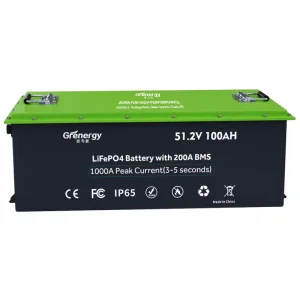
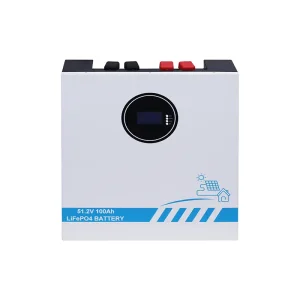
Explore our premier selection of custom lithium-ion and lithium iron phosphate (LiFePO4) storage systems, designed to satisfy rigorous energy density, cycle longevity, and safety criteria across dynamic industrial applications.
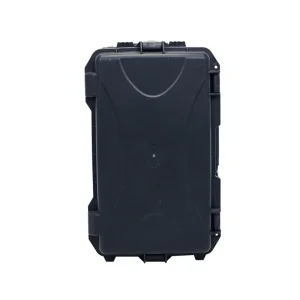
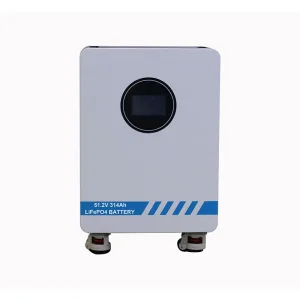
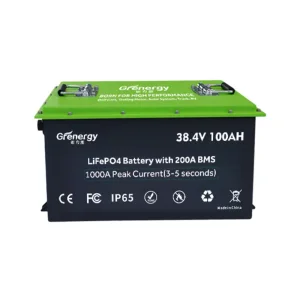
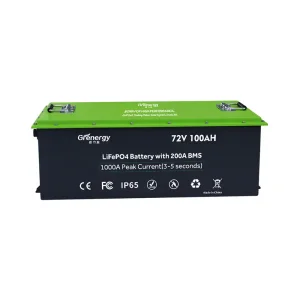
As the global transition to renewable resources accelerates, standard, off-the-shelf storage platforms are proving inadequate for complex deployment environments. High-performance, tailored power demands require specialized solutions that target specific voltage limits, discharge profiles, spatial footprints, and communication protocols. A truly customized solar battery system does not merely assemble cells; it synthesizes structural materials, sophisticated thermal properties, and smart Battery Management Systems (BMS) into a unified, high-reliability architecture.
According to the latest industry whitepapers, semantic search behavior among procurement agents focuses on three primary parameters: high energy density, regulatory safety frameworks, and lifecycle cost economics (LCOS). In this guide, we dive deep into the engineering decisions behind custom lithium iron phosphate (LiFePO4) systems, evaluating the critical interface between cell packaging, module design, and localized integration.
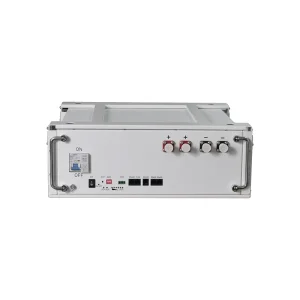
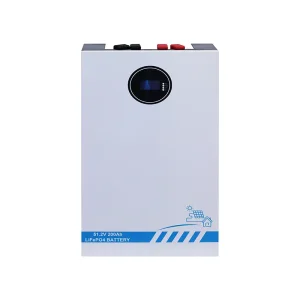
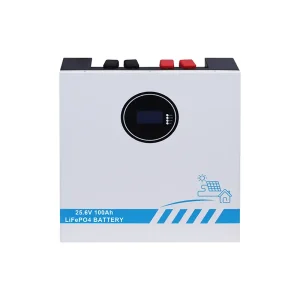
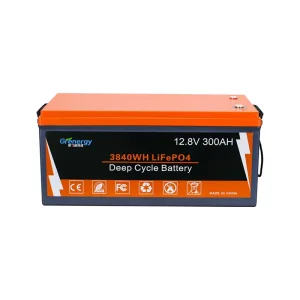
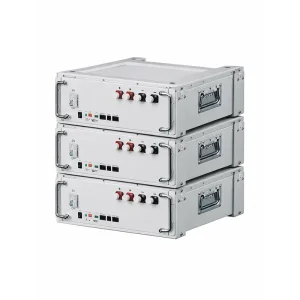
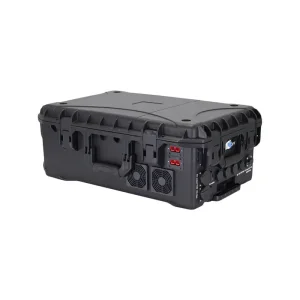
Whether you require standard 19-inch rack-mounted modules, space-saving wall-mounted configurations, or mobile trolley-styled designs, physical layout flexibility ensures seamless mechanical integration in varying operating environments.
Modern commercial setups mandate tight integration with hybrid inverters. Custom BMS configurations implement CANbus, RS485, and Modbus protocols to enable real-time telemetry streaming and state-of-health tracking.
Thermal stability prevents thermal runaway. Customized module frames feature passive heat sinks, heat dissipation channels, or active liquid cooling blocks tailored to regional high-ambient climate variables.
Established in 2010, Shenzhen Grenergy Technology Co., Ltd. is a premier high-tech enterprise specializing in the R&D, design, and precision manufacturing of lithium batteries, comprehensive energy storage systems, power batteries, smart battery management systems, and all-in-one green energy solutions. Guided by an unyielding dedication to technical innovation and client success, Grenergy has established itself as a leading global supplier of durable power configurations.
Over more than a decade of research and development, we have designed highly versatile, robust platforms. Our extensive catalog spans lead-acid replacement batteries, space-efficient residential power walls, industrial-grade rack systems, high-voltage vehicle power packs, and heavy-duty portable generators designed to bring power to critical off-grid environments.

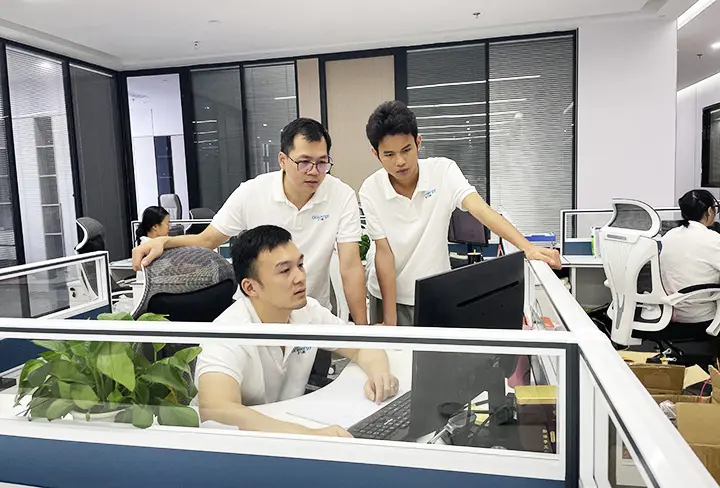
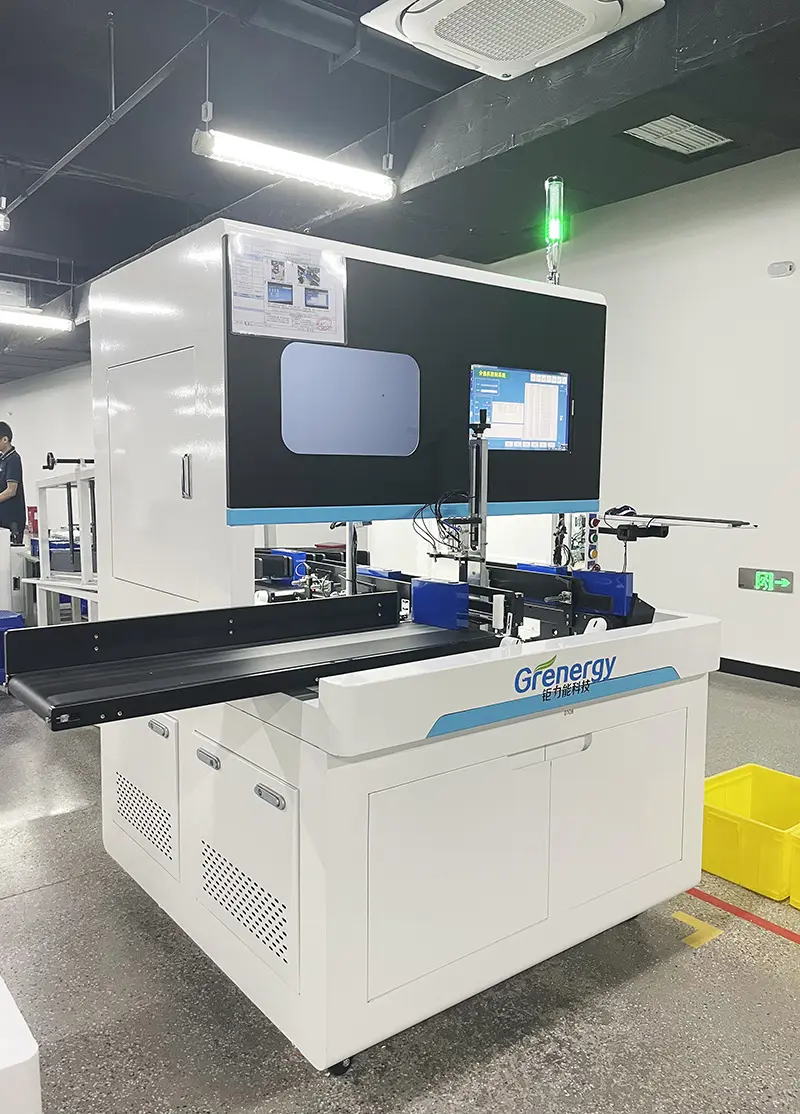
Grenergy's manufacturing backbone stands on robust metrics. Spanning nearly 10,000 square meters of state-of-the-art production floors and supported by a team of over 200 highly specialized technicians, we maintain a monthly output capacity prepared for large-scale municipal, commercial, and industrial contracts.
To ensure compliance and mitigate liability for global enterprises, all of our products conform to stringent quality checks, holding international certifications like ISO9001, ISO14001, ISO45001, UL, CE, FCC, PSE, and UN38.3.
Ultimate Financial Protection: We secure our partnerships through a $3 Million USD Product Liability Insurance policy issued by reputable third-party insurers. This safety net guarantees project developers, distributors, and EPC contracts complete peace of mind during deployment and multi-decade project operational lifespans.
The efficiency of a solar storage system hinges on two core components: the cost per watt-hour and the longevity of the cells. By operating out of Shenzhen, the epicenter of global battery innovation, Grenergy harnesses unparalleled logistical and manufacturing advantages. China's energy storage supply chain controls over 70% of the world's LFP raw material processing, electrode production, and cell assembly lines.
For global procurement departments, this localized vertical integration yields significant benefits:
Direct integration with domestic mineral processors (Lithium, Iron Phosphate, Synthetic Graphite) reduces raw material cost fluctuations, providing stable pricing structures for multi-year industrial projects.
Proximity to component manufacturers allows custom sheet metal, connectors, and printed circuit board (PCB) designs to be produced, tested, and iterated in days rather than months.
Our proximity to high-density semiconductor hubs gives us access to advanced microcontrollers, supporting sophisticated firmware development for active cell-balancing protocols.
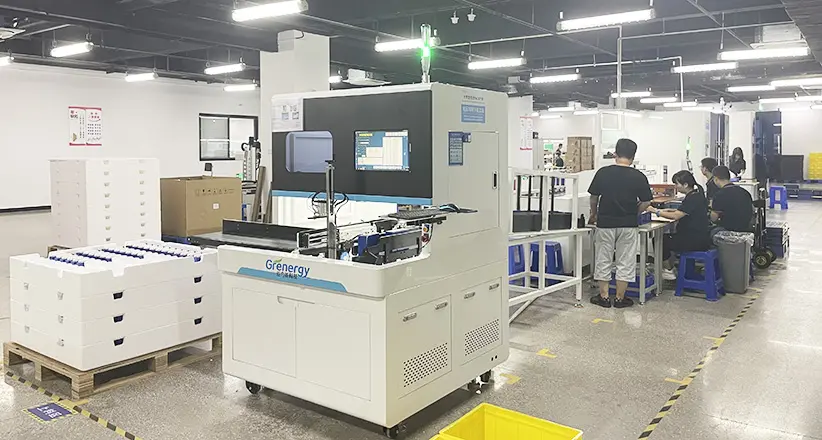
Large-scale commercial, industrial, and utility projects require comprehensive compliance documentation to secure financing and project approvals. When evaluating custom solar battery systems, procurement executives prioritize safety and longevity over simple upfront costs.
Deployments in North America, Western Europe, and Asia-Pacific must pass rigorous environmental and physical stress tests. A professional manufacturer must document compliance with the following international frameworks:
Custom battery configurations are increasingly deployed across specialized microgrids, dynamic industrial operations, and consumer mobility setups. Understanding these target applications helps match product technical specifications to their operational requirements.
Industrial facilities deploy high-capacity rack-mounted LFP installations (like our 51.2V 314Ah configurations) to discharge during peak tariff periods. This reduces demand charges and saves substantial operating revenue.
Remote telecom towers require continuous, stable DC power. Custom 48V (51.2V nominal) rack units operate reliably in remote, unconditioned outdoor cabinets, delivering long cycles and low maintenance costs.
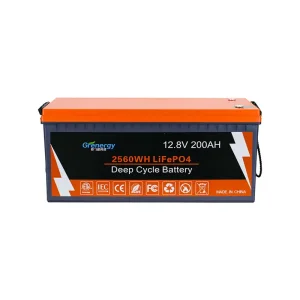
Electric utility vehicles and golf carts require high vibration tolerance and high peak-current output. Custom lithium battery designs (such as our 51.2V 100Ah and 76.8V 100Ah options) outperform traditional lead-acid alternatives, charging faster and running longer.
The energy storage sector is moving rapidly toward larger cell configurations. The market is shifting from standard 280Ah cells to high-density 306Ah and 314Ah form factors. This transition increases energy density without expanding the physical footprint, reducing structural shell and busbar costs.
Grenergy remains at the forefront of this trend. We offer high-capacity, rack-mounted and floor-mounted systems designed to house these next-generation cells, helping developers optimize spatial layouts in crowded urban and industrial environments.
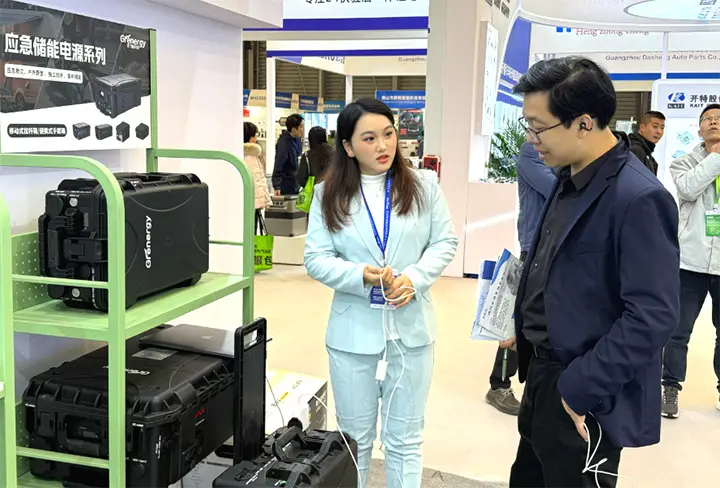
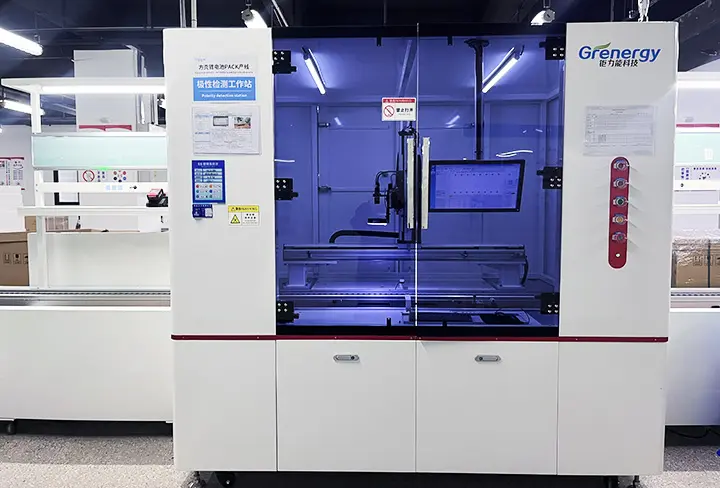
We believe sustainable energy success depends on robust, collaborative ecosystems. Over the past decade, Grenergy has partnered with top-tier cell developers, hybrid inverter manufacturers, and national distributors. These alliances ensure our systems integrate cleanly with mainstream inverters, charge controllers, and smart energy monitoring platforms.
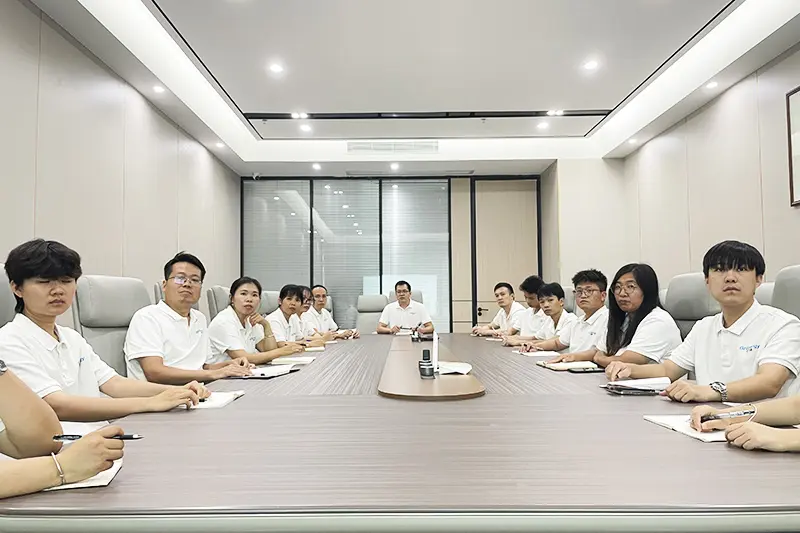
Our collaborative approach extends into the R&D space. Here, engineering teams work closely together to co-design customized BMS firmware, ensuring compatibility across residential and commercial interfaces.
Our global client testimonials highlight our reliability: "Grenergy's custom rack-mounted LFP modules helped us deliver our solar microgrid project on time. Their detailed certification support and the security of their $3M liability insurance made them our partner of choice."
Browse additional custom configurations built for residential backup, rugged off-grid operations, and commercial applications.
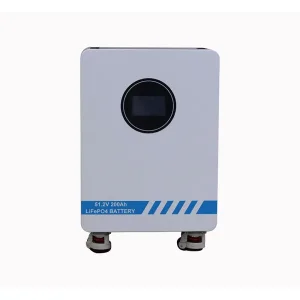
Clear answers to essential technical and logistics questions, helping you navigate compliance, engineering choices, and deployment configurations.
LiFePO4 (Lithium Iron Phosphate) offers superior thermal stability and a longer cycle life (often exceeding 6,000 cycles at 80% Depth of Discharge) compared to NMC (Nickel Manganese Cobalt). Its chemical structure is highly resistant to thermal runaway, making it the preferred safety standard for indoor commercial and residential systems.
The process begins with matching specific operational parameters, including voltage requirements, continuous discharge current, mechanical space constraints, and communication interfaces (e.g., CANbus). We then prototype, run engineering checks, and complete certification testing before moving to full-scale assembly at our facility.
To export to international markets, systems must hold UN38.3 certifications for transport safety, along with CE, FCC, and UL 1973/UL 9540A marks for electrical and thermal safety. Grenergy handles these certification processes to ensure compliant deployments in North American and European markets.
We follow strict quality guidelines at our ISO-certified facility. In addition to testing each cell and module assembly, we back our products with a $3 Million USD Product Liability Insurance policy. This provides financial security for developers working on major utility and residential solar installations.
 Grenergy