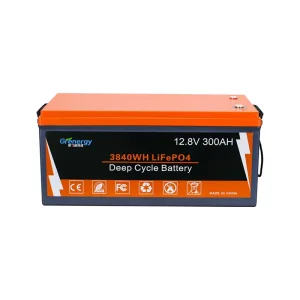
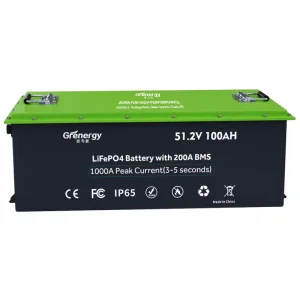
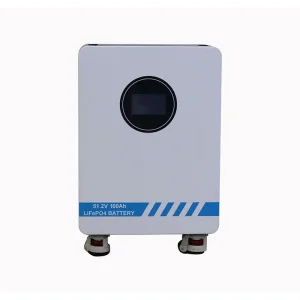
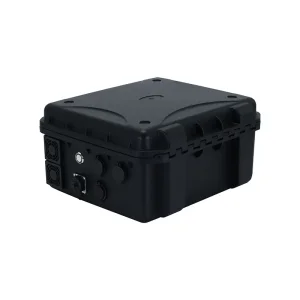
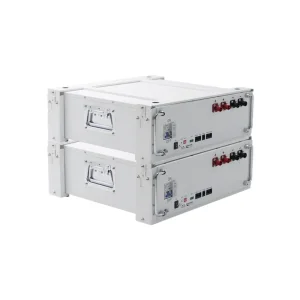
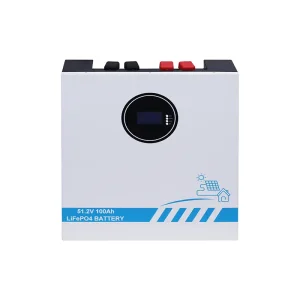
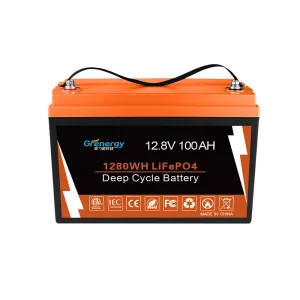
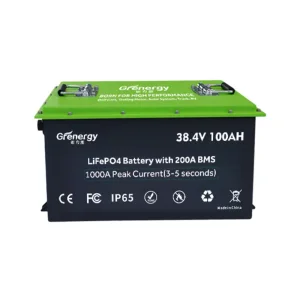
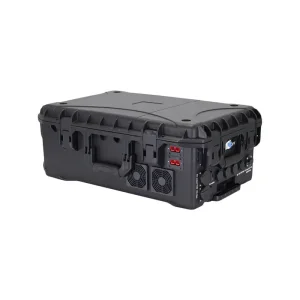
In the rapidly advancing global energy landscape, 12.8V Lithium Iron Phosphate (LiFePO₄) batteries have emerged as the absolute gold standard for lead-acid replacement and localized off-grid energy needs. Composed of four series-connected 3.2V cells, these solutions provide a direct drops-in option for traditional 12V lead-acid batteries, offering exceptional thermal stability, safety, and operational lifespan.
Globally, the transition to green energy in recreational vehicles (RVs), marine systems, light electric vehicles, and residential solar storage has pushed the demand for 12.8V lithium configurations to unprecedented heights. They deliver three times the energy density of SLA (Sealed Lead Acid) counterparts while shedding up to 70% of the weight.
As a premier manufacturer and supplier, Shenzhen Grenergy Technology Co., Ltd. plays a vital role in this transition. Our customized lithium battery arrays empower international businesses to access highly reliable, safety-certified, and intelligent power infrastructures that meet rigorous global standards.

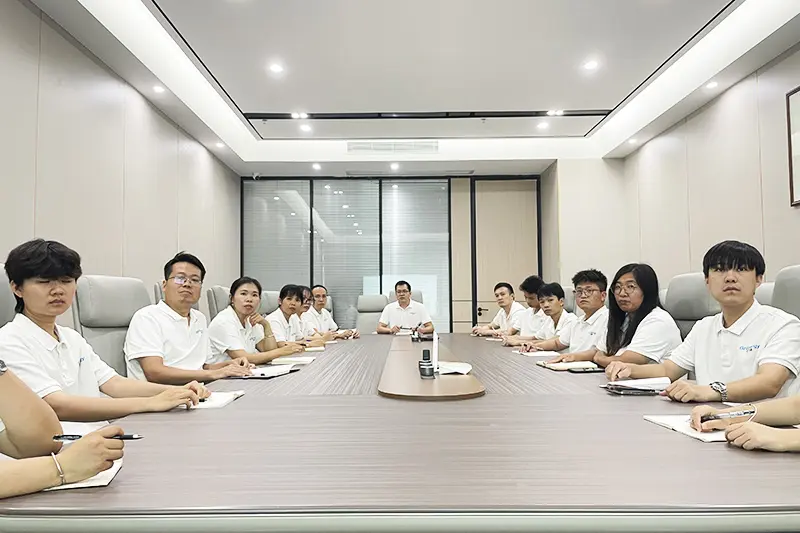
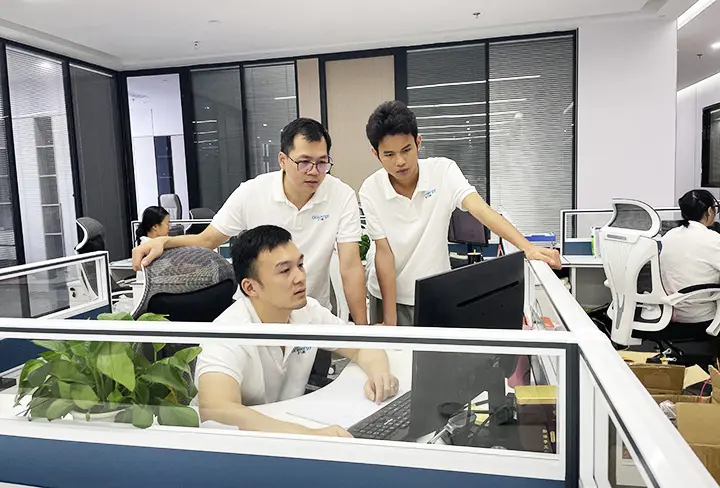
Established in 2010, Shenzhen Grenergy Technology Co., Ltd. is a high-tech enterprise specializing in the research, development, and manufacturing of lithium batteries, energy storage systems, power batteries, and advanced Battery Management Systems (BMS). Our brand story is built on the pursuit of technological innovation, premium reliability, and deep collaboration.
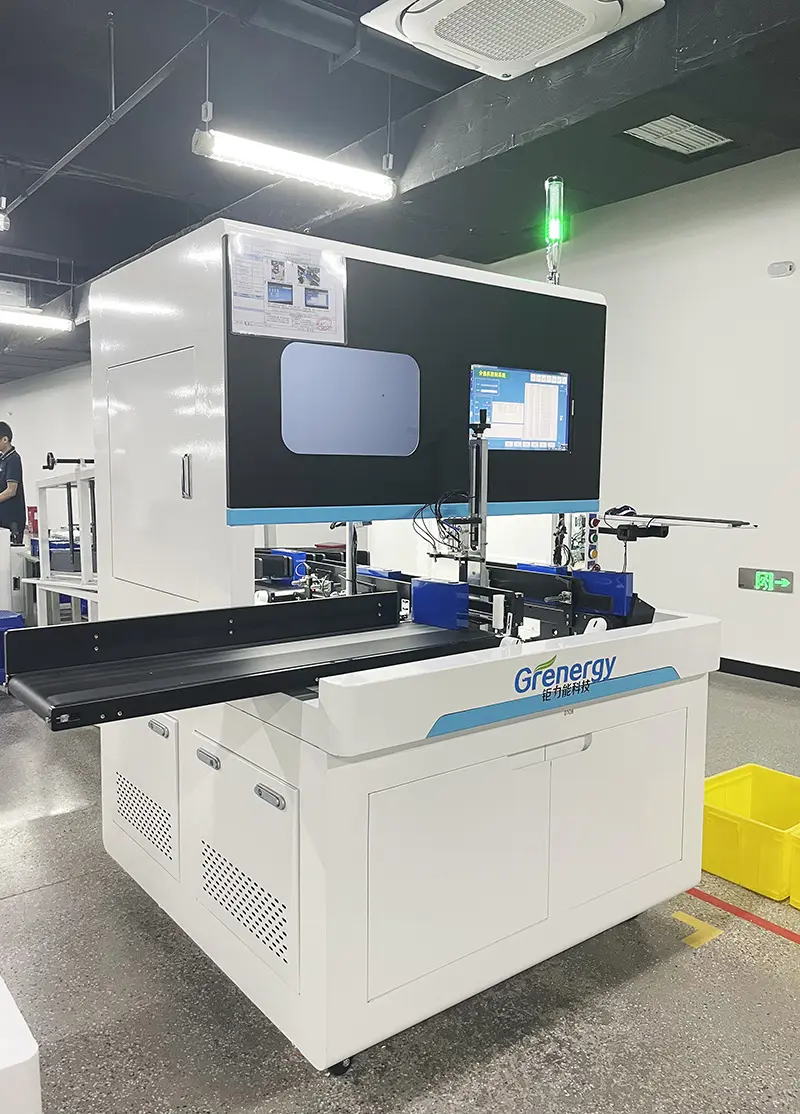
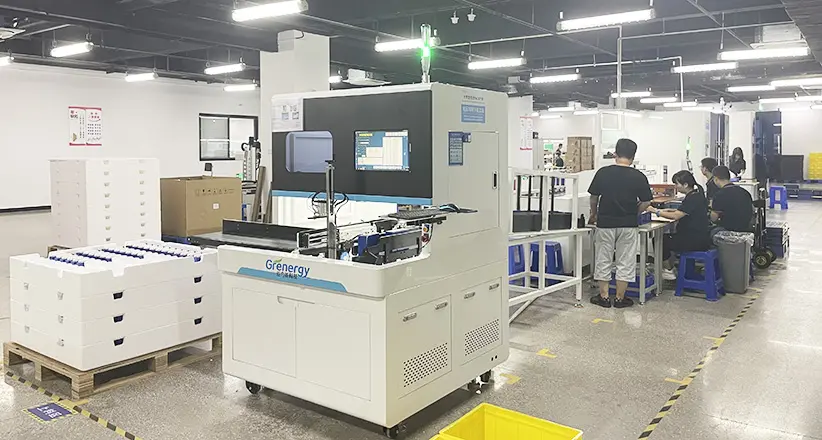
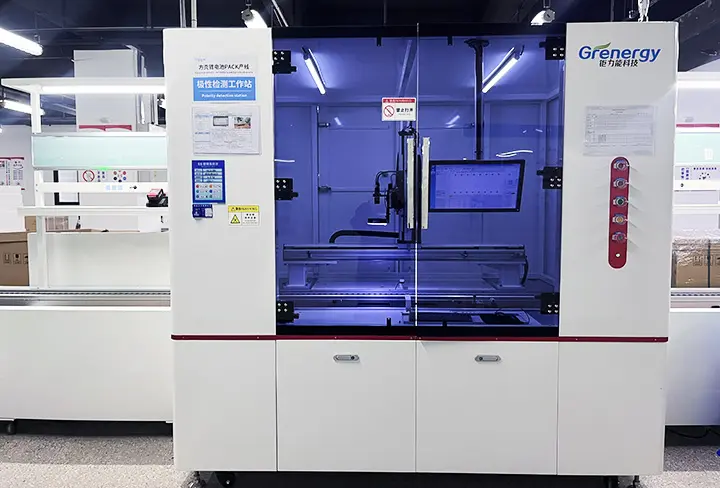
Our facilities house high-throughput semi-automated production lines where accuracy is monitored at each manufacturing stage. By adhering strictly to ISO9001, ISO14001, and ISO45001 management practices, we guarantee that every 12.8V battery block leaves our facility with verified voltage mapping, impedance matching, and capacity grading.
Over the past decade, Grenergy has achieved key safety credentials including UL, CE, FCC, PSE, and UN38.3. The addition of a $3 million USD product liability insurance highlights our corporate commitment to safety, giving international distributors and OEM partners total commercial peace of mind.
LiFePO₄ represents the safest lithium chemistry available. With a high thermal runaway threshold (>270°C) and robust crystalline structures, these cells survive over 3,000 deep discharge cycles at 80% DOD without performance degradation.
Our customized Battery Management System monitors cell-level parameters in real time. It protects against overcharge, over-discharge, over-current, and temperature extremes, alongside implementing active cell balancing.
Built for tough physical environments, our IP65 and IP67 certified casings guard against vibration, water entry, and mechanical shocks. This design is ideal for marine, off-road, and heavy industrial tasks.
The versatility of the 12.8V LiFePO₄ configuration makes it a preferred choice across various sectors:
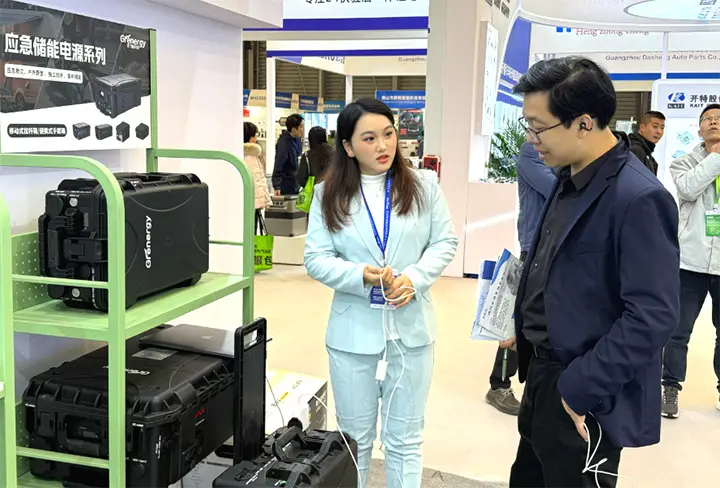
Exporting power systems internationally demands absolute compliance with local regulations. Grenergy's 12.8V product line complies fully with CE (Europe), FCC (North America), PSE (Japan), and general RoHS requirements. Our logistics networks are optimized to handle dangerous goods shipments, backed by complete UN38.3 and MSDS declarations.
Our business model centers on enabling success for our partners. Through our OEM and ODM services, we customize electrical characteristics, enclosure forms, private labeling, and BMS communication protocols (CANbus, RS485, Bluetooth) to integrate smoothly into our clients' existing ecosystems.
To maintain our market edge, Grenergy invests heavily in next-generation lithium battery technologies. Our upcoming product iterations focus on three primary technological updates:
Standard lithium-ion chemistries struggle below freezing. Our upcoming designs feature smart internal heating mats powered by the incoming charger, allowing safe replenishment at temperatures as low as -30°C.
Integrating cellular and Bluetooth transceivers directly into the BMS circuit board. This updates fleet operators and users on battery health, state of charge (SoC), and thermal anomalies in real time.
Utilizing next-generation prism cells to achieve greater energy density. This increases amp-hour capacity within standard Group 24, 27, and 31 structural footprints.
 Grenergy