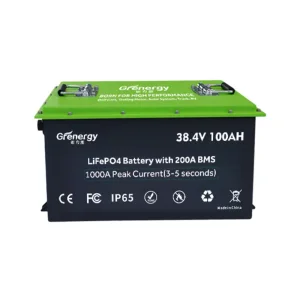
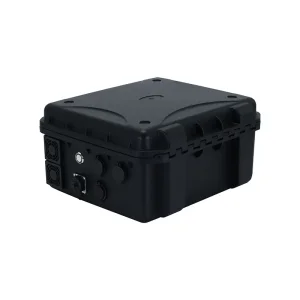
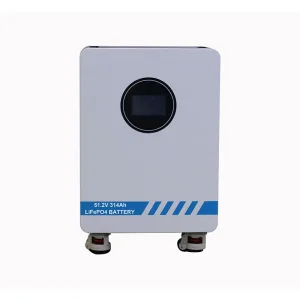
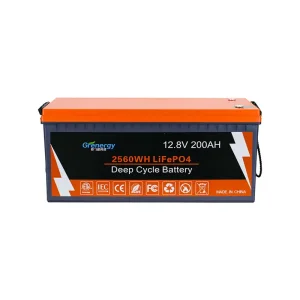
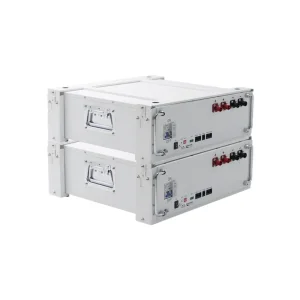
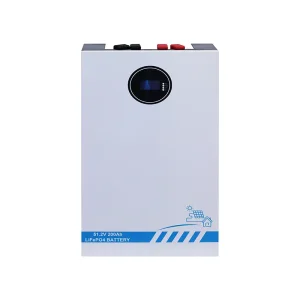
Explore our high-performance solutions designed for industrial integration, home energy backup, and custom e-mobility applications.
An in-depth analysis of low-voltage Lithium Iron Phosphate configurations, market dynamics, and technological standards.
In modern battery design, configuration codes such as "2S" indicate the electrical topology inside the battery pack. Specifically, **2S refers to two cells connected in series**. When utilizing Lithium Iron Phosphate (LiFePO4) chemistry, which features a nominal voltage of 3.2V per cell, a 2S pack delivers a nominal output of **6.4V**. The charging cut-off voltage typically reaches 7.2V to 7.3V, while the discharge cut-off occurs around 5.0V.
This voltage range acts as a critical bridge. In many micro-electronic, smart-city, and industrial monitoring applications, operating at 3.2V (1S) does not provide enough voltage overhead for efficient buck-boost conversion or long-distance sensor transmission, whereas 12V (4S) systems represent unnecessary weight, cost, and physical volume. By standardizing on a 2S 6.4V framework, designers achieve optimal energy density and mechanical compactness.
Information Gain Insight: The shift from legacy Nickel-Metal Hydride (NiMH) and Lead-Acid chemistries to LiFePO4 2S is accelerating due to the chemical stability of the phosphate lattice. Unlike ternary lithium (NMC), the covalent P-O bond in LiFePO4 prevents oxygen release during structural stress, eliminating thermal runaway risks up to critical thresholds.
The global demand for LiFePO4 2S battery systems is driven by the rapid expansion of localized IoT nodes, smart utilities, and ruggedized medical equipment. North American and European industrial sectors are increasingly mandating LiFePO4 over lead-acid due to environmental directives such as RoHS and REACH.
Currently, Asia-Pacific—primarily led by manufacturing corridors in Shenzhen, China—commands over 75% of global LiFePO4 cell production and pack assembly. As a premier hub, Shenzhen houses advanced engineering facilities like Shenzhen Grenergy Technology Co., Ltd., where automated manufacturing processes, rigorous cell matching, and ISO-certified management frameworks guarantee consistency that local markets demand.
| Battery Chemistry | Nominal Voltage (2S) | Cycle Life (80% DoD) | Thermal Runaway Temp | Environmental Profile |
|---|---|---|---|---|
| LiFePO4 (Grenergy Standard) | 6.4V | >3,000 - 4,000 Cycles | 270°C - 300°C | Eco-Friendly / Non-toxic |
| Lead-Acid (AGM/Gel) | 4.0V - 6.0V | 300 - 500 Cycles | Not Applicable | Contains Lead & Acid |
| Lithium Cobalt Oxide (LCO) | 7.4V | 500 - 1,000 Cycles | 150°C | Heavy Metals / High Risk |
Developing an industrial-grade LiFePO4 2S pack goes beyond simple cell soldering. It demands high-precision engineering of the Battery Management System (BMS). Even at a low voltage of 6.4V, cell imbalance can degrade pack capacity within 100 cycles. Grenergy's technical roadmap prioritizes:
Established in 2010, Shenzhen Grenergy Technology Co., Ltd. is a high-tech enterprise specializing in R&D and manufacturing lithium batteries, energy storage systems, power batteries, battery management systems, and all-in-one solutions. With a strong commitment to technological innovation, Grenergy has become a leading provider of energy solutions for various applications worldwide.
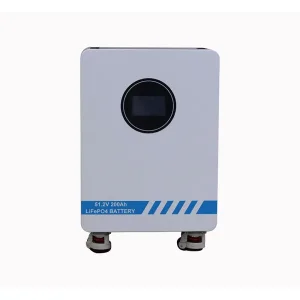
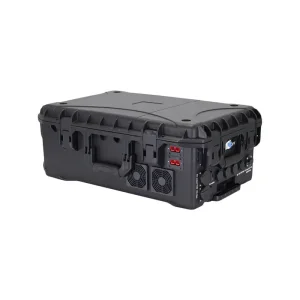
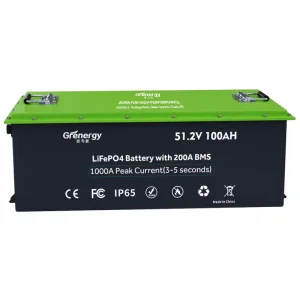
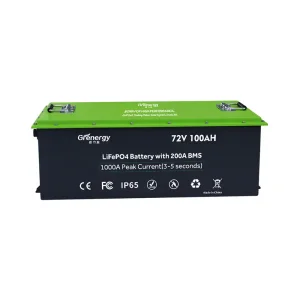
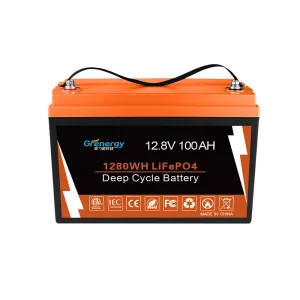
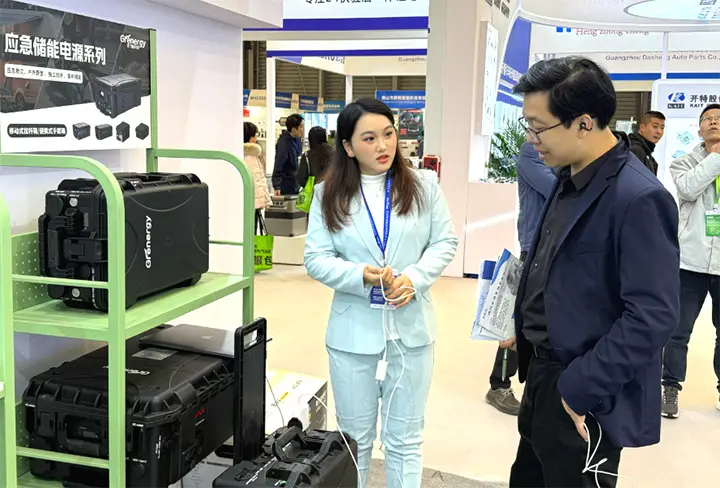
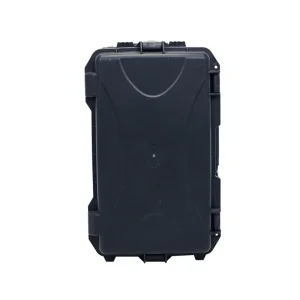
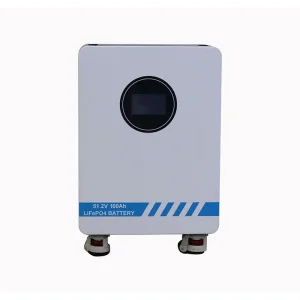
Since our establishment, we have focused on the development of sustainable energy solutions to meet the growing demand for efficient, reliable, and eco-friendly power systems. Over the decade, Grenergy has developed a diverse product portfolio, including Lead-acid replacement lithium batteries, Wall-mounted power walls, Portable power stations, Mobile home energy storage systems, and Trolley box portable power stations.

Why Tier-1 industrial buyers choose Grenergy as their strategic LiFePO4 assembly partner.
We support various OEM and ODM customized services, tailoring electrical characteristics, BMS settings, housing footprints, and output connectors to client specifications.
Our facilities and products hold complete international certifications including ISO9001, ISO14001, ISO45001, UL, CE, FCC, PSE, and UN38.3 compliance.
To secure peace of mind for international OEMs, we back our systems with a comprehensive third-party product liability insurance policy valued at $3,000,000 USD.
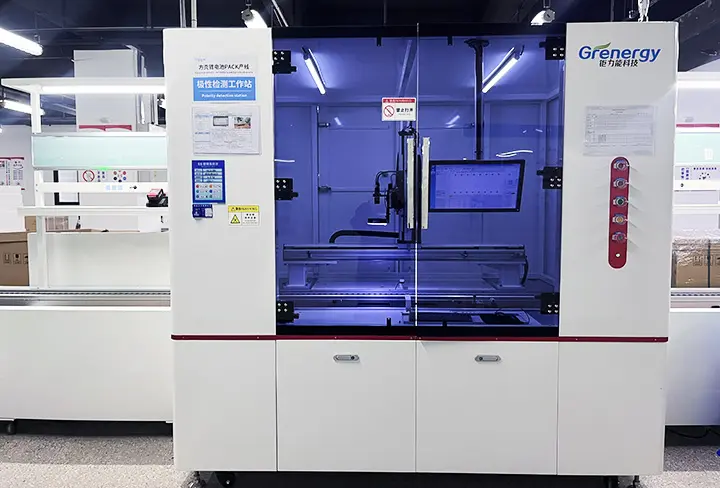
Inside our manufacturing units where strict quality controls turn premium grade raw materials into reliable energy assets.
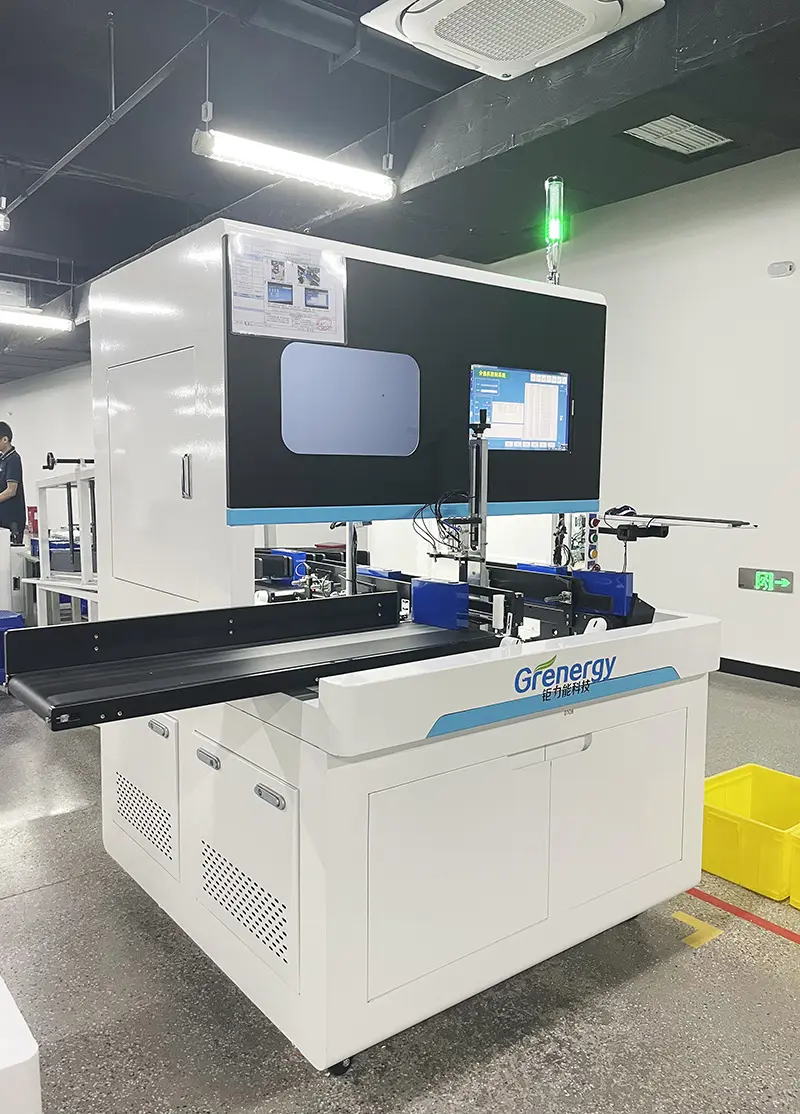
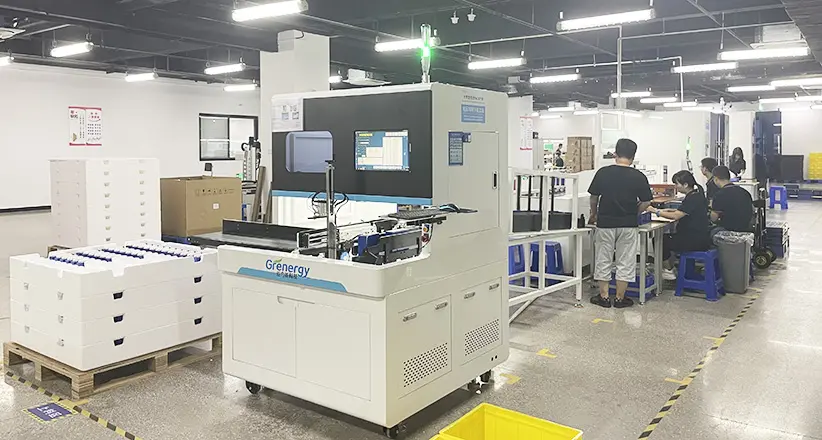
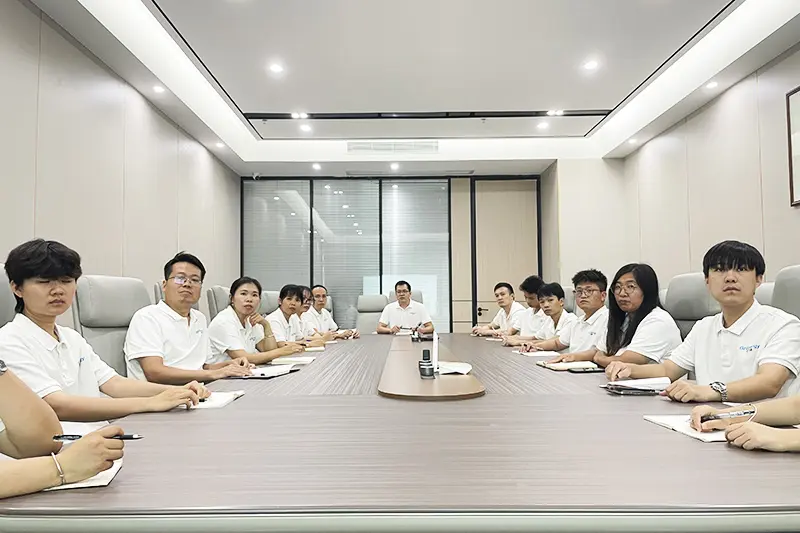
At the core of Grenergy’s operations is a deep commitment to environmental stewardship. Standardizing industrial machinery, outdoor infrastructure, and backup mechanisms on long-life LiFePO4 cells represents an immediate reduction in environmental footprint. Compared to lead-acid batteries, which present severe contamination risks during refinement and disposal, LiFePO4 contains zero toxic heavy metals.
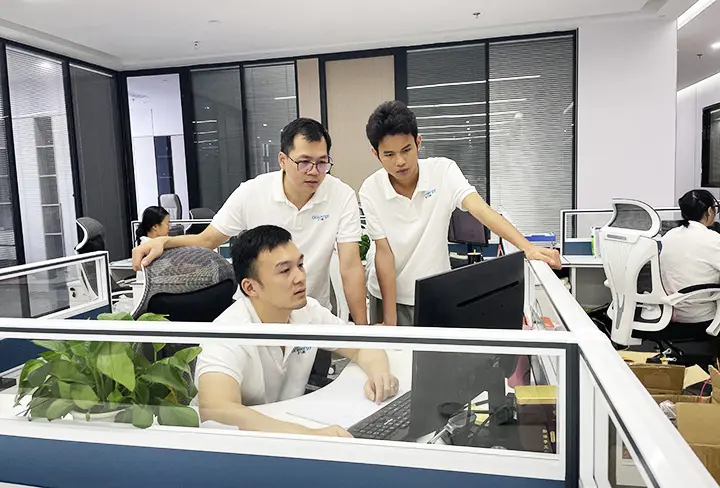
Through decades of intensive research and development, we have structured a supply chain that ensures high yield, low waste, and maximum cost efficiency. By integrating smart battery management and remote diagnostic protocols, our engineering team ensures that every pack manufactured delivers optimal efficiency over its entire lifetime.
How industries leverage the 6.4V LiFePO4 2S configuration to solve real-world engineering challenges.
National smart grids require gas, water, and heat meters to operate autonomously for 10 to 15 years in extreme outdoor conditions without maintenance. Traditional batteries experience high self-discharge and voltage drop under load. A specialized 2S LiFePO4 configuration, coupled with a hybrid layer capacitor (HLC), provides both the long-term baseline energy and the high-pulse current required to transmit data via NB-IoT or LoRaWAN.
Buoys, offshore monitoring equipment, and marine instrumentation operate in environments characterized by constant humidity, salt spray, and extreme thermal cycling. The robust chemistry of Grenergy's LiFePO4 prevents internal degradation under high humidity. Our customized 2S packs fit tightly within cylindrical sensor casings, delivering reliable power to marine transponders and logging modules.
In high-occupancy commercial structures, emergency pathway lighting systems are subject to strict municipal building codes. When main power grids fail, local backup battery packs must immediately drive illumination paths. The LiFePO4 2S system is highly favored in this space because it maintains a stable discharge plateau around 6.4V until depletion, unlike NiCd units which display a rapid voltage drop.
Did you know? In the event of a system failure, the flat discharge curve of a LiFePO4 2S pack ensures that emergency LED indicators do not dim over time. They remain at full brightness throughout the entire required emergency backup window.
Technical answers to key inquiries regarding LiFePO4 2S designs, sourcing, and implementation.
What our global partners say about Grenergy’s services and product quality.
"Grenergy's custom 2S LiFePO4 packs have greatly improved our marine monitoring buoys. The cycle life and thermal stability in harsh environments exceeded our expectations. Their technical team made the engineering integration seamless."
"We have partnered with Shenzhen Grenergy for over five years for our smart grid systems. Their quality control, rapid prototyping, and international certifications make them a highly reliable supply chain partner."
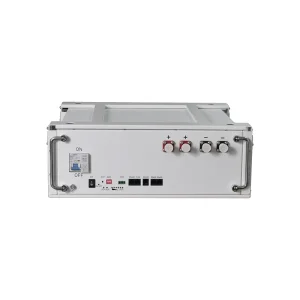
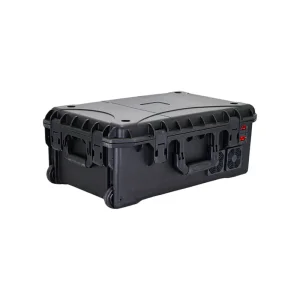
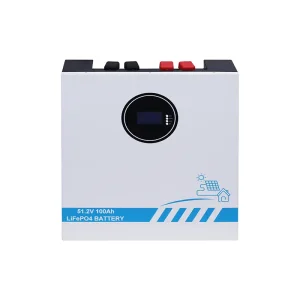
Our broader portfolio of rack-mounted, wall-mounted, and portable power stations for domestic and commercial backup.
 Grenergy