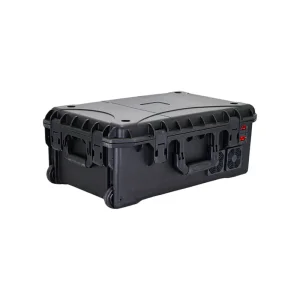
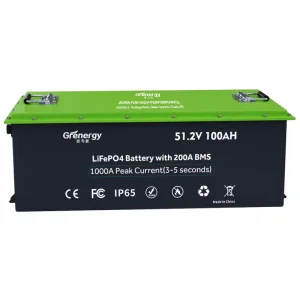
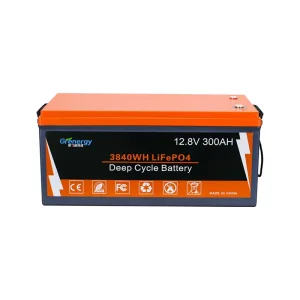
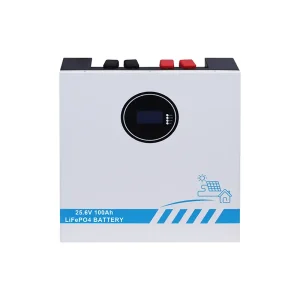
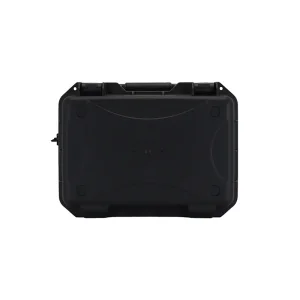
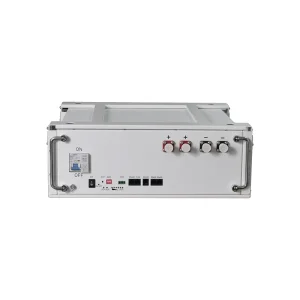
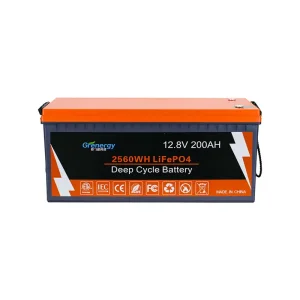
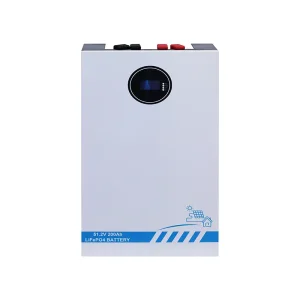
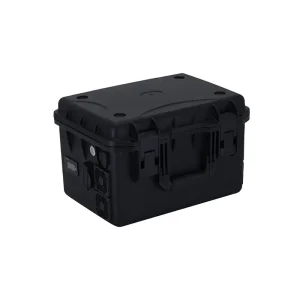
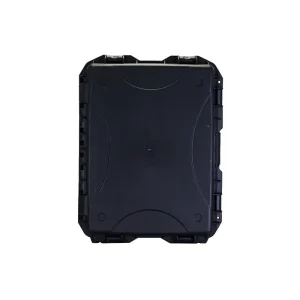
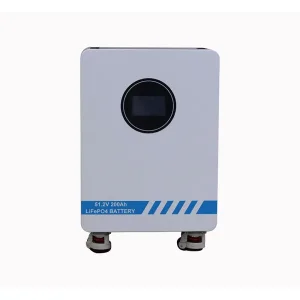
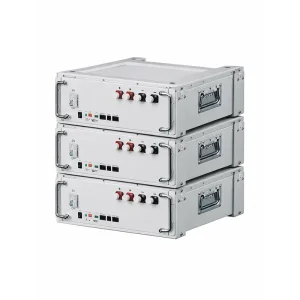
Explore our premium product line, from high-capacity residential home battery systems to durable, specialized lithium battery packs engineered for golf carts and outdoor power infrastructure.
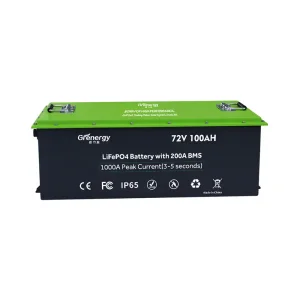
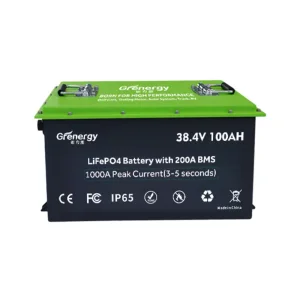
An in-depth analysis of structural trends, supply chain dynamics, and regulatory standards within the global home energy storage landscape.
The global shift toward decentralized grid infrastructure is driving residential consumers from simple energy preservation to sophisticated energy orchestration. Modern Residential Solar Battery Systems are no longer mere backup resources during utility power outages; they serve as dynamic local microgrid controllers capable of real-time load shaping, peak-shaving, and automated participation in virtual power plants (VPPs).
By storing solar power generated during peak solar hours and discharging it during peak rate periods (Time-of-Use optimization), homeowners can lower their Levelized Cost of Storage (LCOS). This integration addresses the classic intermittent nature of renewable energy, paving the way for complete residential grid independence.
As utilities move toward dynamic pricing models, having intelligent battery systems allows homeowners to dynamically balance local solar generation, utility rates, and emergency power reserves.

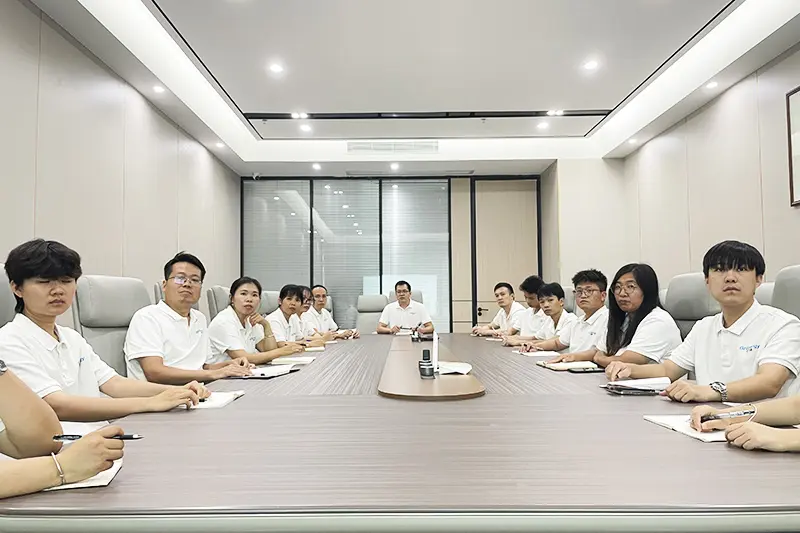
Established in 2010, Shenzhen Grenergy Technology Co., Ltd. is a high-tech enterprise specializing in the research, development, and manufacturing of advanced lithium batteries, home energy storage solutions, smart battery management systems (BMS), and all-in-one integrated power storage configurations.
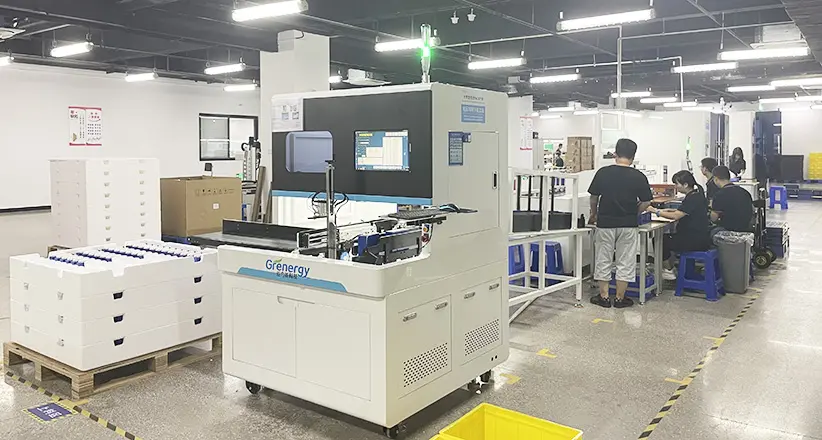
With over a decade of continuous technological innovation, Grenergy has established itself as an authoritative voice in the global sustainable energy sector. Operating a production facility exceeding 10,000 square meters, the company designs, tests, and certifies solutions that meet the requirements of international energy providers, EPC contractors, and system integrators.
To back the reliability of our installations, every Grenergy product is protected by a $3 million USD third-party product liability insurance policy, providing reliable risk mitigation for global commercial distributors and installers alike.
Understanding the operational and logistical advantages that drive the modern lithium battery manufacturing landscape.
Wholesale buyers, EPC developers, and commercial distributors seek long-term operational reliability rather than just low upfront prices. Procurement strategies must prioritize Total Cost of Ownership (TCO), which includes performance retention over thousands of charge cycles, round-trip efficiency (RTE), and communication compatibility with popular hybrid inverters.
Our active Battery Management System (BMS) controls protect against overcharge, short-circuit, over-current, and thermal runaway, ensuring each cell runs at optimal performance throughout its operational life.
By choosing cells with consistent internal resistance and utilizing dual-thermal management systems, Grenergy home batteries maintain high performance even under challenging environmental conditions, reducing maintenance costs and warranty claims.
Adapting battery technology to local grid standards, operating environments, and dynamic power demands.
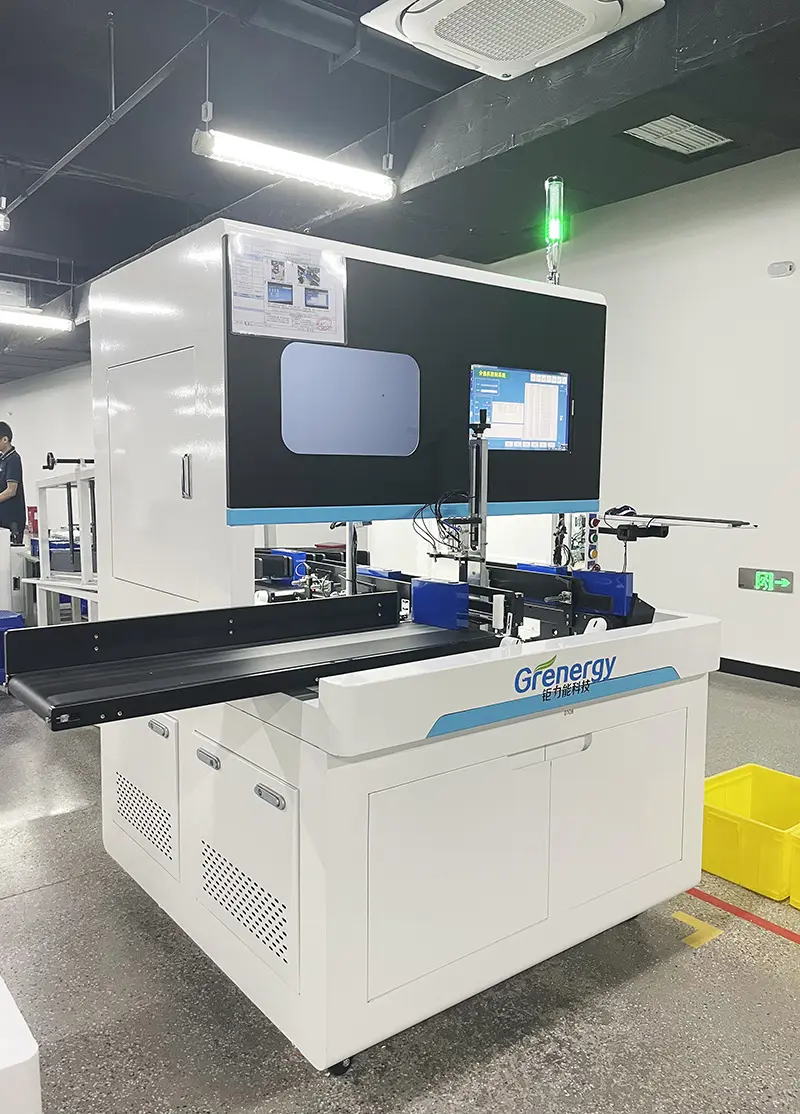
Residential battery systems must adapt to varying climates and local grids worldwide:
In addition to residential energy storage, Grenergy applies its lithium technology to specialized markets, including high-voltage motive packs for electric vehicles and heavy-duty utility golf carts, delivering reliable power across diverse conditions.
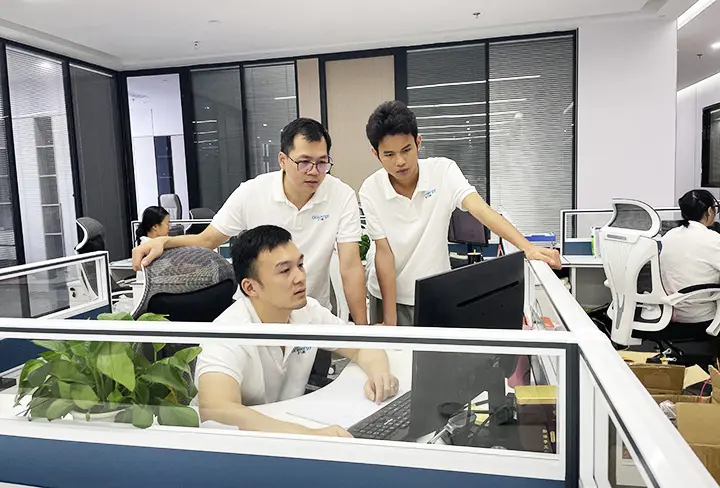
Operating in international markets requires adherence to local electrical standards. For instance, the US National Electrical Code (NEC) requires arc-fault protection and rapid shutdown capabilities, while European standards demand compliance with IEC 62619 for industrial lithium batteries.
Grenergy addresses these regulatory requirements by conducting third-party tests and certifications for all production models, assuring importers and installers of worry-free grid interconnection and permitting.
Our dedicated technical support teams assist global partners with system configuration, regulatory filing, and after-sales support, helping to simplify regional installation and operation.
Connecting years of dedicated engineering with next-generation solid-state and cloud-BMS technologies.
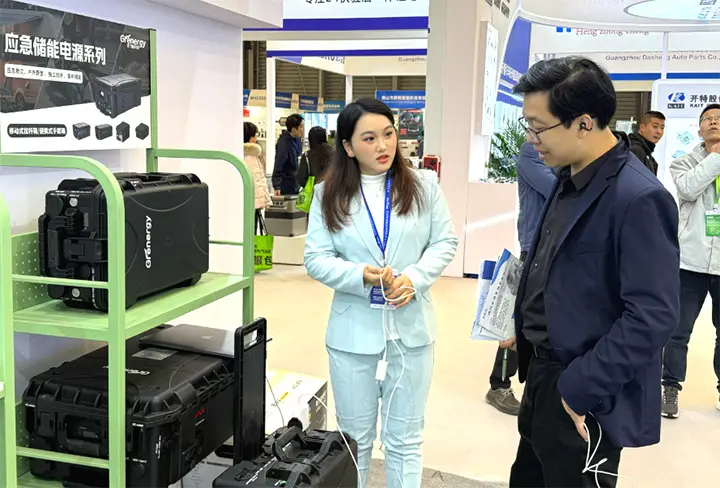
Since our founding, Grenergy has focused on delivering safe, high-performance battery systems. We work closely with key semiconductor suppliers, cell manufacturers, and inverter brands to ensure our battery systems communicate seamlessly with global hybrid systems.
By integrating advanced communication interfaces (CAN/RS485/Modbus), our products enable installers to monitor energy flows down to the individual cell level, improving safety and reliability over the life of the system.
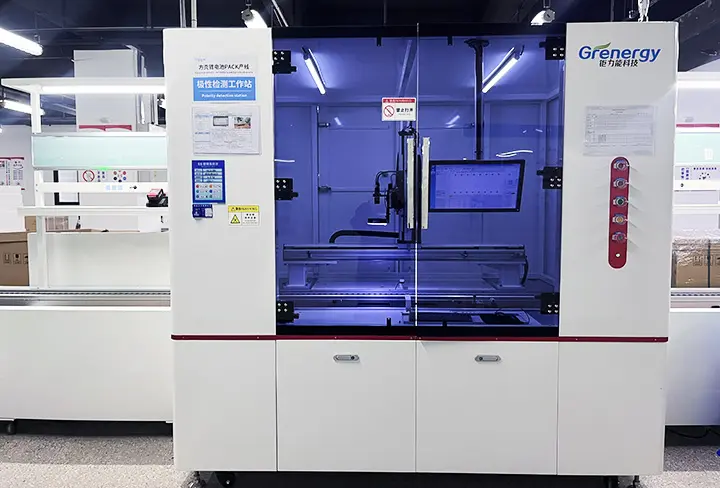
Our residential and commercial systems are installed worldwide, providing reliable backup power and peak-shaving capabilities. Installers select Grenergy for our build quality, robust thermal management, and reliable after-sales support.
Whether deployed in high-temperature settings or cold-weather installations, our systems provide consistent power delivery, helping homeowners maximize their investment in solar energy.
In-depth technical answers to critical questions from installers, project designers, and distributors.
LiFePO4 (Lithium Iron Phosphate) chemistry is preferred due to its thermal stability and safety. Its molecular structure prevents oxygen release under high heat, minimizing the risk of thermal runaway. Additionally, LiFePO4 cells support over 6,000 charge cycles before reaching 80% capacity, offering a longer operational lifespan than typical NMC chemistries.
A functional Battery Management System (BMS) uses communication protocols like CAN, RS485, and Modbus to share voltage, state of charge (SoC), temperature, and internal cell data with solar inverters. This real-time link prevents overcharging and optimizes charging speed, ensuring smooth operation across the system.
Standard 51.2V systems are safe to handle and well-suited for typical residential retrofits. In contrast, high-voltage battery systems (typically 200V-400V or higher) reduce current transmission losses over long wire runs, allowing for smaller cable sizes and higher overall system round-trip efficiency in larger, high-performance setups.
UL 9540A is a standard test method used to evaluate fire propagation behavior in Battery Energy Storage Systems. Passing this test shows that a thermal runaway event at the cell level will not spread, helping installers meet strict safety codes and build codes in residential areas.
Yes. While charging lithium cells below freezing can cause issues, our batteries feature thermal management systems and temperature control sensors to regulate warming. This maintains optimal operating temperatures, ensuring stable winter performance.
This coverage provides protection against property damage or operational failures, reducing risk for our international partners. It demonstrates our confidence in the build quality, engineering standards, and long-term safety of Grenergy products.
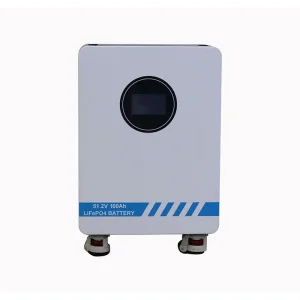
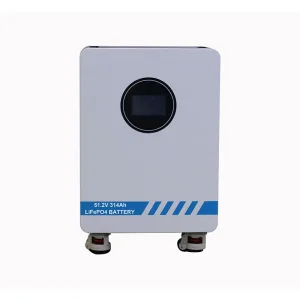
Select from our floor-mounted, wall-mounted, and portable power systems designed to provide clean, reliable power wherever it is needed.
 Grenergy