Explore premium integrated battery rack systems, customizable packs, and smart utility storage solutions designed for global developers and integrators.
As the international community accelerates its path toward net-zero emissions, the deployment of solar energy has transitioned from simple, grid-tied photovoltaic setups to highly integrated and resilient Solar Battery Schemes. Modern grid environments struggle under the weight of renewable energy intermittency—solar generation peaks during mid-day while consumer demand peaks in the evening. This fundamental mismatch, famously termed the "duck curve," has made co-located energy storage systems (BESS) a absolute necessity for grid stability, peak shaving, and load shifting.
Technologically, the industry has undergone a major transition from traditional lead-acid configurations to advanced Lithium Iron Phosphate (LiFePO4) chemistry. LiFePO4 has emerged as the global benchmark due to its superior safety margins, long cycle life (often exceeding 6,000 cycles at 80% Depth of Discharge), thermal stability, and lack of toxic heavy metals. Today's commercial solar battery schemes are not just passive chemical storage blocks; they are sophisticated cyber-physical systems integrated with multi-tier Battery Management Systems (BMS), active thermal management systems, and smart grid communications protocols.
Modern battery cell technologies allow for rapid charge and discharge rates, supporting transient load spikes without damaging the internal crystal structures of the electrodes.
System-wide monitoring guarantees real-time voltage and thermal balancing at the cell, pack, and rack level, preventing thermal runaway and extending lifespan.
Integrated cooling systems maintain optimal operation between 15°C and 35°C, ensuring efficiency even in extreme desert or arctic conditions.
Shenzhen Grenergy Technology Co., Ltd., established in 2010, is a high-tech enterprise specializing in R&D and manufacturing lithium batteries, energy storage systems, power batteries, battery management systems, and all-in-one solutions. With a strong commitment to technological innovation, Grenergy has become a leading provider of energy solutions for various applications worldwide.
Our core values include integrity, innovation, and customer satisfaction, which have been the foundation of our growth. Grenergy’s history is one of continuous improvement and dedication to providing advanced energy storage solutions to businesses and individuals globally.

A decade of engineering excellence, scaling custom battery chemistry to meet commercial demand.
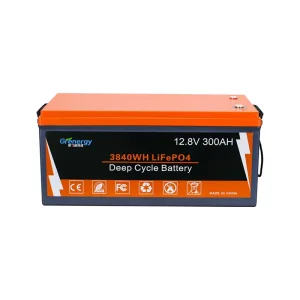
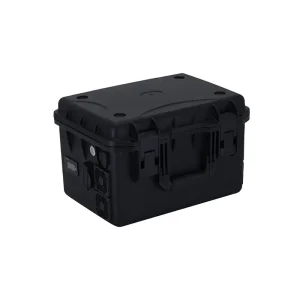
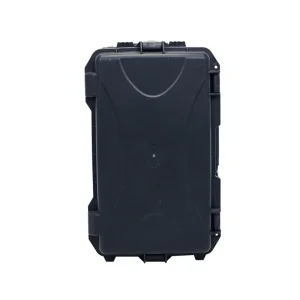
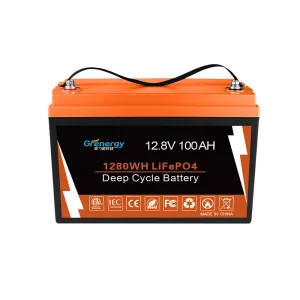
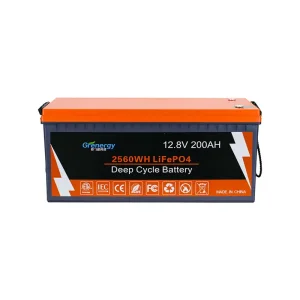
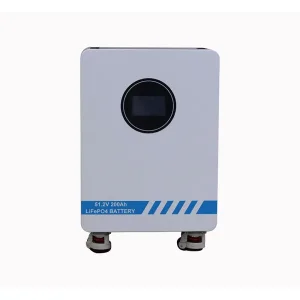
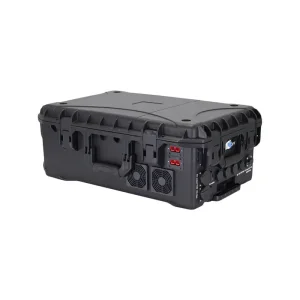
Since its establishment, Grenergy has focused on the development of sustainable energy solutions to meet the growing demand for efficient, reliable, and eco-friendly power systems. With over 10 years of expertise, Grenergy has developed a diverse product portfolio, including Lead-acid replacement lithium batteries, Wall-mounted power walls, Portable power stations, Mobile home energy storage systems, Trolley box portable power stations, and much more. We are committed to enhancing energy efficiency while reducing environmental impact.
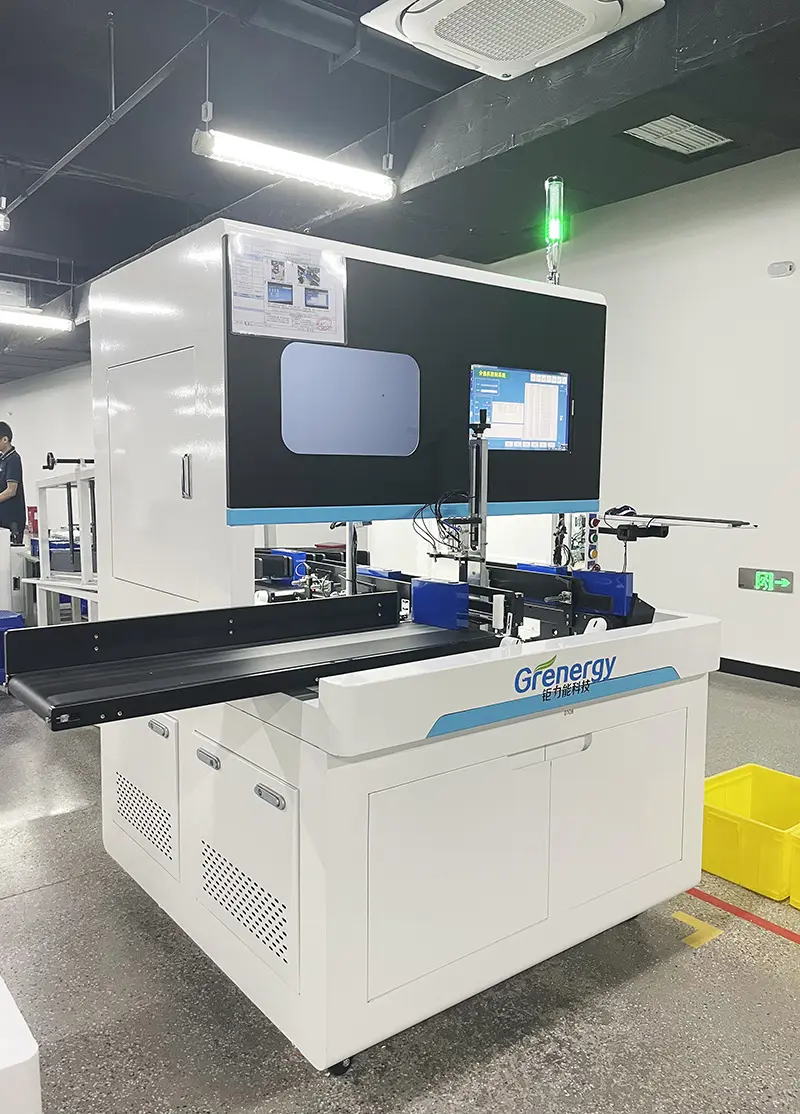
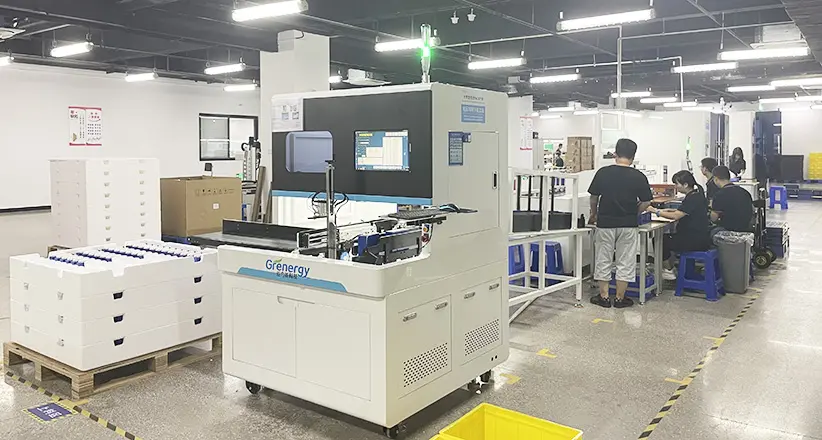
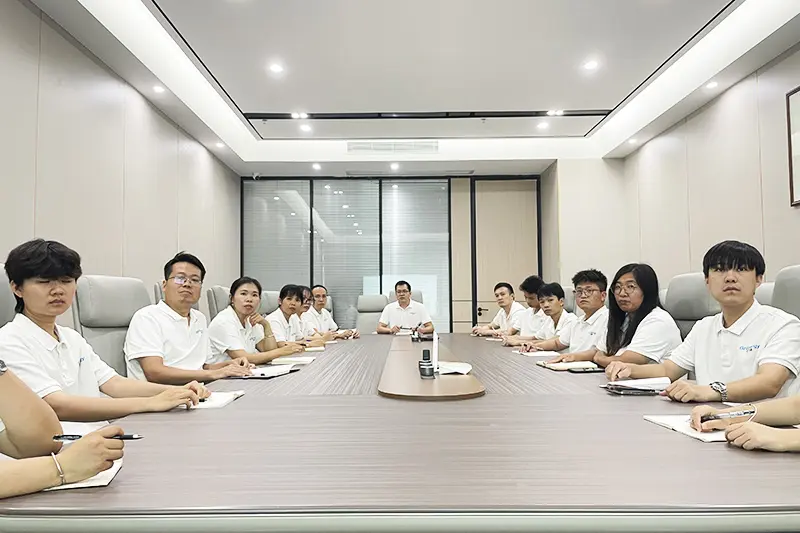
Grenergy’s products support various OEM and ODM customized services, allowing us to tailor solutions that meet specific client needs. With nearly 10,000 square meters of production space and a team of 200 highly skilled professionals, we are equipped to deliver high-quality products at scale. Over the years, we have consistently met international industry standards, earning certifications such as ISO9001, ISO14001, ISO45001, UL, CE, FCC, PSE, and UN38.3.
We also provide third-party product liability insurance worth $3 million USD for all products, ensuring our global clients can trust our reliability and commitment to service excellence. This mitigates operational risks for project developers, EPCs (Engineering, Procurement, and Construction contractors), and utility buyers who operate under strict commercial liabilities.
Comparing storage technologies, voltage characteristics, and custom industrial applications.
Global procurement teams must balance initial capital expenditure (CAPEX) with long-term operational expenditure (OPEX). Choosing between high-voltage (HV) and low-voltage (LV) systems, and rack-mounted vs. wall-mounted form factors, is critical to system compatibility. The matrix below outlines how modern Grenergy configurations map to various target applications:
| Battery Configuration | Nominal Voltage | Capacity Range | Ideal Application Profile | Form Factor & Safety Certs |
|---|---|---|---|---|
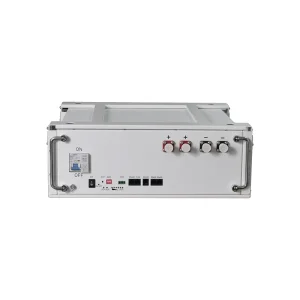
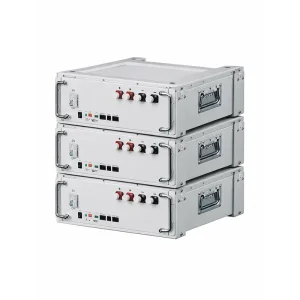
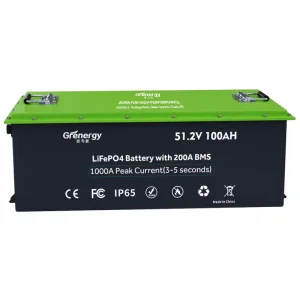
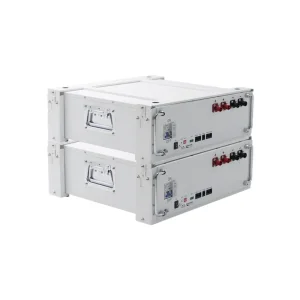
| Rack-Mounted LFP Storage | 51.2V | 100Ah - 314Ah | Datacenter UPS, Commercial Off-grid Microgrids, Telecom Base Stations | Standard 19-inch Server Rack, UL 1973, CE |
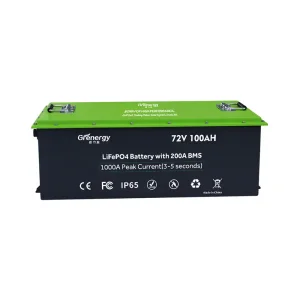
| High-Voltage EV/Golf Cart System | 76.8V | 100Ah | Industrial Forklifts, Electric Utility Vehicles, Fleet Logistics | Vibration-Resistant Metal Enclosure, UN38.3 |
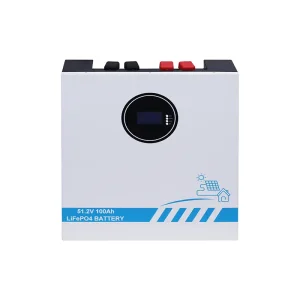
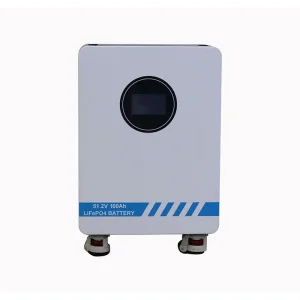
| Wall-Mounted Home Battery | 51.2V | 100Ah (5.12kWh) | Residential PV Integration, Emergency Backup Power, Peak Shaving | Slim Wall Cabinets, IP65 protection, CE, FCC |
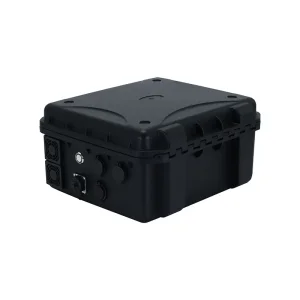
| Portable Power Station / Trolley | 25.6V - 51.2V | 42Ah - 100Ah | Field Exploration, Emergency Medical Response, Backup Power Stations | Rugged ABS Outer Case with wheels, CE, PSE |
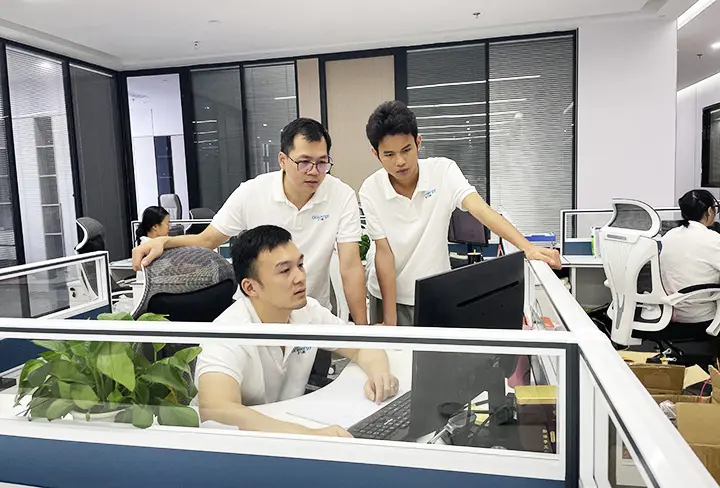
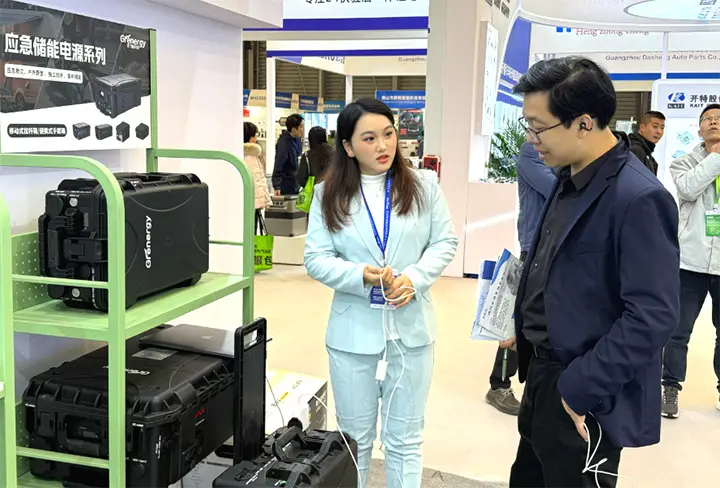
Building strong relationships with local grid developers and global clean tech operators.
From the beginning, Grenergy’s mission has been to empower the world with cutting-edge energy storage solutions. We believe in a future where renewable energy is the primary power source, and our products are designed to make this future a reality. Through decades of research and development, we’ve become a trusted name in the energy storage sector, helping companies transition to more efficient, sustainable energy practices.
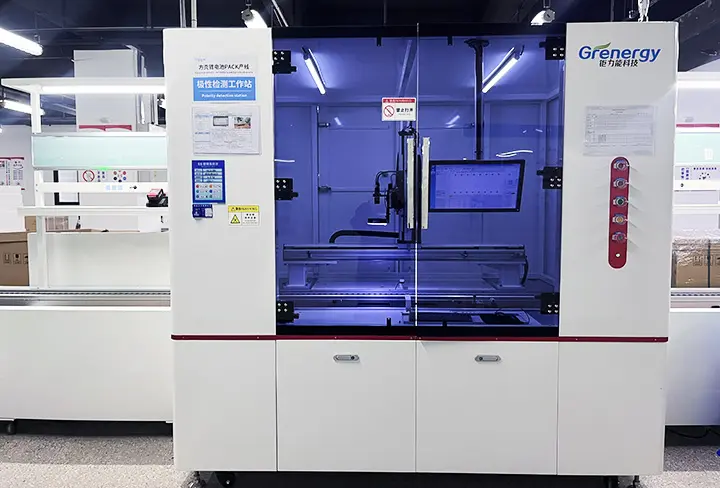
Partners and Collaborations: We are proud to have partnered with some of the world’s leading organizations and technology providers. These collaborations help us bring the latest advancements in energy storage and management systems to market, providing our clients with the most efficient and innovative solutions available.
Customer Testimonials: Don’t just take our word for it—our clients trust us to provide safe, high-performance energy storage systems that meet their needs. With global customers from various industries, including renewable energy, manufacturing, and transportation, we have built a reputation for delivering reliable, top-quality products. From off-grid agricultural microgrids in East Africa to residential solar storage networks in Central Europe, our customers report average operational uptime of over 99.8%.
Navigating complex international certifications, custom tariffs, and grid codes.
Procuring lithium-ion batteries is highly complex due to international safety regulations. Batteries are classified as Class 9 Dangerous Goods, meaning they must comply with strict testing protocols. Understanding the certification landscape ensures that your imports comply with local codes and pass inspections smoothly:
Additionally, Grenergy helps client optimize customs duties and local tariffs by offering tailored shipping terms. This includes providing detailed documentation for custom classification, battery weight reports, and technical manuals that simplify local import procedures.
Answers to common technical, design, and sourcing questions about solar battery schemes.
LiFePO4 has a thermal runaway temperature of around 270°C, compared to 210°C for NMC (Nickel Manganese Cobalt) batteries, making it much safer. It also offers a longer cycle life (6,000+ cycles at 80% DoD versus 2,000 for NMC) and does not contain toxic cobalt, aligning with modern environmental, social, and governance (ESG) standards.
For major project developers, public utilities, and commercial distributors, product liability insurance is a key risk-mitigation tool. If an electrical issue causes system damage, our third-party global insurance policy covers the losses, protecting your investment and business continuity.
Yes. Our standard 51.2V server rack systems can be connected in parallel (often supporting up to 15 or 32 units without requiring an external controller, depending on the model). This allows you to scale storage capacity from 5kWh to over 150kWh, making it perfect for growing businesses.
We provide comprehensive customization, including metal chassis dimensions, custom logo styling, specific communication protocols (CANbus, RS485, Modbus), and custom battery management system parameters (like charging speed, cutoff voltages, and low-temperature protection).
Charging standard Li-ion cells below 0°C can cause lithium plating, which risks short circuits. Grenergy's smart BMS automatically detects low temperatures, and our advanced heating pad solutions warm the cells to safe levels before starting the charge cycle.
Explore our portable power stations, marine/RV deep-cycle configurations, and high-voltage vehicle battery packs.
 Grenergy