Explore our certified range of high-performance lithium batteries engineered for resilience, efficiency, and seamless grid integration.
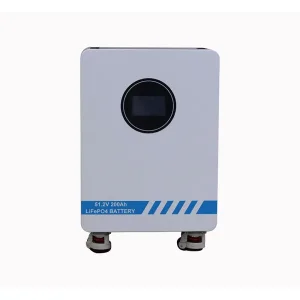
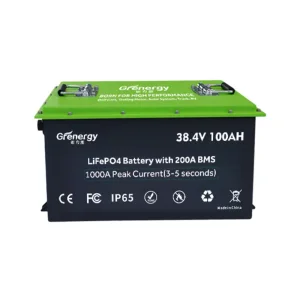
As global energy grids undergo a profound transformation toward decarbonization, intermittent renewable energy sources like solar photovoltaics (PV) require robust buffer systems to ensure grid stability and continuous supply. Solar Plus Battery Storage systems represent the technological solution to this challenge, linking solar generation profiles with real-time load demands.
Modern Battery Energy Storage Systems (BESS) leverage Lithium Iron Phosphate (LiFePO4) chemistry due to its structural stability, high thermal runaway threshold, and exceptional cycle life. These systems operate through a sophisticated interface comprising three key layers: the physical battery modules, the Battery Management System (BMS), and the Power Conversion System (PCS) or inverter. By storing excess solar generation during peak sun hours and discharging during high-tariff periods, these platforms maximize self-consumption, provide crucial peak-shaving capabilities, and offer emergency backup resilience.
From an engineering perspective, balancing round-trip efficiency (RTE) with system degradation rates is key. Integrated BMS technologies implement active cell balancing, monitoring individual cell voltages, temperatures, and state-of-health (SOH) parameters. This ensures that safety standards such as UL1973 are maintained throughout the design life of the system, often exceeding 6,000 cycles at 80% Depth of Discharge (DoD).

Established in 2010, Shenzhen Grenergy Technology Co., Ltd. is a high-tech enterprise specializing in the R&D and manufacturing of advanced lithium batteries, integrated energy storage systems, power batteries, intelligent battery management systems (BMS), and customizable all-in-one residential and commercial storage solutions.
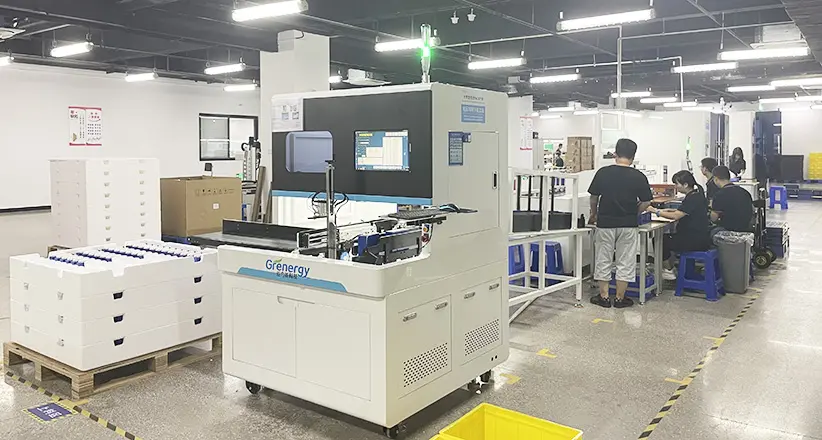
With over a decade of technological refinement, Grenergy has positioned itself as a key supplier for partners worldwide. The company operates a state-of-the-art facility covering nearly 10,000 square meters, supported by 200 skilled production professionals and R&D engineers. Guided by strict adherence to international quality management and environmental safety protocols, Grenergy holds ISO9001, ISO14001, and ISO45001 certifications.
To assure global buyers of long-term reliability and risk mitigation, all Grenergy products carry comprehensive certifications including UL, CE, FCC, PSE, and UN38.3 (logistical safety standard). Furthermore, the brand secures third-party product liability insurance worth $3 million USD, providing an extra layer of financial security and trust for international developers, installers, and distributors.
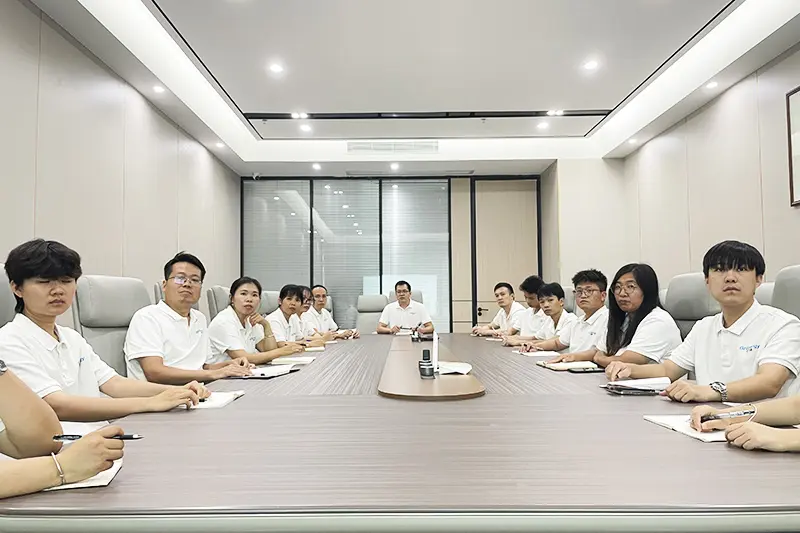
A decade-long journey of sustainable energy innovation and commitment to global decarbonization.
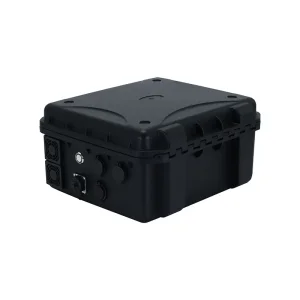
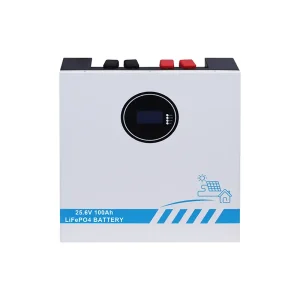
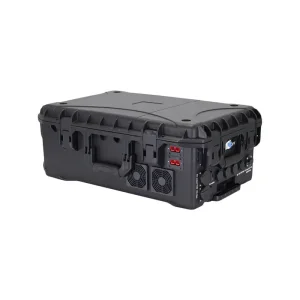
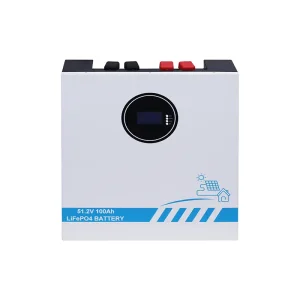
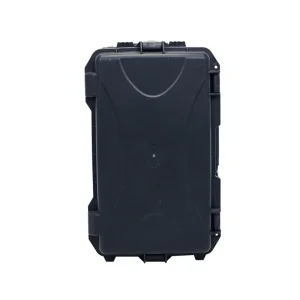
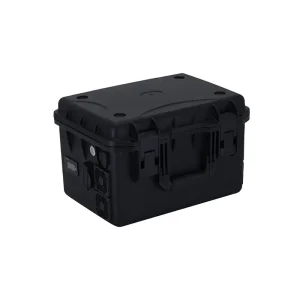
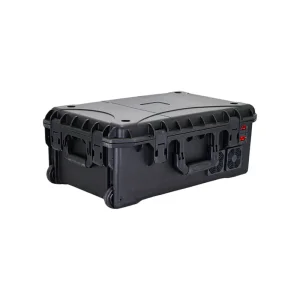
Since its founding, Grenergy has focused on developing sustainable energy solutions to meet the growing demand for efficient, reliable, and eco-friendly power systems. Over more than 10 years of expansion, the brand has built a diverse portfolio. This includes Lead-acid replacement lithium batteries, wall-mounted power walls, portable power stations, mobile home energy storage units, and heavy-duty trolley-box portable power systems.
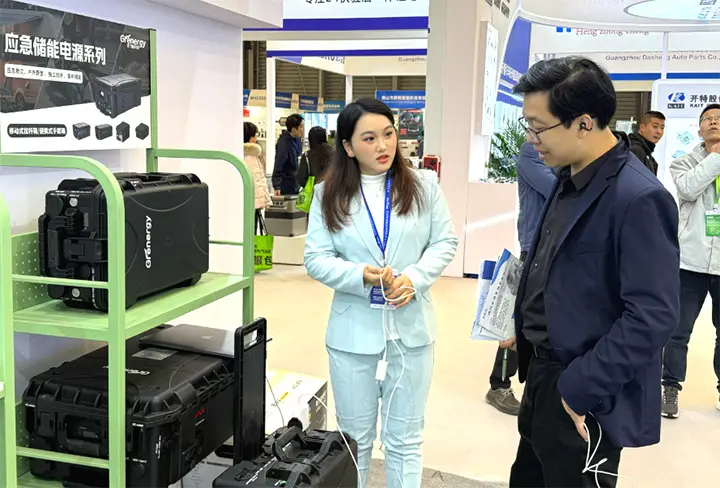
Grenergy's trajectory is built on the core values of integrity, technological innovation, and customer satisfaction. The company's engineering efforts focus on optimizing the integration of solar photovoltaics with battery systems. This ensures commercial enterprises and homeowners can lower their levelized cost of energy (LCOE) while safeguarding operational continuity during power outages.
China’s lithium battery supply chain offers significant advantages in scale, raw material processing, and technological density. Shenzhen, at the center of this industrial cluster, provides access to key upstream components—ranging from high-purity cathode and anode raw materials to advanced battery management system (BMS) microchips and robust structural enclosures.
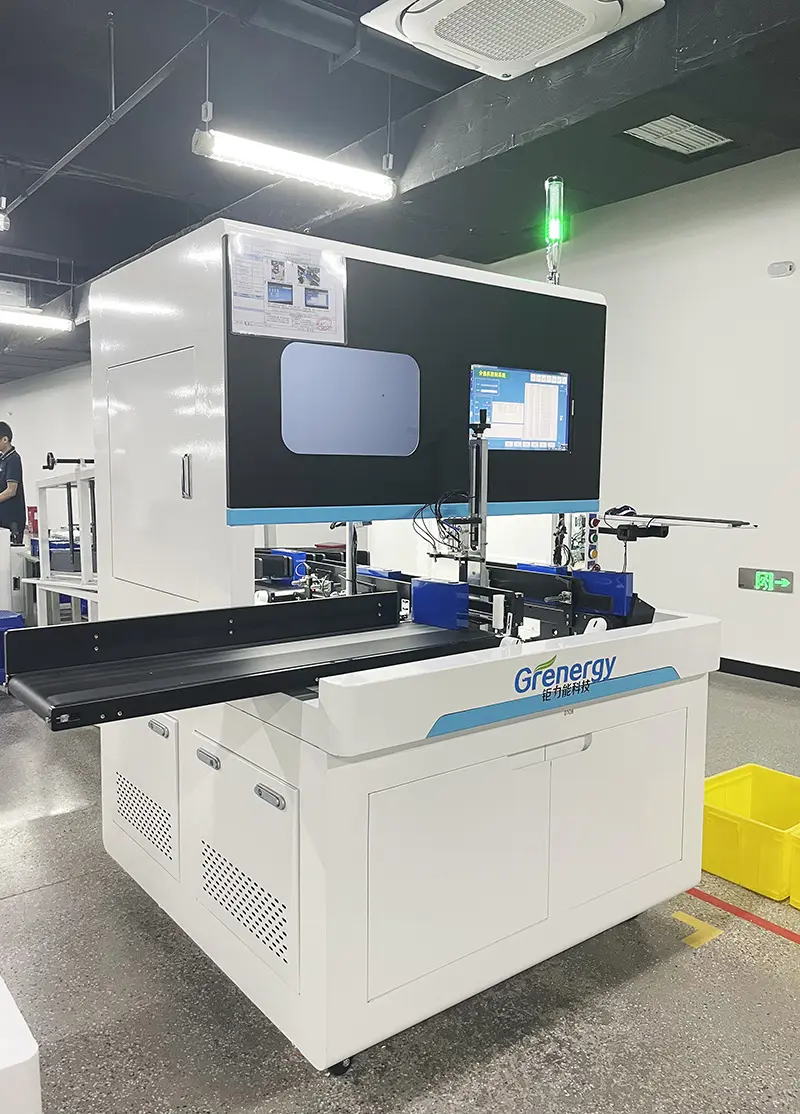
This concentration of manufacturing enables manufacturers like Grenergy to scale production, manage raw material costs, and reduce lead times for custom OEM/ODM solutions. In addition, the integration of automation in assembly lines ensures consistent cell matching—a critical factor for long-term cycle stability and heat dissipation in larger battery arrays. This supply chain ecosystem allows for high-precision customizations, from custom form factors to tailored communication protocols (CANbus, RS485, Modbus) for hybrid inverters.
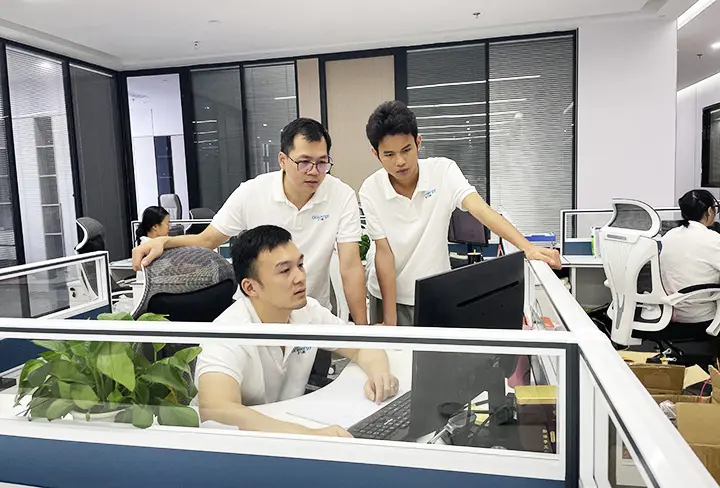
Key technical considerations and evaluation metrics for international utility-scale and commercial buyers.
Global developers require custom voltage systems, specific communication protocols, and unique form factors. Grenergy provides engineering design support to match specialized inverter brands and mechanical layouts.
Navigating different national safety laws requires certified compliance. All export configurations meet UL, CE, FCC, and PSE standards, backed by a $3 million USD product liability policy to mitigate project risk.
B2B buyers evaluate Levelized Cost of Storage (LCOS). Grenergy utilizes high-grade LiFePO4 cells to deliver long cycle lifetimes, minimizing maintenance and replacement costs over the system's operational span.
The global energy landscape is transitioning from centralized fossil fuel generation to decentralized renewable distribution. Key trends driving this shift include:
These advancements require adaptable hardware. Grenergy’s wall-mounted, cabinet, and portable battery stations are built with open communications architectures to integrate with these smart grid technologies.
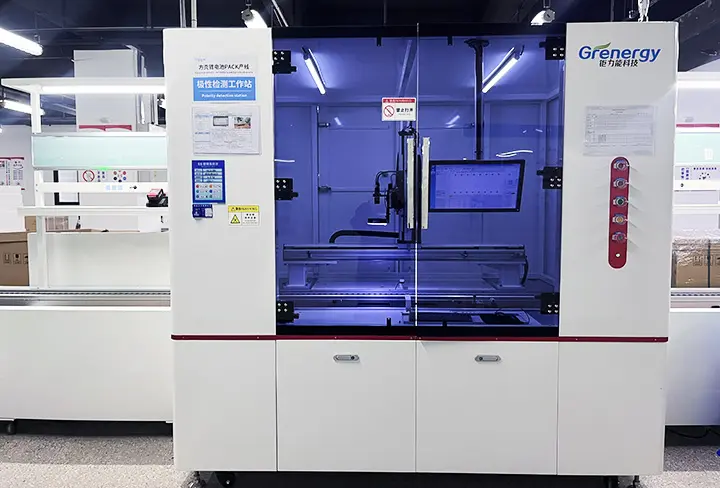
How our battery storage systems operate across diverse environmental and residential layouts.
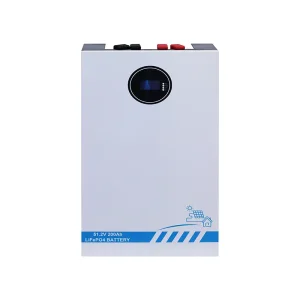
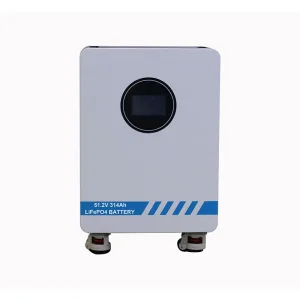
For homes with rooftop solar arrays, systems like the 5.12kWh wall-mounted LiFePO4 battery store daytime solar generation. During peak evening hours or grid outages, the system switches to backup power within milliseconds, maintaining critical appliances and lighting.
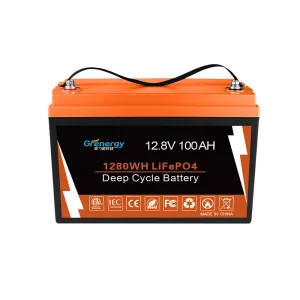
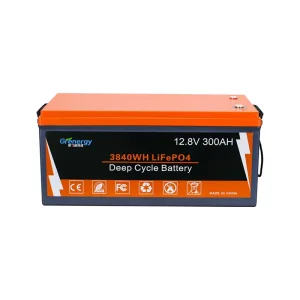
In mobile environments, space-efficient, high-vibration-resistant batteries are essential. The 12.8V 100Ah and 300Ah LiFePO4 batteries replace heavy lead-acid options, offering more usable energy, faster charging, and lighter weight for extended off-grid travel.
Commercial facilities face high demand charges based on peak usage. Utilizing floor-mounted cabinet systems (such as the 51.2V 200Ah ESS), businesses can discharge stored energy during peak periods, lowering utility costs and stabilizing supply.
Ensuring compliance, safety, and logistical transparency across international boundaries.
Deploying commercial and industrial energy storage systems requires navigating varied regional regulations. Our products undergo certifications to meet regional grid codes and safety standards, such as UL1973 for stationary battery systems, CE-EMC/LVD for Europe, and UN38.3 for dangerous goods shipping safety.
To support our installers and distributors, Grenergy offers comprehensive documentation, including detailed electrical schematics, thermal dissipation specs, and communication protocol guides. Additionally, our global shipping networks ensure that all dangerous goods classification rules are met, reducing customs hold-ups and delivering systems safely to project sites.
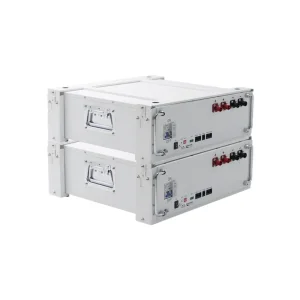
Explore our heavy-duty rack-mounted systems, high-capacity floor cabinets, and mobile utility-vehicle power configurations.
In-depth technical answers regarding energy storage system layout, lifetime performance, and installation safety.
 Grenergy