In the global quest for reliable energy storage, engineers and procurement specialists are repeatedly faced with the critical choice: Gel Battery vs. Lithium Battery technologies. As a premier original equipment manufacturer (OEM) and custom solution provider, we analyze this decision from the lens of chemistry, longevity, operational efficiency, and total cost of ownership (TCO).
Traditionally, Gel batteries (a specialized subcategory of Valve-Regulated Lead-Acid, or VRLA) have served as the backbone of standby power applications. However, the commercial advancement of Lithium Iron Phosphate (LiFePO4) chemistry has fundamentally altered the economics and performance standards of modern energy deployment. This paper examines the technical trade-offs, market dynamics, and global deployment realities of these key technologies.

To make an informed engineering decision, developers must evaluate deep-cycle specifications side-by-side. The table below represents standardized performance criteria gathered from active laboratory evaluations and commercial installations.
| Performance Parameter | Gel (VRLA Lead-Acid) Technology | Lithium (LiFePO4) Technology | Engineering Significance |
|---|---|---|---|
| Cycle Life (80% DoD) | 500 - 1,000 Cycles | 4,000 - 6,000+ Cycles | Direct impact on system lifetime and amortization. |
| Usable Depth of Discharge (DoD) | 50% recommended (max 60%) | 90% - 100% usable capacity | Lithium requires less raw capacity for the same workload. |
| Energy Density (Wh/kg) | 30 - 45 Wh/kg | 120 - 160 Wh/kg | Critical for mobile, RV, and weight-constrained facilities. |
| Round-Trip Efficiency | 75% - 80% | 95% - 98% | Minimizes energy loss during solar charging and discharge. |
| Charge Rate (C-Rating) | 0.1C - 0.2C (Slow Charge required) | 0.5C - 1.0C (Fast Charge capable) | Lithium charges up to 5x faster, crucial for peak demand. |
| Thermal Range Stability | -15°C to 45°C (Degrades in heat) | -20°C to 60°C (Requires BMS heater below 0°C) | Defines geographic applicability and HVAC costs. |
| BMS Integration | None (Passive maintenance-free) | Active smart BMS protection | Lithium provides real-time state of health/charge diagnostics. |
| Initial Capital Cost (CAPEX) | Low Upfront | Moderate to High Upfront | Bridges the barrier for entry but increases long-term cost. |
As the world transitions toward carbon neutrality, industrial and residential energy storage systems are scaling at unprecedented levels. The global supply chain is increasingly consolidating toward high-capacity lithium-based solutions, driven by several key factors:
Grid operators worldwide are incentivizing battery systems with rapid discharge/charge response capabilities. Lithium's superior charge acceptance enables dynamic grid stabilization, whereas Gel units struggle to dissipate heat during quick transitions.
Lead-acid chemistries present environmental recycling hazards and toxicity challenges. ESG-compliant corporations are setting clear directives to replace toxic heavy metal systems with greener, recyclable LFP cell configurations.
Modern installations demand real-time diagnostics, remote state of charge (SoC) tracking, and balancing. Integrated BMS boards in lithium configurations provide data pipelines directly to cloud management platforms.
Procurement directors and B2B buyers must evaluate manufacturers based on strict operational metrics rather than nominal battery prices. When acquiring custom lithium storage or high-grade replacement systems, the decision-making framework should incorporate the following criteria:
While a Gel battery system may cost up to 50% less during initial purchase (CAPEX), its operational lifespan is heavily restricted. When calculating amortization over a typical 10-year facility lifespan, Gel systems must be replaced 3 to 4 times. Lithium systems, conversely, routinely exceed 10 years of maintenance-free service.
Lithium solutions feature roughly triple the volumetric energy density of Gel counterparts. For applications such as RVs, marine operations, and telecom cell tower shelters, reducing weight and optimizing structural footprints reduces shipping overhead and real estate expenses.
If your backup equipment requires high power delivery in brief bursts (e.g., peak demand shaving, motor startup loads), Lithium batteries comfortably support continuous 1C or even 2C discharge rates. Gel batteries subjected to such loads suffer extreme voltage drops and localized cell degradation.
Determining whether to specify Gel or Lithium depends entirely on localized ambient conditions, operational cycling frequency, and the maintenance logistics of the deployment region.
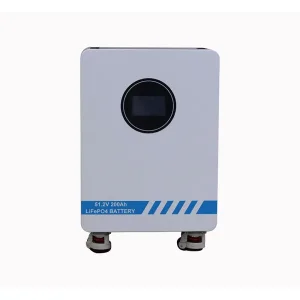
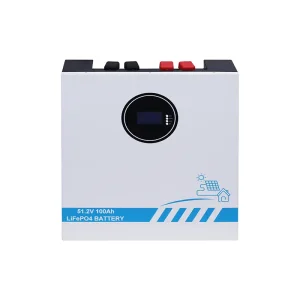
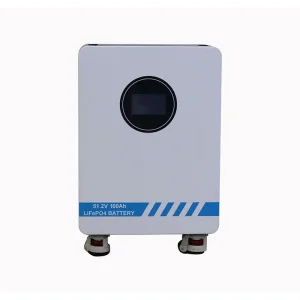
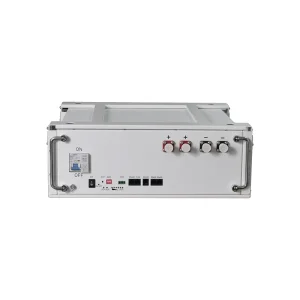
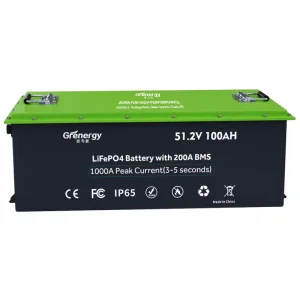
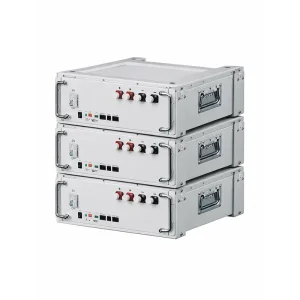
Historically, Gel batteries dominated remote tower sites due to their tolerance of cold and lack of maintenance. Today, high-capacity rack-mounted Lithium batteries with built-in warming elements (e.g., 51.2V 100Ah/200Ah configurations) have replaced Gel. This change is driven by the demand for fast recharge capabilities and remote SNMP monitoring.
For solar energy storage systems (ESS), the goal is high round-trip efficiency and cyclic lifespan. Home wall-mounted energy storage units demand high DoD (up to 95%). Using Gel batteries in home solar systems means regular deep cycling, which leads to sudden system degradation within 2 to 3 years.
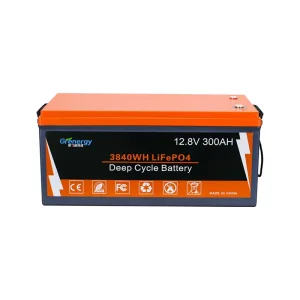
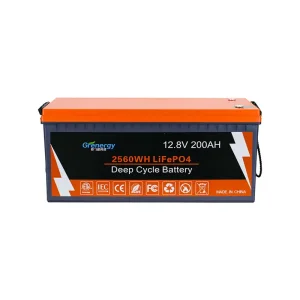
Weight is the critical engineering constraint for marine, RV, and golf cart systems. Upgrading to LiFePO4 chemistry (such as 12.8V 300Ah RV or 51.2V 100Ah Golf Cart batteries) reduces weight by 60%, increases top speeds, minimizes chassis wear, and offers fast-charge turnaround.
Established in 2010, Shenzhen Grenergy Technology Co., Ltd. is a premier national high-tech enterprise specializing in the research, development, and manufacturing of advanced lithium batteries, energy storage systems, power batteries, intelligent battery management systems (BMS), and all-in-one solutions. With a strong commitment to technological innovation, Grenergy has become a leading provider of sustainable energy solutions for various applications worldwide.
Over the course of 14 years of development, Grenergy has focused on building sustainable energy solutions to meet the growing demand for efficient, reliable, and eco-friendly power systems. We provide customizable lithium solutions to replace legacy lead-acid and gel batteries across commercial, industrial, and consumer markets.
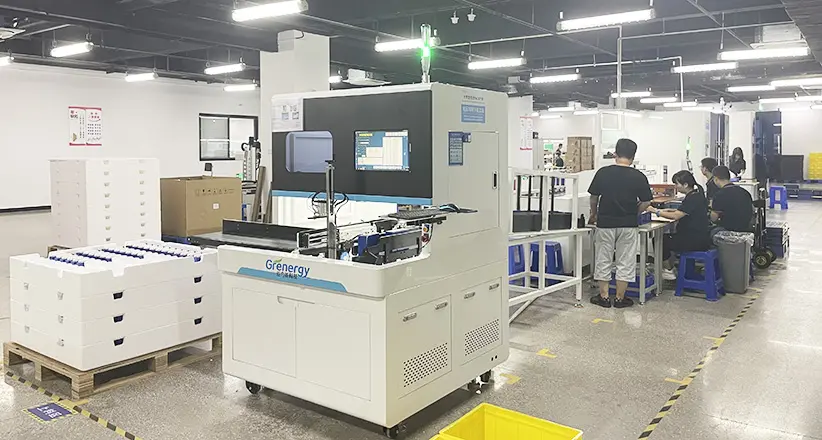
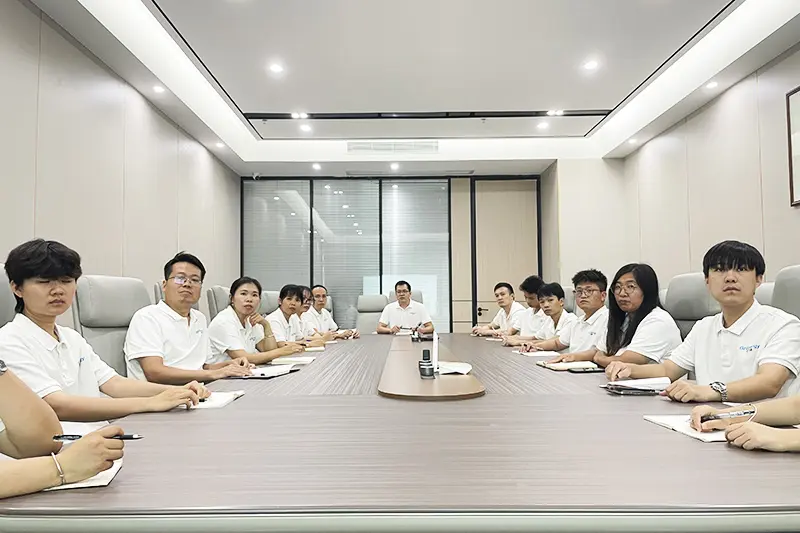
Grenergy’s manufacturing systems are optimized for full OEM and ODM custom solutions, enabling us to adapt battery dimensions, capacity ratings, communication interfaces, and enclosure aesthetics to specific project requirements.
Our manufacturing operations strictly adhere to international quality, environmental management, and safety parameters. We hold certifications including ISO9001, ISO14001, ISO45001, UL, CE, FCC, PSE, and UN38.3.
To provide maximum risk mitigation for global engineering firms, B2B procurement partners, and utility operations, Grenergy secures a third-party product liability insurance policy valued at $3 million USD for all products. This insurance policy underwrites our long-term commitment to safety and manufacturing reliability.
From the beginning, Grenergy’s mission has been to empower the world with cutting-edge energy storage solutions. We believe in a future where renewable energy is the primary power source, and our products are designed to make this future a reality. Through decades of research and development, we’ve become a trusted name in the energy storage sector, helping companies transition to more efficient, sustainable energy practices.
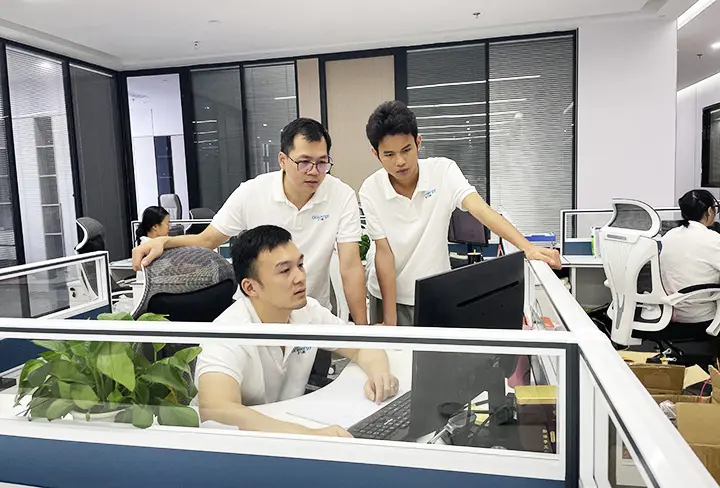
We are proud to have partnered with some of the world’s leading organizations and technology providers. These collaborations help us bring the latest advancements in energy storage and management systems to market, providing our clients with the most efficient and innovative solutions available.
Our clients trust us to provide safe, high-performance energy storage systems that meet their needs. With global customers from various industries, including renewable energy, manufacturing, and transportation, we have built a reputation for delivering reliable, top-quality products.
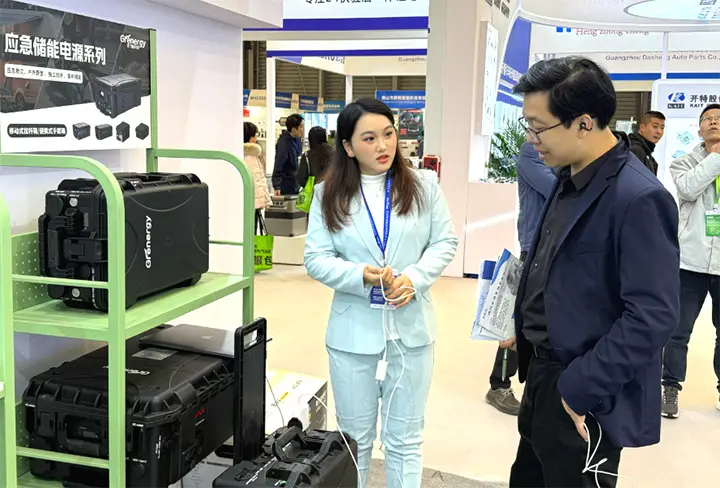
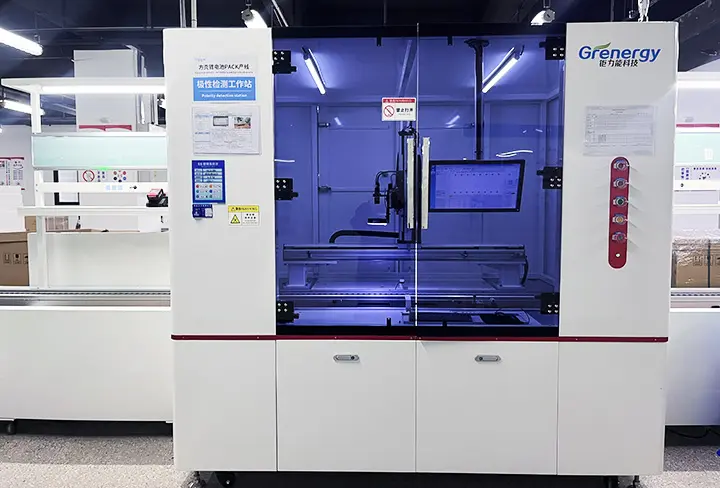
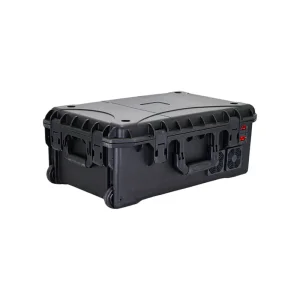
With nearly 10,000 square meters of production space and a team of 200 highly skilled professionals, we are equipped to deliver high-quality products at scale. Our portfolio features a wide array of options, including lead-acid replacement lithium packs, home wall-mounted storage options, portable power setups, mobile systems, trolley solutions, and rack-mounted industrial options.
By keeping manufacturing control in-house and building custom BMS boards, we guarantee that all lithium systems safely replace older lead-acid gel setups. This ensures they operate reliably across different temperatures and grid structures.
As the electrochemical storage landscape evolves, Grenergy continues to invest in next-generation R&D. Over the next five years, our engineering focus is directed toward three main technological pillars:
To address potential lithium raw material constraints and extreme low-temperature performance limits (-40°C), we are developing sodium-ion cell configurations. This chemistry bridges the gap between Gel's cost structures and Lithium's cycle life.
Our future BMS systems will feature built-in cloud diagnostics and predictive modeling. By measuring cell internal resistance and heat spikes in real time, the system can predict performance issues before they happen, maximizing battery life.
Grenergy is establishing partnerships with global lithium recycling centers to implement zero-waste programs. Our goal is to extract copper, aluminum, iron, and lithium from retired battery packs to reuse them in future production lines.
Explore clear, engineering-focused answers to common questions about Gel and Lithium battery technologies:
 Grenergy