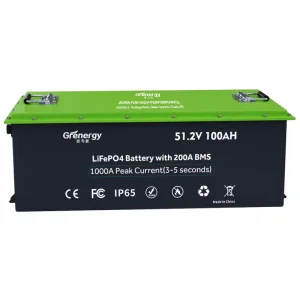
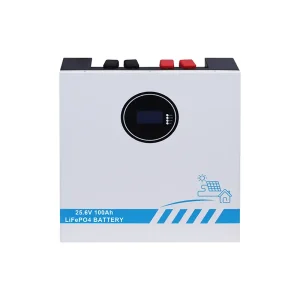
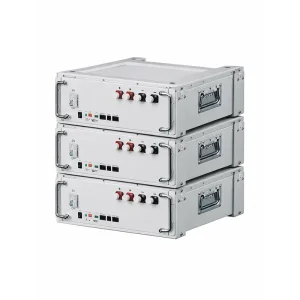
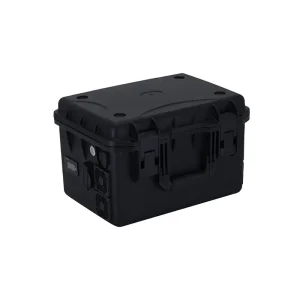
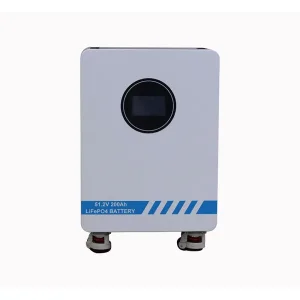
Explore our state-of-the-art LiFePO4 and Lithium Ion systems designed for home backup, outdoor expeditions, and industrial integration.
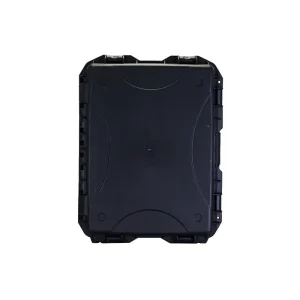
In the modern era of electrification, weight is the ultimate adversary of efficiency. From recreational utility vehicles to complex industrial energy storage systems (ESS), the demand for high specific energy density (Wh/kg) has pushed traditional lead-acid systems out of the market. High-quality lightweight lithium-ion batteries represent the pinnacle of electrochemical engineering, utilizing advanced lithium iron phosphate (LiFePO₄) and ternary chemistries to deliver maximum power while reducing hardware volume by up to 60%.
Optimizing battery systems for weight is not merely about using lighter raw materials; it involves holistic design principles. Engineers must optimize cell geometry, minimize passive mass within cell casings and busbars, and employ high-precision Battery Management Systems (BMS) to ensure thermal limits are never breached under high discharge demands. This whitepaper analyzes the core paradigms driving lightweight lithium battery design, the strategic production advantages of Chinese manufacturing nodes, and Grenergy's decade-long legacy in supporting international OEM/ODM projects.

Established
Production Space
Highly Skilled Professionals
Product Liability Insurance
Shenzhen Grenergy Technology Co., Ltd. is a national high-tech enterprise specializing in R&D and manufacturing lithium batteries, energy storage systems, and all-in-one green energy solutions.
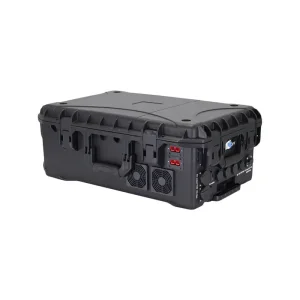
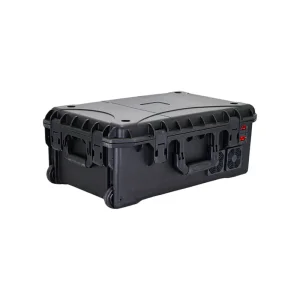
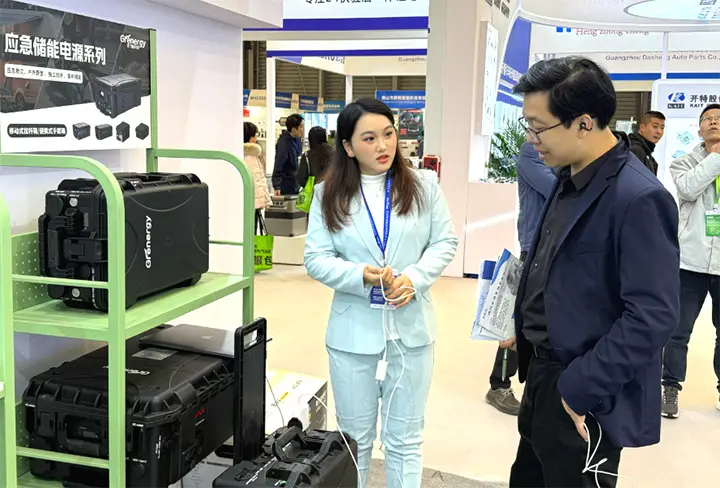
Since our inception in 2010, Grenergy has focused on the development of sustainable energy solutions to meet the growing demand for efficient, reliable, and eco-friendly power systems. Over more than 14 years, we have developed a diverse product portfolio, including lead-acid replacement lithium batteries, wall-mounted power walls, portable power stations, mobile home energy storage systems, trolley box portable power stations, and custom vehicle solutions.
Our brand story is built on customer-centric design and technological reliability. We believe that transitioning to sustainable energy must not compromise operational performance. Thus, our R&D is geared towards minimizing weight while maximizing structural longevity and safety, using Grade-A lithium cells coupled with advanced BMS technologies.
Operating in international markets requires compliance with rigorous electrical and transport standards. Grenergy's facility and products strictly adhere to the highest global benchmarks. We are ISO9001, ISO14001, and ISO45001 certified. Our lithium battery configurations carry complete clearances including UL, CE, FCC, PSE, and UN38.3 certifications, guaranteeing safe sea and air shipping logistics.
To protect our clients' capital investments, Grenergy secures a $3 Million USD third-party product liability insurance coverage. This solidifies our stance as a reliable and trustworthy partner for international Tier-1 systems integrators and enterprise buyers.
How Grenergy evolved from a local Shenzhen cell packer into a world-class OEM/ODM lithium battery manufacturer.
Established in Shenzhen, focusing on basic lithium-ion cell chemistry, raw material sorting, and safety protection board configurations.
Pioneered custom lithium packs for electric vehicles and golf carts. Shifted focus toward modular, lightweight design frameworks.
Achieved full UL and CE certifications, establishing long-term supply networks in North America, Western Europe, and Japan.
Released our proprietary AI-managed Smart BMS with remote cellular monitoring, offering high safety indexes and extended system longevity.
Why sourcing your energy storage solutions from leading Chinese manufacturers is crucial for maintaining cost efficiency and technological parity.
China commands over 75% of the world’s lithium refining, cathode preparation, and component manufacturing infrastructure. This geographical localization minimizes raw material logistics fees and ensures constant component availability.
Shenzhen's industrial clusters enable us to design, prototype, mold, test, and certify custom casings and BMS boards within weeks instead of months, offering unparalleled agility for global enterprise projects.
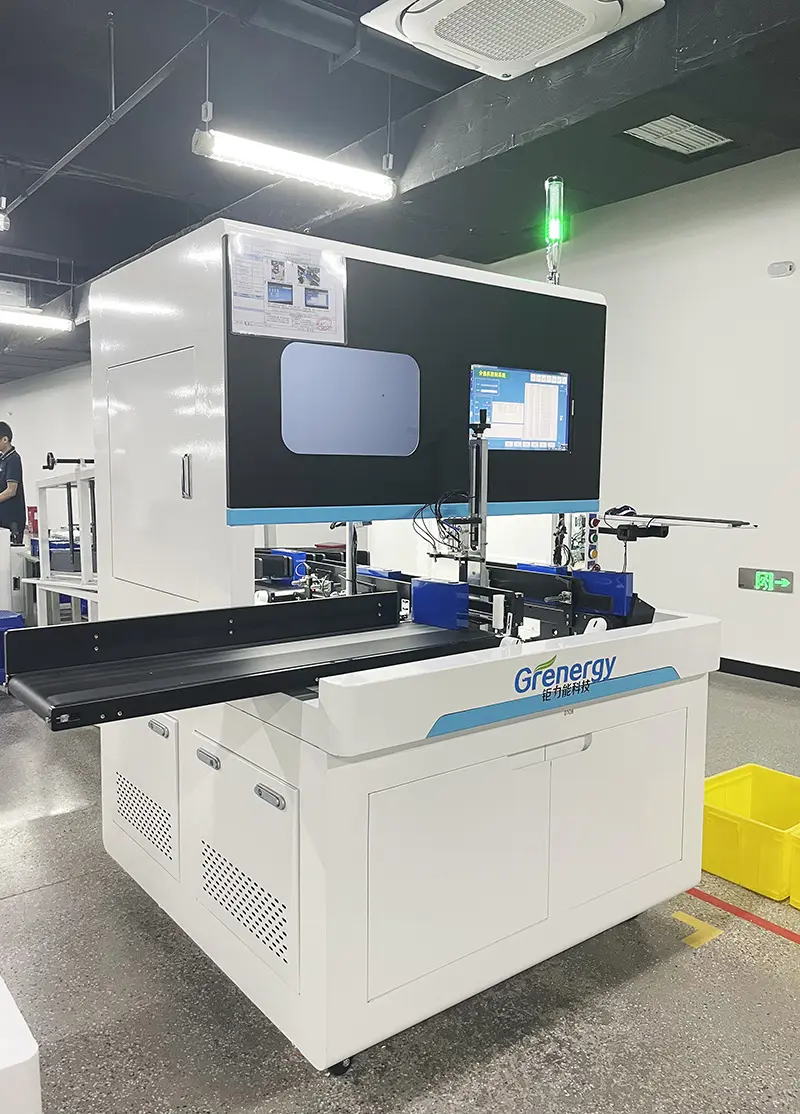
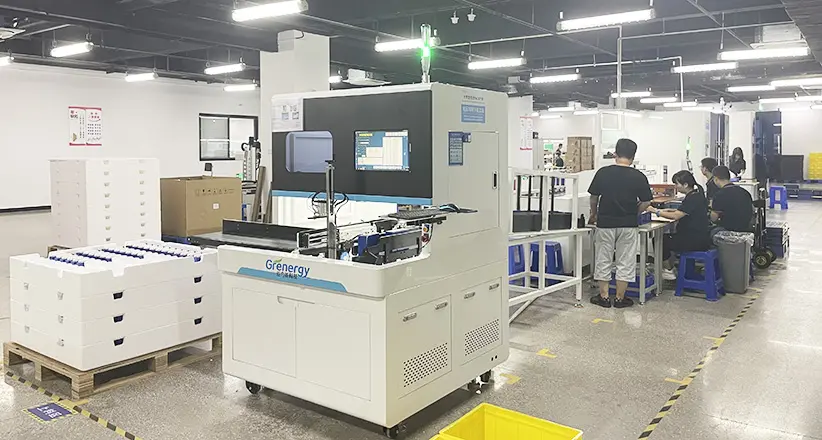
Automated battery cell sorting and high-precision laser welding lines allow Grenergy to scale up production while minimizing labor costs, sharing the economic margins directly with our clients.
Analyzing trends and innovations changing the landscape of commercial power storage systems.
Traditional lithium battery cells relied on heavy cobalt and manganese compounds. The shift to nanostructured lithium iron phosphate (LiFePO₄) provides high thermal stability and an outstanding lifecycle (up to 6000 cycles at 80% Depth of Discharge). For applications requiring even lower weight, our R&D team continues to optimize Silicon-carbon composite anodes. This technology promises to double the energy density compared to traditional graphite, reducing casing weight while preserving electrical throughput.
As packs become more compact, heat dissipation challenges intensify. The implementation of smart microprocessors in our Battery Management Systems allows real-time diagnostics of individual cell parameters. Using active-balancing algorithms, our BMS transfers energy from high-voltage cells to low-voltage cells during the charging cycle. This prevents thermal hot spots, avoids premature degradation, and guarantees safety without relying on heavy internal heatsinks.
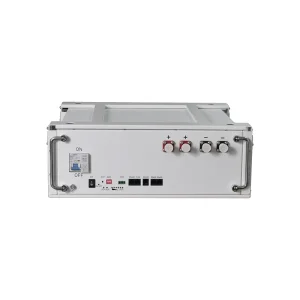
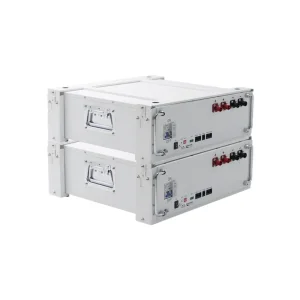
By bypassing individual module frameworks and integrating cells directly into the final battery pack case, our structural engineers eliminate unnecessary plastic and structural metal braces. This "Cell-to-Pack" (C2P) method reduces the footprint of rack-mounted systems by 25% and overall weight by 18%, allowing installations to support higher energy capacities in areas with limited load-bearing capacity.
Sustainability is at the core of Grenergy's corporate identity. In our manufacturing facility, we implement solvent recycling systems during cathode slurry preparation. We design battery packs to be easily disassembled at the end of their service lives. This ensures structural metals, copper busbars, and cell materials can be efficiently reclaimed and repurposed, supporting circular economic models.
How lightweight lithium-ion systems are solving real-world challenges across diverse sectors worldwide.
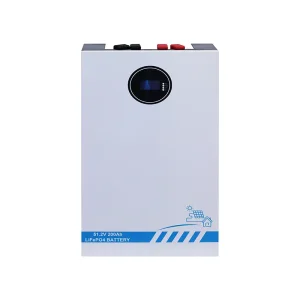
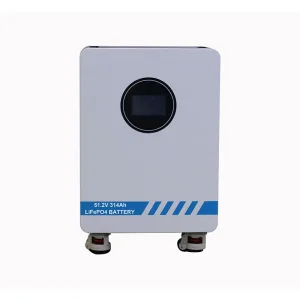
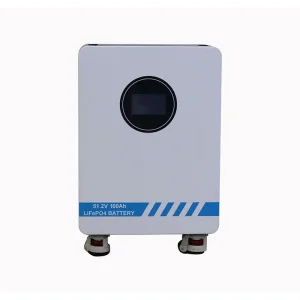
Homeowners in grid-unstable regions rely on space-saving energy systems. Wall-mounted power systems (such as our 200Ah wall batteries) pack massive capacities into sleek profiles. These can be easily installed on load-bearing walls without occupying valuable living space.
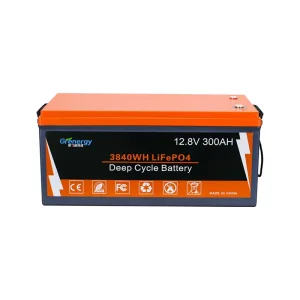
For mobile lifestyles, every kilogram of deadweight translates into higher fuel consumption. Our high-capacity 12.8V 300Ah RV LiFePO₄ batteries replace heavy lead-acid banks. They cut physical weight in half while doubling usable amp-hours, powering critical systems and appliances for longer off-grid stays.
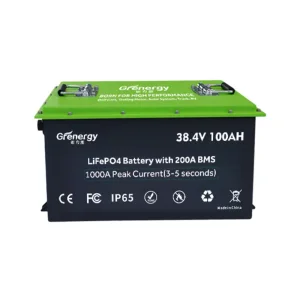
Fleet operators require quick acceleration, short charging turnarounds, and minimal deck strain. Our specialized 51.2V and 76.8V golf cart lithium battery packs offer high C-rates and support opportunity charging, reducing maintenance needs for municipal golf courses and industrial resorts.
We collaborate with international engineering teams, renewable energy project planners, and consumer electronics brands. These alliances allow Grenergy to continuously refine our production methods. We adapt our systems to various climatic challenges, from extreme cold-weather operations in northern Scandinavia to high-temperature desert microgrids in Australia.
"Transitioning our industrial off-grid solar kits to Grenergy's rack-mounted lithium storage systems was a major turning point. Our assembly times dropped by 35% because of their plug-and-play connections, and field service calls have dropped to near zero."
— Lead Integration Architect, European Solar Solutions Group
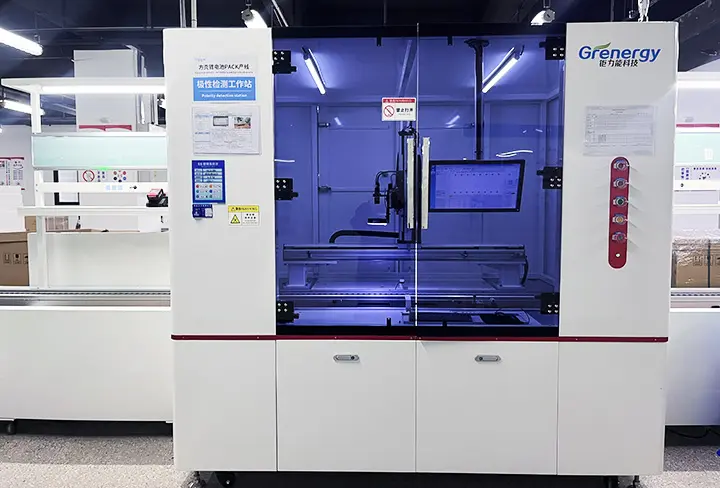
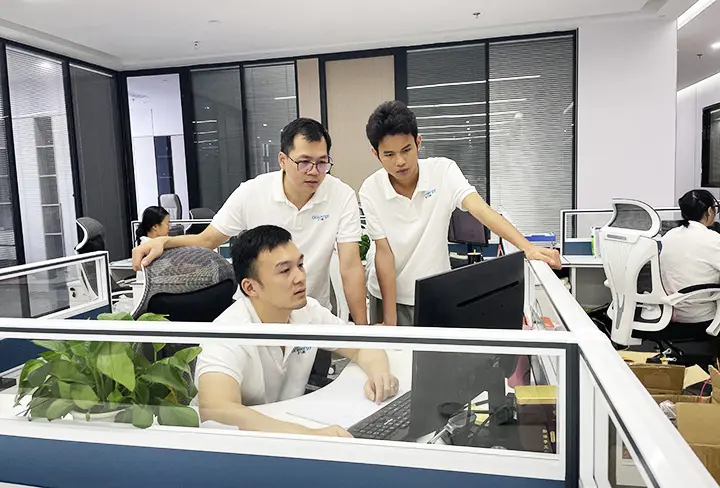
For commercial buyers, standard shelf-stable solutions can struggle to meet complex mechanical and electrical specifications. Our engineering department specializes in customizing high-voltage battery cabinets, specialized communication protocols (CANbus, RS485, Modbus), and custom-shaped chassis.
Our engineering support follows a rigorous workflow:
Key considerations for procurement directors, procurement managers, and systems integrators before signing long-term contract agreements.
Always verify that your supplier uses Grade-A cells from reputable suppliers. Lower-tier, B-grade cells exhibit rapid capacity fade, unstable internal resistance values, and higher rates of thermal failure under load.
An basic BMS may only protect against short-circuit events. Choose systems equipped with smart microprocessors that monitor cell temperatures, balance cell groups, and provide diagnostic data interfaces.
Ensure that UN38.3 test reports are available for both the cell modules and complete battery packs. This compliance is essential to meet international shipping guidelines and secure cargo logistics approvals.
Expert answers to common engineering and sourcing questions about lightweight lithium-ion batteries.
High-performance energy systems engineered for golf carts, emergency power backup, and system integrations.
 Grenergy