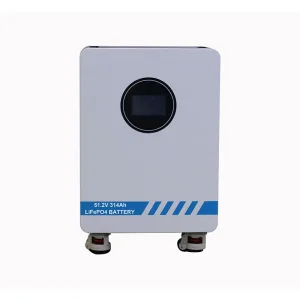
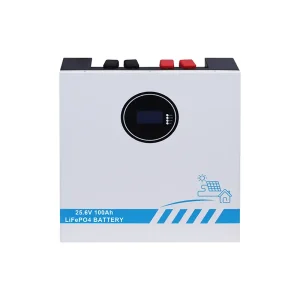
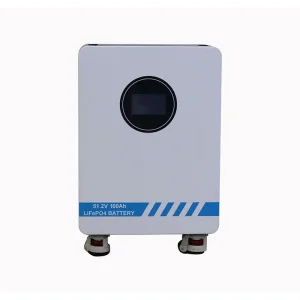
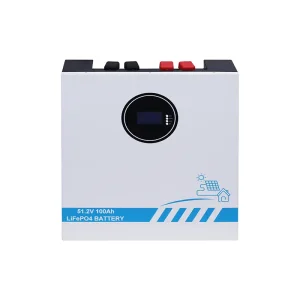
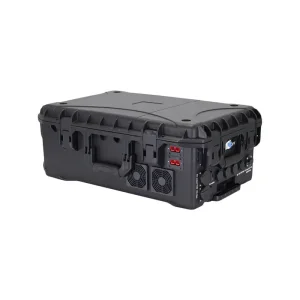
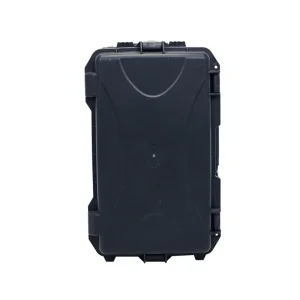
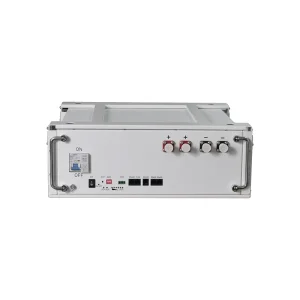
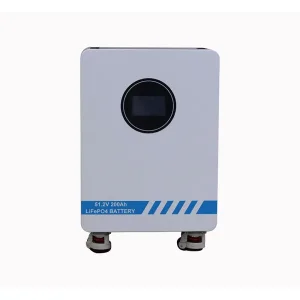
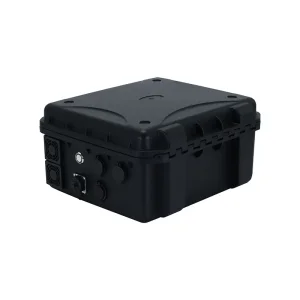
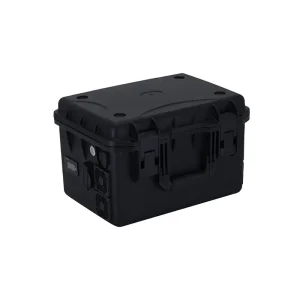
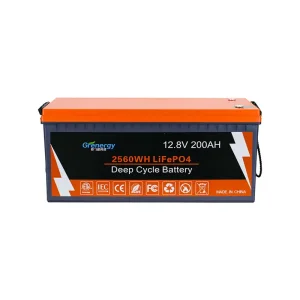
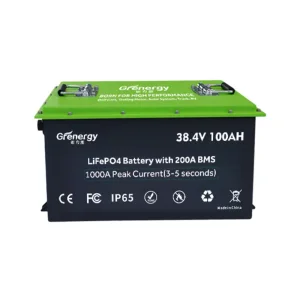
Premium grade floor-mounted, wall-mounted, and rack-integrated lithium battery assemblies designed for structural grid security and critical backup resilience.
Established in 2010, Shenzhen Grenergy Technology Co., Ltd. is an industry-leading, high-tech B2B enterprise specializing in the R&D, engineering, and precision manufacturing of high-capacity lithium batteries, unified energy storage systems (ESS), advanced battery management systems (BMS), and all-in-one scalable power configurations.
With more than a decade of active R&D iteration, our structural designs bridge the gap between volatile primary power generation and robust, clean consumption. We serve key infrastructure sectors, enabling telecommunication hubs, large-scale industrial complexes, off-grid expeditions, and residential communities to secure autonomous energy supplies with unmatched efficiency.

Unlocking unparalleled production dynamics, component traceability, and cost efficiency through strategic geographical positioning in Shenzhen.
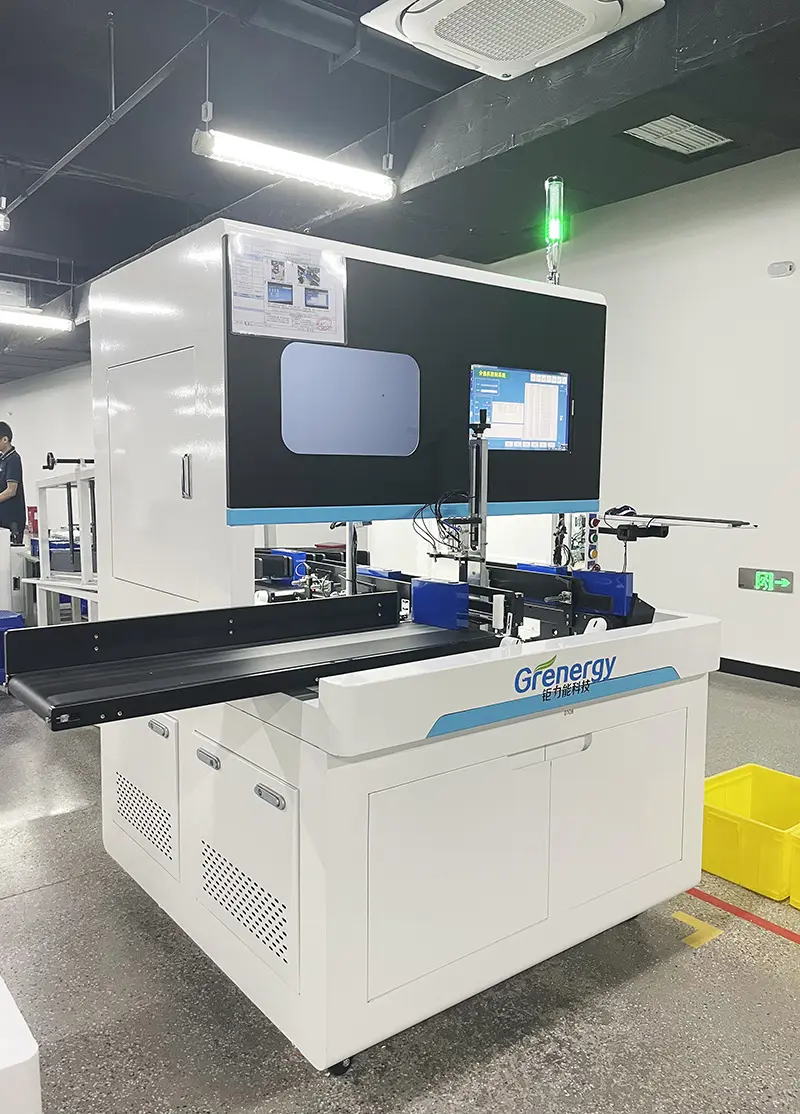
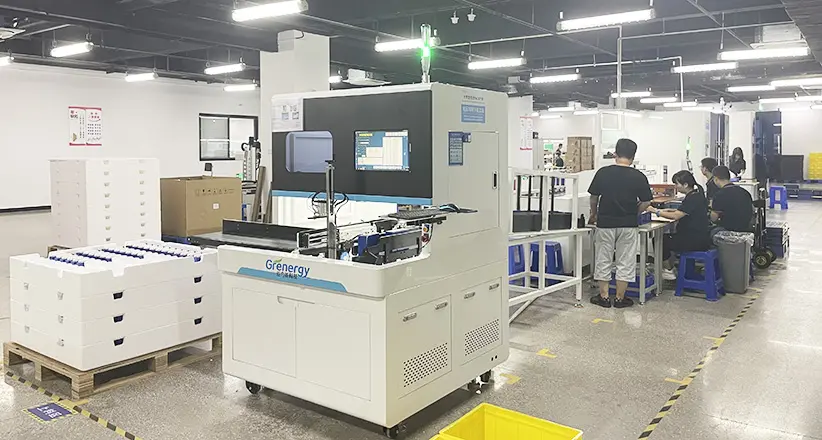
By leveraging the highly mature industrial cluster of Shenzhen, Grenergy controls every aspect of the upstream and downstream supply network. From direct sourcing of high-purity lithium carbonate to in-house PCB layout design, cell sorting, sheet metal fabrication, and final performance burn-in testing, our process ensures zero bottlenecks.
With nearly 10,000 square meters of production space equipped with automated cell grading and laser welding technology, we efficiently scale production to handle high-volume B2B orders with consistent lead times.
Direct integration with grade-A cell manufacturers allows us to deploy cells with optimal energy density, maintaining structural integrity across thousands of charge cycles.
A deep dive into our hardware chemistry selection, active-balancing BMS firmware, and high-efficiency inverter topography.
Lithium Iron Phosphate (LFP) offers an intrinsically safe chemical structure. It mitigates thermal runaway risk, operates across wide temperature bounds (-20°C to +60°C), and delivers up to 6000 deep discharge cycles.
Our proprietarily coded BMS ensures real-time voltage balancing across parallel cell blocks. With high-accuracy SoC/SoH algorithms, the system protects against over-current, short circuits, and thermal variance.
Integrating industrial-grade, heavy-duty pure sine wave inverters allows our portable and stationary power stations to power sensitive electronics and heavy tools with clean AC wave outputs.
The energy storage sector is entering a multi-dimensional evolution. Our technical roadmap focuses heavily on integrated smart IoT capabilities, enabling our energy storage solutions to dynamically communicate with smart city microgrids and municipal virtual power plants (VPPs).
At the cell level, we are actively conducting testing on semi-solid-state chemistries to achieve a 30% increase in volumetric energy density while maintaining LFP's high safety margins. This advance will significantly reduce the size of floor-mounted home installations and compact commercial systems.
Designed for versatility, our custom configurations meet the distinct operational realities and regulatory requirements of regional markets worldwide.
High electricity tariffs and frequent grid failures have driven the demand for home battery systems. Our floor-mounted and wall-mounted battery units store solar energy during peak production hours, discharging it during high-rate periods to lower utility bills and provide automatic backup power.
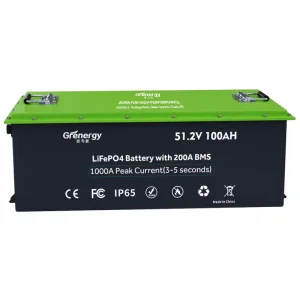
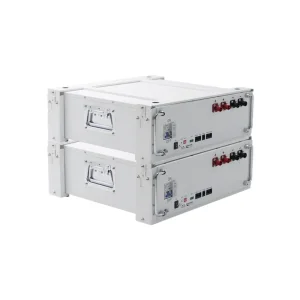
Off-grid telecom infrastructure requires continuous uptime under extreme conditions. Our 51.2V rack-mounted cabinets provide reliable energy storage that integrates with hybrid solar-diesel setups, reducing diesel fuel consumption and operational costs.
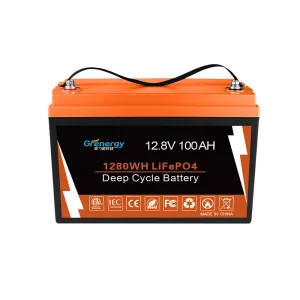
Our 12.8V and 25.6V high-capacity deep-cycle batteries fit standard camper and marine compartments, handling high vibration and shock loads to power complex RV electronics and off-grid mobile equipment.
The international energy storage landscape is transitioning from emergency backup to active economic grid interaction. Global commercial and industrial facilities use lithium power stations for peak shaving, demand response programs, and EV charging station grid buffering.
By using advanced battery management systems (BMS) with built-in communications, businesses can monitor real-time discharge, optimize battery lifetime, and reduce demand charge penalties. Grenergy supports global OEMs and system integrators with standard rack cabinets that scale from 10kWh to 1MWh containerized systems.
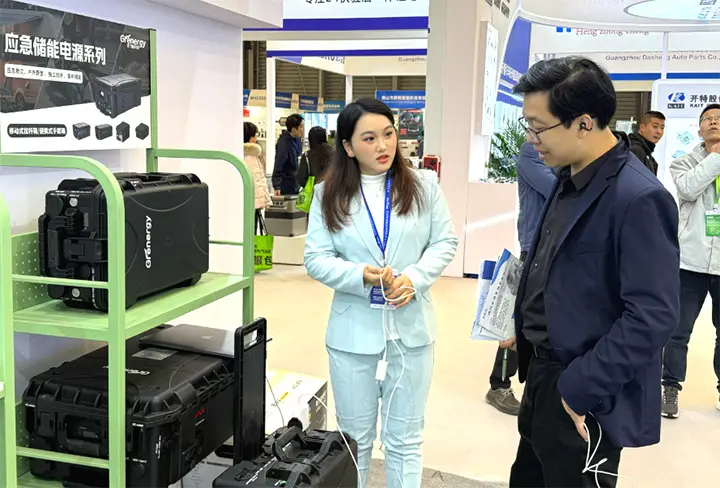
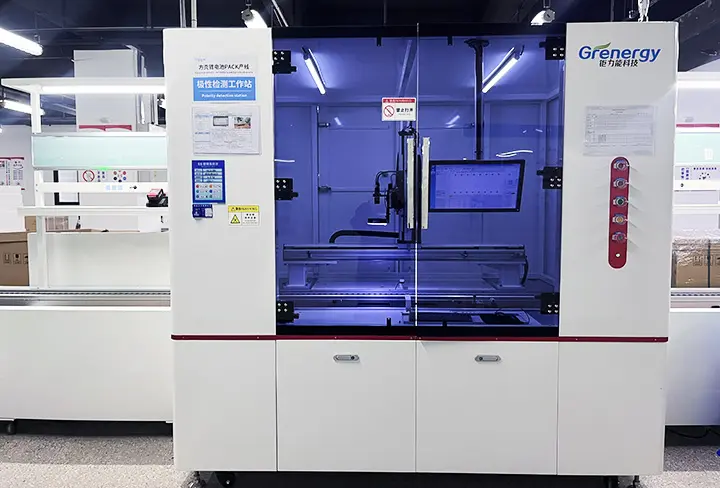
For global procurement officers and system integrators, compliance is critical. We design and manufacture our products to meet strict international standards, ensuring smooth customs clearance and local utility grid approvals.
To protect our partners and clients, all Grenergy products are backed by a $3 Million USD Product Liability Insurance policy. This coverage, combined with certifications like ISO 9001 and UL, provides long-term operational security for B2B system deployment.
We work with technology providers and project developers to design custom battery enclosures, modify voltage ranges, and integrate custom communication protocols for seamless system installation.
Technical answers to key integration, compliance, and shipping questions for global procurement managers.
LiFePO4 (Lithium Iron Phosphate) features an olivine crystal structure with strong P-O covalent bonds, which prevents oxygen release at elevated temperatures. This structure provides thermal runaway stability up to 600°C, compared to 200°C for NMC (Nickel Manganese Cobalt). Additionally, LiFePO4 batteries offer a longer lifecycle, delivering 4,000 to 6,000 cycles at 80% Depth of Discharge (DoD), whereas NMC batteries typically provide 1,000 to 2,000 cycles. While NMC has a higher gravimetric energy density, LiFePO4 is the preferred choice for stationary and industrial energy storage systems due to its superior safety and cycle life.
The Battery Management System (BMS) monitors cell voltages, currents, and temperatures. When cells drift out of balance, the BMS active-balancing circuitry transfers energy from higher-charged cells to lower-charged ones, maximizing usable capacity. It also protects against over-voltage, under-voltage, over-current, and short circuits, preventing thermal strain and extending the battery's operational life.
Yes, our battery systems communicate with major hybrid inverter brands using RS485, CANbus, and Modbus protocols. Our BMS firmware is pre-configured to handshake with widely used commercial and residential inverters, enabling real-time communication of battery state of charge (SoC), voltage, and current to ensure stable charge control.
International shipping requires UN38.3 certification, which includes thermal, vibration, shock, and external short-circuit testing to verify safe transport. For grid connection and safety, EU markets require CE-LVD and CE-EMC compliance, North American installations require UL 1973 (for stationary battery packs) and UL 9540A (to evaluate thermal runaway fire propagation), and Japan requires PSE certification. Grenergy maintains compliance with these major regulatory standards.
This insurance provides financial protection for distributors, project developers, and system integrators in the rare event of property damage or system issues caused by manufacturing defects. It reduces risk for B2B buyers, helps secure project financing, and simplifies local permitting and regulatory approvals.
Explore our specialized portfolio of mobile power stations, deep-cycle RV batteries, and utility vehicle batteries built for high-demand operations.
 Grenergy