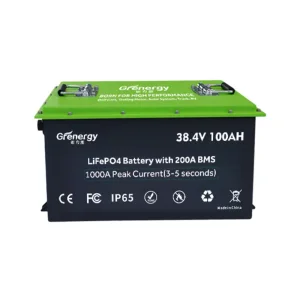
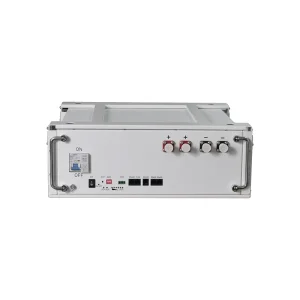
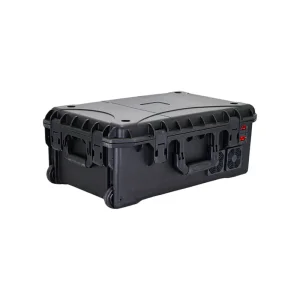
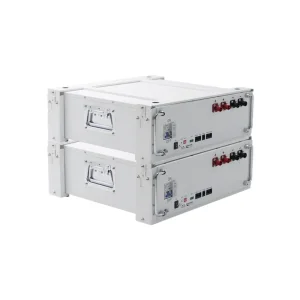
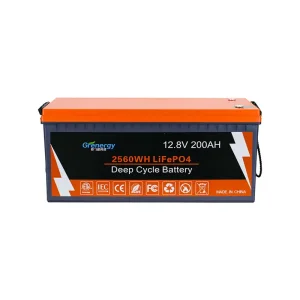
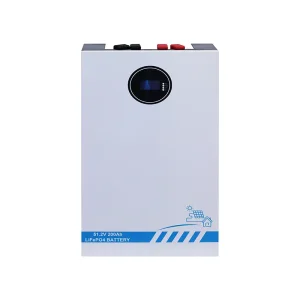
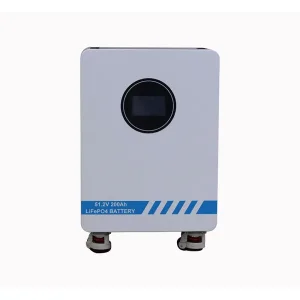
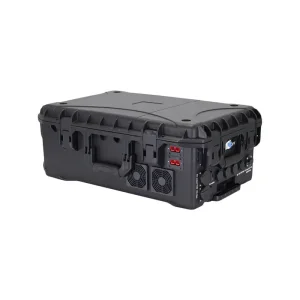
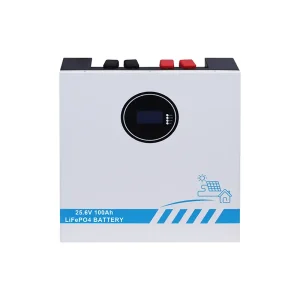
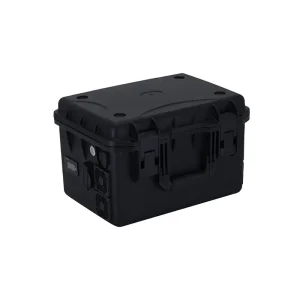
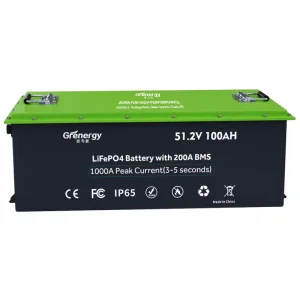
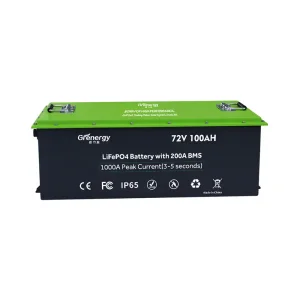
Premium OEM/ODM battery configurations optimized for deep-cycle reliability, utility, and heavy-duty environments.
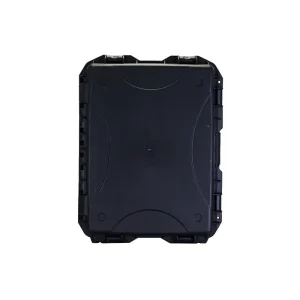
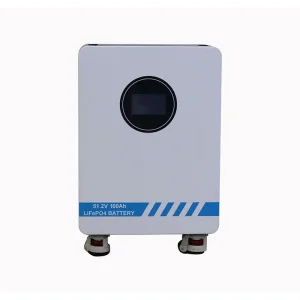
An in-depth exploration of structural differences, mechanical characteristics, and core physics governing both chemistries.
In the rapidly evolving domain of industrial and commercial power storage, choosing the optimal energy storage technology represents a major strategic decision. While lead-acid variants like gelled electrolyte Valve-Regulated Lead-Acid (VRLA) batteries have historically served as the cornerstone of industrial power networks, modern Lithium Iron Phosphate (LiFePO₄) and other lithium chemistries have redefined operational baselines.
To understand their comparative advantages, one must look at their core electrochemical mechanisms. A Gel Battery utilizes a silica (silicon dioxide) additive to convert conventional sulfuric acid into a thick, immobile gel-like mass. This process prevents liquid electrolyte leakage and mitigates acid stratification, making Gel batteries highly resilient in float applications. In contrast, Lithium batteries, specifically LiFePO₄, rely on the intercalation of lithium ions between a graphite anode and a metal oxide cathode. This eliminates structural transformation during charge cycles, leading to greater energy density and minimal degradation.
Furthermore, Gel battery architecture remains subject to Peukert's Law: their usable capacity drops significantly as discharge rates increase. Lithium batteries, conversely, exhibit an extremely flat discharge curve. They deliver consistent voltage and stable output power even under heavy loads, right down to their full depth of discharge.
Standard Lithium (LiFePO₄) chemistries routinely deliver between 4,000 to 6,000 deep discharge cycles at 80% Depth of Discharge (DoD), whereas traditional Gel cells rarely exceed 500 to 1,000 cycles under similar operational profiles.
Lithium installations achieve energy densities of 120-160 Wh/kg, which is four times higher than Gel’s 30-40 Wh/kg limit. This enables compact, space-saving designs for telecommunications and mobile equipment.
Gel batteries perform well in cold climates due to their physical composition, but they struggle in high temperatures. Lithium, protected by smart Battery Management Systems (BMS), operates safely across wide thermal ranges.
Quantitative analysis comparing Lithium Iron Phosphate (LiFePO₄) and Industrial Gelled Electrolyte Batteries.
| Performance Metric | Lithium (LiFePO₄) Battery | Gel (Gelled Acid) Battery | Industrial Advantage |
|---|---|---|---|
| Cycle Life (80% DoD) | 4,000 - 6,000 Cycles | 500 - 800 Cycles | Lithium (6x Longevity) |
| Usable Capacity Range | 90% - 100% of nominal rating | 50% - 60% of nominal rating | Lithium (More Usable Energy) |
| Average Round-Trip Efficiency | >95% | 75% - 85% | Lithium (Lower Losses) |
| Weight to Energy Ratio | ~1/3 of Gel's weight | Heavy (Lead plates) | Lithium (High Mobility) |
| Maintenance Overhead | Zero-maintenance (BMS monitored) | Zero-maintenance (VRLA design) | Neutral |
| Total Cost of Ownership (TCO) | Lowest (spread over long service life) | High (due to regular replacements) | Lithium (Long-Term Value) |
Market changes, regulatory frameworks, and regional shift toward advanced energy storage infrastructure.
The global energy transition has driven significant changes in battery market demographics. While Gel batteries maintain a presence in legacy systems, new energy policies are accelerating the adoption of lithium platforms. In North America and Europe, carbon neutrality mandates and grid stability programs encourage investments in high-capacity energy storage systems (ESS). Here, LiFePO₄'s long life and minimal degradation make it a preferred choice for large-scale grid integration.
In developing regions across Asia and Africa, Gel batteries remain relevant for small-scale off-grid installations due to their lower initial cost. However, as the Total Cost of Ownership (TCO) of lithium solutions decreases, regional operators are transitioning to lithium to avoid the recurring replacement costs and logistics of gel-acid systems.
Additionally, environmental and safety regulations are reshaping the manufacturing landscape. The EU's strict battery passport requirements focus on material traceability, carbon footprints, and recycling. While lead recycling networks are mature, new hydrometallurgical recycling technologies are making lithium batteries a highly sustainable option for modern enterprises.
Analyzing real-world deployment challenges and assessing which battery chemistry delivers optimal performance.
Remote cellular towers demand high cyclic stability and space-efficient backup systems. Compact, low-maintenance lithium systems help minimize site visits and fuel costs for backup generators.
Electric utility vehicles and marine craft operate in high-vibration environments. The low weight and high vibration resistance of LiFePO₄ ensure steady power output and improve vehicle efficiency.
Micro-grids require deep cycle capabilities and high round-trip efficiency to maximize stored solar power. Lithium batteries efficiently store excess energy, outperforming Gel cells in daily cycle profiles.
Established in 2010: Over a decade of innovation in energy storage systems and power batteries.
Shenzhen Grenergy Technology Co., Ltd., established in 2010, is a high-tech enterprise specializing in R&D and manufacturing lithium batteries, energy storage systems, power batteries, battery management systems, and all-in-one solutions. With a strong commitment to technological innovation, Grenergy has become a leading provider of energy solutions for various applications worldwide.
Since its establishment, Grenergy has focused on the development of sustainable energy solutions to meet the growing demand for efficient, reliable, and eco-friendly power systems. With over 10 years of expertise, Grenergy has developed a diverse product portfolio, including Lead-acid replacement lithium batteries, Wall-mounted power walls, Portable power stations, Mobile home energy storage systems, Trolley box portable power stations, and much more. We are committed to enhancing energy efficiency while reducing environmental impact.

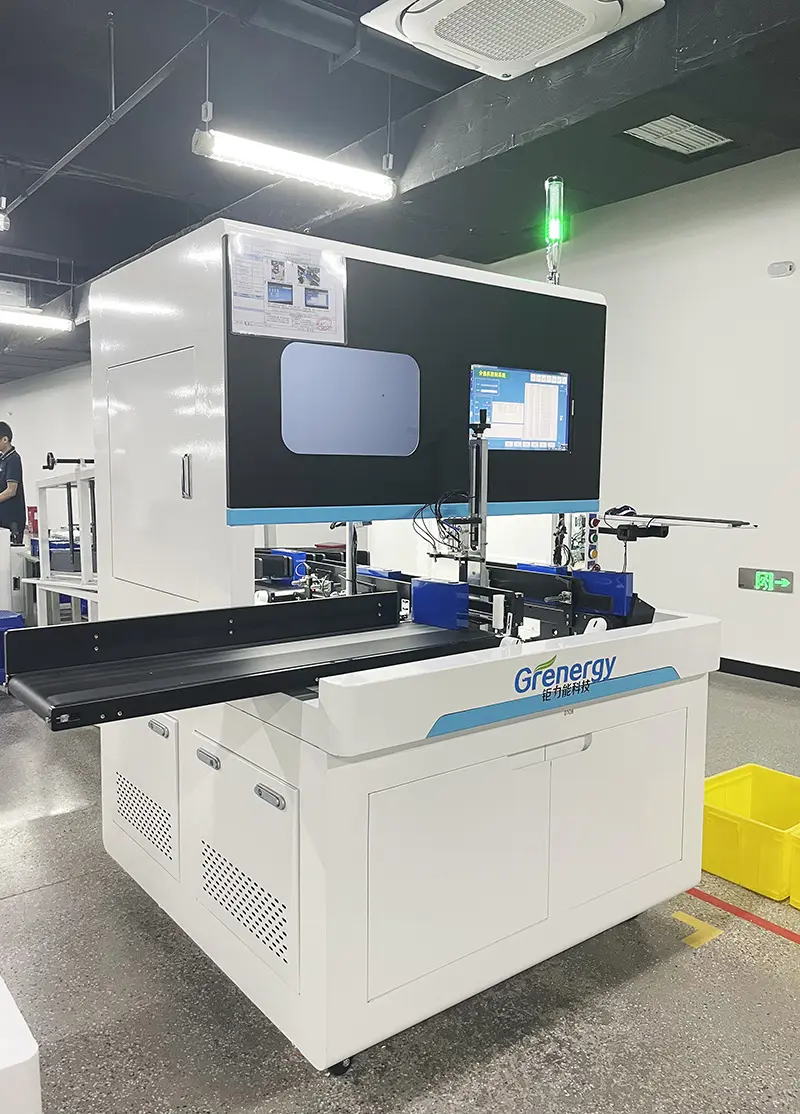
Our core values include integrity, innovation, and customer satisfaction, which have been the foundation of our growth. Grenergy’s history is one of continuous improvement and dedication to providing advanced energy storage solutions to businesses and individuals globally.
From the beginning, Grenergy’s mission has been to empower the world with cutting-edge energy storage solutions. We believe in a future where renewable energy is the primary power source, and our products are designed to make this future a reality. Through decades of research and development, we’ve become a trusted name in the energy storage sector, helping companies transition to more efficient, sustainable energy practices.
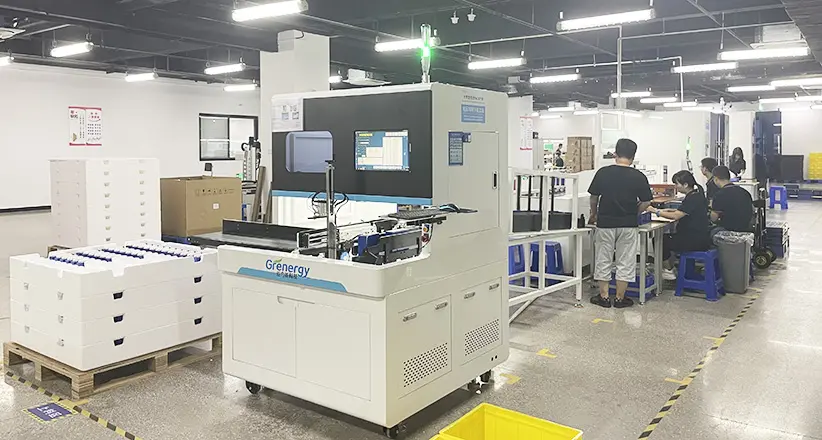
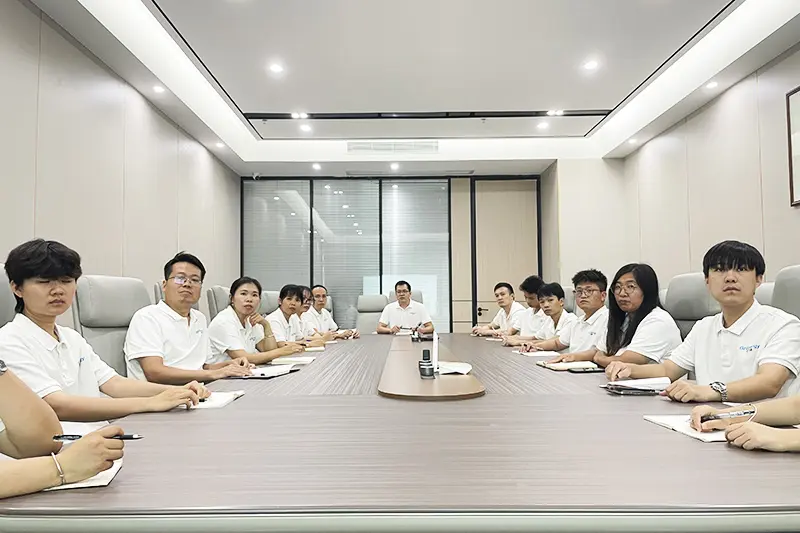
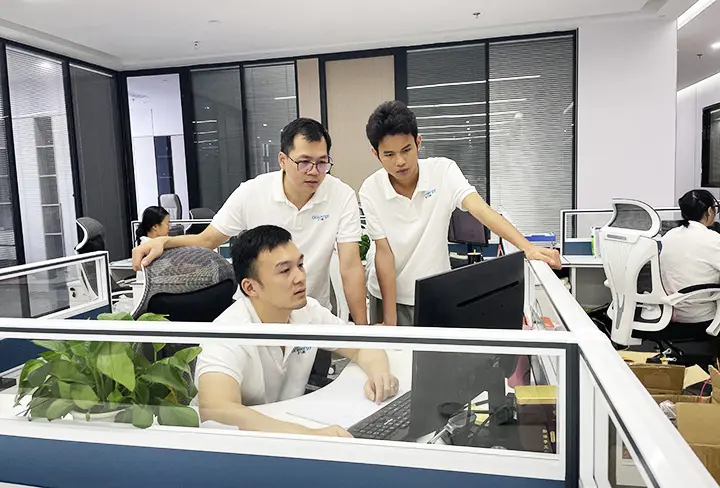
Grenergy’s products support various OEM and ODM customized services, allowing us to tailor solutions that meet specific client needs. With nearly 10,000 square meters of production space and a team of 200 highly skilled professionals, we are equipped to deliver high-quality products at scale. Over the years, we have consistently met international industry standards, earning certifications such as ISO9001, ISO14001, ISO45001, UL, CE, FCC, PSE, and UN38.3.
We also provide third-party product liability insurance worth $3 million USD for all products, ensuring our global clients can trust our reliability and commitment to service excellence.
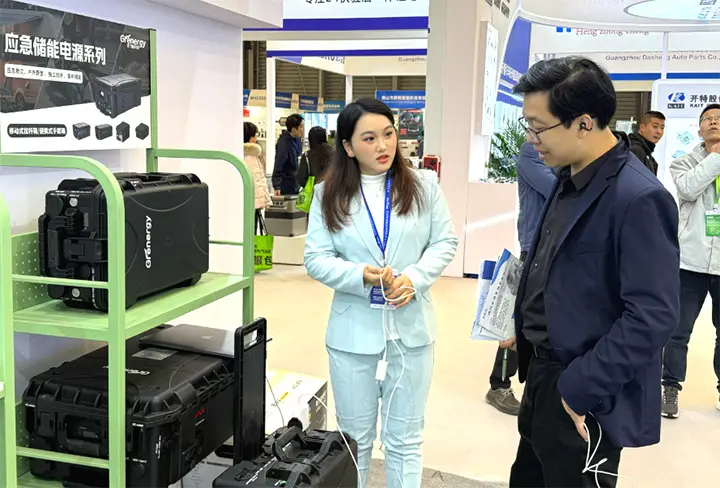
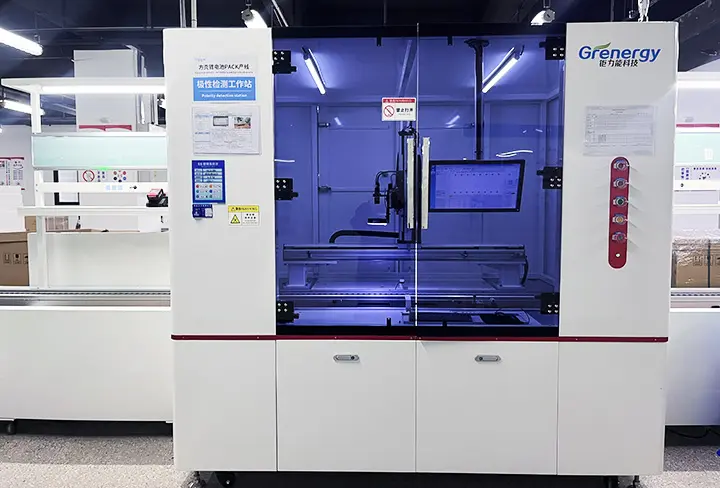
We are proud to have partnered with some of the world’s leading organizations and technology providers. These collaborations help us bring the latest advancements in energy storage and management systems to market, providing our clients with the most efficient and innovative solutions available.
Don’t just take our word for it—our clients trust us to provide safe, high-performance energy storage systems that meet their needs. With global customers from various industries, including renewable energy, manufacturing, and transportation, we have built a reputation for delivering reliable, top-quality products.
The progression of chemical energy storage toward high safety margins and resource efficiency.
The energy storage sector is moving toward solid-state and hybrid battery designs. Solid-state lithium variants replace liquid organic electrolytes with solid conductive materials, reducing fire risks and improving energy density.
Additionally, research into sodium-ion configurations offers an alternative to lithium systems. Utilizing abundant sodium resources, these batteries help mitigate lithium supply chain risks and cost fluctuations.
Simultaneously, Gel technology continues to evolve. Modern gel structures are reinforced with carbon nanomaterials to improve charge acceptance rates and cycling performance. By maintaining their traditional thermal safety while closing the performance gap with lithium, these advanced gel designs remain a viable choice for specific harsh-environment applications.
Answering common engineering and procurement questions regarding implementation, safety, and lifespan.
Generally, no. Gel chargers are configured with specific charge profiles, including absorption and equalization stages, that often reach voltage thresholds unsuitable for lithium. Lithium batteries require a constant current/constant voltage (CC/CV) profile. Charging them with a Gel charger without an integrated BMS can lead to undercharging or damage.
Gel batteries perform reliably at low temperatures because their gelled electrolyte is resistant to freezing. However, high temperatures speed up their degradation. Lithium batteries perform well across a broad temperature range but require a BMS to prevent charging below freezing (0°C), which can cause lithium plating.
While lithium batteries have a higher initial purchase price, they typically last for 4,000 to 6,000 cycles, outliving Gel batteries (which last 500 to 1,000 cycles) by up to six times. This long lifespan, combined with higher round-trip efficiency and zero maintenance requirements, leads to lower overall operating costs.
The Battery Management System (BMS) monitors key operational parameters, including voltage, current, and temperature, for each cell. It protects the battery against over-charging, over-discharging, short circuits, and thermal runaways, helping ensure long-term safety and performance.
Yes, many lithium batteries are designed as direct, drop-in replacements for lead-acid and Gel sizes. However, it is important to verify that the charging system's parameters align with lithium requirements to ensure optimal operation and longevity.
Lead-acid batteries, including Gel, benefit from established recycling networks, though lead remains a toxic material. Lithium batteries, especially LiFePO₄, use non-toxic materials. As recycling technologies for lithium batteries continue to improve, they represent a highly sustainable long-term option.
Premium OEM/ODM battery configurations optimized for deep-cycle reliability, utility, and heavy-duty environments.
 Grenergy