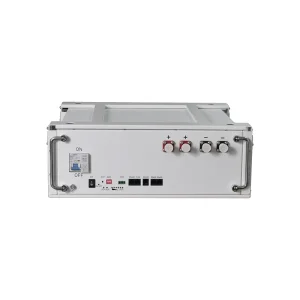
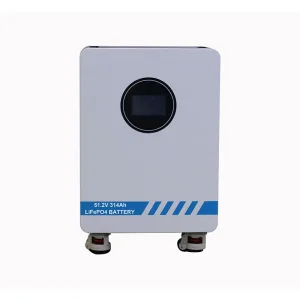
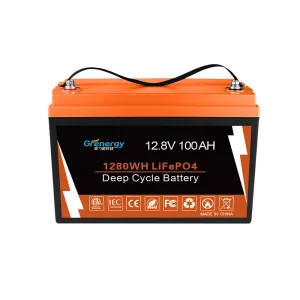
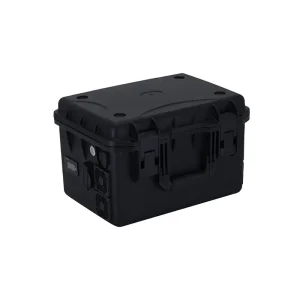
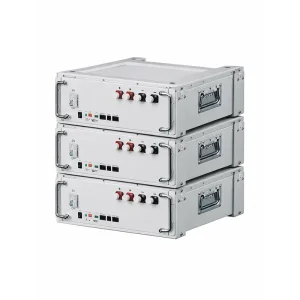
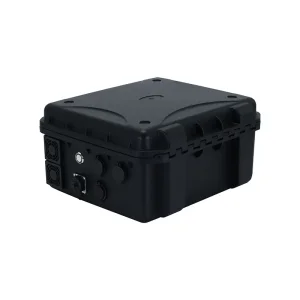
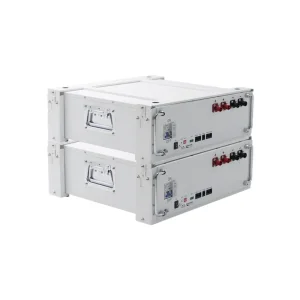
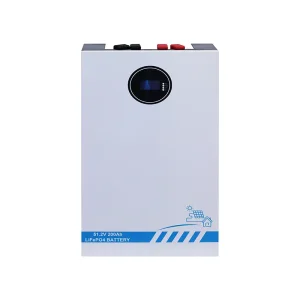
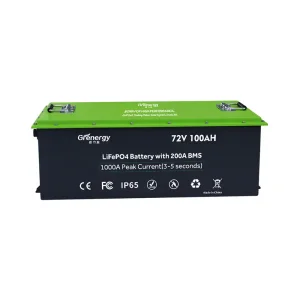
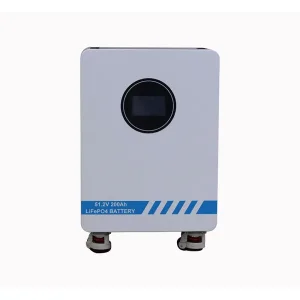
Engineered to power demanding off-grid ecosystems, our products deliver consistent, reliable utility-grade power under all environmental constraints.
Sizing an off-grid solar battery bank is not a matter of simple arithmetic. In the commercial and industrial (C&I) sectors, designing an off-grid energy system based on loose estimations inevitably results in system blackouts or excessively high CapEx. System engineers must determine the sweet spot where load profiles, generation capacities, depth of discharge limits, and battery degradation pathways align.
An enterprise-grade off-grid battery calculator service utilizes advanced computational algorithms to run dynamic thermodynamic simulations. By parsing real-time irradiance profiles, peak power demands, temperature de-rating coefficients, and systemic inverter losses, a dedicated calculator service translates raw operational requirements into robust physical assets.
"Precision calculation acts as the bridge between theoretical efficiency and actual operation. Over-sizing wastes capital resources; under-sizing leads to accelerated chemical degradation. We optimize for the exact intersection of both variables."
Whether configuring remote telecommunication base stations, utility-scale agricultural microgrids, or heavy industrial storage systems, precision-engineered energy capacity modeling is the primary guarantor of structural uptime.

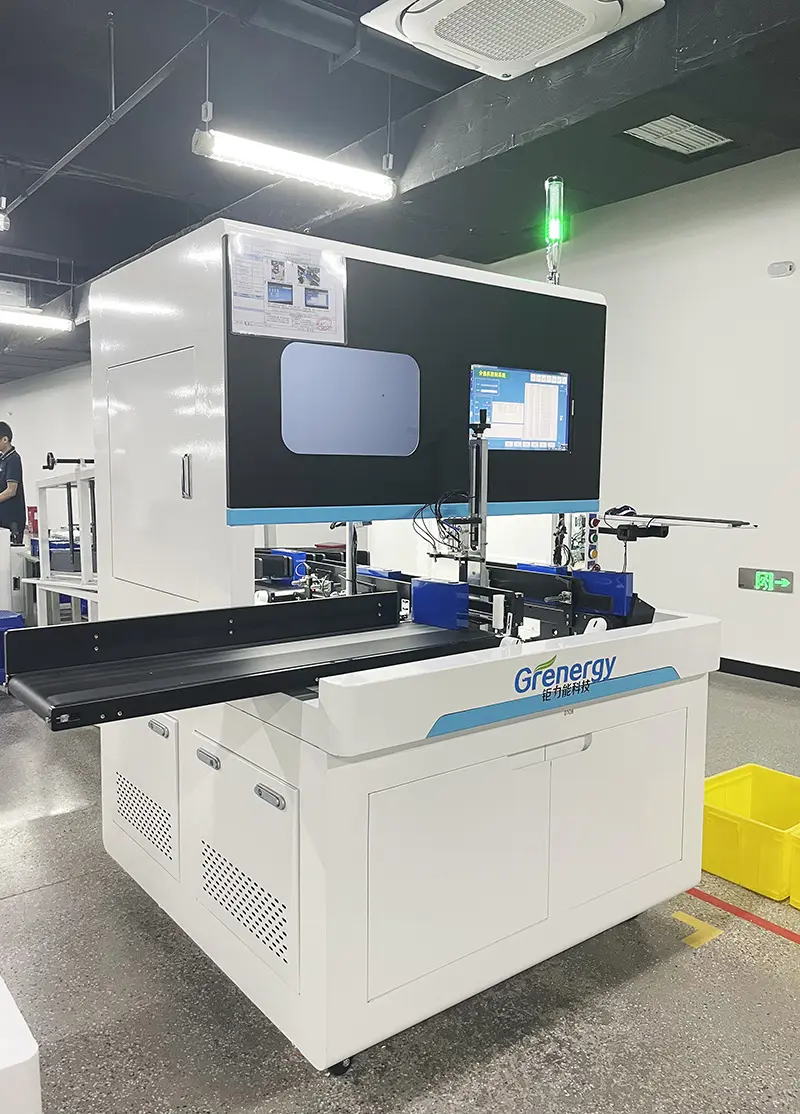
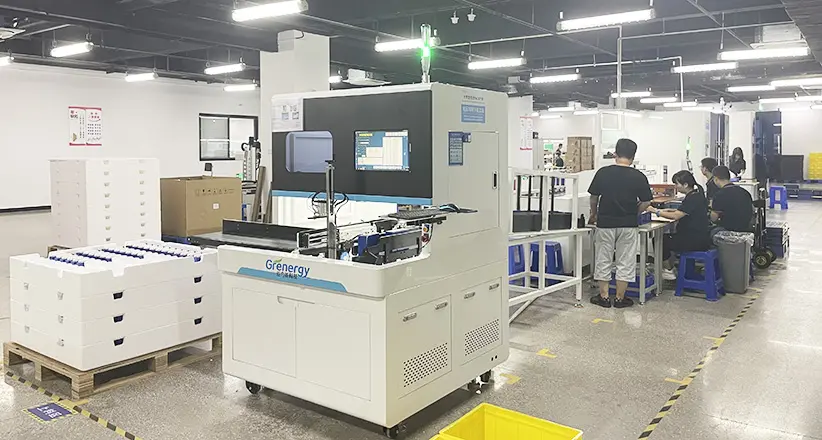
Shenzhen Grenergy Technology Co., Ltd., established in 2010, is a high-tech enterprise specializing in the R&D and manufacturing of lithium batteries, energy storage systems, power batteries, battery management systems, and all-in-one solutions. With a strong commitment to technological innovation, Grenergy has become a leading provider of energy solutions for various applications worldwide.
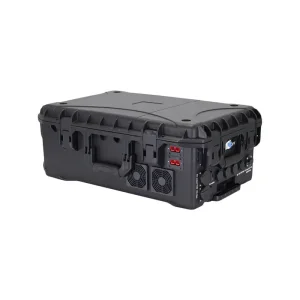
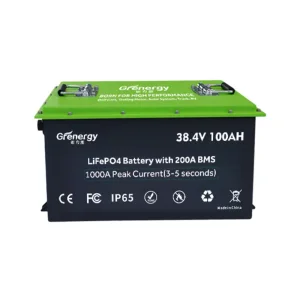
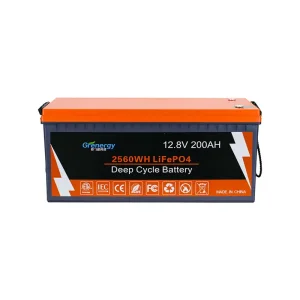
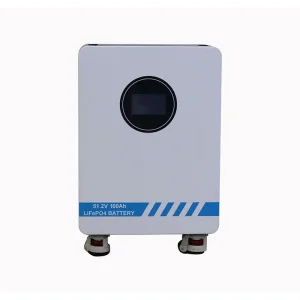
Since its establishment, Grenergy has focused on the development of sustainable energy solutions to meet the growing demand for efficient, reliable, and eco-friendly power systems. With over 10 years of expertise, Grenergy has developed a diverse product portfolio, including Lead-acid replacement lithium batteries, Wall-mounted power walls, Portable power stations, Mobile home energy storage systems, Trolley box portable power stations, and much more. We are committed to enhancing energy efficiency while reducing environmental impact.
Our core values include integrity, innovation, and customer satisfaction, which have been the foundation of our growth. Grenergy’s history is one of continuous improvement and dedication to providing advanced energy storage solutions to businesses and individuals globally.
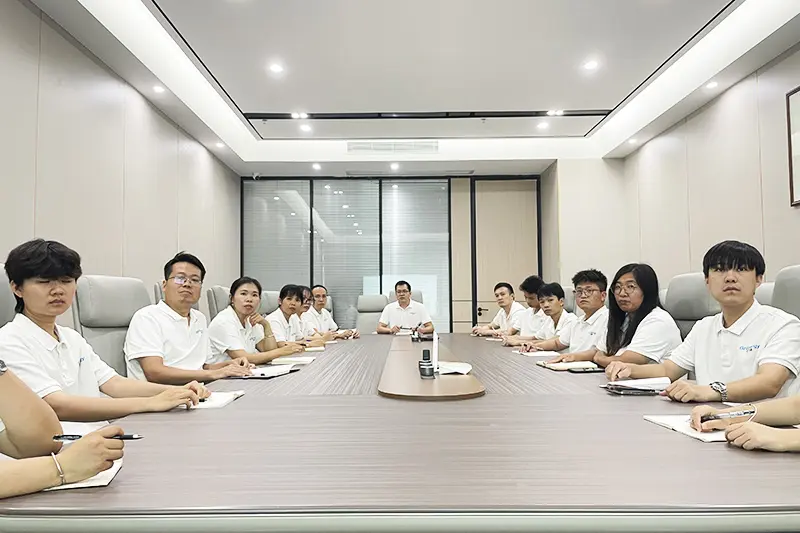
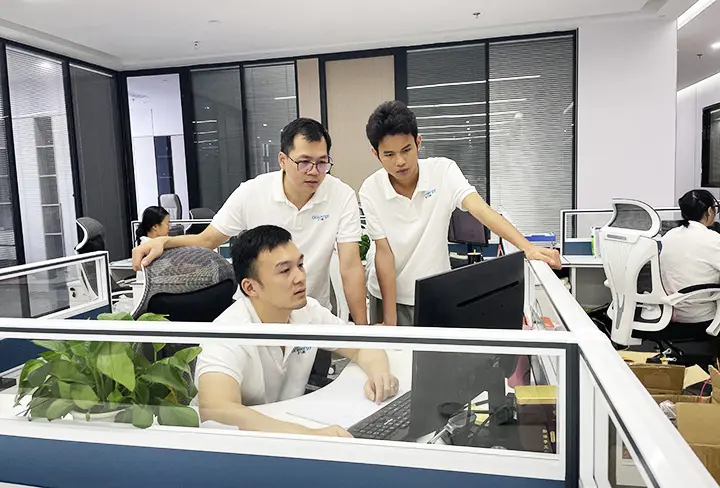
Grenergy’s products support various OEM and ODM customized services, allowing us to tailor solutions that meet specific client needs. With nearly 10,000 square meters of production space and a team of 200 highly skilled professionals, we are equipped to deliver high-quality products at scale.
Over the years, we have consistently met international industry standards, earning certifications such as ISO9001, ISO14001, ISO45001, UL, CE, FCC, PSE, and UN38.3. We also provide third-party product liability insurance worth $3 million USD for all products, ensuring our global clients can trust our reliability and commitment to service excellence.
Our commitment to reliable performance is backed by structured international testing. Below are the key compliance frameworks integrated directly into our off-grid system designs:
| Standard | Focus Area | Global Applicability |
|---|---|---|
| UL1973 / UL9540A | Thermal Runaway Safety | North America |
| IEC 62619 | Industrial Cell & Pack Safety | Europe & Asia-Pacific |
| UN 38.3 | Dangerous Goods Transportation | Global Logistics |
| ISO 9001/14001 | Quality & Eco Management | Factory-wide |
Analyzing key industrial drivers and specific battery-sizing paradigms across the globe.
In developing regions and remote territories, cellular towers must maintain absolute uptime. Sizing algorithms must compute local seasonal solar variations and specify LiFePO4 configurations that endure continuous cyclic loading in high ambient temperatures without thermal runaways.
Off-grid housing developments and eco-resorts require customized battery banks. Sizing tools compute both base baseloads and high-surge appliance starts (such as HVAC and pumping units) to determine dynamic inverter and energy storage sizing rules.
Solar-powered water pumping requires massive initial surge power. Designing systems with an integrated calculator guarantees the chosen battery pack can deliver the required peak C-rate while maintaining operational voltage thresholds during motor startups.
An enterprise-grade off-grid system sizing assessment relies on clear, structured physical and thermodynamic equations. The basic framework used to compute required battery storage capacity is formulated as follows:
Required Bank Capacity (Wh) = [Daily Load (Wh) × Autonomy Days] ÷ [DoD (%) × System Efficiency (%) × Temp Coefficient]
Where:
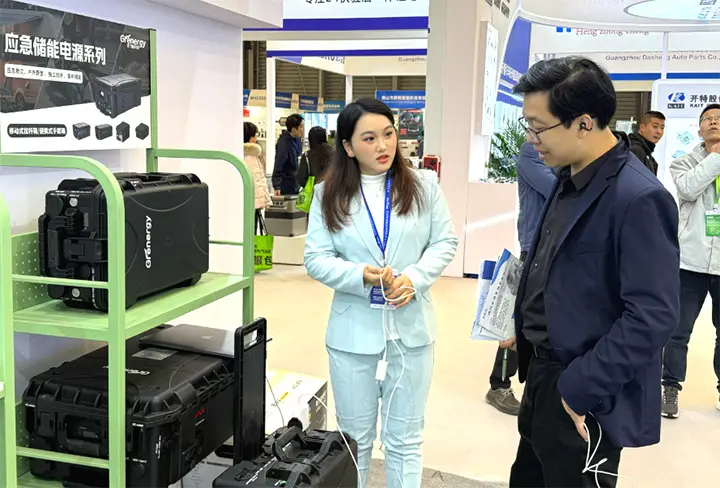
Deploying advanced materials and software architecture to achieve high safety, density, and modular scalability.
Integrating real-time telemetry, IoT protocols, and machine learning models directly into the Battery Management System. This enables predictive state-of-health diagnostics, thermal runaway early warning detection, and remote software updates.
Transitioning from classic liquid electrolytes to solid-state formats. This research trajectory will provide significantly higher volumetric energy densities and inherent protection against internal cell short circuits.
Implementing active hydrometallurgical recycling models. We design our custom off-grid battery casing assemblies to be disassembled efficiently, recovering over 95% of active lithium, copper, and cobalt materials.
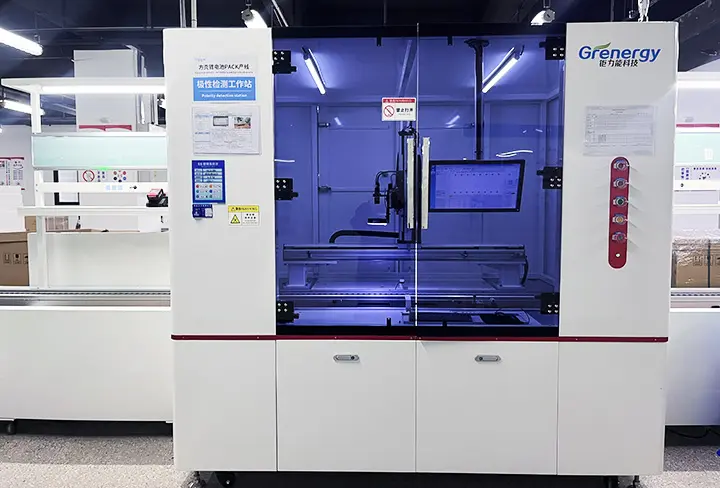
We are proud to have partnered with some of the world’s leading organizations and technology providers. These collaborations help us bring the latest advancements in energy storage and management systems to market, providing our clients with the most efficient and innovative solutions available.
Don’t just take our word for it—our clients trust us to provide safe, high-performance energy storage systems that meet their needs. With global customers from various industries, including renewable energy, manufacturing, and transportation, we have built a reputation for delivering reliable, top-quality products.
Through close collaborations, we combine theoretical system calculations with on-site feedback, validating and refining our calculators' predictive accuracy against real-world operations.
Answers to complex technical questions about commercial off-grid sizing from our engineering team.
Discover our range of deep-cycle, floor-mounted, and motive power solutions, designed for demanding commercial applications.
 Grenergy