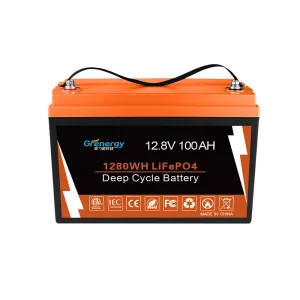
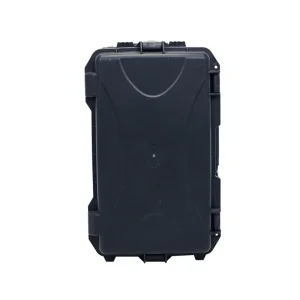
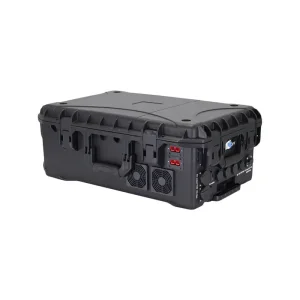
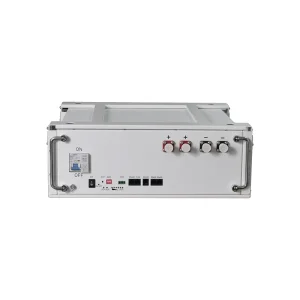
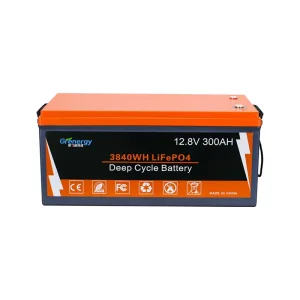
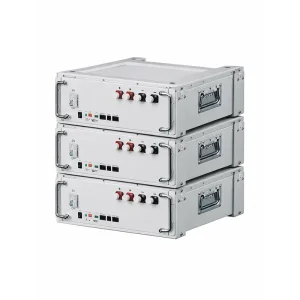
Explore our top-tier LFP energy storage systems engineered for reliability, safety, and peak performance across diverse operating conditions.
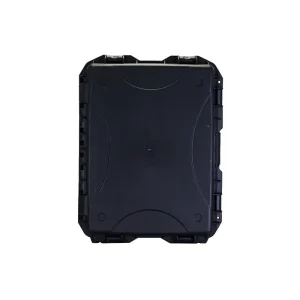
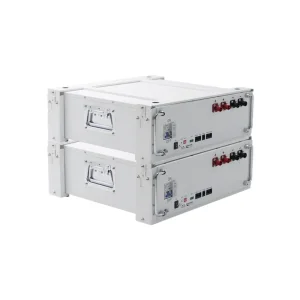

Established in 2010, Shenzhen Grenergy Technology Co., Ltd. is a high-tech enterprise specializing in R&D and manufacturing premium lithium batteries, custom energy storage systems (ESS), durable power batteries, intelligent battery management systems (BMS), and all-in-one localized energy solutions. With a decade of rigorous engineering and a deep commitment to green technology innovation, Grenergy has risen to become a globally trusted tier-1 provider of high-quality lithium iron phosphate (LiFePO4) solar battery banks.
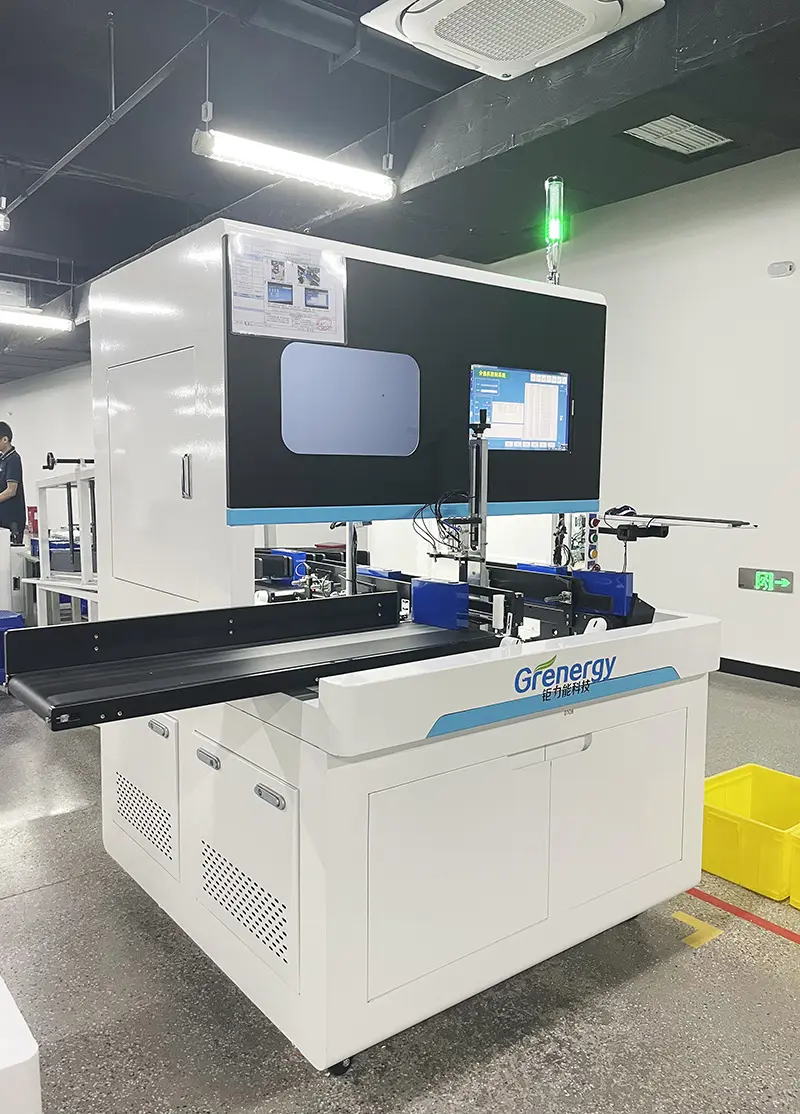
Since our inception, Grenergy has focused on the development of sustainable energy storage systems to solve the global imbalance between green energy generation and consumption. Over the past 10 years, our R&D efforts have built a robust product portfolio. This includes direct lead-acid replacement batteries, robust wall-mounted power walls, portable solar generators, intelligent residential backup storage, and heavy-duty trolley-style portable emergency systems. Driven by integrity, persistent technological innovation, and client satisfaction, we empower businesses and communities worldwide to transition toward sustainable, zero-emission microgrids.
Our engineering and manufacturing capabilities are verified by international standards and backed by substantial insurance protection.
Certified Safety & Quality Compliance: ISO9001 | ISO14001 | ISO45001 | UL | CE | FCC | PSE | UN38.3
As the world shifts toward zero-carbon energy targets, integration of renewable assets like solar photovoltaics (PV) and wind power requires high-capacity energy storage systems (ESS). A high-quality solar battery bank serves as the central hub of grid-tied and off-grid microgrids. It mitigates the intermittency of clean energy sources, manages peak demand charges, and ensures reliable uninterruptible power supply (UPS) for critical infrastructure.
Globally, the Commercial & Industrial (C&I) sector is facing rising electricity tariffs and stringent carbon accounting mandates. In regions like North America, Europe, and Asia-Pacific, companies rely on large-scale battery storage to limit peak load consumption—a strategy known as peak shaving. By storing excess solar power generated during off-peak hours and discharging it during peak demand windows, facility managers significantly reduce overall utility expenses.
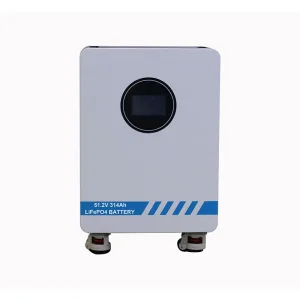
Furthermore, integration with localized virtual power plants (VPPs) allows enterprises to participate in grid frequency regulation programs. This turns a cost-saving utility asset into an active revenue-generating system. High-capacity battery banks, such as the 51.2V 314Ah setups, provide the precise thermal management and cycle duration needed to perform daily cycling for up to 10 to 15 years.
The choice of battery chemistry determines the safety, lifespan, and return on investment (ROI) of a solar battery bank. While Nickel Manganese Cobalt (NMC) batteries offer high energy densities, Lithium Iron Phosphate (LiFePO4) has emerged as the global industry benchmark for stationary storage. The primary reasons include:
Deploying solar battery systems globally requires strict compliance with localized certifications. At Grenergy, we ensure our designs meet regional standards to guarantee seamless integration and safety:
UL 1973 & UL 9540A: Critical for deployment in North America. These standards subject the battery banks to rigorous thermal abuse testing, proving that thermal runaway does not propagate from cell to cell.
CE & EN 62619: Mandated in the European Union, ensuring mechanical integrity and electrical protection under severe environmental conditions.
UN38.3 & MSDS: Required for secure international logistics. Every product line undergoes drop testing, vibration, and impact analysis to secure safe transport.
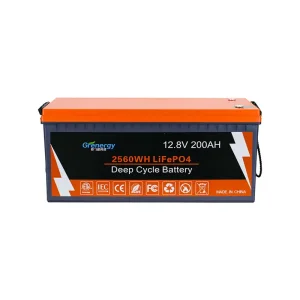
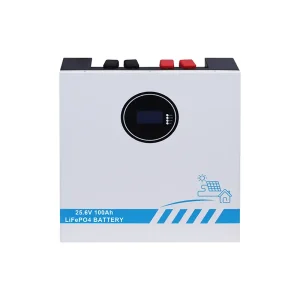
Our diverse LFP configurations cater to distinct localized usage profiles:
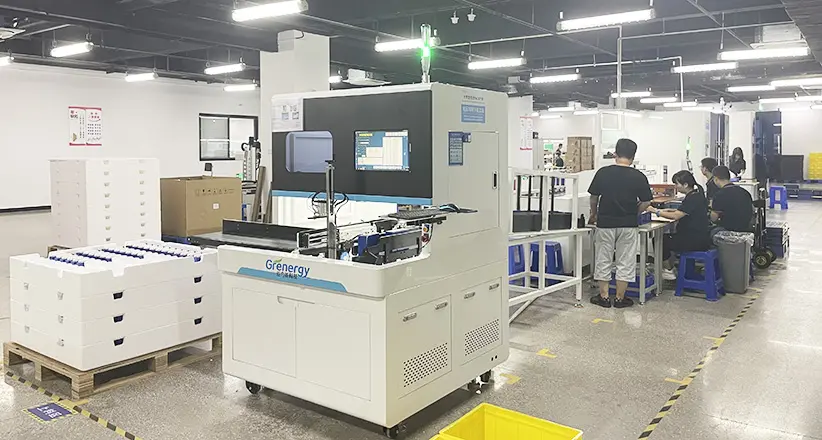
Recognizing that each market and solar installation has distinct performance requirements, Grenergy offers comprehensive OEM and ODM support. From customized casing designs, custom communication protocols (CANbus, RS485, Modbus), to matching active balancing BMS software, our engineering team works directly with system integrators. With almost 10,000 square meters of production space, we ensure your specific dimensional and electrical requirements are met.
We are proud to have partnered with leading utility contractors, global solar inverter manufacturers, and renewable energy distributors. These collaborative alliances allow us to pre-test integration with various inverter systems, ensuring plug-and-play installation for the end user.
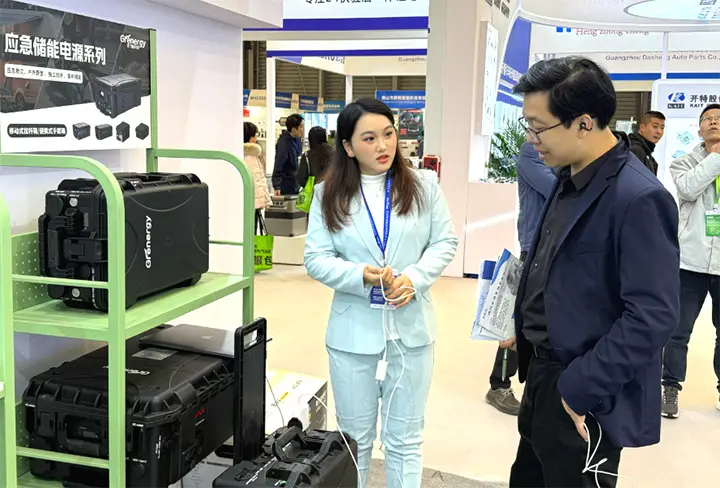
Clients trust Grenergy to deliver safe, high-performance battery banks. Our products are deployed in harsh environments—from remote solar microgrids in high-temperature desert regions to cold alpine base stations. Feedback from our clients consistently highlights the longevity of our cells, the reliability of our integrated BMS, and our responsive technical support.
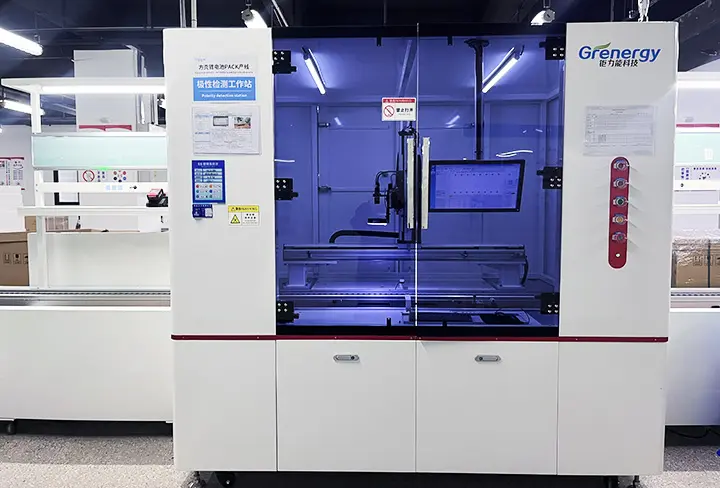
Our batteries are built with premium materials and smart features to optimize reliability and safety.
Over-charge, over-discharge, short-circuit, and thermal monitoring are handled in real-time to extend cell life and ensure safety.
Supports parallel configuration (up to 15 packs) to match growing commercial power requirements without extra hardware.
Engineered for >6,000 charge cycles, offering a long service life and a low levelized cost of storage (LCOS).
Answers to key considerations when choosing commercial and industrial solar battery banks.
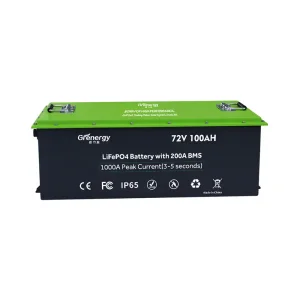
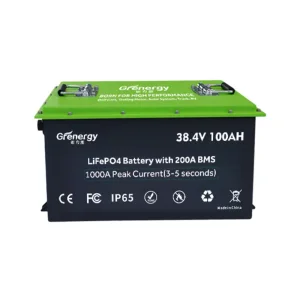
Industrial configurations and specialized high-voltage energy storage systems designed for golf carts, utility vehicles, and residential systems.
 Grenergy