Explore our premium range of lithium iron phosphate (LiFePO4) energy storage systems, custom-engineered for residential, commercial, RV, utility, and mobility applications.
Modern global energy landscapes are undergoing a structural shift toward decarbonization. Intermittent renewable energy generation, such as solar photovoltaic (PV), requires high-performance energy storage systems (ESS) to balance the grid, stabilize frequencies, and ensure continuous availability. Among all battery chemistries, Lithium Iron Phosphate (LiFePO4) has emerged as the definitive standard for industrial, residential, and portable applications, owing to its superior safety, long cycle life, and sustainable thermal profile.
Analyzing the Levelized Cost of Storage (LCOS) demonstrates that LiFePO4 offers the lowest cost per cycle. While upfront capital expenditure exceeds traditional lead-acid systems, a cycle life exceeding 6000 cycles at 80% Depth of Discharge (DoD) delivers unparalleled ROI.
Advanced Battery Management Systems (BMS) are the brain of the ESS. Integrated with real-time algorithms, they monitor state of charge (SoC), state of health (SoH), and control active cell balancing to prevent micro-short circuits and thermal imbalances.
Unlike cobalt-based alternatives (NMC), the olivine structure of LiFePO4 features strong P-O covalent bonds that remain stable up to 600°C. This chemical stability eliminates the risk of rapid oxygen release, neutralizing structural fire risks.
China accounts for more than 70% of the world's lithium-ion battery manufacturing capacity. This concentration creates a highly optimized production corridor that directly benefits global procurement teams through cost efficiencies, rapid scale, and strict component compliance.
By leveraging Shenzhen's industrial integration, manufacturers like Shenzhen Grenergy Technology Co., Ltd. can source raw materials, design advanced circuit paths, and execute massive manufacturing runs seamlessly. This proximity shortens the cycle from initial design files to finalized physical testing.
Furthermore, China’s manufacturing environment relies heavily on automation. Automated cell-sorting lines, precision laser-welding operations, and computer-guided aging tests ensure that capacity matching and internal resistance deviations between cells are kept within fractional margins. This precision directly translates to extended system lifespans and safety on the field.
Modern power grids require resilient, distributed systems to support decarbonization strategies. Industrial complexes, commercial structures, and remote microgrids rely on modular ESS configurations to control consumption fees and secure reliable grid profiles.
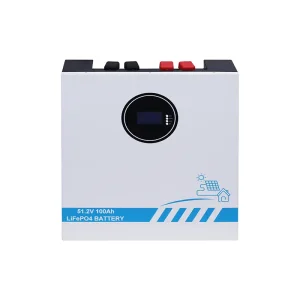
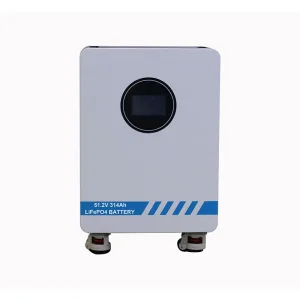
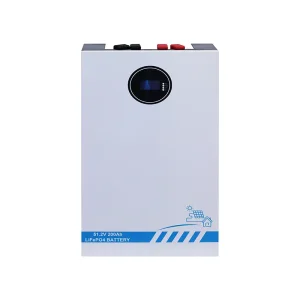
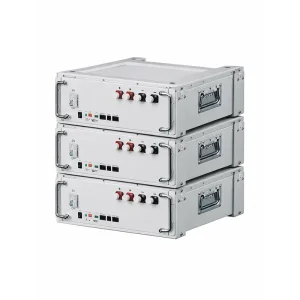
Commercial enterprises leverage high-capacity floor-mounted systems (like our 51.2V 314Ah series) to accumulate energy during off-peak windows when utility rates are low. This stored energy is discharged during high-demand peaks, reducing demand charges and improving site resilience.
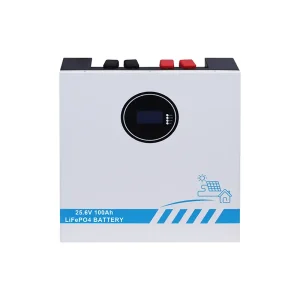
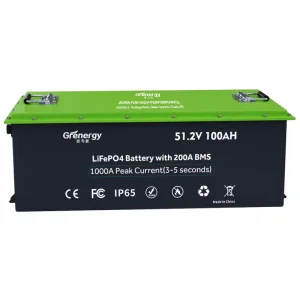
For remote areas, agricultural sites, and mining facilities, grid access is often unreliable or expensive. Integrating PV panels with deep-cycle LiFePO4 battery banks creates self-sustaining AC-coupled or DC-coupled networks, cutting fuel dependencies on diesel backup generators.
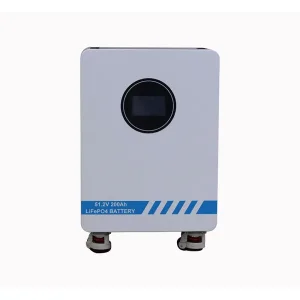
By connecting cluster residential wall batteries via centralized software networks, aggregated energy banks can participate in grid regulation markets. VPP operations enhance grid safety during frequency deviations and provide homeowners with passive revenue.
Beyond utility-scale installations, high-performance battery packs are essential across recreational, residential, and commercial mobility applications.
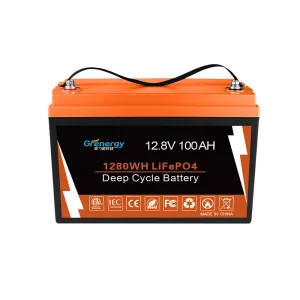
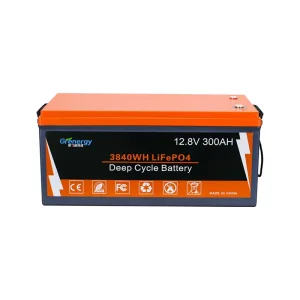
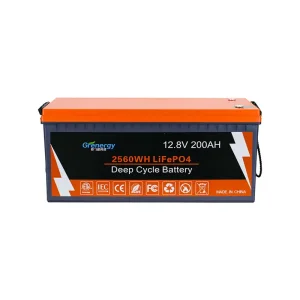
Traditional lead-acid RV batteries suffer from rapid degradation and low usable capacity. Upgrading to our 12.8V 300Ah high-capacity LiFePO4 packs allows off-grid travelers to run air conditioners, refrigeration, and microwave units without shore power, while enjoying rapid charging rates.
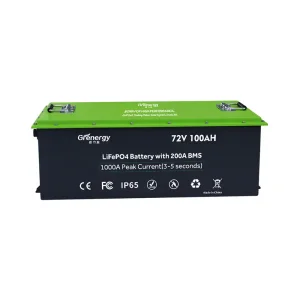
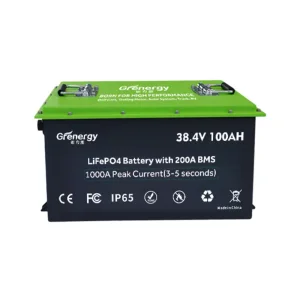
Low maintenance, lightweight profiles, and stable voltage drop curves make high-voltage (76.8V/51.2V) lithium solutions ideal for utility vehicles. Golf fleets run longer per charge without losing climbing power on inclines, dramatically reducing total fleet operational costs.
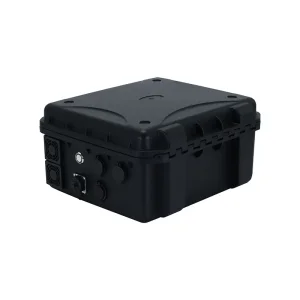
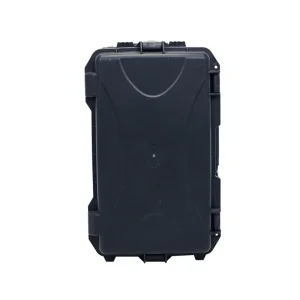
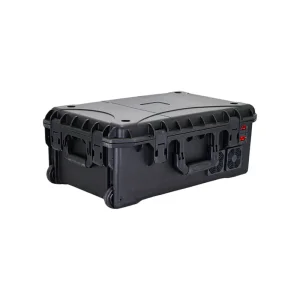
During unexpected power cuts or outdoor field projects, heavy machinery and scientific monitors require immediate backup. The 7.68kWh LiFePO4 Trolley Power Station provides mobile, rugged energy distribution paths with diverse AC/DC outputs.

Established in 2010, Shenzhen Grenergy Technology Co., Ltd. is a high-tech enterprise specializing in R&D and manufacturing lithium batteries, energy storage systems, power batteries, battery management systems, and all-in-one solutions. With a strong commitment to technological innovation, Grenergy has become a leading provider of energy solutions for various applications worldwide.
Over the last decade, we have established a diverse product portfolio, including Lead-acid replacement lithium batteries, Wall-mounted power walls, Portable power stations, Mobile home energy storage systems, and Trolley box portable power stations. We are dedicated to maximizing electrical performance while maintaining a low carbon footprint.
Since our founding, Grenergy has focused on developing sustainable energy systems to meet the rising demand for efficient, reliable, and eco-friendly power solutions. With over 10 years of expertise, our core values remain centered on integrity, continuous innovation, and customer satisfaction. This operational discipline has been the foundation of our growth, allowing us to deliver high-quality storage products to partners worldwide.
Support for OEM and ODM customization services ensures we can fulfill specific requirements. With nearly 10,000 square meters of production space and a team of 200 highly skilled professionals, we are equipped to deliver high-quality products at scale. Our systems comply with international standards, achieving certifications including ISO9001, ISO14001, ISO45001, UL, CE, FCC, PSE, and UN38.3.
To secure our clients' investments, we offer a third-party product liability insurance coverage of $3 Million USD, proving our confidence in the build quality, long cycle health, and safety of our systems.
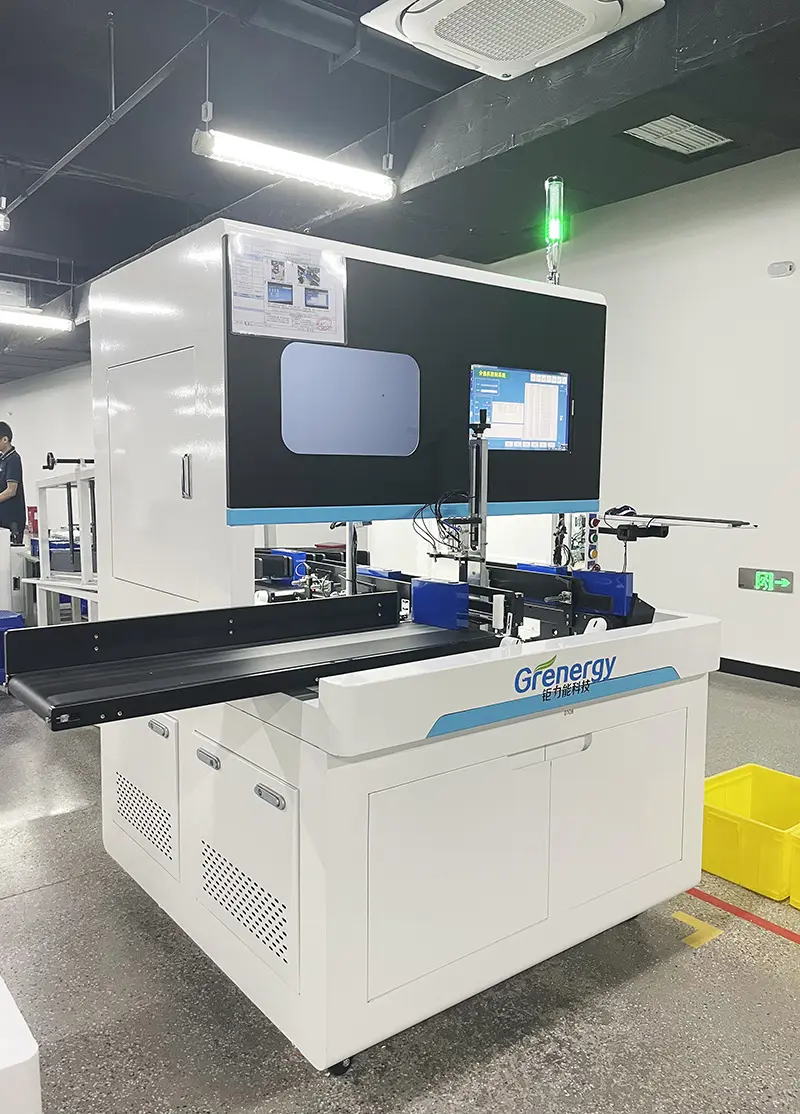
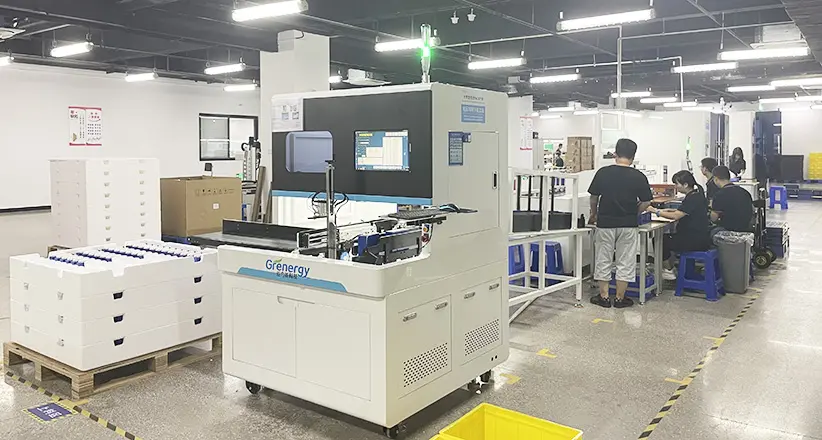
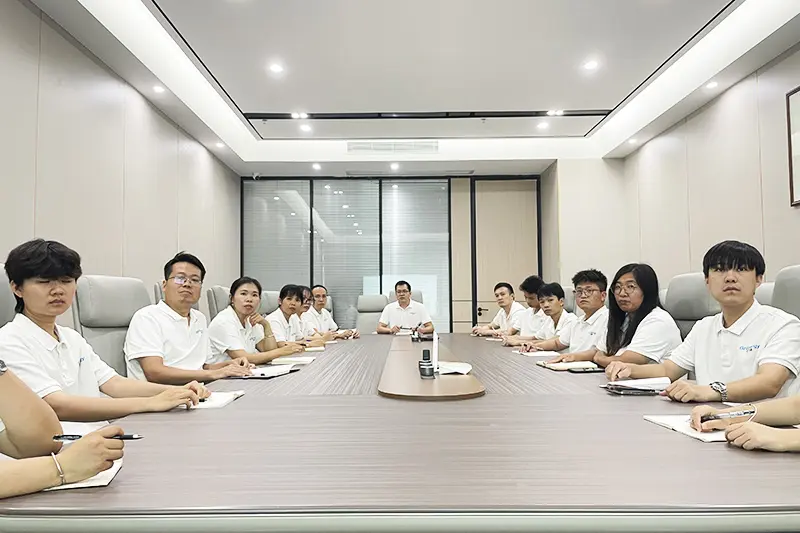
We are proud to partner with some of the world's leading organizations, installers, and component providers. These collaborations help us bring the latest advancements in energy storage and management systems to market, ensuring our clients receive the most efficient solutions available.
From initial design to cell capacity matching and final delivery, we keep our systems aligned with technical trends to guarantee clean, scalable power for global clients transitioning to stable energy operations.
From the beginning, Grenergy’s mission has been to empower the world with cutting-edge energy storage solutions. We believe in a future where renewable energy is the primary power source, and our products are designed to make this future a reality. Through decades of research and development, we’ve become a trusted name in the energy storage sector, helping companies transition to more efficient, sustainable energy practices.
Don’t just take our word for it—our clients trust us to provide safe, high-performance energy storage systems that meet their needs. With global customers from various industries, including renewable energy, manufacturing, and transportation, we have built a reputation for delivering reliable, top-quality products.
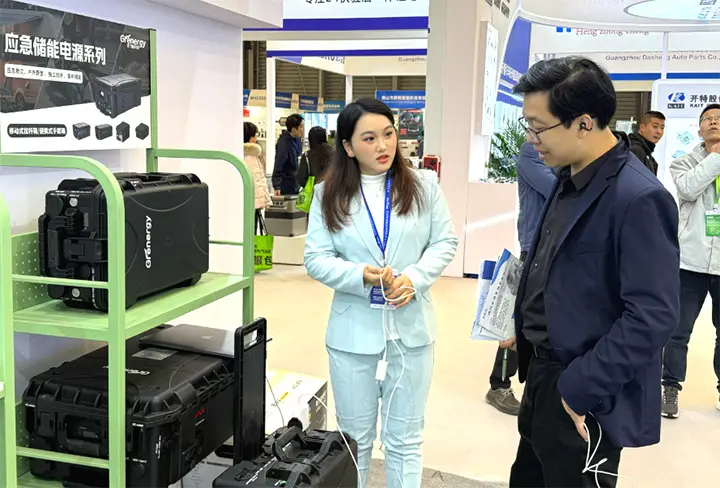
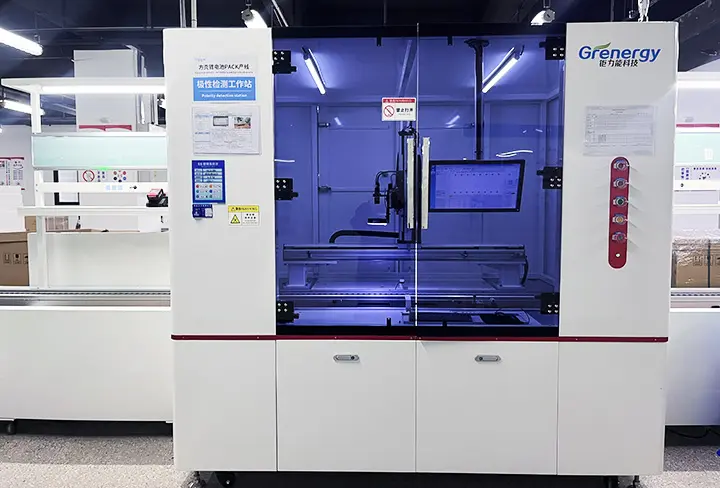
In the lithium-ion supply chain, component reliability is non-negotiable. Our QA process tracks raw cell parameters through detailed aging protocols to guarantee uniform cell capacity. For commercial users, this means consistent cycle output and a low risk of cell imbalance, protecting investments and ensuring continuous power delivery.
When purchasing utility-scale or custom lithium battery solutions, B2B procurement managers and system integrators must assess compliance metrics and risk factors. Critical procurement benchmarks include:
Battery packs must carry local regulatory marks including UL 1973 (for stationary energy storage), CE, IEC 62619, and UN38.3. These certifications guarantee that modules have passed thermal, mechanical, and electrical stress tests without failing.
Industrial applications often require custom communication protocols (such as CANbus, RS485, or Modbus) to integrate battery arrays with hybrid inverters. Having custom BMS firmware is vital for proper system matching and efficient operation.
With tightening ESG regulations, procurement teams require trace documents detailing raw material sourcing. Partnering with factory environments that manage strict material tracking ensures compliance with import regulations.
Read through detailed explanations addressing core issues regarding capacity design, system safety, and installation variables.
Review our specialized battery packs, including high-capacity modules, golf cart systems, and portable power stations.
 Grenergy