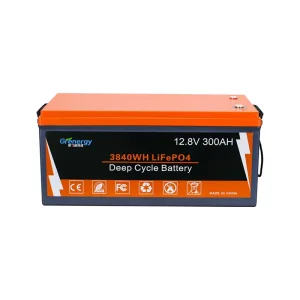
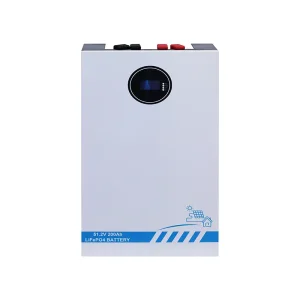
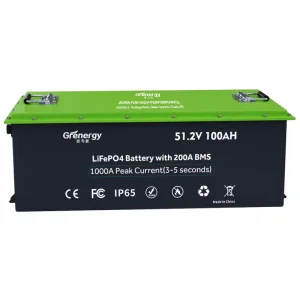
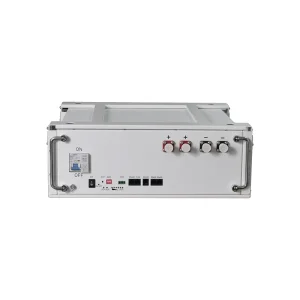
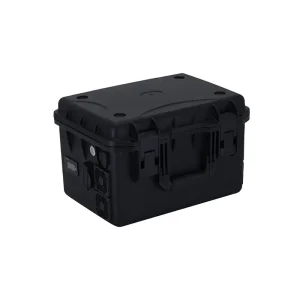
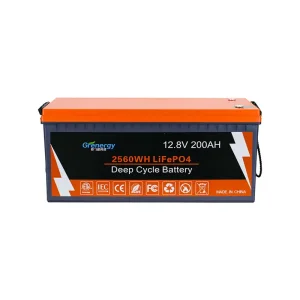
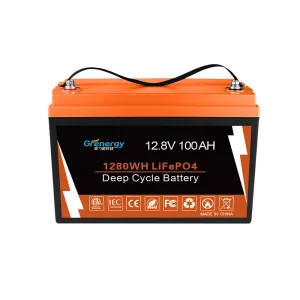
High-capacity energy systems integrated with custom BMS designs, compliant with international certification standards.
The global transition away from legacy lead-acid batteries to lithium iron phosphate (LiFePO4) has intensified the demand for precise, durable cell management systems. Specifically, a 4S (4 Cells in Series) configuration operates at a nominal voltage of 12.8V, rendering it the direct technological replacement for 12V automotive, deep-cycle marine, and off-grid solar batteries.
Within this topology, managing 100A continuous discharge current poses unique electronic and thermal hurdles. Without a premium Battery Management System (BMS), lithium cells are vulnerable to catastrophic imbalances, thermal runaway, and rapid cycle-life degradation. High-quality 100A 4S BMS modules solve these challenges by continuously executing safety algorithms, protecting cells from over-charge, over-discharge, over-temperature, and short-circuit conditions.
As a leading high-tech manufacturer, Grenergy integrates state-of-the-art solid-state MOSFET switches and high-precision analog front-ends (AFE) in our ODM solutions, ensuring robust operation even in demanding environments.

Engineered with ultra-low internal resistance MOSFET arrays that sustain continuous 100A discharge without excessive thermal build-up.
Dynamic balancing circuits correct voltage dispersion between individual cells, preserving maximum capacity and cycle longevity.
Redundant safety checks for over-voltage, under-voltage, over-temperature, under-temperature, and dual-level over-current defenses.
Decentralized battery architectures are defining the infrastructure modernization era.
Across the globe, power grids, commercial logistics, telecommunication towers, and mobile workspaces are transitioning rapidly to distributed energy storage. At the heart of this decentralized infrastructure is the 12.8V LiFePO4 battery pack, standardized for compatibility with legacy systems. The 100A output tier represents a critical junction, delivering up to 1.28kW of continuous power—sufficient to drive large inverters, high-torque industrial DC motors, and critical backup systems.
From an OEM and ODM exporter perspective, the demand for 100A 4S BMS systems is driven by major macro-economic themes:
Grenergy’s active engineering division supports global commercial entities in customizing these parameters. Our custom ODM BMS platforms accommodate specific charge/discharge profiles, custom communication telemetry protocols, and varied physical shapes, ensuring seamless fitment into proprietary enclosures.
Under the hood of Grenergy's industrial-grade battery management circuits.
Continuous conduction of 100A generates immense thermal strain. Our premium BMS utilizes high-power MOSFETs with an RDS(ON) profile as low as 0.5mΩ. By mounting the transistors onto thick copper bus bars and combining them with heavy-duty aluminum heat-sinks, we minimize heat dissipation. This reduces board operating temperatures by up to 25°C compared to generic alternatives.
State of Charge (SOC) tracking is notoriously difficult for LiFePO4 batteries due to their flat voltage curve. Simple voltage-based estimation leads to massive errors. Our BMS systems incorporate high-precision current shunts coupled with custom microcontroller algorithms to monitor actual energy throughput (Coulomb Counting), providing an accurate SOC rating within ±3% precision.
Inrush currents from massive capacitive loads can cause false trips or destroy control boards. Grenergy’s 100A BMS utilizes a tiered short-circuit recovery model: a primary fast hardware-level comparator trigger (< 100 microseconds) and a secondary microcontroller evaluation window. This setup allows high transient startup currents while maintaining absolute short-circuit protection.
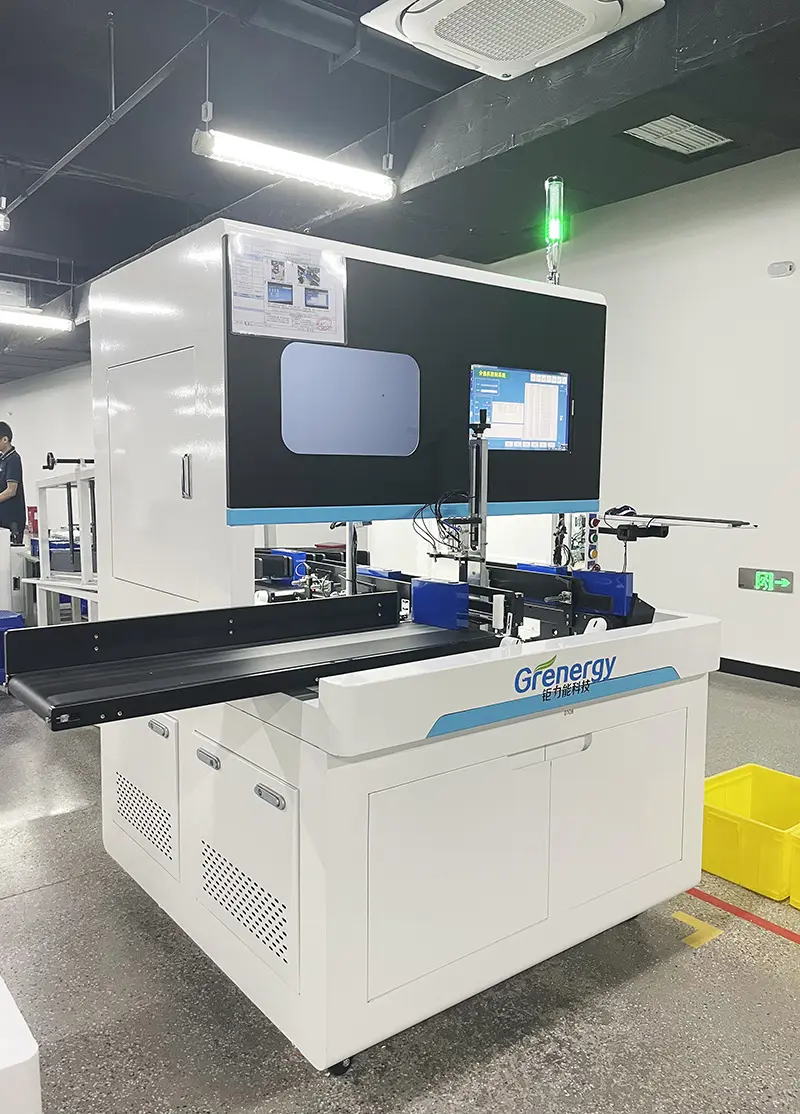
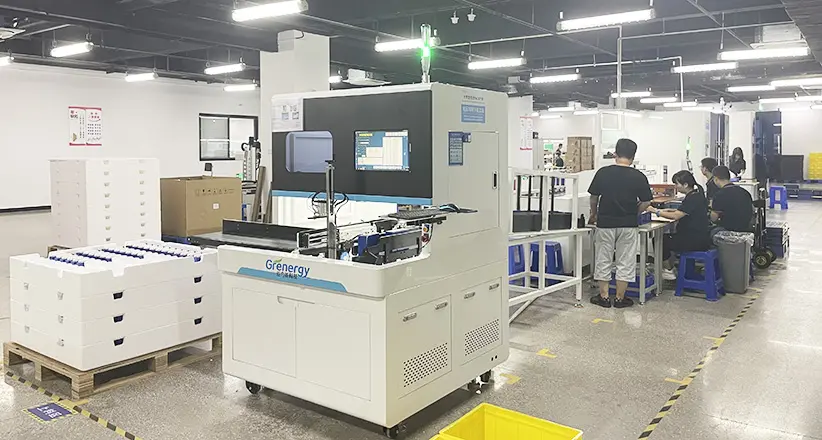
Shenzhen Grenergy Technology Co., Ltd. (Established in 2010)
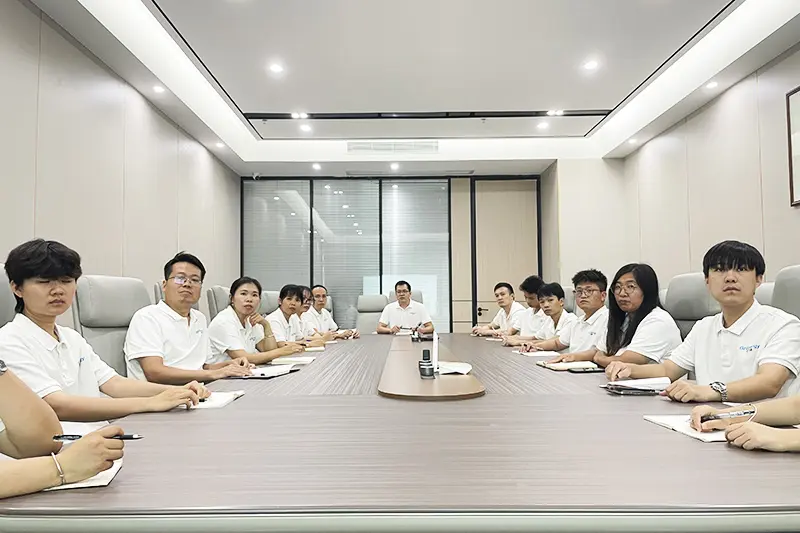
Established in 2010, Shenzhen Grenergy Technology Co., Ltd. is a high-tech enterprise specializing in the research, development, and manufacturing of premium lithium batteries, energy storage systems, power batteries, and comprehensive battery management systems (BMS).
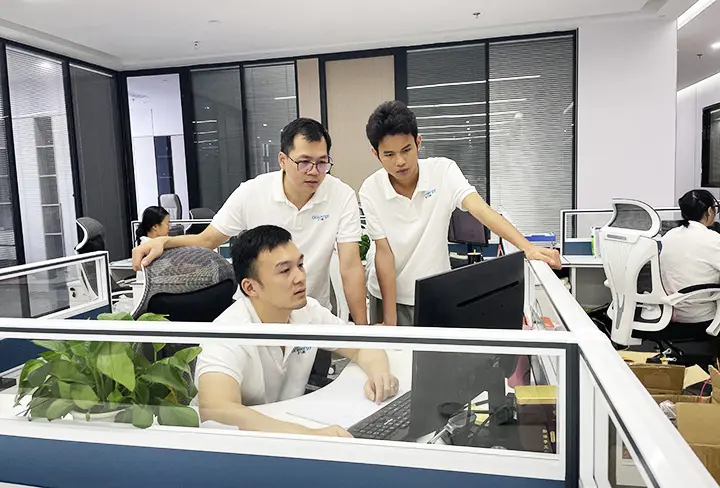
Over a decade of dedication to green energy technology has propelled us to the forefront of the global energy transition. Operating out of a state-of-the-art facility spanning nearly 10,000 square meters, our dedicated team of over 200 highly skilled professionals is equipped to deliver advanced customization services at scale.
Our commitment to excellence is reinforced by strict management methodologies, earning our operations certifications under ISO9001, ISO14001, and ISO45001 standards. All battery assemblies and electronics are rigorously tested to achieve compliance certifications including UL, CE, FCC, PSE, and UN38.3.
As an international ODM exporter, Grenergy recognizes that product compliance is not negotiable. Electrical systems face distinct local safety certifications in different jurisdictions. We specialize in modifying our core 100A 4S BMS designs to conform dynamically to the safety and testing standards of target markets:
To further secure our clients' operations, Grenergy maintains a $3 million USD third-party product liability insurance policy. This guarantees peace of mind and structural security for major distribution networks, large-scale OEMs, and retailers alike.
Versatile design tailored to meet the needs of varying operational environments.
Continuous 100A output effortlessly handles appliances like microwaves, coffee makers, and electronics. Integration with smart alternators avoids overcharging issues and balances cells across temperature swings.
Provides robust backup power at isolated telecom base stations. Standard telemetry protocols send battery performance metrics to remote operators, minimizing physical inspects and field calls.
Acts as the management hub for residential and agricultural storage systems. Built-in low-temperature protection locks out charging below 0°C, saving the lithium cells from permanent plating degradation.
Since our founding, Grenergy’s core philosophy has focused on green energy innovation. We believe in a sustainable future where decentralized renewable energy is the primary power source. Our high-precision battery management designs translate that goal into reality. Through relentless R&D, we transform raw lithium chemistries into intelligent, safe energy storage networks.
Our collaborative philosophy drives us to partner with leading research universities and material scientists. Through these alliances, we continuously test innovative safety thresholds, active-balancing architectures, and communication systems to ensure our clients receive robust, future-proof products.
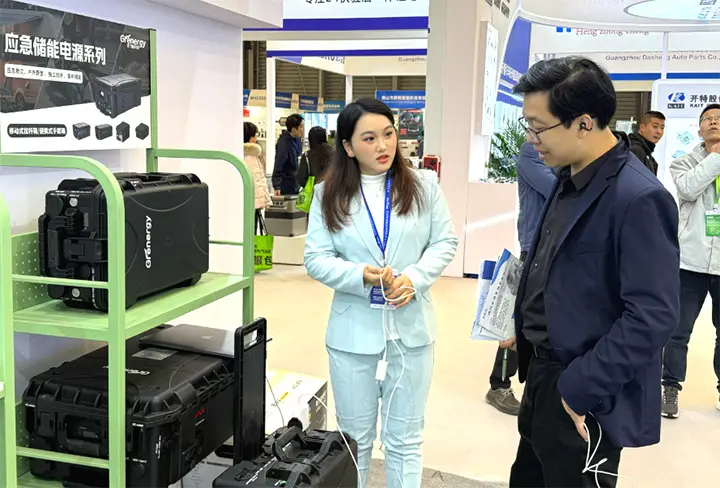
Over the past decade, Grenergy has established deep technical relationships with global utility providers, RV assembly networks, telecom operators, and solar distributors. Our engineering team assists customers from the development stage through trial production and volume shipping.
"Partnering with Grenergy to customize our 12.8V RV battery packs resolved our field failure challenges. Their 100A BMS design handles high-load start-up demands reliably, and the customer service during validation was exceptional." — Director of Engineering, European RV Manufacturer
"The integration of CANbus telemetry in our solar systems allowed us to transition to predictive remote maintenance. Grenergy’s ODM capability matches our specific requirements perfectly." — Lead Operations Manager, Telecom Grid Operator
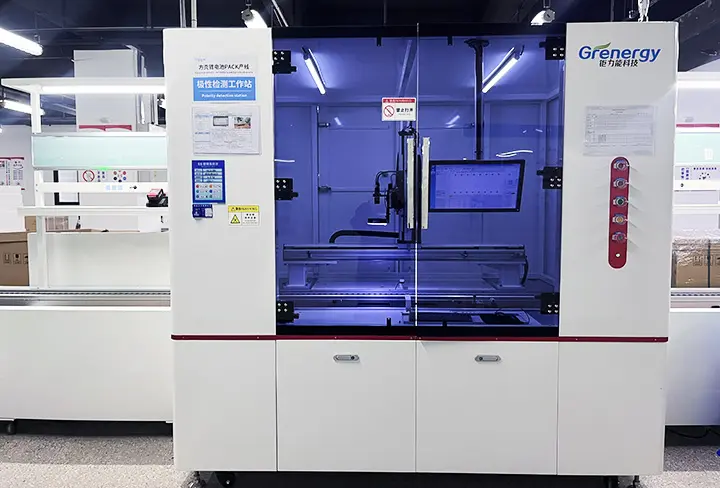
Our global supply chain operates in compliance with strict international trade regulations, ensuring streamlined customs clearances, fast air transport, and flexible maritime logistics. We maintain partnerships with tier-1 testing facilities to accelerate the certification timelines for customized ODM products.
As the energy storage sector develops, Battery Management Systems are evolving from passive protectors to active energy managers. Grenergy's R&D pipeline is focused on three primary next-generation milestones:
Integrating NB-IoT and LTE-M transceivers directly into the BMS circuitry. This allows remote battery monitoring, wireless firmware updates, and cloud-based diagnostics without external gateways.
Employing machine learning models within the cloud platform to analyze impedance drifts, thermal patterns, and cyclic variations. This predicts battery degradation before failures can occur.
Transitioning from heat-dissipating passive balancing resistors to inductive and capacitive charge transfer models, capturing up to 92% of otherwise wasted balancing energy.
Answers to common design and engineering questions from energy storage integrators.
Passive balancing bleeds off excess energy from higher-voltage cells through dynamic power resistors as heat, typically during the final stage of charging. Active balancing redistributes charge dynamically between cells at all times, reducing energy waste and lowering system temperatures.
It relies on ultra-low internal resistance MOSFET configurations. Parallel arrays of these transistors reduce internal resistance to a minimum, and heavy aluminum heatsinks dissipate heat efficiently, preventing localized hot spots.
Yes. Charging LiFePO4 cells below 0°C (32°F) can cause lithium plating, which permanently degrades battery capacity. Our BMS utilizes external temperature sensors to block charging current while allowing discharge to proceed normally.
Parallel connection is supported with proper precautions. Series connections to build higher voltages (e.g., 24V or 48V configurations) require a BMS specifically rated for higher system voltages to avoid damage from back-EMF or high-voltage stress during cut-offs.
Browse our wide selection of lithium battery packs designed for global export.
 Grenergy