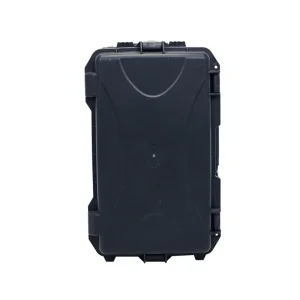
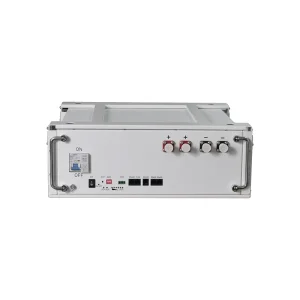
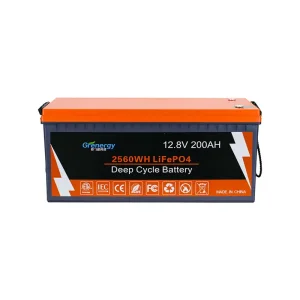
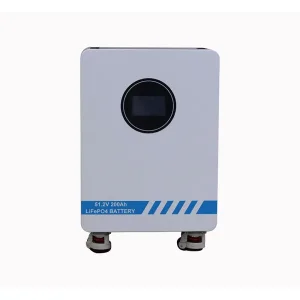
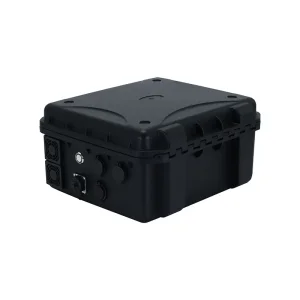
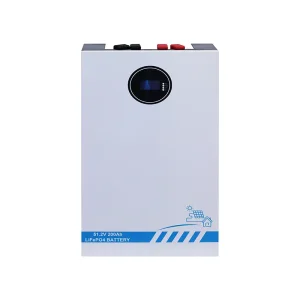
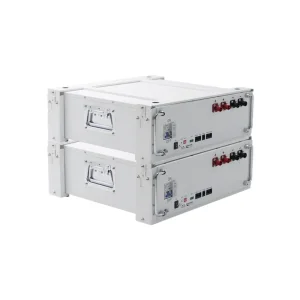
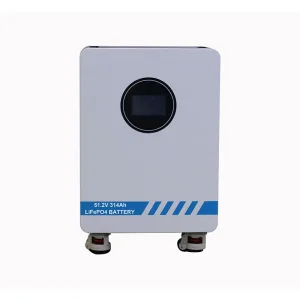
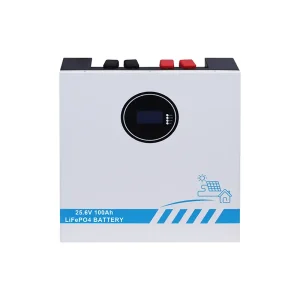
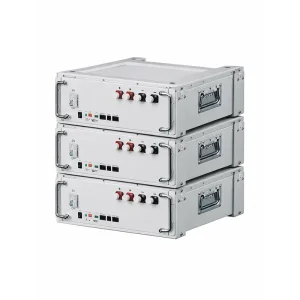
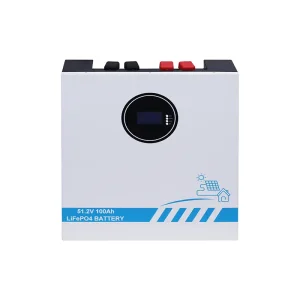
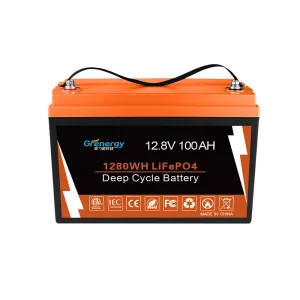
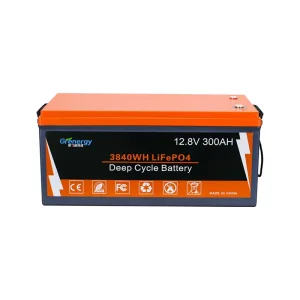
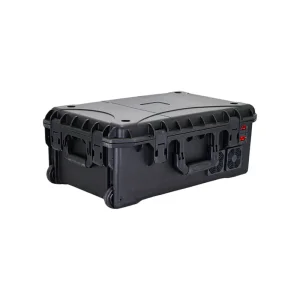
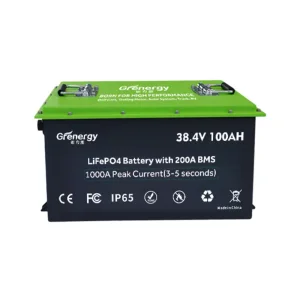
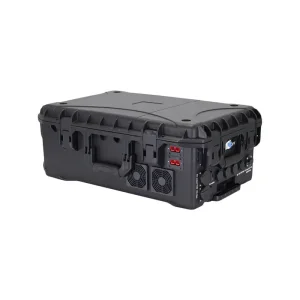
Premium OEM and ODM battery offerings optimized for international distribution, home backup, and high-capacity industrial integration.
A rigorous engineering comparison between Gel Lead-Acid and Lithium Iron Phosphate (LiFePO4) chemistries for strategic procurement.
Gel batteries represent the pinnacle of traditional lead-acid technology. They utilize a dust-fumed silica gel electrolyte, transforming the liquid sulfuric acid into a thick, immobile paste. This structure prevents leakage and acid stratification, offering moderate vibration resistance and a maintenance-free design.
However, gel batteries suffer from high internal resistance, low energy density, and structural limits regarding charge rates. While they are highly resilient in float/standby configurations, they experience rapid degradation under high-demand deep cycling or dynamic partial state of charge (PSOC) conditions.
LiFePO4 (LFP) chemistry utilizes a transition metal oxide cathode coupled with a carbonaceous graphite anode. This molecular structure offers exceptional thermal and chemical stability, completely eliminating the risks of oxygen release and runaway associated with older lithium chemistries.
With an integrated Battery Management System (BMS), LFP cells are constantly balanced, protected against overcharge/discharge, and operate at optimal temperature ranges. This ensures maximum safety, high efficiency, and an unparalleled cycle lifetime.
Volumetric Energy Density: LFP offers up to 150 Wh/kg, whereas Gel tops out around 30 Wh/kg. This leads to a footprint reduction of over 70% for equal storage capacities.
Round-Trip Efficiency: LFP routinely demonstrates 95% to 98% efficiency. In comparison, Gel systems experience significant energy losses, yielding only 80% to 85% round-trip efficiency due to internal heating during electrochemical conversion.
C-Rate Capabilities: ODM Lithium systems are capable of continuous 1C (and up to 3C surge) rates, while Gel systems perform sub-optimally under demands exceeding 0.2C, risking accelerated cell degradation.
| Performance Parameters | ODM Gel Lead-Acid Batteries | ODM Lithium Iron Phosphate (LiFePO4) |
|---|---|---|
| Cycle Life (80% DoD) | 500 - 1,000 Cycles | 4,000 - 6,000+ Cycles |
| Depth of Discharge (DoD) | Recommended 50% (Max 80% with high degradation) | Up to 90% - 100% Usable Capacity |
| Levelized Cost of Storage (LCOS) | High ($0.25 - $0.40 per kWh over lifespan) | Low ($0.05 - $0.08 per kWh over lifespan) |
| Charge / Discharge Efficiency | 80% - 85% due to high internal resistance | 95% - 98% minimal energy loss |
| BMS Integration & Monitoring | None (Passive system, prone to overcharging) | Integrated Smart BMS with CAN/RS485/Bluetooth |
| Weight / Density Ratio | Very Heavy (30-40 Wh/kg) | Ultra-Lightweight (110-150 Wh/kg) |
| Temperature Tolerance | Poor performance in sub-zero and extreme heat | Advanced Thermal range (-20°C to +60°C) |
How the choice of energy storage chemistry affects system architecture, integration costs, and global commercial feasibility.
Modern microgrid systems require fast charge acceptance to capture solar peak production window. LFP batteries support high charge rates, enabling rapid charge in under 2 hours, whereas Gel batteries require a slow charge curve (8-10 hours) to prevent venting and dryout.
Telecommunication towers are shifting away from Gel backup systems globally. High ambient temperatures degrade Gel cells rapidly, decreasing lifespans from 5 years to under 18 months, while active cooling systems create high operational expenses. LFP withstands high temperatures without significant degradation.
Industrial machinery, heavy automated guided vehicles (AGVs), and golf carts benefit significantly from LFP's high energy density and lack of voltage sag. Standard lead-acid Gel systems experience major voltage drop under heavy loads, decreasing equipment output efficiency.
Analyzing thermal characteristics and site conditions to dictate proper battery selection across various geographic regions.
For sub-zero climates (e.g., Northern Europe, Canada), standard lithium batteries face restrictions regarding charging below freezing points. At Grenergy, we solve this through our custom ODM LiFePO4 Heating Pad Integration. The smart BMS routes charging current to heat the cell block internally before starting active charging cycles, preserving long-term cycle health.
Conversely, for desert or tropical regions (Middle East, Central Africa), traditional Gel batteries dry out due to thermal outgassing. Grenergy’s high-temperature threshold cells operate efficiently up to 60°C without risk of thermal runaway, making LFP the preferred Choice over lead-acid.
In remote geographic settings without grid connectivity, regular deep discharge is unavoidable. An LFP solution provides full capacity access daily (90% DoD). If a Gel system experiences consistent deep discharge below 50%, its total functional lifespan is often cut down to under 12 months.
Our long-term R&D direction, showcasing the transition path toward next-generation battery chemistries.
As solid electrolyte technology reaches commercial scale, Grenergy's engineering department is actively adapting BMS and mechanical configurations. This will facilitate seamless integration of solid-state systems, doubling energy density while maintaining identical installation footprints.
Future battery designs will integrate cloud monitoring, allowing clients to monitor the state of health (SoH), temperature variations, and cell balancing telemetry in real time. Predictable maintenance protocols will replace traditional cycle logs.
Grenergy is developing standard practices to facilitate easy recycling. We focus on green manufacturing methods that ensure raw metals and lithium carbon compounds can be easily recovered at the end of the battery cycle life.
A trusted global leader in Lithium Iron Phosphate (LiFePO4) design, manufacturing, and customized OEM/ODM services.
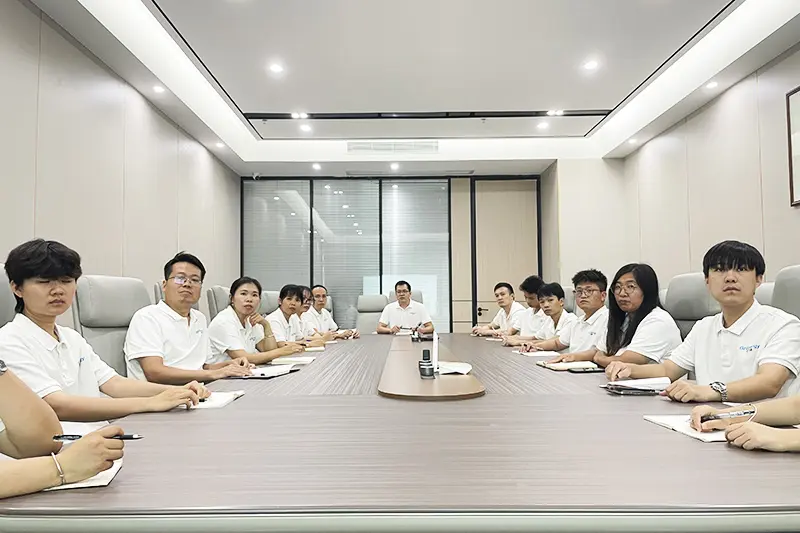
Shenzhen Grenergy Technology Co., Ltd., established in 2010, is a high-tech enterprise specializing in R&D and manufacturing lithium batteries, energy storage systems, power batteries, battery management systems, and all-in-one solutions. With a strong commitment to technological innovation, Grenergy has become a leading provider of energy solutions for various applications worldwide.
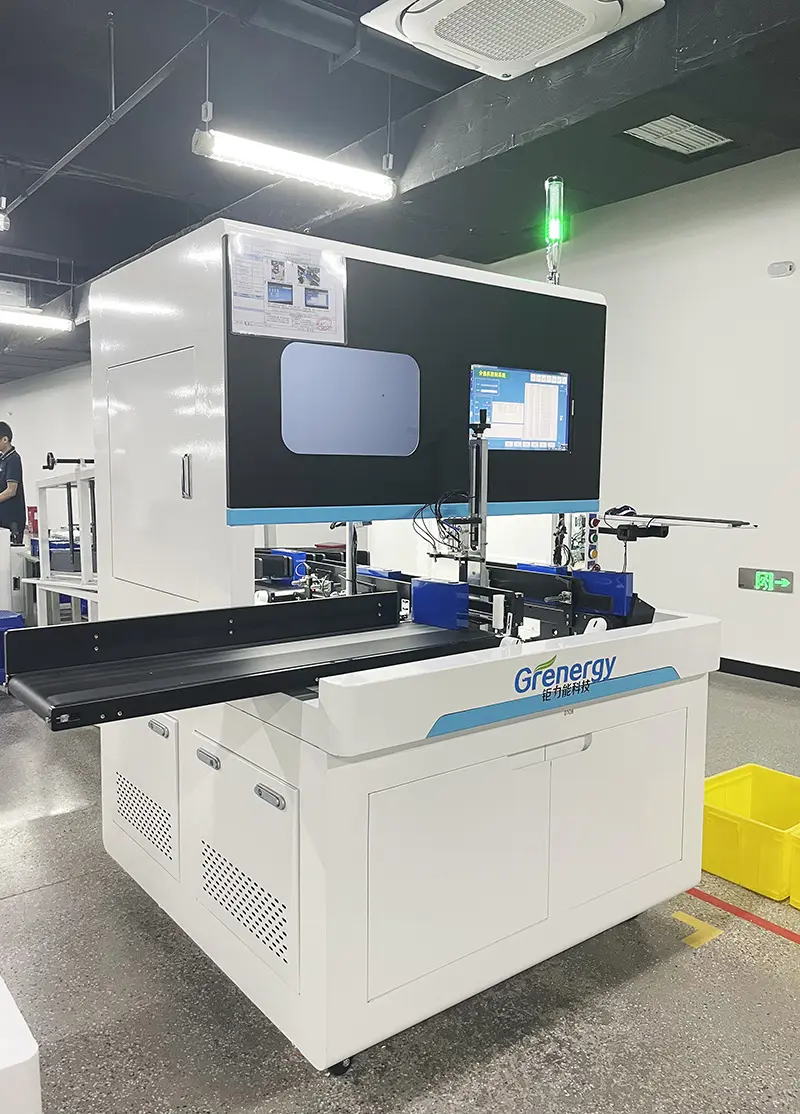
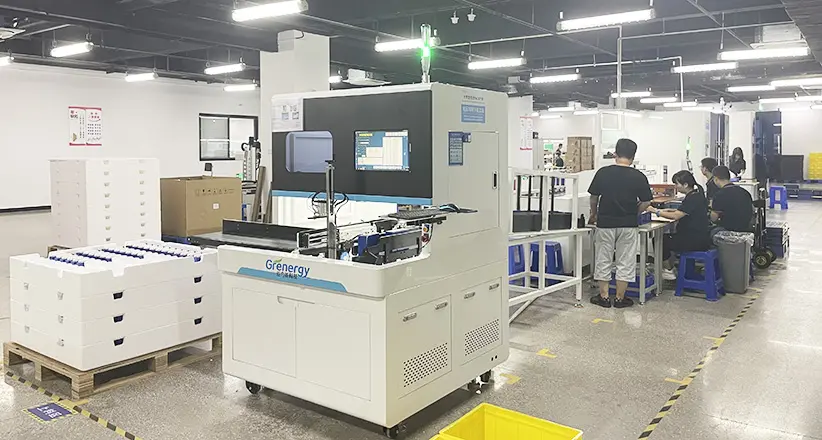
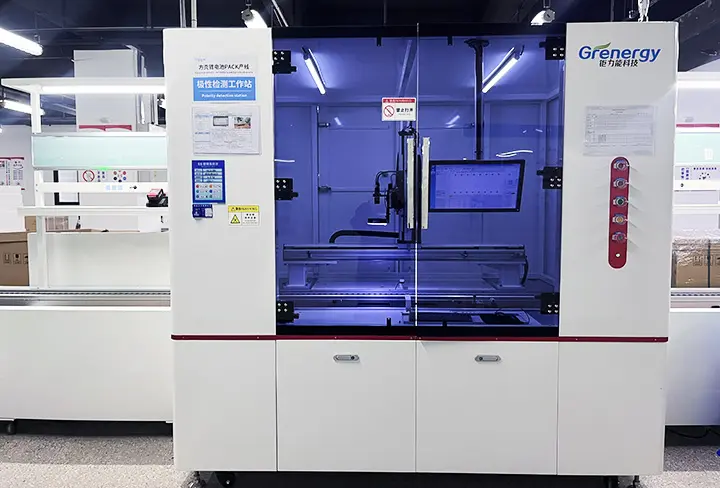
With nearly 10,000 square meters of production space and a team of 200 highly skilled professionals, we are fully equipped to deliver premium battery systems at scale. Over the years, we have consistently met international industry standards, earning certifications such as ISO9001, ISO14001, ISO45001, UL, CE, FCC, PSE, and UN38.3.
We also provide third-party product liability insurance worth $3 million USD for all products, ensuring our global clients can trust our reliability and commitment to service excellence.

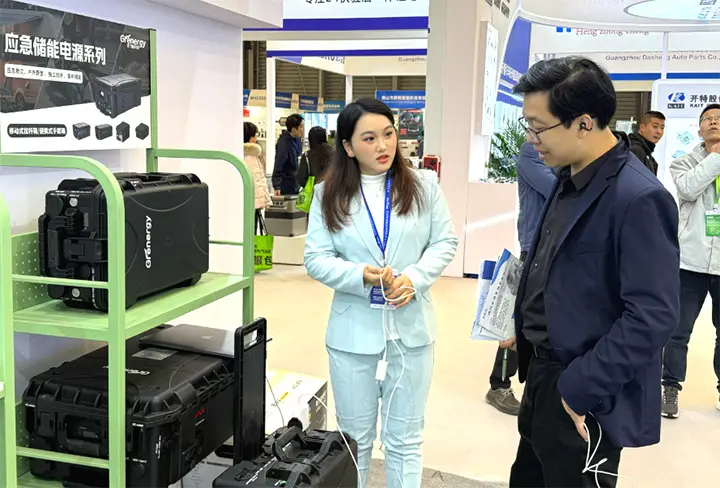
Since its establishment, Grenergy has focused on the development of sustainable energy solutions to meet the growing demand for efficient, reliable, and eco-friendly power systems. With over 10 years of expertise, Grenergy has developed a diverse product portfolio, including Lead-acid replacement lithium batteries, Wall-mounted power walls, Portable power stations, Mobile home energy storage systems, Trolley box portable power stations, and much more. We are committed to enhancing energy efficiency while reducing environmental impact.
Our core values include integrity, innovation, and customer satisfaction, which have been the foundation of our growth. Grenergy’s history is one of continuous improvement and dedication to providing advanced energy storage solutions to businesses and individuals globally.
We are proud to have partnered with some of the world’s leading organizations and technology providers. These collaborations help us bring the latest advancements in energy storage and management systems to market, providing our clients with the most efficient and innovative solutions available.
Don’t just take our word for it—our clients trust us to provide safe, high-performance energy storage systems that meet their needs. With global customers from various industries, including renewable energy, manufacturing, and transportation, we have built a reputation for delivering reliable, top-quality products.
Expert answers addressing the key considerations of system designers, wholesale buyers, and commercial operators.
Reliable home backup, customized wall-mounted, high-capacity, and portable trolley power stations for global deployment.
 Grenergy