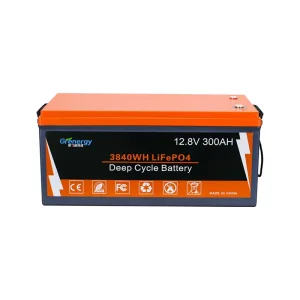
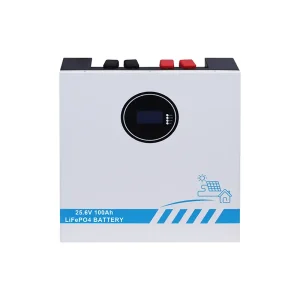
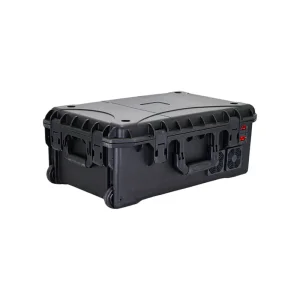
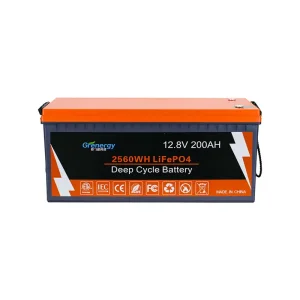
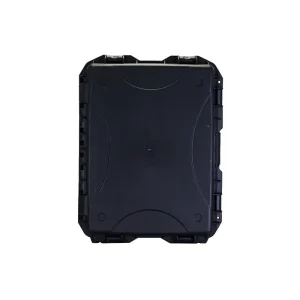
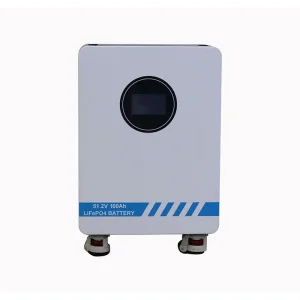
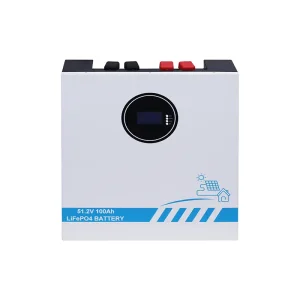
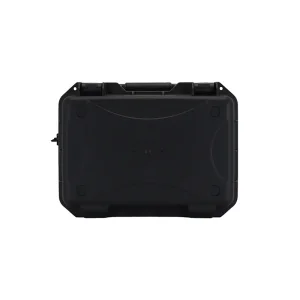
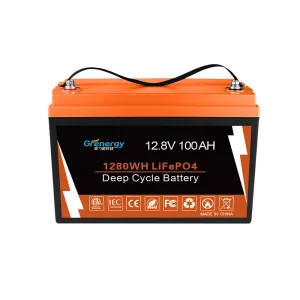
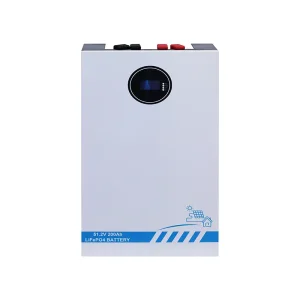
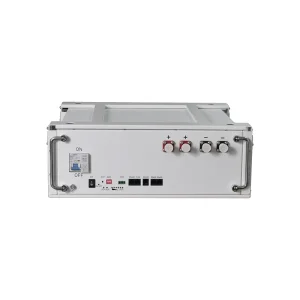
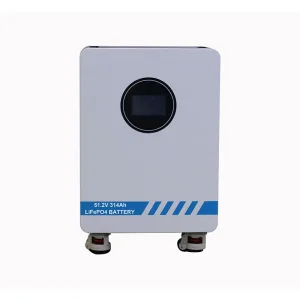
Premium customized products featuring advanced LiFePO4 battery technology for home, RV, and utility-scale operations.
Global energy markets are experiencing an unprecedented transition toward decentralized power grids. Driven by the instability of aging municipal infrastructures, extreme weather events, and volatile fossil fuel pricing, home energy security is no longer a luxury but an essential component of modern residential architecture.
Today's Home Backup Solar Systems are migrating from simple Lead-acid battery storage systems to high-voltage, high-efficiency lithium iron phosphate (LiFePO4) systems. These smart technologies communicate directly with the local grid, optimizing utility usage using real-time algorithmic forecasts.
The convergence of Virtual Power Plants (VPPs) and IoT energy monitoring has enabled homeowners to act as micro-utilities. By leveraging time-of-use (ToU) tariffs, residential storage devices automatically discharge stored power to the household during peak rate windows, maximizing return on investment and stabilizing the grid during high-demand events.
Modern residential storage nodes now integrate directly with regional grid operators, aggregating micro-batteries into virtual power arrays that support grid stabilization and generate passive revenue.
Algorithms continuously monitor grid tariff fluctuations, charging systems when energy is cheap/renewable and discharging when local pricing reaches its maximum peak.
B2B energy stakeholders, solar installation companies, and large-scale distributors evaluate home backup solar systems on parameters that extend far beyond initial cost metrics.
Installers prioritize premium LiFePO4 cells offering >6000 cycles at 80% Depth of Discharge (DoD), ensuring trouble-free operations and fewer warranty claims over a decade.
Enterprise procurement requires international validation including UL 1973, UL 9540A (thermal runaway prevention testing), IEC 62619, CE, and UN38.3 certifications.
OEM/ODM battery systems must support multi-brand communication protocols (CAN/RS485/Modbus) to pair with inverters from Victron, SMA, Growatt, and Solis.

Established in 2010, Shenzhen Grenergy Technology Co., Ltd. is a premier high-tech enterprise specializing in the research, development, and advanced manufacturing of lithium-ion batteries, energy storage systems, and comprehensive BMS management architectures.
Over more than a decade of research, Grenergy has optimized modular custom solutions for global partners, positioning itself as a trusted partner in the transitioning clean energy economy. The factory supports complete ODM and OEM capabilities, fabricating tailor-made configurations matching strict specifications.
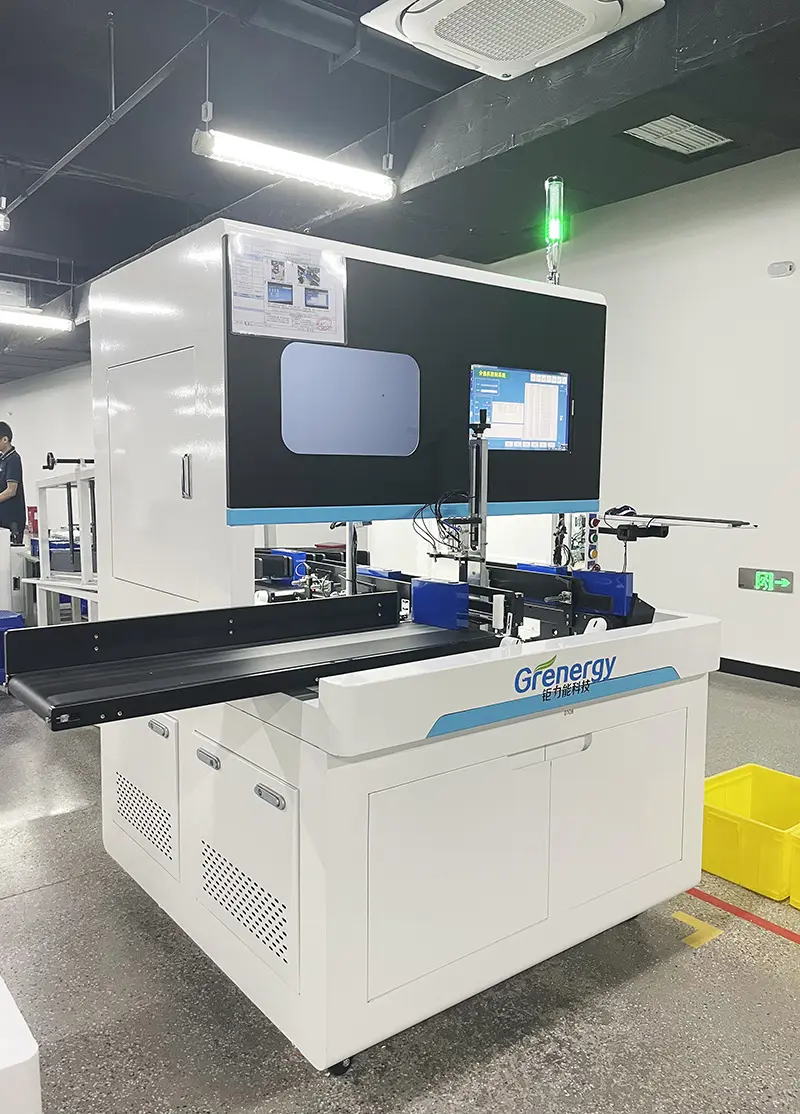
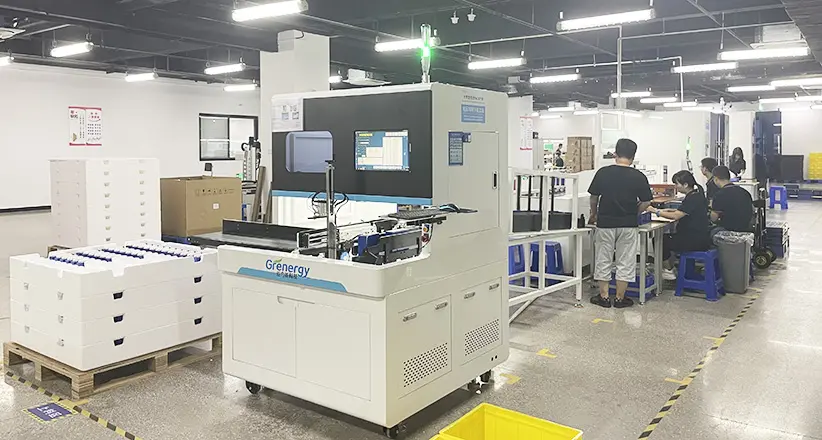
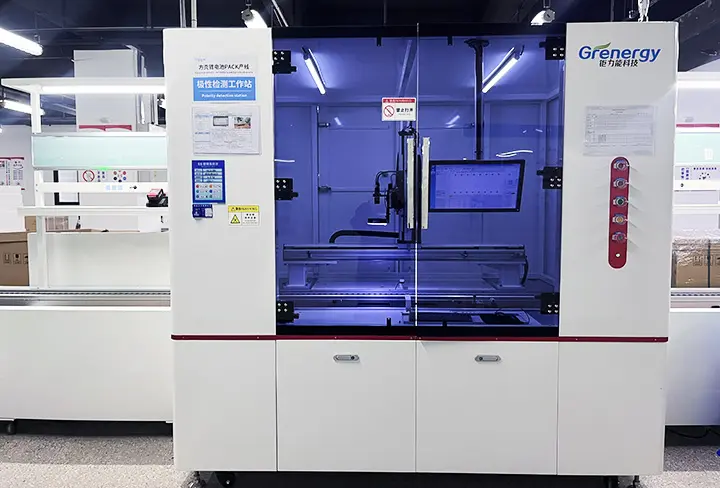
The manufacturing infrastructure of Grenergy embodies the paradigm shift of Industry 4.0. Precision laser-welding systems, automated cell grading machinery, and dynamic BMS testing hardware ensure that every modular unit matches rigorous quality control parameters.
By leveraging an integrated local component ecosystem in Shenzhen, Grenergy maintains supply chain resilience even amidst volatile international shipping environments. The manufacturing floor optimizes material workflows, decreasing lead times for customized wall-mounted batteries and larger floor-standing energy storage systems.
Furthermore, Grenergy operates with certifications like ISO9001, ISO14001, and ISO45001. This guarantees that operations comply with international environmental, occupational health, and quality management standards.
Home backup storage needs vary significantly across the globe. Analyzing local applications highlights the necessity of versatile, highly customizable battery designs.
Grid instability caused by seasonal wildfires and intense winter storms has driven the demand for high-capacity backup units. Heavy residential loads require scalable systems exceeding 15kWh capacity, with high surge output capability to support HVAC systems during blackouts.
High electricity tariffs in European markets have made self-consumption prioritization critical. Dynamic storage systems charge using surplus daytime PV generation and discharge at night, minimizing reliance on expensive grid power.
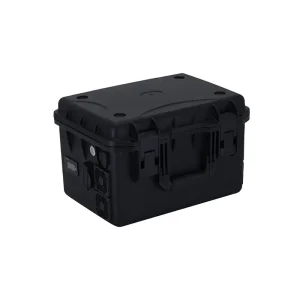
From modern mobile homes to remote water-pumping stations, rugged portable systems like the Trolley Power Station provide stable off-grid electricity under demanding environmental conditions.
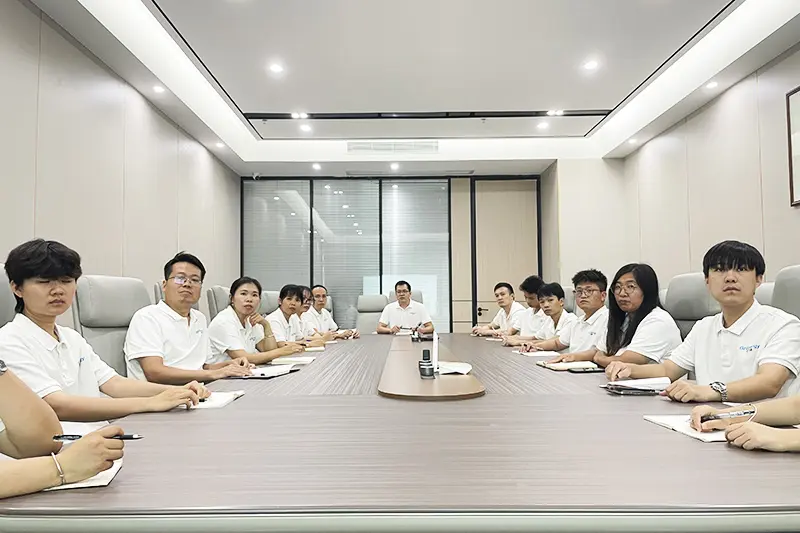
Grenergy’s brand story is built on engineering safety, long life, and high performance into our energy storage systems. Our partnerships with top global component suppliers ensure that we integrate the latest innovations in BMS and lithium cell technologies into our custom products.
From initial design to final validation, Grenergy's team supports distributors by customizing cabinet colors, output port profiles, and communication protocols. This collaborative approach makes our products installer-friendly and highly competitive in regional markets.
A comprehensive analysis of why Lithium Iron Phosphate (LFP) has become the global standard for residential and utility-scale energy storage systems.
LiFePO4 cells exhibit a high thermal runaway temperature of 270°C, compared to nickel-cobalt-aluminum (NCA) or nickel-cobalt-manganese (NCM) chemistries, which fail at ~150°C. This makes LFP inherently safer for indoor wall-mounted configurations.
LFP chemistry contains no cobalt or nickel, avoiding the ethical concerns and supply volatility associated with those raw materials. This makes them a more sustainable choice for eco-conscious residential installations.
Offering over 6000 cycles at 80% Depth of Discharge (DoD), LFP batteries provide a lower total cost of ownership over their lifespan compared to lead-acid batteries, which must be replaced every 2-3 years.
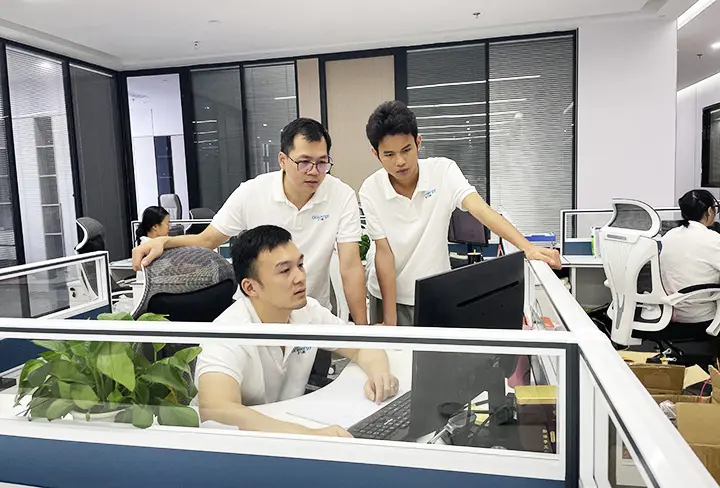
Through partnerships with leading research institutions and industry-certified laboratories, Grenergy continually refines its hardware and firmware designs. This active development loop ensures our products meet current safety, efficiency, and communication standards, providing top-tier products for residential applications worldwide.
Expert answers addressing the key design, safety, and business-focused questions from installers, engineers, and purchasing managers.
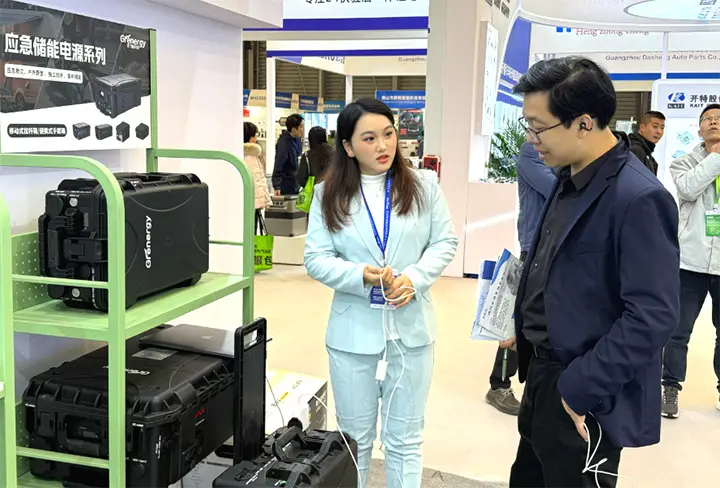
Explore our specialized range of high-efficiency wall-mounted batteries, rack-mounted modules, and portable trolleys.
 Grenergy