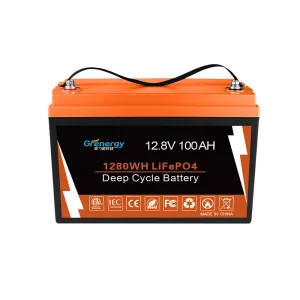
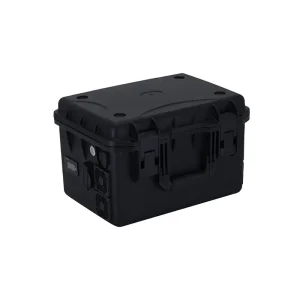
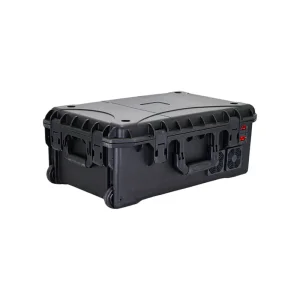
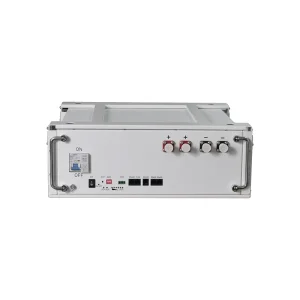
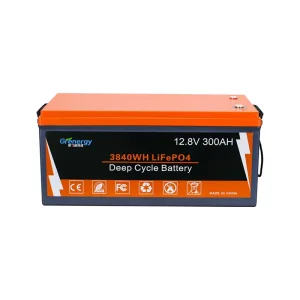
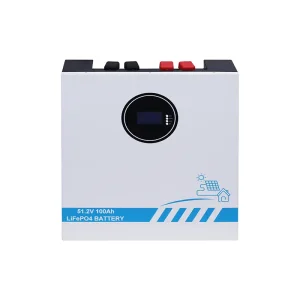
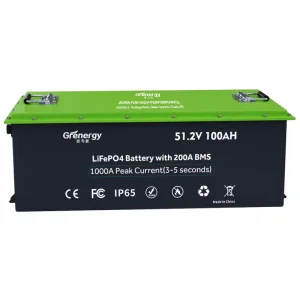
Explore our advanced ODM/OEM lithium battery assemblies, custom-engineered for maximum cyclic efficiency, longevity, and industrial reliability.
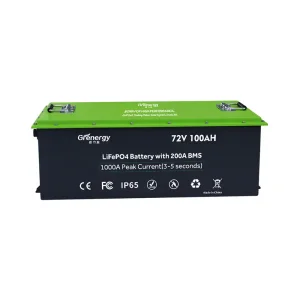
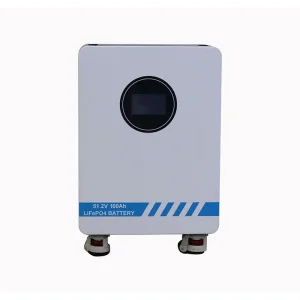
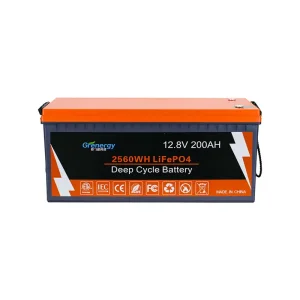
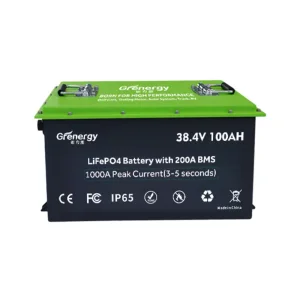
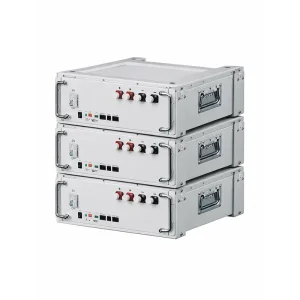
The global energy system is undergoing its most significant transition since the industrial revolution. Driven by ambitious decarbonization goals, rising grid volatility, and unprecedented power demands from advanced industries—including gigafactories, automated data centers, and massive electric vehicle charging hubs—the integration of local solar power coupled with robust Battery Energy Storage Systems (BESS) has transitioned from an environmental ideal to a core operational necessity.
Under this context, Original Design Manufacturing (ODM) solutions play a vital role. Global developers and enterprises no longer search for generic off-the-shelf battery assemblies. They demand integrated, high-voltage solutions engineered for specific thermal constraints, regional safety compliances, and variable load-management environments. Modern BESS integration is not merely about stacking lithium-ion cells; it is an optimization challenge that requires a deep understanding of hardware topologies, battery management systems (BMS), and power conversion technologies.
Furthermore, energy resilience has become a critical economic metric. In regions with fragile grid infrastructure or areas prone to climate-induced disruptions, commercial enterprises experience severe financial losses from short-duration voltage dips. An optimized ODM solar and storage design mitigates these risks through ultra-fast microsecond transfer times, seamless black-start capabilities, and dynamic peak-shaving strategies that protect downstream assets while reducing peak demand charges from utilities.
Shenzhen Grenergy Technology Co., Ltd. sits at the intersection of this transition. By leveraging our decade-long expertise in battery architecture and manufacturing, we specialize in delivering high-voltage lithium battery solutions, portable power grids, and cabinet-grade utility storage. Our systems are engineered to achieve high round-trip efficiency (RTE) while adhering to the most stringent international standards.
Shenzhen Grenergy Technology Co., Ltd., established in 2010, is a state-level high-tech enterprise specializing in the research, development, and advanced manufacturing of lithium-ion batteries, high-voltage battery management systems (BMS), power batteries, and comprehensive all-in-one commercial and residential energy storage systems.
For more than ten years, we have pursued a single mission: to empower global businesses and residences with robust, state-of-the-art energy storage systems that ease the transition to renewable power. By manufacturing everything from lead-acid replacement batteries to megawatt-scale rack-mounted solutions, Grenergy bridges the gap between clean energy generation and reliable, on-demand consumption.
Our operational framework values technical transparency, customer-centric engineering, and comprehensive quality control. With international certifications including ISO9001, ISO14001, ISO45001, UL, CE, FCC, PSE, and UN38.3, we provide global procurement managers with verified product reliability, backed by a $3 Million USD product liability insurance policy.

An inside look at how Grenergy leverages localized technology clusters, vertical integration, and advanced automation to deliver superior performance-to-cost metrics.
China's battery supply chain controls over 70% of the world's chemical processing and anode/cathode material production. Located in Shenzhen, the silicon valley of hardware, Grenergy enjoys immediate proximity to key raw materials and high-purity LiFePO4 cells. This dynamic allows us to minimize freight latency, optimize cell matching, and achieve rapid feedback loops between cell characterization and final pack design.
Our 10,000 square meter manufacturing floor incorporates automated sorting systems, laser-welding configurations, and computerized aging systems. By combining mechanical automation with highly specialized clean-room assembly, we ensure cell consistency (resistance variance < 0.2mΩ) while dramatically reducing overhead costs, enabling high-performance storage accessible to international buyers.
Western energy storage developers often struggle with multi-month iteration times for prototype modifications. Grenergy's team of hardware engineers can build and modify bespoke battery management systems (BMS), structural enclosures, and communication interfaces (supporting CAN, RS485, and RS232 protocols) within days, accelerating your time-to-market.
A look into Grenergy's history and operational facilities, displaying our dedication to sustainable technology.
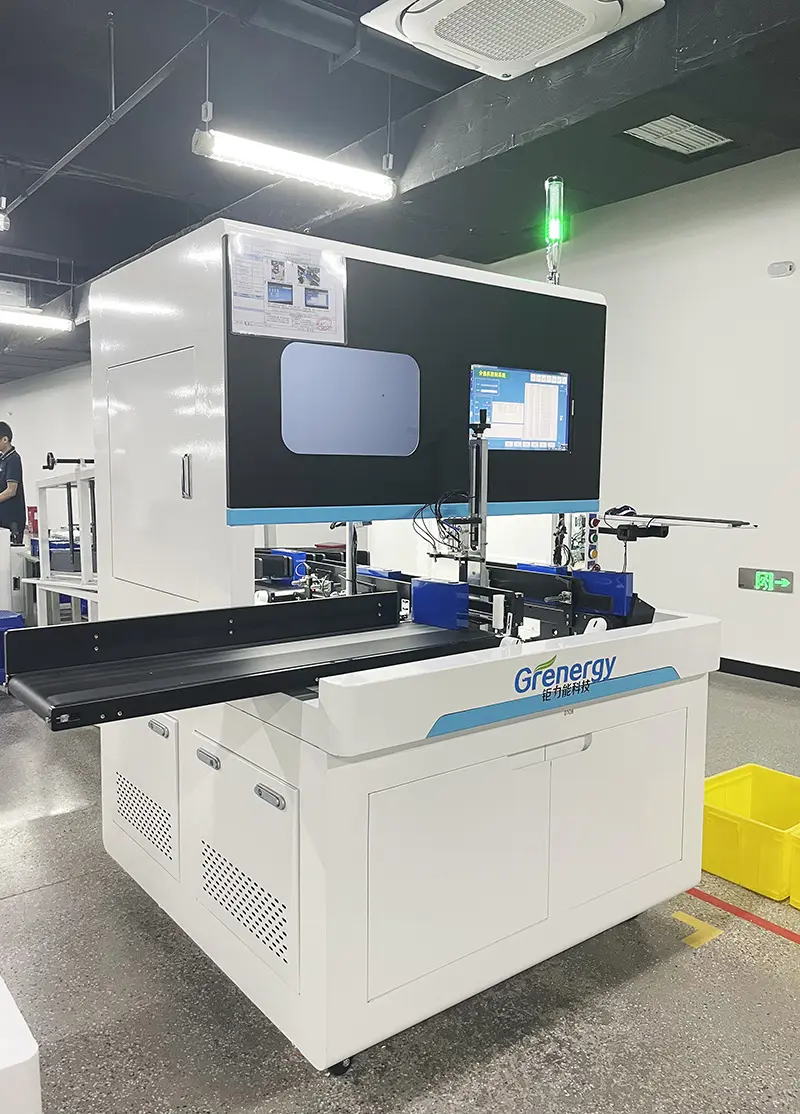
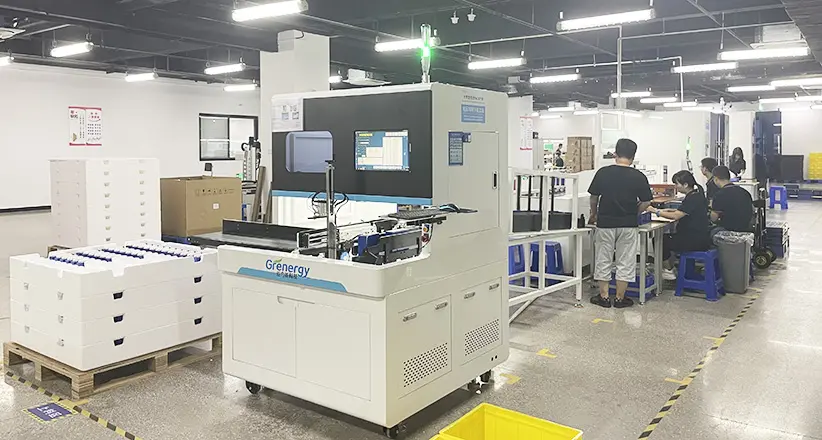
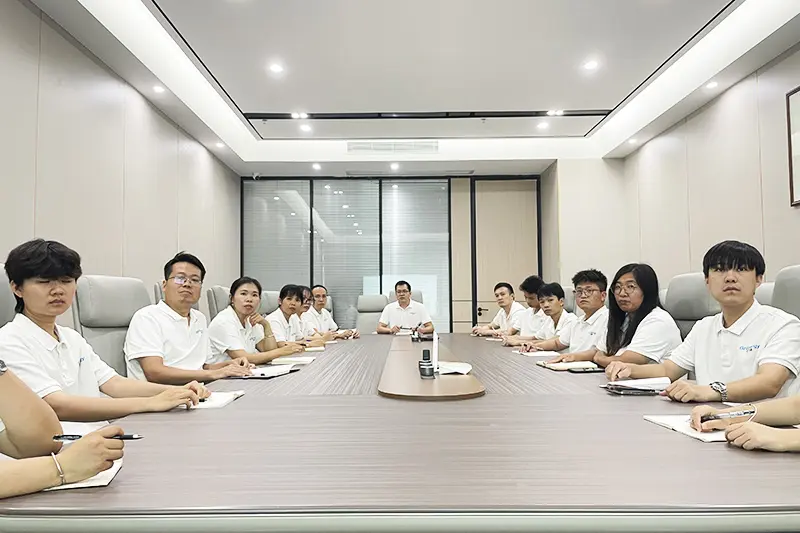
Since our founding, Grenergy has specialized in sustainable energy designs to meet the rising demand for safe, cost-efficient, and long-lasting energy storage configurations. Our R&D works hard to create products that perform consistently under tough thermal conditions and electrical stresses.
Our product portfolio ranges from high-voltage lithium battery solutions for electric utility vehicles to complex multi-megawatt battery cabinets. Every design undergoes strict vibration, thermal shock, drop-testing, and overcharge evaluations to ensure absolute reliability prior to shipment. We understand that in the energy sector, system failures result in operational downtime and safety risks, which is why we emphasize structural integrity and active safety protocols.
From sub-zero mining operations to complex commercial peak-shaving systems, Grenergy products are engineered for diverse environments.
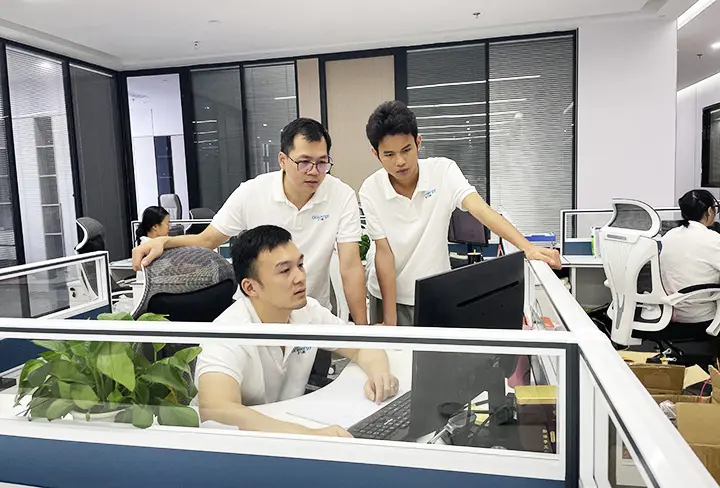
In regions like North America and Western Europe, demand charges account for up to 50% of an enterprise's monthly energy bill. Grenergy's rack-mounted and cabinet-style ESS configurations detect sudden demand spikes and discharge stored solar energy within milliseconds. This protects the localized grid and significantly reduces operating costs for manufacturing hubs.
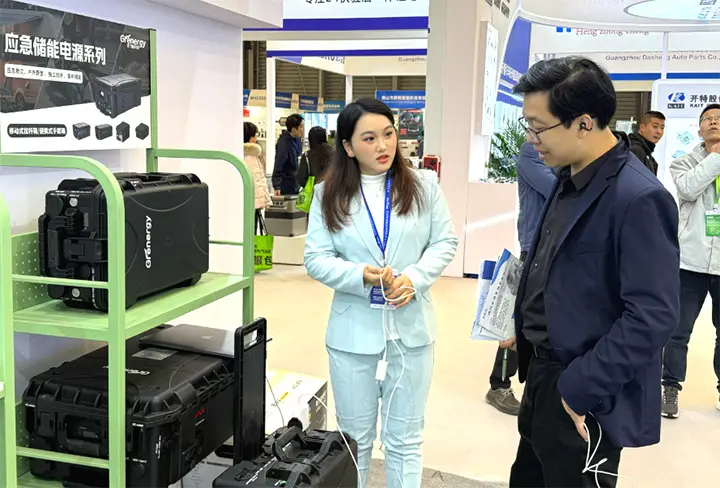
Industrial utility vehicles, AGVs, and golf carts require high transient current delivery without voltage sag. Our 76.8V high-voltage lithium systems are equipped with customized battery boxes that handle high shock and vibration levels. This configuration ensures consistent current output, quick charging capabilities, and over 4,000 deep cycles.
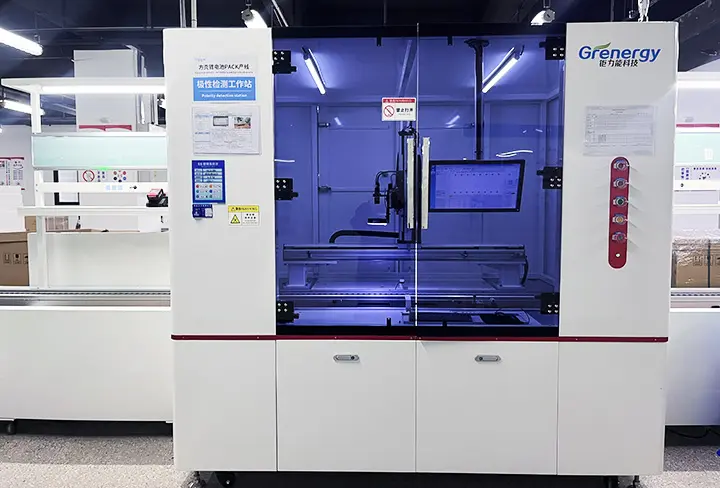
Establishing credibility in the energy storage industry requires more than just making promises—it demands external validation, rigorous compliance, and reliable product liability protection. Over the years, Grenergy has developed relationships with leading global solar distributors, EPC contractors, and component suppliers.
Our commitment to Quality, Safety, and environmental management is demonstrated by our comprehensive list of certifications. We operate an ISO-certified testing lab equipped with thermal chambers, high-current discharge stations, and detailed structural evaluation equipment. Our products feature international approvals to ensure smooth integration and compliance:
The integration of smart-grids, high-voltage battery topologies, and localized energy generation is defining the future of global power systems.
Moving from traditional low-voltage configurations to high-voltage designs represents a major trend in utility-scale and light EV energy storage. Higher operating voltages reduce the required system currents for a given power output. This allows for thinner cabling, smaller power conversion units, lower thermal losses, and improved overall round-trip efficiency.
Modern battery management systems do more than monitor voltage. By incorporating cloud-based analytics, machine learning, and advanced algorithms, smart BMS can predict cell deterioration, locate hot spots before thermal escalation occurs, and dynamically balance cells to extend operating lifespans by up to 25%.
While ternary lithium chemistries (NMC) offer high energy density, Lithium Iron Phosphate (LFP) is preferred for stationary storage applications. LFP provides excellent thermal stability, a minimal risk of runaway fire events, and a lifespan exceeding 6,000 charge cycles, making it the standard choice for modern commercial and residential installations.
Future energy systems will operate as decentralized nodes. Through intelligent internet-connected interfaces, localized storage systems can act together as a single virtual power plant, allowing owners to export energy back to the grid during peak pricing hours and optimize energy savings.
Direct technical answers from Grenergy's engineering department to help guide your sourcing and deployment decisions.
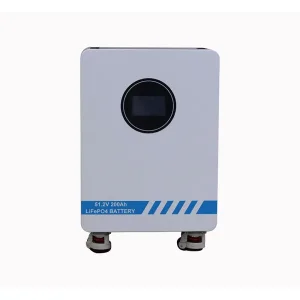
Explore our rack-mounted, cabinet-integrated, and highly mobile power stations built for harsh operating conditions.
 Grenergy