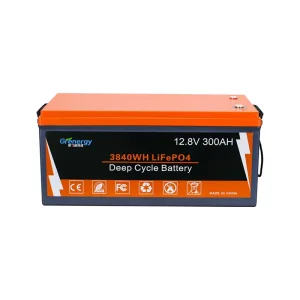
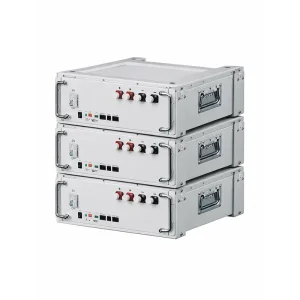
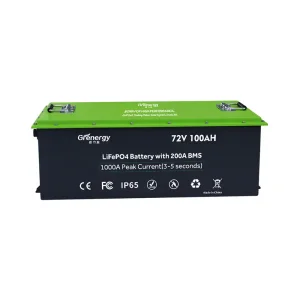
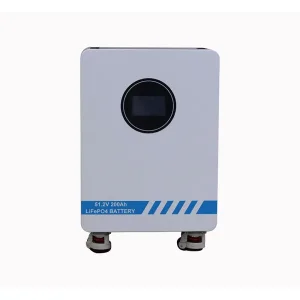
Premium customized configurations tailored for global OEMs, system integrators, and distributors.
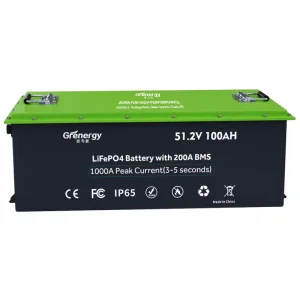
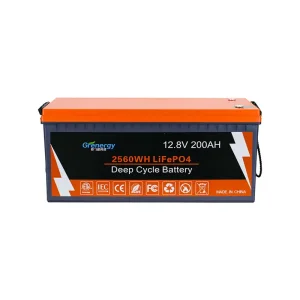
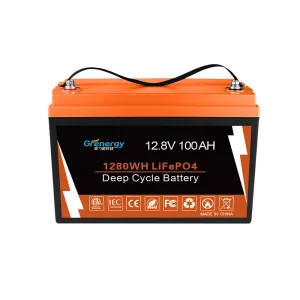
The industrial landscape for portable, marine, and off-grid power has shifted decisively toward Lithium Iron Phosphate (LiFePO₄) chemistry. At the center of this transition is the 12V 4S 200A system. Configured with four series-connected (4S) cells operating at a nominal 3.2V each, this layout yields a nominal 12.8V—making it the ideal drop-in replacement for traditional 12V lead-acid systems while delivering 10 times the cycle life and significantly reduced weight profiles.
However, the cell chemistry is only as reliable as the Battery Management System (BMS) safeguarding it. A continuous 200A rating demands precise thermal mitigation, industrial-grade power MOSFET configurations, and robust microcontrollers. For global OEMs and procurement managers, partnering with qualified exporters and factories is essential to guarantee that safety parameters, communication protocols, and cell balancing architectures align with demanding application requirements.
Grenergy stands at the forefront of this manufacturing domain, combining custom OEM/ODM capabilities with advanced engineering standards to produce robust, scalable 12V lithium solutions for worldwide markets.

Shenzhen Grenergy Technology Co., Ltd. has spent over a decade refining its proprietary battery topologies. By integrating data-driven quality loops from cell sorting to final functional testing, we ensure every pack leaving our assembly line meets strict safety margins.
| Technical Parameter | Standard Specification | Premium OEM Configurations |
|---|---|---|
| Nominal Voltage | 12.8 V (4S configuration) | High-voltage variations up to 76.8V available |
| Continuous Charge/Discharge Current | 200 A | Customized peak surge configurations (up to 400A for 3-5 seconds) |
| BMS Balancing Method | Passive Balancing (approx. 50mA) | Active Balancing options (1A to 2A balancing currents) |
| Communication Interfaces | No Comms / Basic LED Indicator | Bluetooth, CANbus, RS485, RS232, custom SMBus integrations |
| Cell Grades Used | Grade A prismatic LiFePO₄ cells | Fully traceable barcoded cell lots with strict matching delta V < 2mV |
| Thermal Protection | Single NTC on main heatsink | Multi-channel NTC monitoring (cells, MOSFETs, and ambient environment) |
Managing 200A continuously at 12V generates substantial thermal loads (P = I²R). Our technical architecture is designed to minimize power dissipation while optimizing cell safety margins.
Continuous 200A current requires arrays of high-performance MOSFETs configured in parallel. Grenergy designs custom copper busbars and uses premium automotive-grade MOSFETs with RDS(on) values under 0.8 milliohms. This minimizes heat dissipation and eliminates the need for bulky active fan cooling systems.
Our smart BMS lines integrate high-resolution TI or Nuvoton analog front-ends paired with 32-bit ARM processors. This combination enables precise State of Charge (SoC) and State of Health (SoH) calculations, correcting for temperature fluctuations and load transients in real-time.
We deploy primary hardware-level protections alongside secondary software-level interrupts. If a critical overcurrent or short circuit occurs, the analog comparator triggers shutoff in microseconds, isolating the cell matrix and preventing thermal runaway.
Since Shenzhen Grenergy Technology Co., Ltd. was established in 2010, the global energy storage landscape has experienced dramatic transformation. Initially focusing on standard battery packs, we recognized the limitations of lead-acid systems and early-stage lithium cobalt oxides. This prompted us to pivot towards lithium iron phosphate (LiFePO₄) chemistry—a technology that matches our safety and longevity standards.
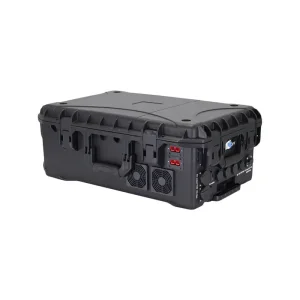
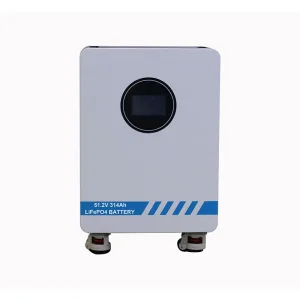
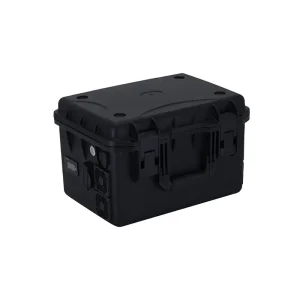
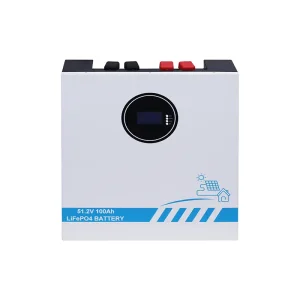
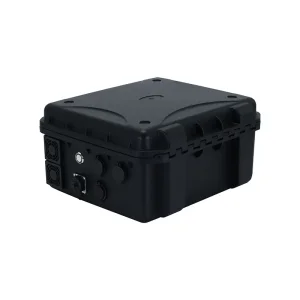
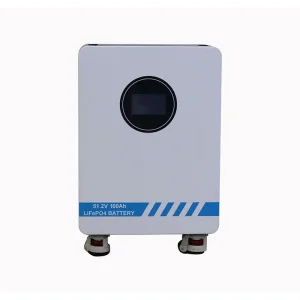
Over the last decade, we have built a diverse portfolio, including lead-acid replacement batteries, wall-mounted power walls, portable power stations, mobile home energy storage systems, and heavy-duty trolley box power stations. Our commitment to sustainability drives our R&D team to continuously lower cell resistance and increase energy density.
Grenergy's trajectory is defined by a dedication to quality and technological innovation. Integrity, customizability, and customer satisfaction remain the core principles guiding our global partnerships with distributors, utility providers, and manufacturing enterprises.
The 12V 200A configuration serves as a versatile utility architecture across major commercial sectors. Its compatibility with traditional 12V electrical systems enables seamless transition paths.
RV house batteries and auxiliary marine applications require steady energy output with high surge tolerances for onboard appliances, windlasses, and air conditioners. Our 200A BMS supports high charge rates from alternators and solar arrays, reducing charge times and enabling deep cycling down to 100% Depth of Discharge (DoD) without cell degradation.
Reliable backup power is crucial for distributed remote telecom base stations. Our smart 12V lithium batteries offer long cycle life, high temperature tolerance, and optional RS485 telemetry. This enables remote network operation centers (NOCs) to monitor battery health metrics without on-site technician dispatches.
Automated Guided Vehicles (AGVs) and heavy-duty factory carts require consistent voltage curves to prevent system drops during acceleration. Our low-impedance cell design combined with 200A BMS boards supports rapid opportunistic charging, optimizing uptime in automated warehouses.
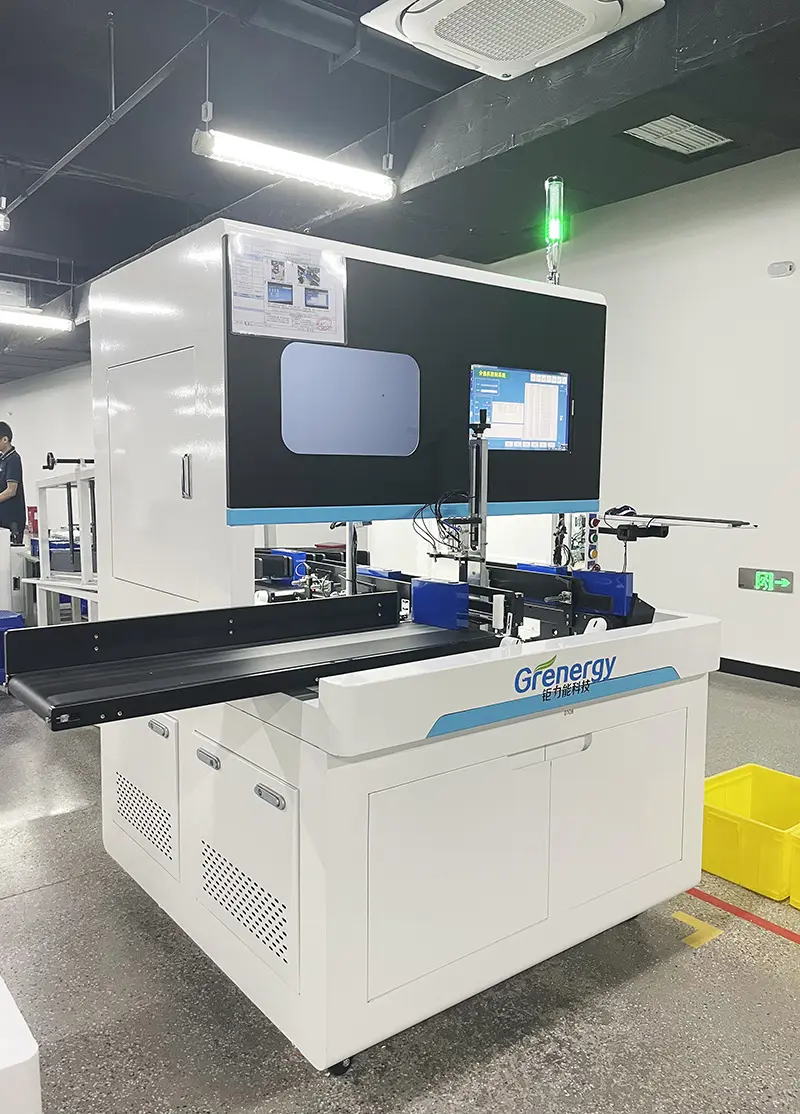
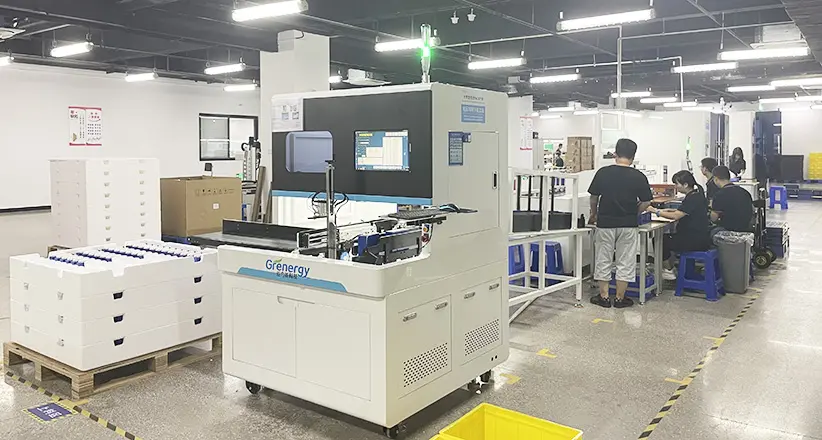
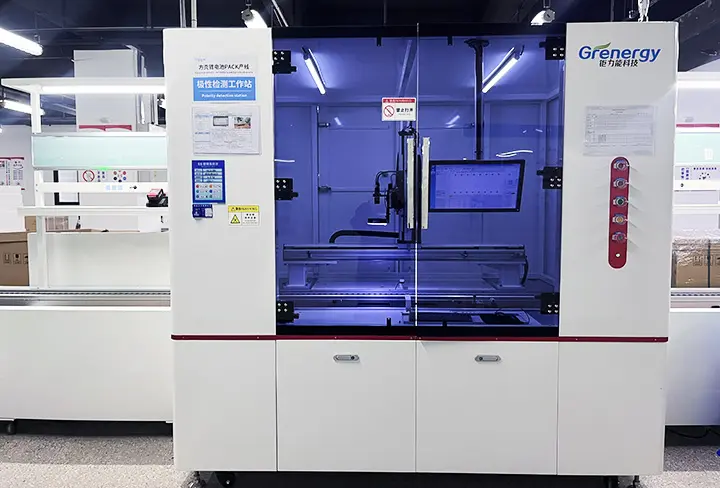
As a leading supplier based in Shenzhen, Grenergy operates a modern factory that blends automated precision with lean manufacturing methodologies. Our production facility is equipped to handle complex OEM/ODM projects at scale while maintaining tracebility.
Global distribution of lithium batteries requires strict adherence to international safety and transport rules. Failure to comply can lead to customs holds, transit delays, or legal liability.
Grenergy addresses these regulatory requirements through third-party certifications, including ISO9001, ISO14001, ISO45001, UL, CE, FCC, PSE, and UN38.3. This ensures our battery assemblies and individual cells comply with international fire safety and mechanical stability standards.
To provide peace of mind for our international clients, we carry a $3 million USD product liability insurance policy. This comprehensive coverage helps protect importers, distributors, and integration partners against potential liabilities, supporting smooth operations in global markets.
As energy storage requirements advance, Grenergy continues to invest in next-generation lithium battery and BMS architectures.
We are integrating low-power LTE-M and NB-IoT modems directly into our BMS designs. This will allow fleet operators to monitor cell status, geographic location, and real-time degradation metrics via cloud dashboards.
Our R&D team is testing semi-solid state cell integration. This technology aims to improve safety by reducing liquid electrolyte volume while boosting gravimetric energy density to over 200 Wh/kg.
To maximize capacity in aged packs, we are refining software-driven active charge-transfer circuits. These systems dynamic-balance cells during both charging and discharging phases, extending operational life.
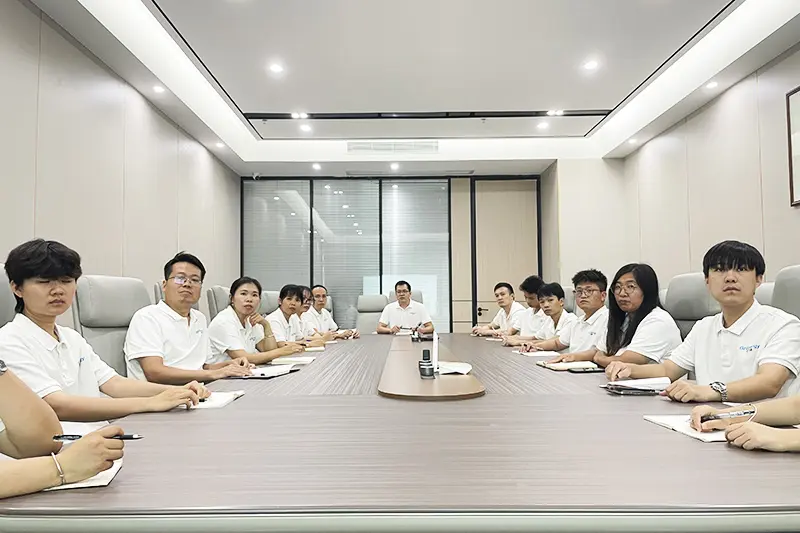
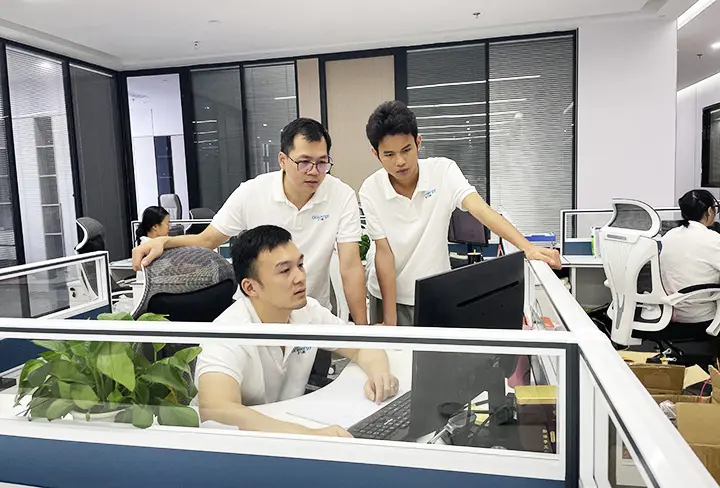
At Grenergy, we view our business relationships as long-term collaborations. We work closely with key chip manufacturers, premium cell suppliers, and testing laboratories to ensure our designs incorporate proven technologies.
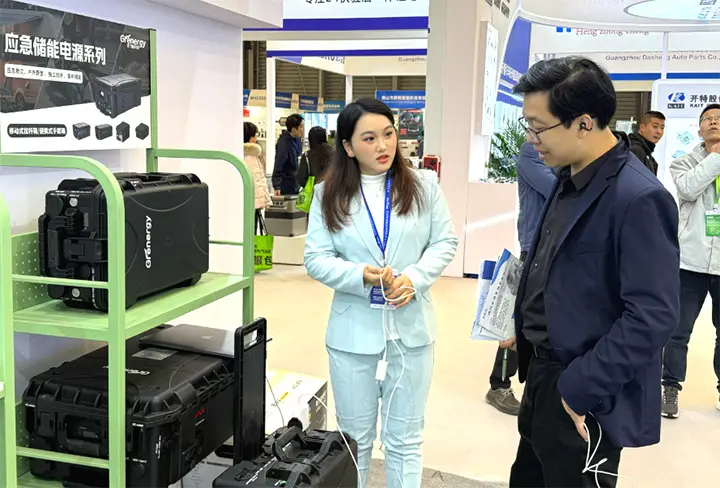
Through cooperation with global logistics networks and engineering firms, we ensure that our batteries are packaged, certified, and delivered safely to your facilities, meeting the operational requirements of international markets.
"Transitioning our specialized utility vehicle fleet to Grenergy's custom 12V 200A LiFePO4 packs resolved our previous reliability issues. Their team customized the CANbus register maps to integrate smoothly with our vehicle control units. The traceability data provided with every shipment demonstrates their commitment to quality."
— Lead Integration Engineer, European EV Manufacturer
Common engineering and procurement questions answered by our technical department.
A continuous 200A discharge generates heat based on internal resistance. We address this by using parallel MOSFET structures to lower resistance and mounting them to an aluminum heatsink. Additionally, multiple temperature sensors monitor critical zones to trigger safety shutdowns if temperatures exceed safe operating limits.
Yes. Our smart BMS boards allow customization of safety profiles, including low-temperature charge cutoff thresholds (typically set at 0°C). For extreme environments, we can integrate heating film controls directly into the BMS, utilizing incoming charging current to warm the cells before charging begins.
Passive balancing bleeds off excess charge from high-voltage cells as heat, typically limited to low currents (approx. 50mA). Active balancing transfers energy from higher cells to lower cells with higher efficiency and balancing currents (often 1A to 2A), which is useful for maintaining capacity balance in high-capacity systems.
Our systems support standard communication interfaces, including CANbus (for inverter and vehicle integration), RS485 (for multi-battery paralleling), RS232, and Bluetooth for mobile app monitoring. We also provide protocol documentation for system programming.
All incoming cells undergo a sorting process. We screen for capacities, AC/DC resistance, and voltage stability. Cells are matched into groups with low cell-to-cell delta values to help prevent voltage imbalances during cycling.
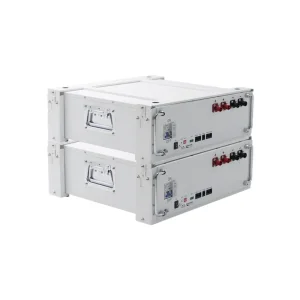
Explore our full range of lithium storage solutions, from portable power stations to integrated cabinet systems.
 Grenergy