Lithium Iron Phosphate (LiFePO4) has emerged as the premier chemistry for heavy-duty energy storage systems (ESS), recreational vehicles (RVs), electric utility vehicles, and critical home backups. However, maximizing the longevity, efficiency, and safety of these batteries requires strict adherence to electrochemical thresholds. Foremost among these parameters is the Bulk Charge Voltage.
In a standard multi-stage charging algorithm (typically Constant Current / Constant Voltage, or CC/CV), the bulk phase represents the initial stage where the charger delivers constant current to bring the battery pack up to approximately 80% to 90% of its state of charge (SOC). The Bulk Charge Voltage is the target voltage setpoint at which the charger transitions from the constant-current mode to the constant-voltage (absorption) mode. For single LiFePO4 cells, the nominal voltage is 3.2V, while the peak safe charge limit is generally accepted as 3.65V. Any charging past this limit risking lithium plating, electrolyte degradation, and cell-swelling.
Professional Insight: Charging at a bulk voltage of 3.65V per cell allows for maximum energy storage extraction but accelerates chemical stress. For system integrators looking to push cycles past 5000+, calibrating the bulk charge setpoint to 3.50V - 3.55V per cell (e.g., 14.0V - 14.2V for a 12.8V nominal pack) yields a minor 1-2% reduction in capacity but extends lifetime cycle profiles by up to 40%.
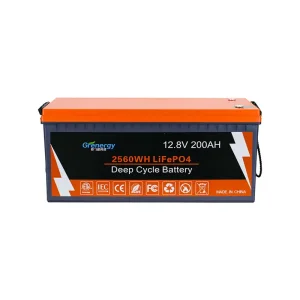
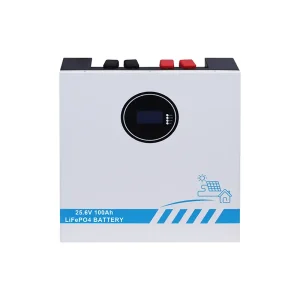
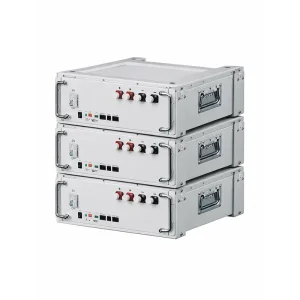
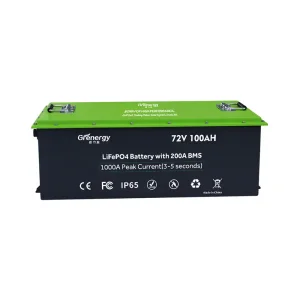
Determining the correct bulk charge voltage is not a one-size-fits-all equation. It is heavily influenced by the cell configuration (number of series cells, or "S"), the operational ambient temperature, the capabilities of the integrated Battery Management System (BMS), and the B2B applications. Below is the OEM-recommended calibration index across major pack configurations manufactured by Grenergy.
| System Configuration | Nominal Voltage (V) | Recommended Bulk Charge (V) | Absorption Voltage Range (V) | Float Charge Voltage (V) | Over-Voltage Cutoff (V) |
|---|---|---|---|---|---|
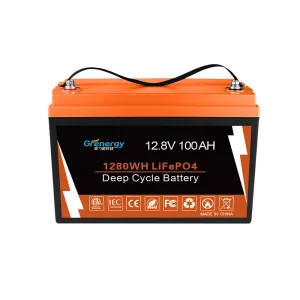
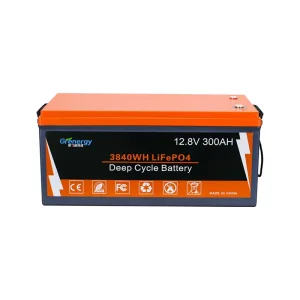
| 4S Pack (e.g., 12.8V RV Battery) | 12.8V | 14.4V - 14.6V | 14.2V - 14.4V | 13.5V - 13.6V | 14.8V |
| 8S Pack (e.g., 25.6V Marine/Stationary) | 25.6V | 28.8V - 29.2V | 28.4V - 28.8V | 27.0V - 27.2V | 29.6V |
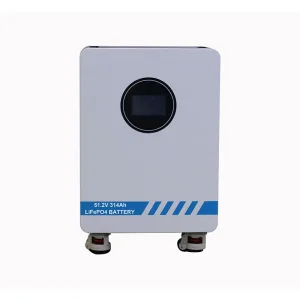
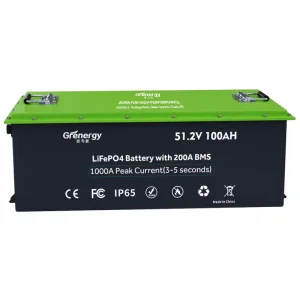
| 16S Pack (e.g., 51.2V Home Powerwall) | 51.2V | 57.6V - 58.4V | 56.8V - 57.6V | 54.0V - 54.4V | 59.2V |
| 24S Pack (e.g., 76.8V Heavy Duty Golf Cart) | 76.8V | 86.4V - 87.6V | 85.2V - 86.4V | 81.0V - 81.6V | 88.8V |
Established in 2010, Shenzhen Grenergy Technology Co., Ltd. is a high-tech pioneer specializing in the R&D, assembly, and worldwide distribution of lithium batteries, comprehensive energy storage systems, advanced power batteries, and specialized battery management systems (BMS).
Through persistent dedication to electro-chemical reliability, Grenergy delivers top-tier clean energy solutions to clients across the globe. Since our inception, we have focused on sustainable battery configurations designed to serve as direct lead-acid replacements, high-voltage powerwalls, and mobile commercial power containers.

Grenergy’s core value system has always centered around integrity, technical innovation, and customer-first alignment. For over a decade, we have optimized battery assembly, advanced our BMS architecture, and scaled up production efficiency to keep pace with changing international market standards.
Our history is defined by a commitment to helping heavy machinery operators, marine vehicle builders, RV owners, and telecom hubs pivot from toxic lead-acid or unstable lithium cobalt oxide structures to safe, high-performing, and cycle-stable LiFePO4 packs.
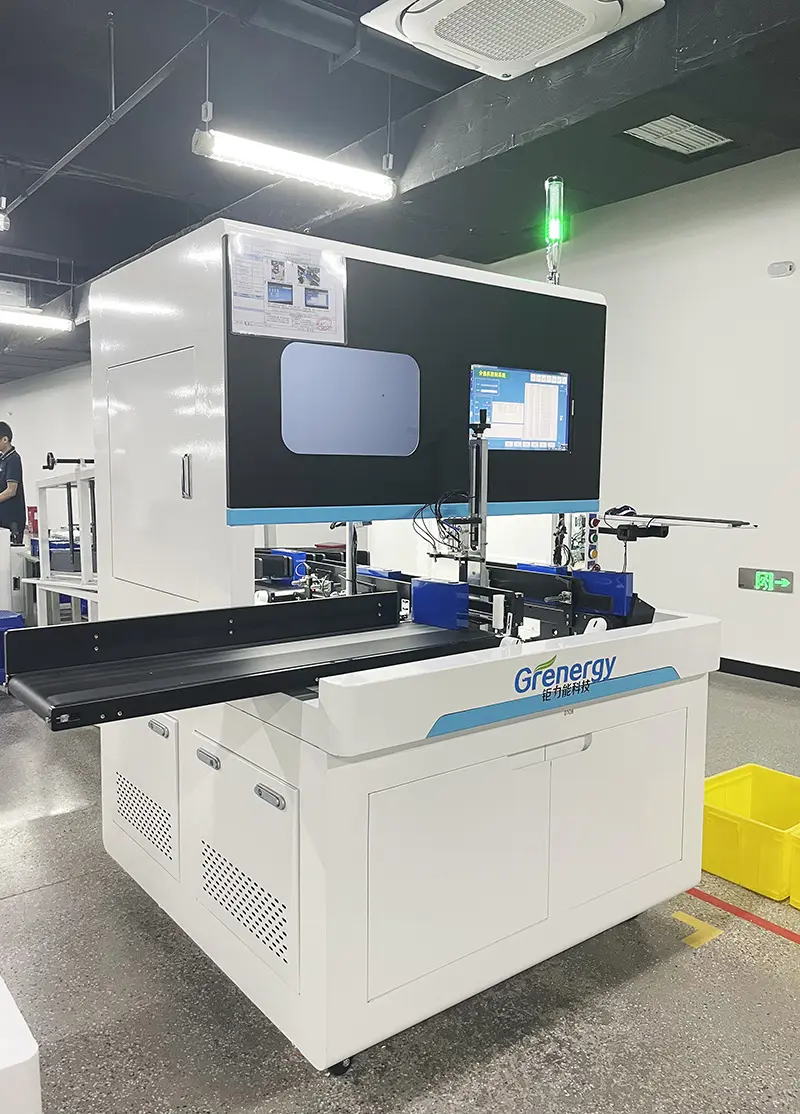
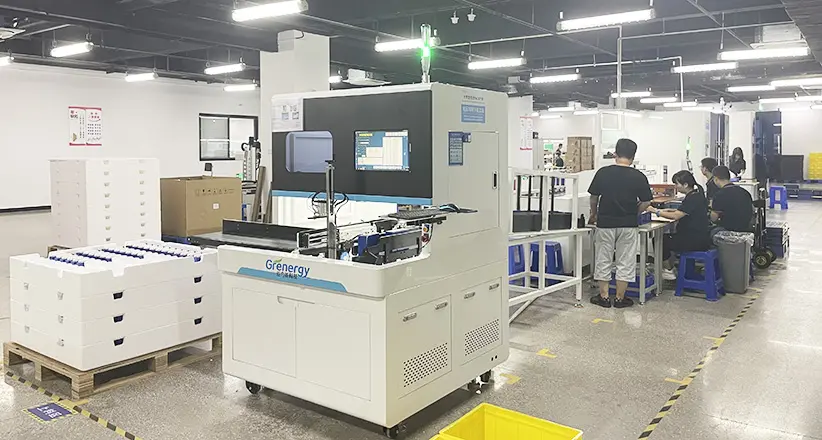
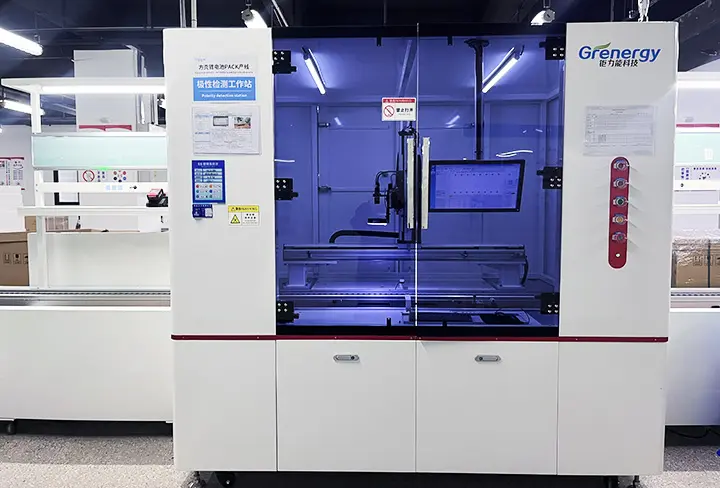
We deploy precise automated machinery to group individual cells based on internal resistance, self-discharge rate, and discharge capacity, ensuring uniform voltage charging characteristics across large packs.
Every battery pack undergoes multi-cycle bulk-to-cutoff aging tests. Under strict load profiles, thermal cameras detect dynamic hot spots, validating BMS voltage balance profiles before sealing.
Grenergy specializes in customizing the smart BMS firmware to protect the cells from over-charging and over-discharging, ensuring that the bulk, absorption, and float voltage levels align perfectly with external charging sources.

With a sprawling 10,000 square meter factory floor, we combine the flexibility of bespoke OEM engineering with high-capacity manufacturing. Our logistics network maintains highly integrated supply lines directly from Tier-A grade cell suppliers, allowing us to maintain competitive pricing, reliable delivery timelines, and consistent production quality.
To support global buyers, our engineers focus on verifying real-world charge curves. Under test conditions, a typical 12.8V battery using Grenergy's default settings completes 90% of its capacity recovery in the bulk charging stage within 2 hours under 0.5C charging rate.
Our commitment is backed by international standards. Grenergy holds core ISO certifications (ISO9001, ISO14001, ISO45001) alongside product specific global requirements. We also offer a $3 million USD Product Liability Insurance cover, reflecting our commitment to risk reduction for commercial installations.
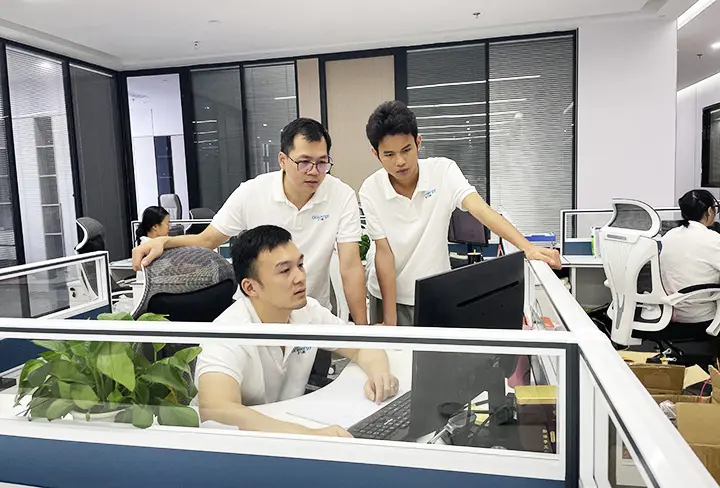
We work to develop energy systems that facilitate transition away from reliance on fossil fuels. We prioritize sustainable practices across our operational departments—from clean soldering techniques to high-efficiency power recycling during cycle testing.
Through close coordination with system integrators, inverter manufacturers, and solar developers, we ensure that Grenergy batteries connect easily into existing power systems.
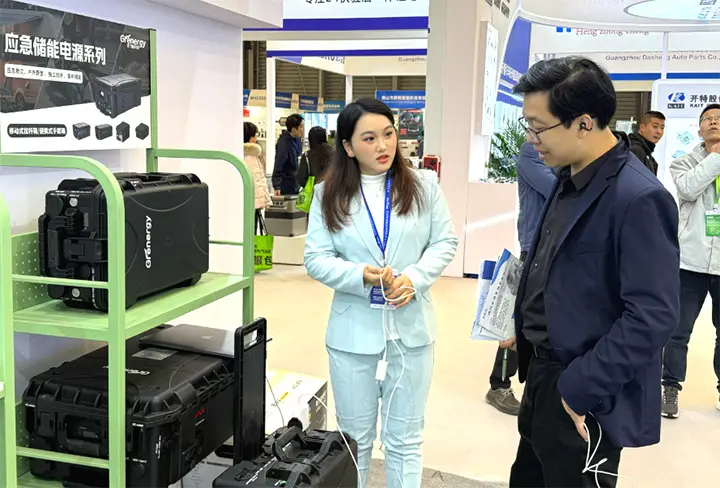
By coordinating design with global inverter manufacturers (such as Victron, Growatt, and Sol-Ark) and specialized heavy vehicle developers, we ensure that our batteries maintain communications compatibility via CANbus and RS485 interfaces. This enables plug-and-play installation for global end-users, ensuring charge controller profiles and bulk/float settings are recognized correctly by the equipment.
For B2B buyers—procurement managers, engineering heads, and system integrators—ordering battery packs from China involves identifying a supplier with engineering depth, scale, and compliance documentation. The key criteria when assessing an OEM factory include:
As the clean energy landscape shifts, battery charging management is moving towards smart, dynamic system monitoring. The traditional constant bulk charge setpoint is being replaced by temperature-compensated smart bulk charging. By monitoring ambient and cell core temperatures, the BMS adjusts bulk and absorption limits in real-time, preventing low-temperature lithium plating during cold conditions.
Furthermore, cloud-connected IoT systems allow fleet operators to monitor battery SOH (State of Health) in real-time, adjusting bulk charge target limits as the battery ages. This extends the working lifecycle of large commercial installations.
 Grenergy