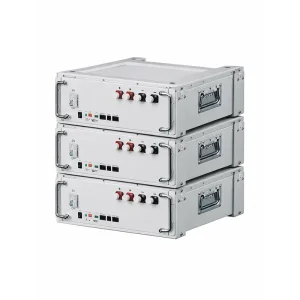
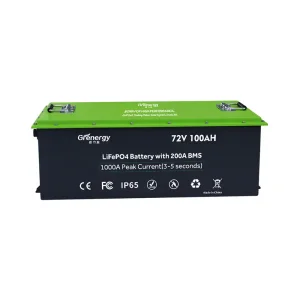
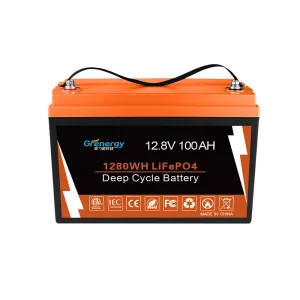
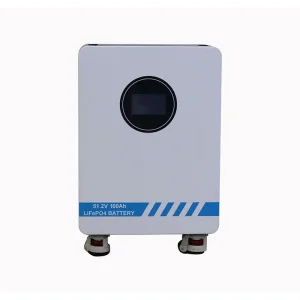
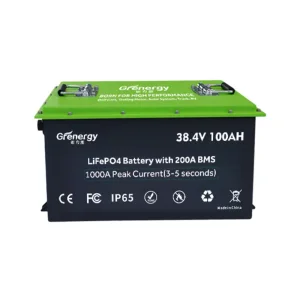
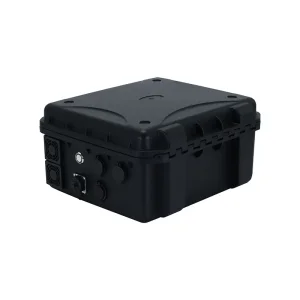
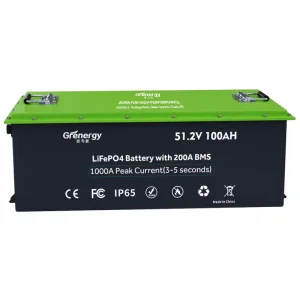
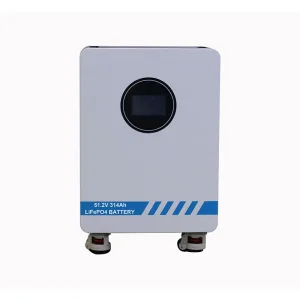
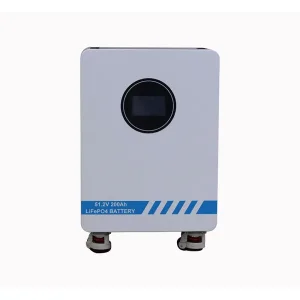
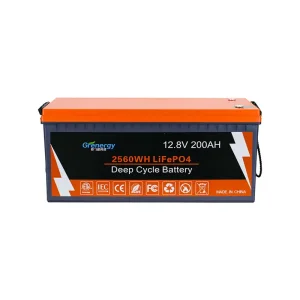
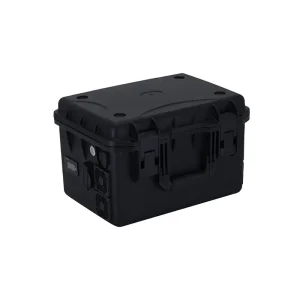
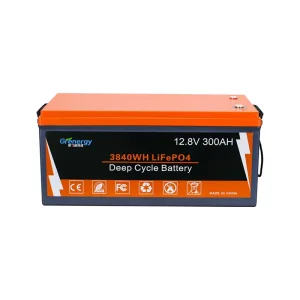
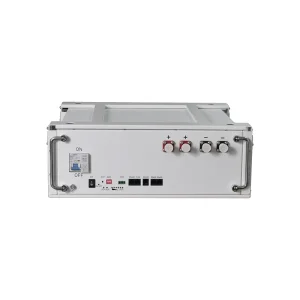
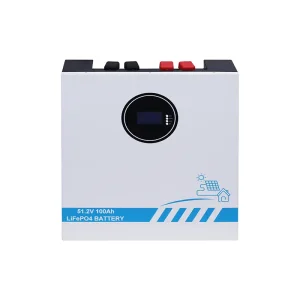
High-efficiency lithium ion battery systems designed for industrial, residential, and off-grid configurations.
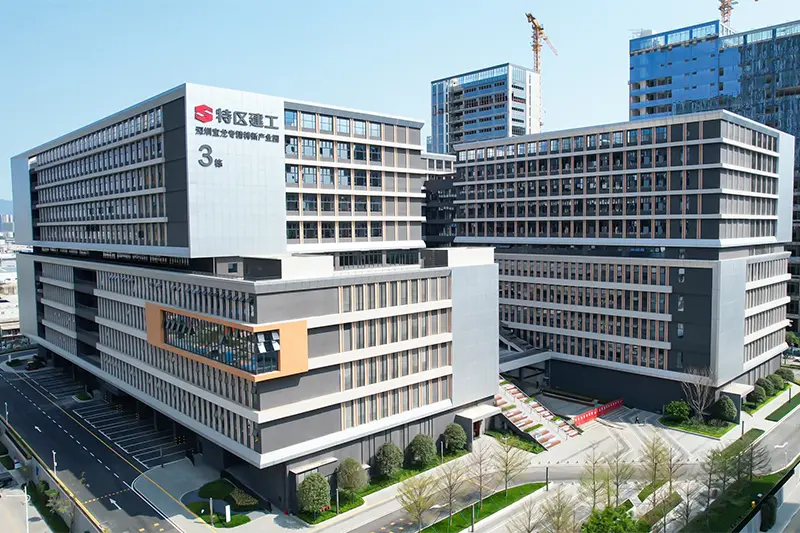
Established in 2010, Shenzhen Grenergy Technology Co., Ltd. is a distinguished high-tech pioneer specializing in the Research & Development, manufacturing, and global exportation of advanced lithium battery storage systems. Under intense global demand for reliable grid stabilization and off-grid solar storage, Grenergy has systematically expanded to offer comprehensive, vertically integrated energy solutions.
Our focus encompasses utility-scale battery systems, commercial and industrial (C&I) energy storage systems (ESS), customizable power battery modules, and proprietary Battery Management Systems (BMS). Driven by technological innovation, we serve as a trusted OEM/ODM manufacturing partner for developers, EPC contractors, and distributors worldwide.
Deciphering technical criteria, total cost of ownership (LCOS), and regulatory barriers for international projects.
In modern industrial procurement, selecting a Lithium Ion Solar Battery Bank is no longer simply about cost-per-kilowatt-hour. Complex supply chains, strict safety criteria, and regional grid integration codes dictate strict technical specifications. Global enterprises require solutions that minimize the Levelized Cost of Storage (LCOS) while ensuring system safety throughout its operational lifespan (10–15 years).
Industrial scale procurement teams evaluate performance on several fronts: high round-trip efficiency (RTE > 92%), deep depth of discharge (DoD > 90%), cell balancing capability, and comprehensive thermal runaway mitigation. We satisfy these specifications by sourcing premium Grade-A LiFePO₄ (Lithium Iron Phosphate) cells and implementing precise quality assurance methods at every assembly stage.
Maximizing cycle count (6000+ cycles @ 80% SOH) to reduce replacement frequency and overall cost per megawatt-hour processed.
Employing inherently safe LiFePO₄ chemistry, structured to avoid thermal runaway even in high temperature environments.
Meeting local grid compliance codes (such as UL1973, UL9540A, CE-LVD, and UN38.3) to enable rapid project commissioning.
Scalable energy storage architecture addressing peak-shaving, microgrids, and critical backup demands.
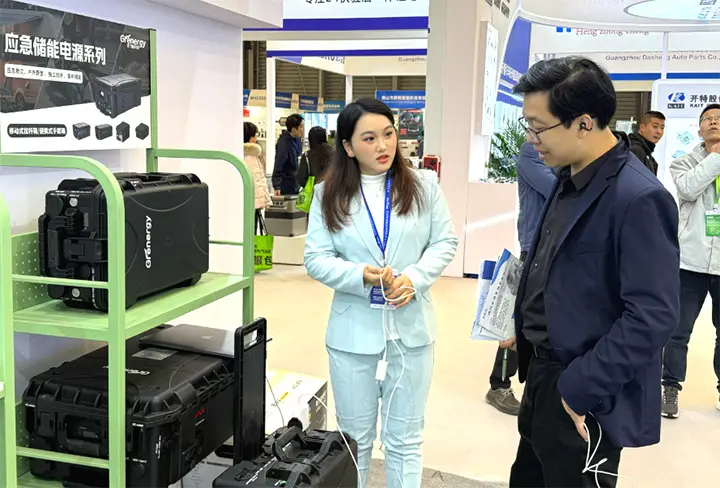
Our solutions target key macro-level industrial applications:
1. Commercial & Industrial (C&I) Peak Shaving: High-capacity floor-mounted and rack systems allow companies to store energy during off-peak times and discharge it during peak rates, reducing utility charges.
2. Telecom Base Station Stability: Modular 48V/51.2V rack systems provide continuous backup power for telecom installations, enduring demanding environmental conditions without active HVAC cooling.
3. Microgrid & Off-grid Integration: Combining modular lithium banks with solar arrays and local generation stabilizes microgrids, providing dependable power to remote communities and mining installations.
| Application Scenario | Recommended Voltage Configuration | Ideal Capacity Bandwidth | Key Operational Parameters |
|---|---|---|---|
| Residential Solar Storage | 51.2V Nominal | 100Ah - 314Ah (5.12kWh - 16kWh) | Floor/Wall Mounted, Smart App Integration, CAN/RS485 Communication |
| C&I Peak Shaving & Backup | 102.4V - 768V High Voltage | 200Ah - 1000Ah+ (Up to MW scale) | Air/Liquid Cooling, Rack Cabinets, Three-Tier BMS Protection |
| Telecom & Edge Computing | 48V / 51.2V Modular | 50Ah - 200Ah | Standard 19-inch Rack Compatibility, Hot-swappable configuration |
| Mobile & EV Support | 25.6V - 76.8V Variable | 42Ah - 300Ah | IP65 Vibration Resistance, Customized Enclosures, High Peak Discharge |
The physics, chemistry, and hardware engineering that define Grenergy systems.
Unlike standard ternary lithium-ion chemistries (NMC/NCA), Lithium Iron Phosphate (LFP) maintains structural stability up to 500°C. LFP exhibits low degradation rates, ensuring up to 6,000 deep discharge cycles at 80% depth of discharge.
Our Battery Management Systems monitor critical cell factors: voltage, temperature, current, state of charge (SoC), and state of health (SoH). Passive balancing algorithms match cell voltages to prevent hot spots and uneven wear.
Batteries feature structured cells encased in flame-retardant enclosures. Custom heavy-duty aluminum busbars minimize resistance and heat generation during prolonged high-current discharge cycles.
Next-Gen Cell Engineering (314Ah Migration): Grenergy is shifting key product lines to high-density 314Ah LFP cells. Compared to conventional 280Ah cells, these deliver a 12% improvement in volumetric energy density, enabling larger systems in standard footprints.
Smart Grid Communications: All our systems support modern communication protocols (CAN, Modbus, RS485). This facilitates integration with hybrid inverters and SCADA energy management programs.
A decade-long commitment to sustainable engineering, precision manufacturing, and environmental integrity.
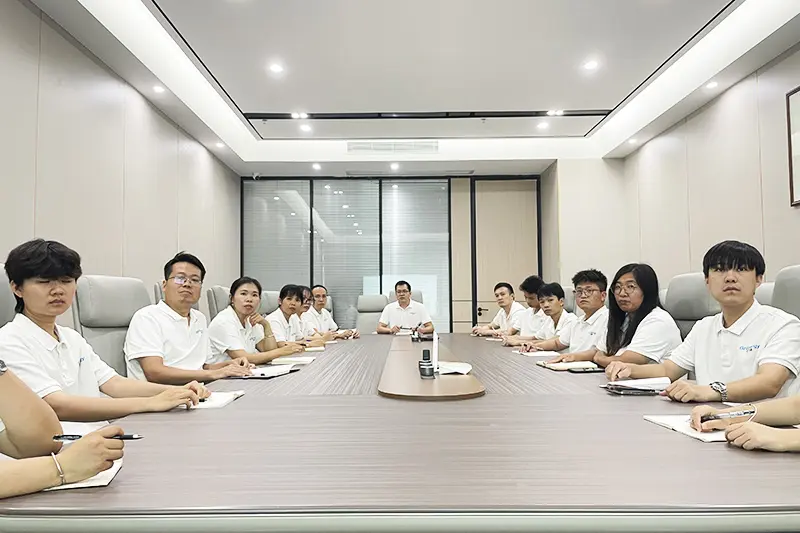
Since 2010, Grenergy has focused on developing sustainable energy storage to replace legacy lead-acid batteries with high-performance lithium systems. Over the years, we have expanded our portfolio to include wall-mounted power walls, rack ESS, portable power stations, and trolley-style systems, helping clients in diverse sectors shift to sustainable power.
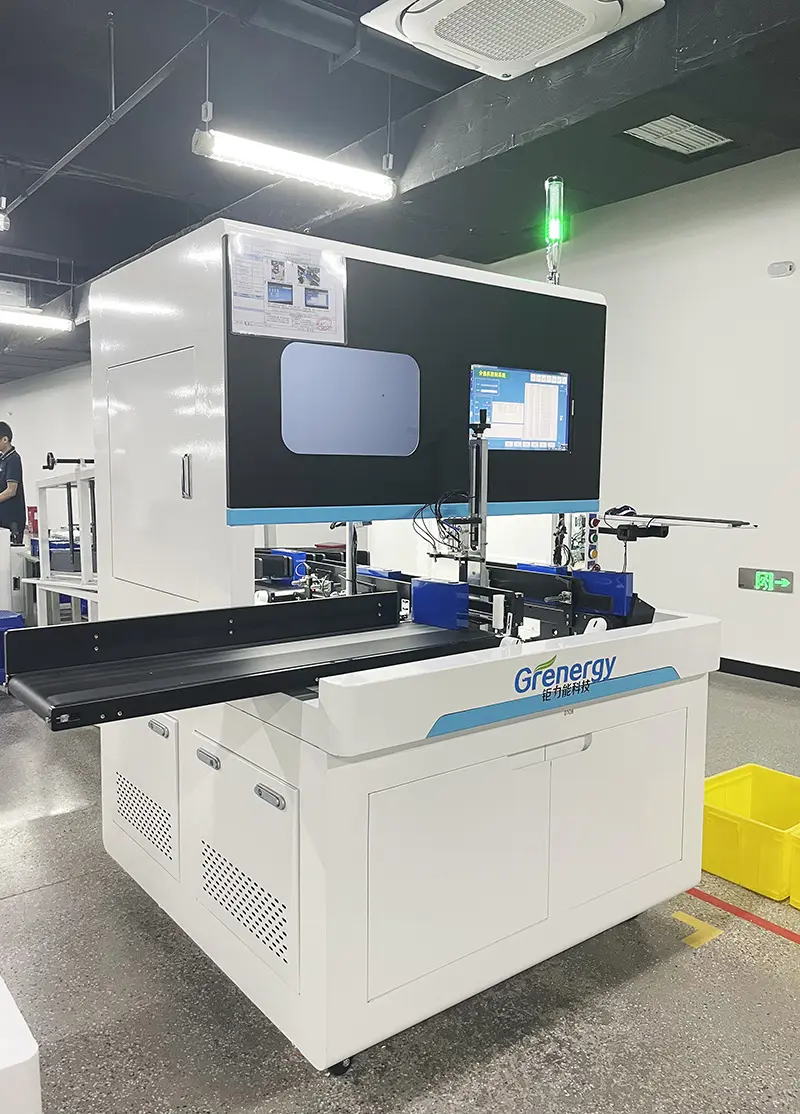
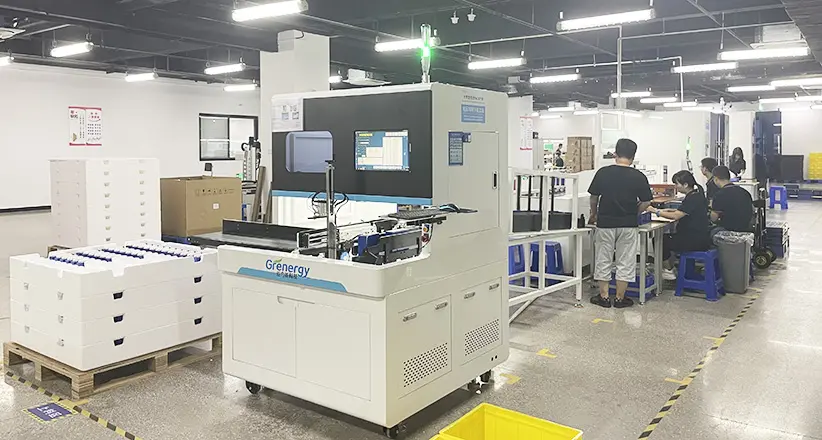
Our commitment is backed by strict compliance practices. Our manufacturing plants operate under ISO9001, ISO14001, and ISO45001 management structures. Products undergo certifications including UL, CE, FCC, PSE, and UN38.3. Furthermore, our $3M USD product liability insurance provides reassurance for global installations.
Customized global supply chains and local technical assistance.
Our systems comply with regional grid requirements (e.g. UL9540A, VDE-AR-N 4105, AS/NZS 4777), accelerating approval from local power providers.
Leveraging verified packaging designs conforming to UN3480 directives, we manage international maritime, air, and overland delivery protocols.
We supply bespoke enclosures, tailored terminal layouts, customized communication features, and specialized BMS configurations to fit proprietary setups.
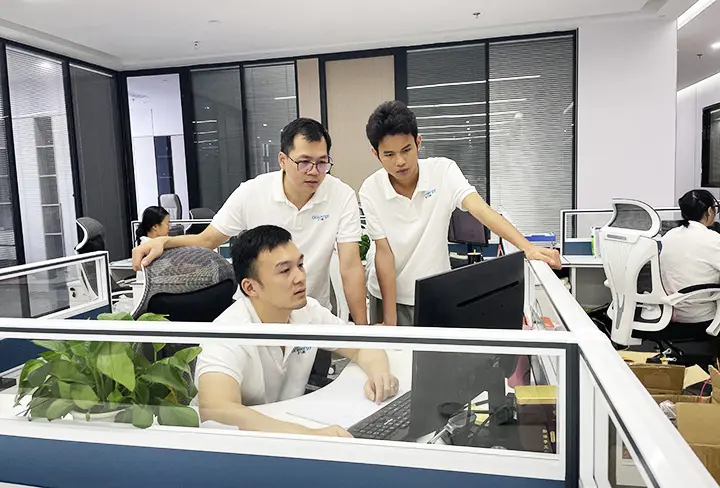
Engineers assist with remote system integration, firmware adjustments, and module updates, minimizing operational downtime.
Answers to technical and engineering questions regarding lithium ion solar banks.
Lithium Iron Phosphate (LiFePO₄) batteries offer superior thermal and chemical stability compared to Lithium Nickel Manganese Cobalt (NMC). LiFePO₄ resists thermal runaway up to 500°C and does not release oxygen during cell rupture, reducing fire risk. LFP chemistry also provides longer service life, typically delivering 6,000+ charge cycles compared to 1,000–2,000 cycles for NMC.
Yes, our R&D department configures Battery Management Systems to work with specific protocols. We support CANbus, Modbus RTU/TCP, and RS485 protocols to enable communication between our battery banks and major inverter brands including SMA, Victron, Growatt, Deye, and Solis.
Migrating to high-density 314Ah LFP cells increases volumetric energy density without changing the cabinet layout. This allows projects to fit more storage capacity within the same footprint, reducing space requirements, cabling, and site preparation costs.
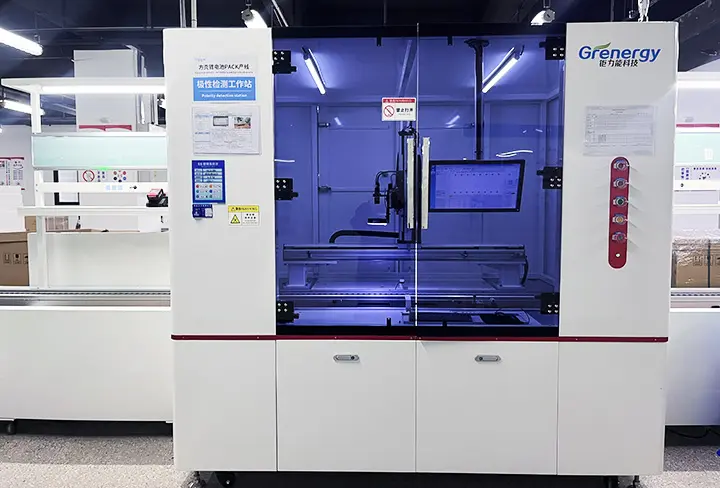
We enforce rigorous testing at multiple points in production. Every incoming cell undergoes sorting for capacity, internal resistance, and voltage consistency. Assembled battery modules undergo high-current cycle tests, vibration modeling, and thermal camera evaluations before shipping. Our facilities are certified to ISO9001, ISO14001, and ISO45001 standards.
As certified exporters, we prepare systems according to UN3480 Class 9 Dangerous Goods regulations. We provide required documentation, including UN38.3 test results, MSDS sheets, and secure packaging to ensure compliance with international maritime (IMDG) and aviation (IATA) shipping standards.
We back our industrial products with standard warranties ranging from 5 to 10 years, depending on application specifications. Technical support teams assist with system sizing, integration, configuration, and remote diagnosis to keep systems operating smoothly.
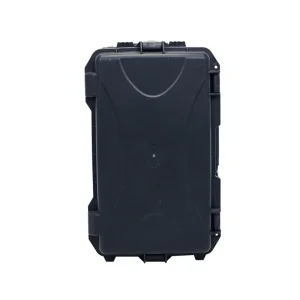
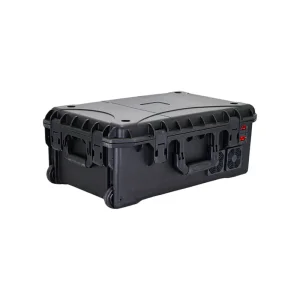
Industrial cabinet systems, high-capacity deep cycle modules, and heavy-duty portable power units.
 Grenergy