Discover our premium range of lithium battery packs and integrated energy solutions optimized with custom BMS architectures.
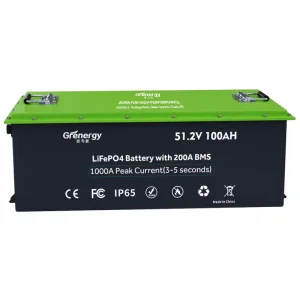
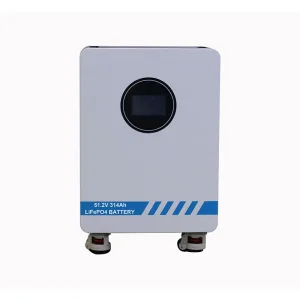
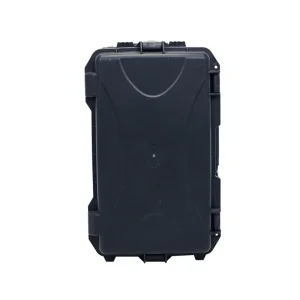
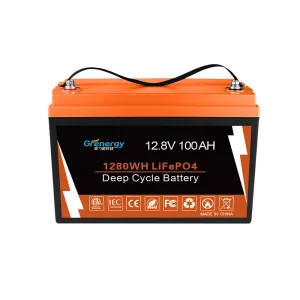
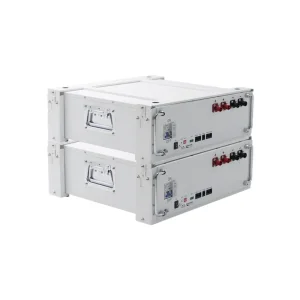
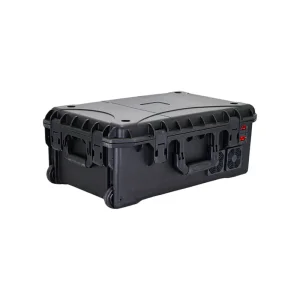
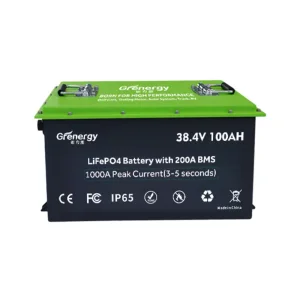
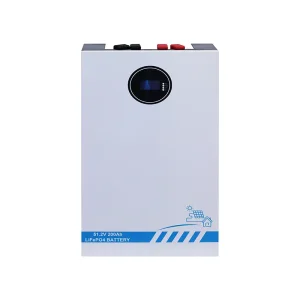
As the global market transitions from legacy lead-acid systems to lithium-based chemistries, the 12V 100A Battery Management System (BMS) has emerged as the definitive benchmark for light commercial, marine, recreational vehicle, and domestic off-grid power infrastructure. At this operational scale, the BMS is not merely an auxiliary safety switch; it is the vital component responsible for cell state balancing, real-time thermal modeling, and safety parameters policing.
12V configuration (nominally 12.8V in lithium iron phosphate - LiFePO4 chemistry) represents the most common drop-in replacement voltage tier globally. Standardizing at 100A continuous discharge allows the pack to safely output up to 1.28 kW of continuous power—the exact threshold needed to run standard household AC appliances through inverters, power water pumps, or run electric trolling motors without risking thermal overload or premature cell aging.
For B2B buyers and commercial systems integrators, identifying top-tier 12V 100A BMS companies and factories is the first line of defense against product failure, liability claims, and system inefficiencies. A high-quality BMS secures the longevity of expensive lithium cells, ensuring the battery pack functions optimally for over 3,000 to 6,000 charge cycles.

Established in 2010, Shenzhen Grenergy Technology Co., Ltd. is an ISO-certified, high-tech enterprise specializing in the R&D, design, and manufacturing of advanced lithium batteries, energy storage systems (ESS), motive power batteries, custom Battery Management Systems (BMS), and all-in-one system integrations. Driven by technological innovation and sustainable energy engineering, Grenergy has evolved into a tier-1 global provider of custom energy solutions for diverse applications.
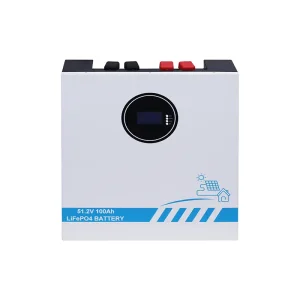
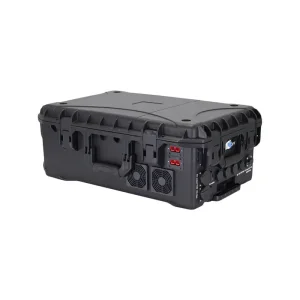
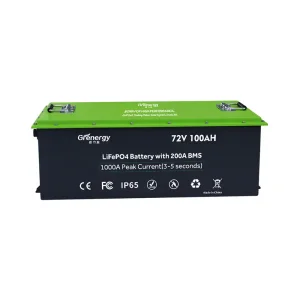
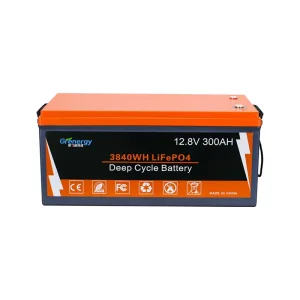
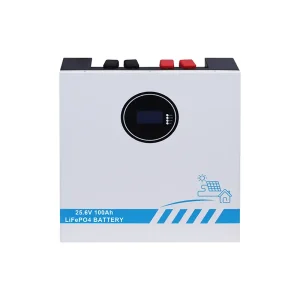
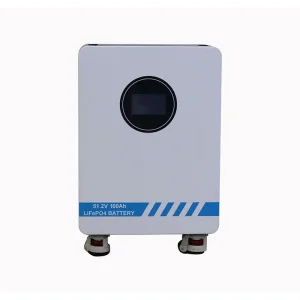
Over more than a decade of research and development, we have created an expansive energy solution portfolio. This includes drop-in lead-acid replacement lithium battery packs, sleek wall-mounted power walls, high-capacity mobile home energy storage units, specialized trolley box portable power systems, and high-performance smart BMS circuits. We remain committed to maximizing charge efficiency, lowering system downtime, and reducing the ecological footprint of power storage worldwide.
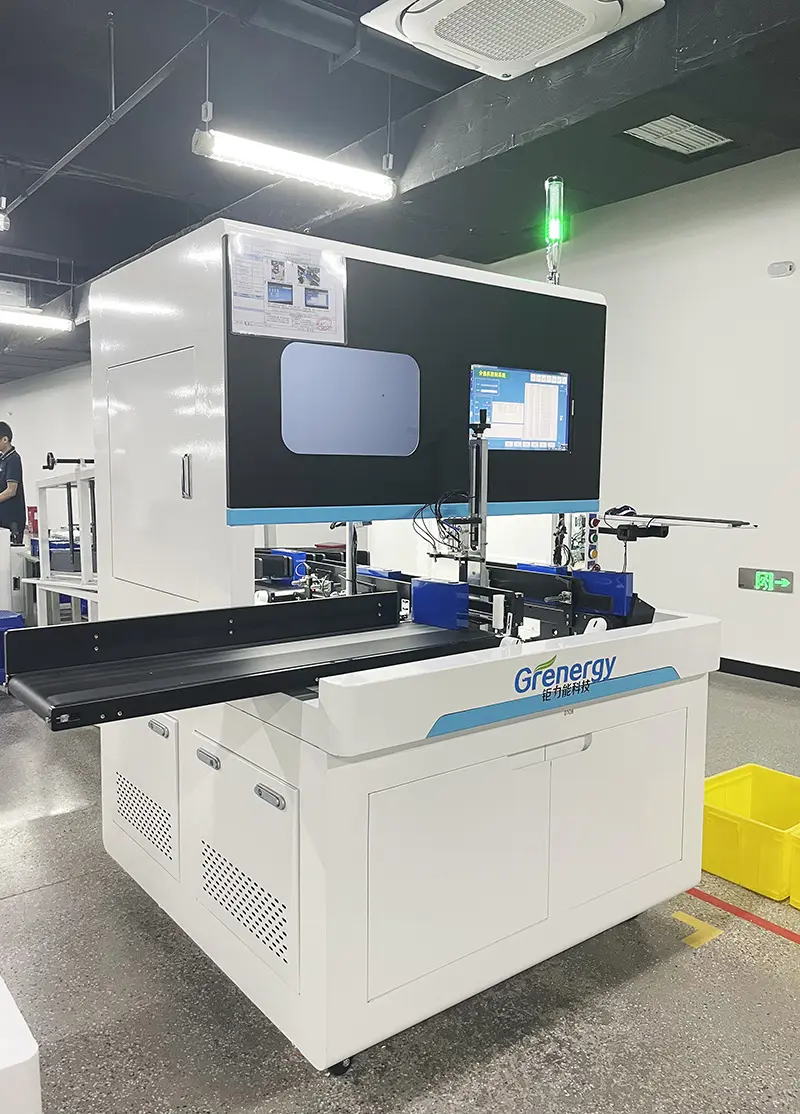
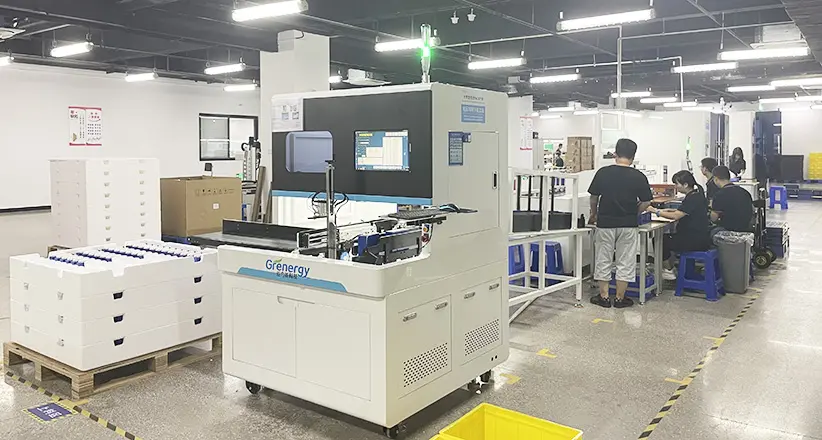
Understanding the engineering differences between consumer-grade and industrial-grade 12V 100A BMS platforms.
Industrial-grade BMS systems leverage multi-channel AFEs (such as Texas Instruments or Nuvoton ICs) to continuously sample individual cell voltages with millivolt-level precision. This prevents cell imbalance during heavy 100A draw cycles.
At 100A continuous current, heat dissipation is critical. High-quality systems deploy independent thermal sensors directly on the power MOSFETs and within the center of the battery core, allowing auto-shutoff before thermal runaway.
Utilizing high-end low R_DS(on) automotive MOSFETs placed in parallel minimizes electrical resistance, keeping internal losses to a minimum and preventing voltage drop under peak startup surges (up to 300A for inductive loads).
Information Gain Insight: Common Port vs. Separate Port Architectures
In a 12V 100A BMS, a Common Port configuration uses the same connection terminal for both charging and discharging, permitting simple integration and bidirectional currents (perfect for regenerative braking systems or solar setups). A Separate Port layout isolates the charge path to handle a lower current (e.g., 20A charge / 100A discharge), reducing manufacturing costs but introducing limits in systems where high-current dual-path flows are required. At Grenergy, we configure our circuits to align directly with client integration demands.
| Protection Metric | Standard Value Range | Trigger Delay Time | Recovery Method |
|---|---|---|---|
| Over-Charge Protection (OVP) | 3.65V ± 0.025V per cell | 1000 ms | Release when cell voltage drops below 3.45V |
| Over-Discharge Protection (UVP) | 2.50V ± 0.05V per cell | 1000 ms | Release via charger connection / voltage recovery |
| Continuous Charge/Discharge Current | 100A Max continuous | Continuous | Automatic system stabilization |
| Over-Current Discharge Protection (OCP) | 150A - 300A (Application dependent) | 100 - 500 ms | Cut-off load, automatic retry after 30 seconds |
| Short Circuit Protection (SCP) | ≥ 400A external short | ≤ 300 μs | Disconnect load, manual reset or auto-recovery option |
| Under/Over Temperature Protection | Charge: 0°C to 55°C | Discharge: -20°C to 65°C | 2000 ms | Returns to active mode once temperature stabilizes |

Why do leading electronics integrators, grid storage operators, and RV manufacturers turn to Chinese factories for wholesale BMS solutions? The advantage lies in the integration of specialized supply chain ecosystems, rapid prototyping cycles, and advanced manufacturing technologies.
By leveraging these structural efficiencies, companies like Grenergy offer highly advanced, customized ODM designs that meet global compliance standards at a significantly lower total cost of ownership.
An inside look at our engineering capacity, manufacturing standards, and brand footprint.
At Shenzhen Grenergy Technology Co., Ltd., our operations are engineered to handle high-volume B2B manufacturing without sacrificing precision. Spanning a modern production area of nearly 10,000 square meters and powered by a dedicated team of over 200 highly skilled professionals, we maintain full quality control over the entire development lifecycle, from board layout design to cell matching and battery pack casing design.
We believe that reliable battery storage is built on structural validation. That is why our products comply with international industry standards, securing certifications including ISO9001, ISO14001, ISO45001, UL, CE, FCC, PSE, and UN38.3. Furthermore, to provide complete peace of mind to our global distributors, installers, and corporate buyers, we back all our products with a comprehensive $3 million USD third-party product liability insurance policy.

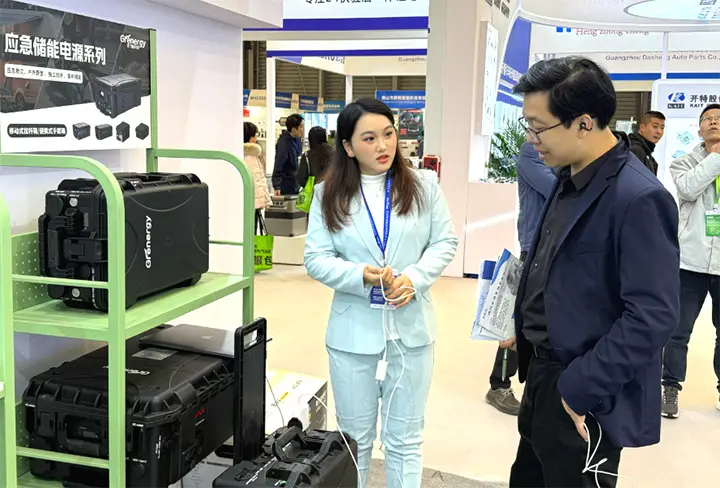
Since 2010, Grenergy's mission has been to develop clean, safe, and efficient battery energy systems that make renewable power accessible. The name "Grenergy" represents our commitment to blending green chemistry with advanced energy management technologies.
As the market shifted from simple cells to smart, interconnected battery networks, our R&D team invested heavily in microcontroller systems, firmware design, and communication interfaces. Today, our smart BMS architectures enable real-time telemetry over Bluetooth, CANbus, and RS485, allowing remote fleet management, micro-grid optimization, and state-of-health tracking.
Corporate Collaboration & Customization:
We design custom solutions tailored to our customers' needs. Through close collaboration with global engineering partners, we develop advanced systems that stand up to the most demanding conditions, ensuring reliability and safety across every application.
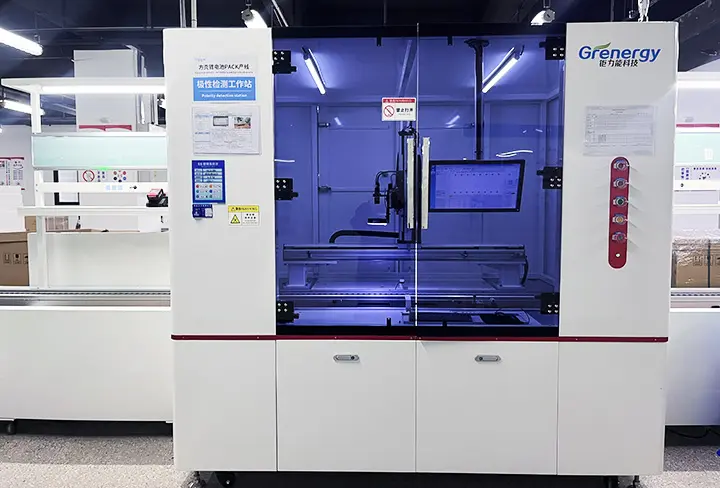
From marine hulls to desert telecom towers: configuring the 12V 100A BMS for local demands.
Saltwater environments demand high protection ratings. A marine-grade 12V 100A BMS requires conformal coating on the PCB to prevent corrosion, alongside reliable over-current protection to handle starter current surges from outboard accessories.
RV auxiliary battery banks operate in high-temperature compartments. Thermal safety cutoff functions ensure the battery charges safely from vehicle alternators or rooftop solar arrays without overheating the vehicle cabin.
Distributed installations require remote tracking. Smart BMS modules integrate RS485 and CANbus protocols, allowing communication with hybrid solar inverters and remote cloud-based platforms to monitor State of Charge (SoC) and State of Health (SoH).
The energy storage industry is moving beyond basic hardware protection toward high-performance system optimization. As battery systems become more integrated, the software running inside the BMS microcontroller plays an increasingly critical role. The industry is currently shifting toward three major design paradigms:
Traditional passive balancing discharges excess energy from high cells as heat through resistors. This process is slow and generates unnecessary thermal stress. Next-generation active balancing BMS designs dynamically redistribute energy between cells using capacitive or inductive charge transfer, maximizing usable pack capacity and extending battery lifespan.
Legacy systems estimate State of Charge (SoC) based on simple open-circuit voltage curves, which can be inaccurate for LiFePO4 batteries due to their flat voltage profile. Modern smart BMS platforms run advanced estimation algorithms—such as Kalman filtering—to accurately calculate SoC and State of Health (SoH) by analyzing current throughput, voltage changes, and temperature variations.
B2B operators are increasingly requiring centralized management for energy storage networks. By embedding Bluetooth Low Energy (BLE) or Wi-Fi microcontrollers directly into the BMS circuitry, operators can track real-time diagnostics via mobile applications and send critical alerts to remote monitoring centers before failures occur.
Essential insights for procurement managers, systems integrators, and engineering professionals.
What does "12V 100A BMS" mean in practical electrical terms?
This specification indicates that the BMS is designed to manage a 4-series lithium-iron-phosphate (LiFePO4) cell pack with a nominal voltage of 12.8V, while supporting a continuous current draw of up to 100 Amperes. In terms of power capacity, this corresponds to approximately 1,280 Watts (1.28 kW) of continuous output.
Why is temperature protection critical for LiFePO4 chemistry?
Lithium iron phosphate cells can suffer permanent damage if charged at freezing temperatures (below 0°C), which leads to lithium plating on the anode. A professional BMS features low-temperature charge cutoff protection (and can activate built-in heating elements if available) alongside high-temperature cutoff (above 60°C) to prevent thermal runaway.
What is the difference between Common Port and Separate Port BMS designs?
In a Common Port configuration, the charge and discharge paths share the same connection terminal on the PCB, supporting bidirectional current flows. In a Separate Port design, these paths are isolated, allowing the charging input to be rated at a lower current (e.g., 20A) than the discharging limit (100A). This helps optimize production costs for specific applications.
How does Grenergy verify the quality of its custom BMS and battery packs?
Every production batch undergoes a strict quality control workflow, including automated optical inspection (AOI) for PCBs, function testing under simulated loads, thermal imaging, and high-low temperature chamber testing. Our facilities operate under ISO9001, ISO14001, and ISO45001 standards, and our products carry UL, CE, FCC, PSE, and UN38.3 certifications, backed by $3M USD in product liability insurance.
Can a 12V 100A BMS be connected in series or parallel configurations?
This depends on the internal components used. Standard BMS boards are designed only for single 12V packs. Connecting them in series (to build 24V or 48V systems) requires upgraded components (such as higher-voltage MOSFETs and specialized blocking diodes) to withstand back-EMF spikes. If your application requires series or parallel expansion, please consult with our engineering team during the design phase.
From modular home energy storage to high-voltage industrial battery systems.
 Grenergy